
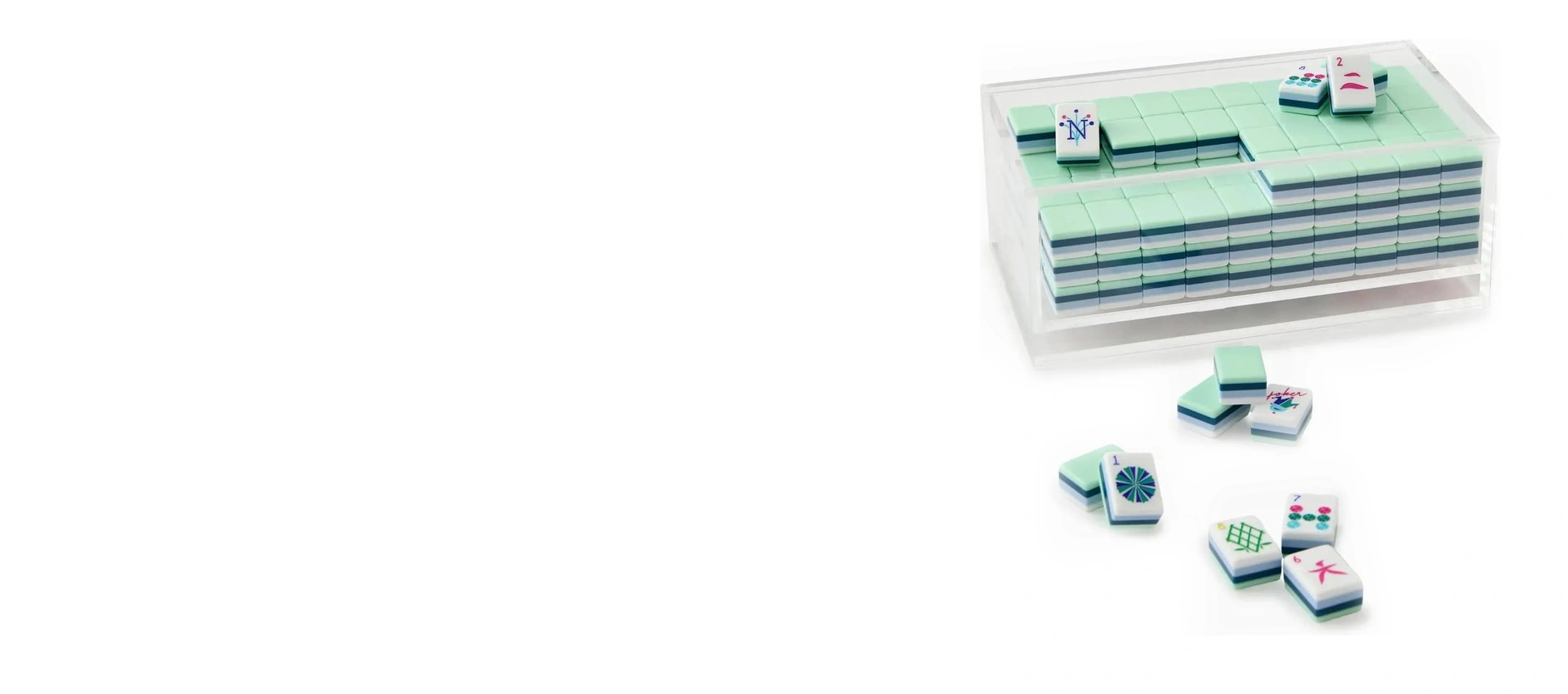
Premium Layered
Acrylic Mahjong
Tiles
Premium layered acrylic mahjong tiles bring color contrast, visible layer profiles, and visual depth to custom American mahjong collections. Explore coordinated face, core, and back constructions, with artwork placement, dimensions, and sample requirements reviewed for each design.
Product Types
View All Acrylic Displays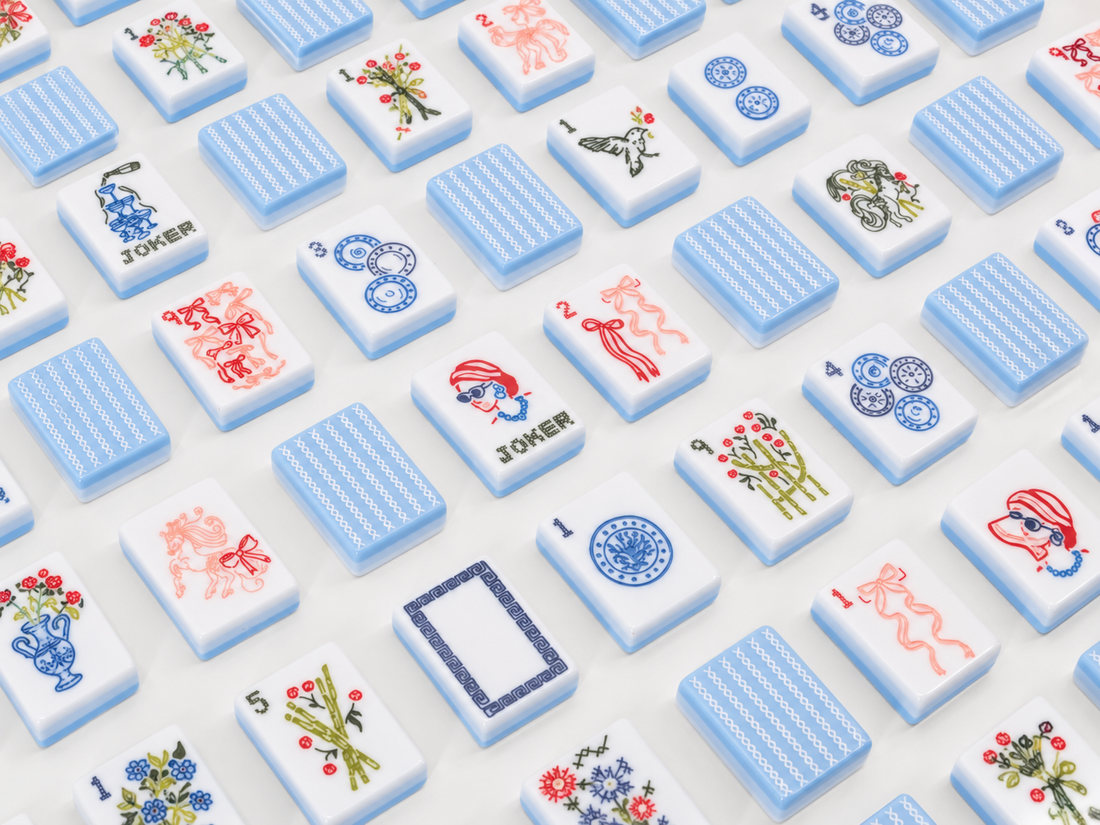
Two-Tone Layered Tiles
Explore contrasting face and back layers for a defined two-color tile profile.
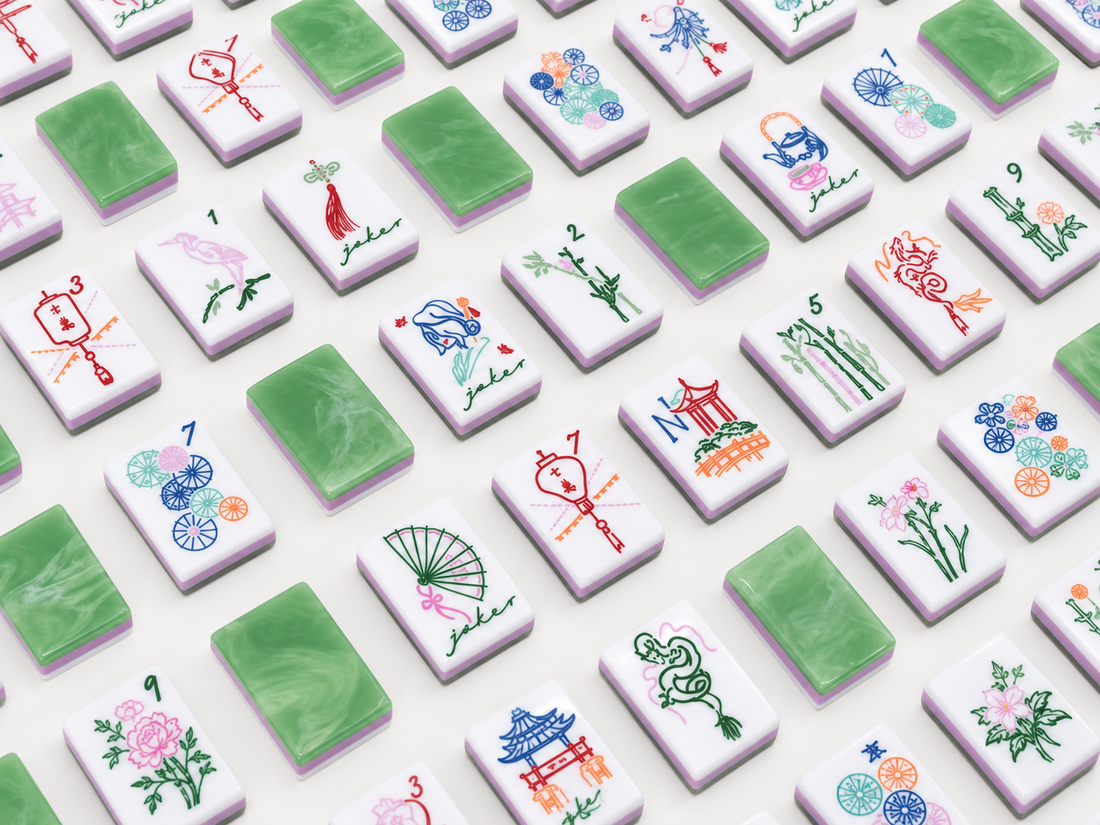
Three-Layer Accent Tiles
Introduce an intermediate color layer to create a distinctive visible edge.
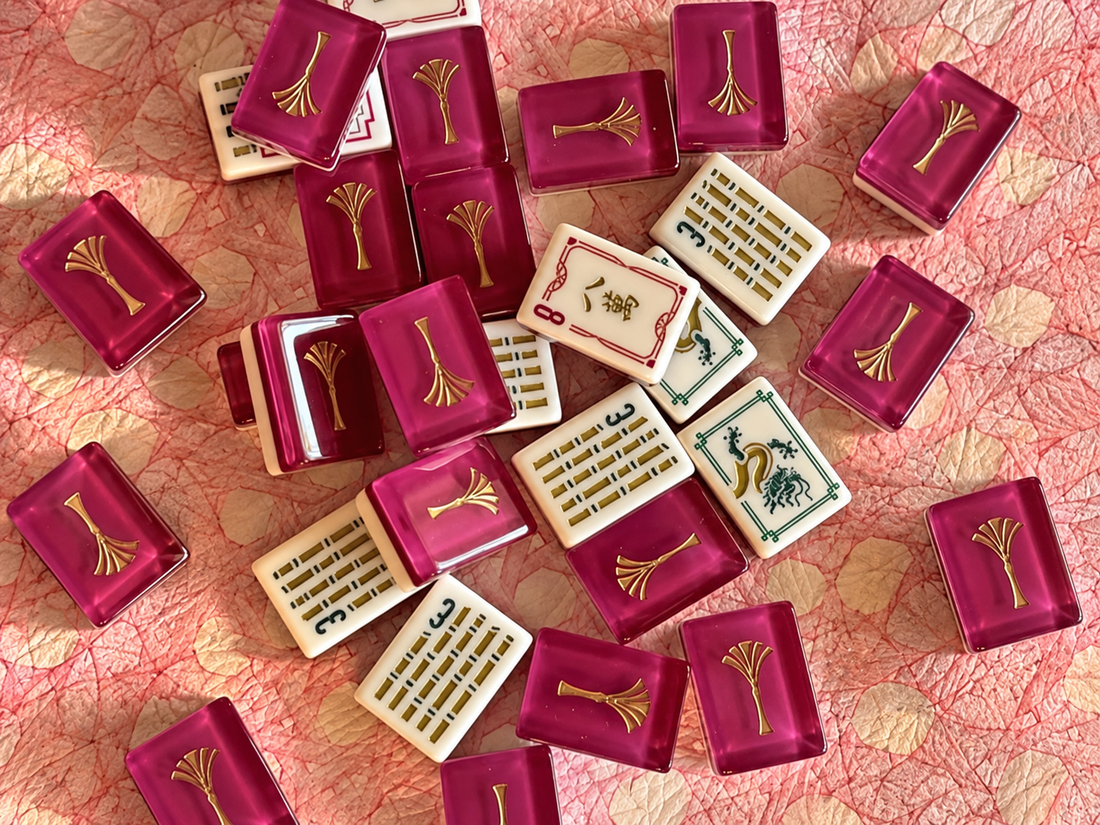
Clear-Overlay Layered Tiles
Review transparent top layers over selected colors or artwork for added visual depth.
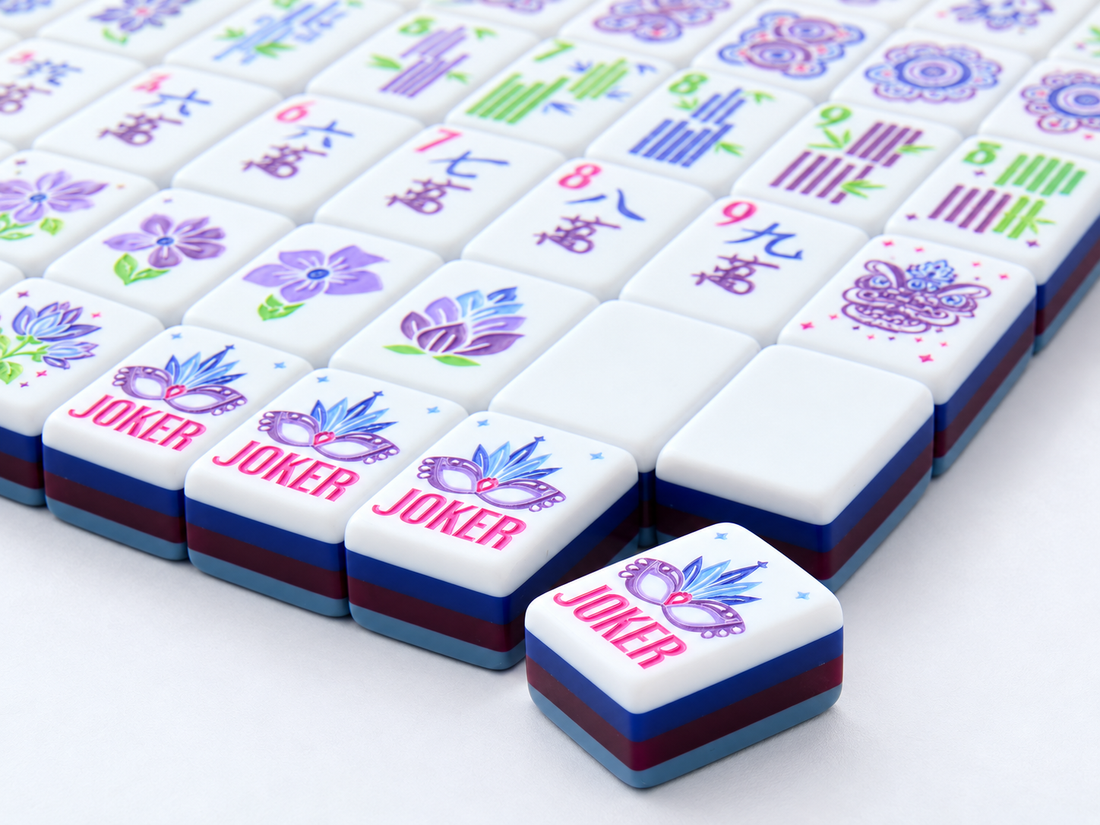
Custom Multi-Color Edge Tiles
Plan coordinated layer sequences for distinctive side profiles and branded collections.
Customization & Specifications
Layer Construction & ThicknessDefine the layer stack and finished tile dimensions.
A layered acrylic tile should be specified as a complete structure rather than by layer count alone. Identify the face, intermediate, and back layers, together with their intended materials and thicknesses. The assembled tile must meet the approved height, width, and total thickness requirements. Additional layers can affect weight, edge appearance, handling, and compatibility with racks or storage cases. Available layer combinations and construction methods should be reviewed through material and sample evaluation.
Layer Colors & Edge ProfilesCoordinate visible color bands and the appearance of tile edges.
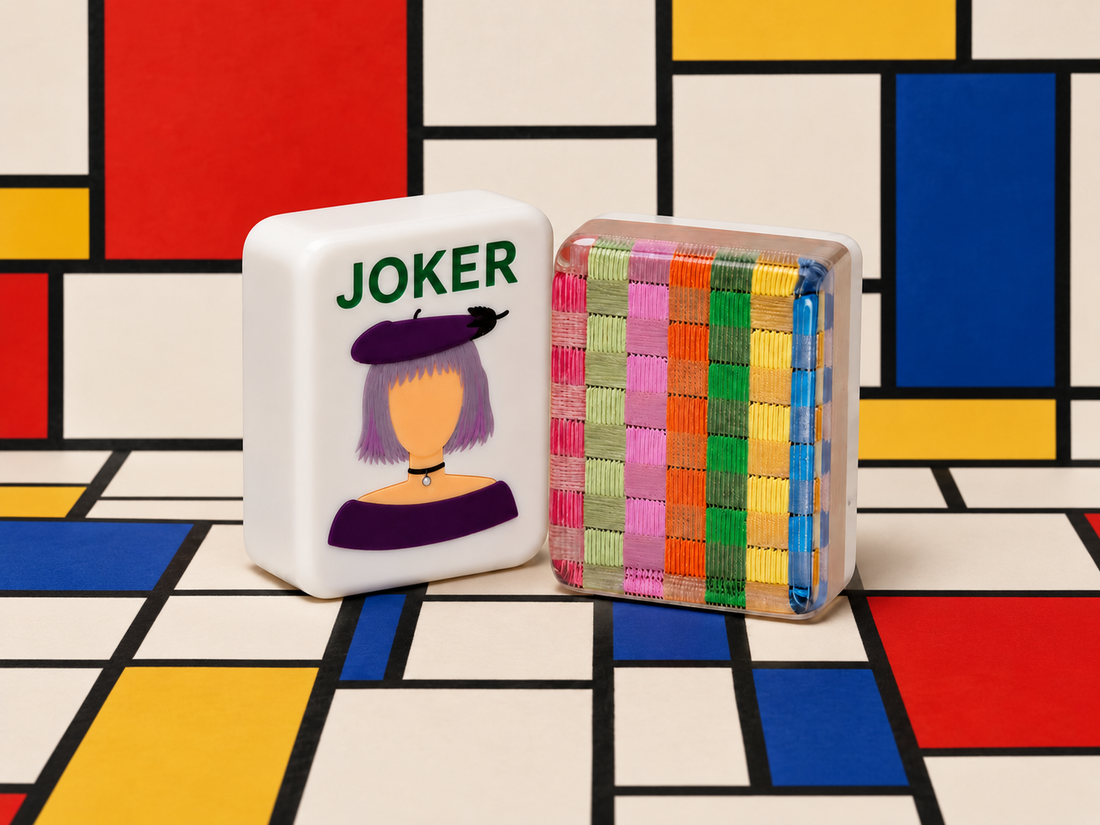
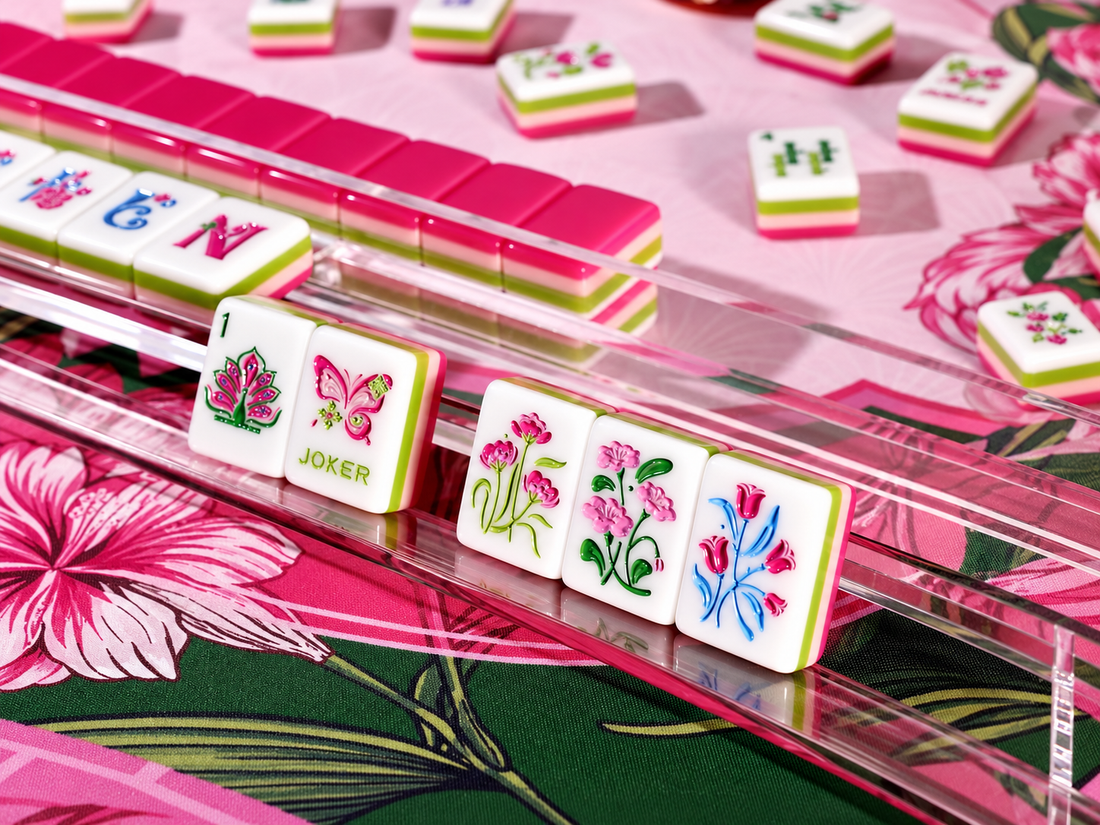
The side profile can be an important design feature of layered mahjong tiles. Specify the color and order of each layer, the desired contrast between adjacent bands, and the appearance of the finished edges. Transparent, translucent, and opaque materials may produce different effects depending on lighting and surrounding colors. Color references and representative edge samples are useful when a particular layered appearance is essential. Actual material availability and batch consistency should be confirmed for the selected construction.
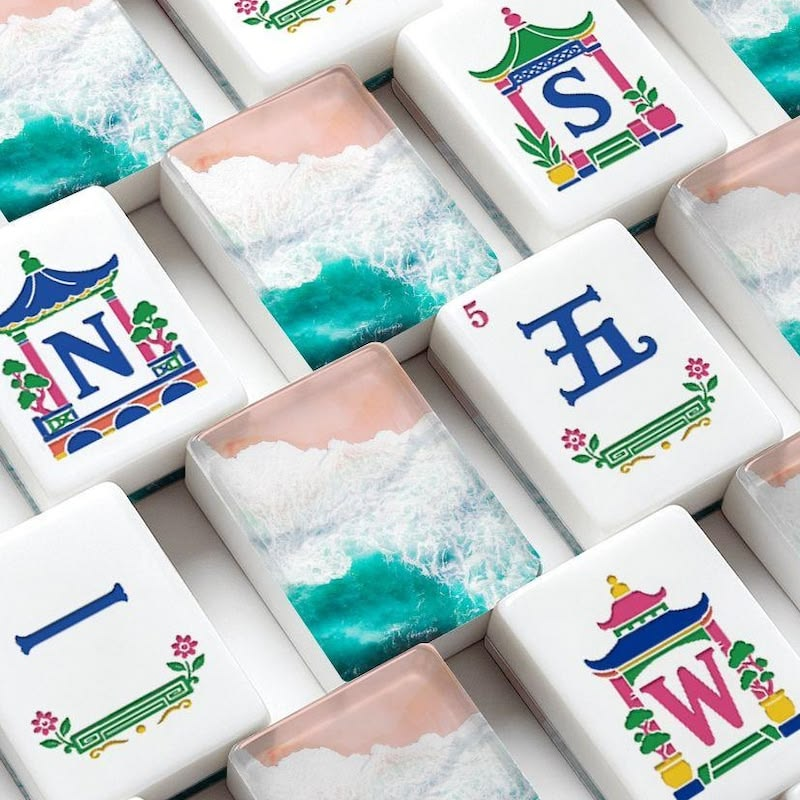
Artwork Placement & Visual DepthReview face graphics, layer alignment, and transparent depth effects.
The relationship between artwork and the acrylic layers should be defined before production. Graphics may be planned for the visible tile face or, where a suitable construction is available, beneath a transparent layer. The final appearance depends on the selected materials, printing or marking method, layer thickness, and artwork registration. Provide the approved tile-face artwork, desired viewing effect, and any relevant depth references. The production method and visual result must be confirmed through a representative sample.
Tile Backs & OpacityPlan coordinated backs and control unwanted face visibility.
Tile backs should be reviewed for color, pattern, orientation, opacity, and consistency across the complete collection. Transparent or translucent layers can affect how much of the front artwork or internal construction is visible from the reverse side. If concealed tile faces are required for gameplay, define the viewing and lighting conditions under which they must remain unreadable. The selected back-layer construction and representative samples should be checked against those requirements before approval.
Bonding, Samples & Set PackingReview layer alignment, bonding appearance, and complete-set requirements.
Layered construction introduces additional details that should be checked during sampling, including layer alignment, visible joints, bubbles, edge appearance, overall dimensions, and any signs of bonding defects or stress. The required acceptance criteria should be agreed for the actual materials and manufacturing process. The complete tile inventory, artwork versions, and colorways must also be confirmed. Packaging should protect the finished surfaces and accommodate the final tile dimensions and total set weight.
Applications
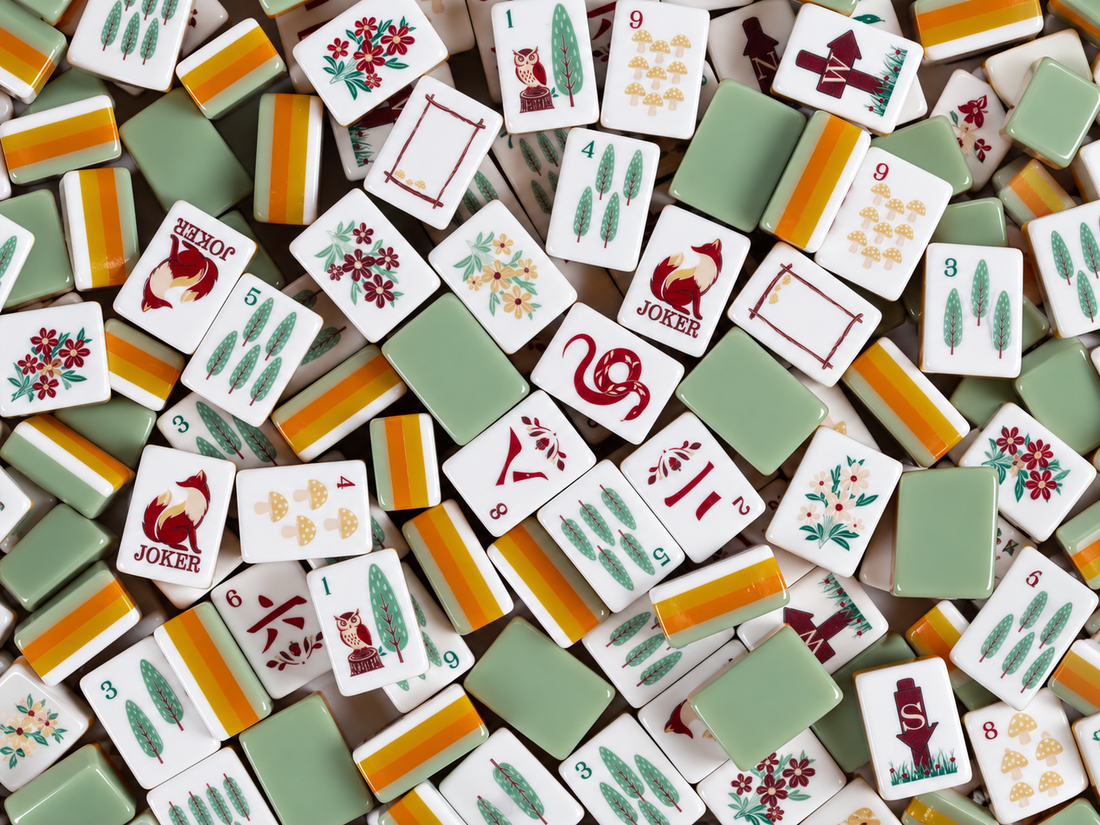
Premium Mahjong Collections
Create layered visual identities for design-led American mahjong brands.

Limited-Edition Tile Designs
Explore distinctive layer colors and edge profiles for special collections.
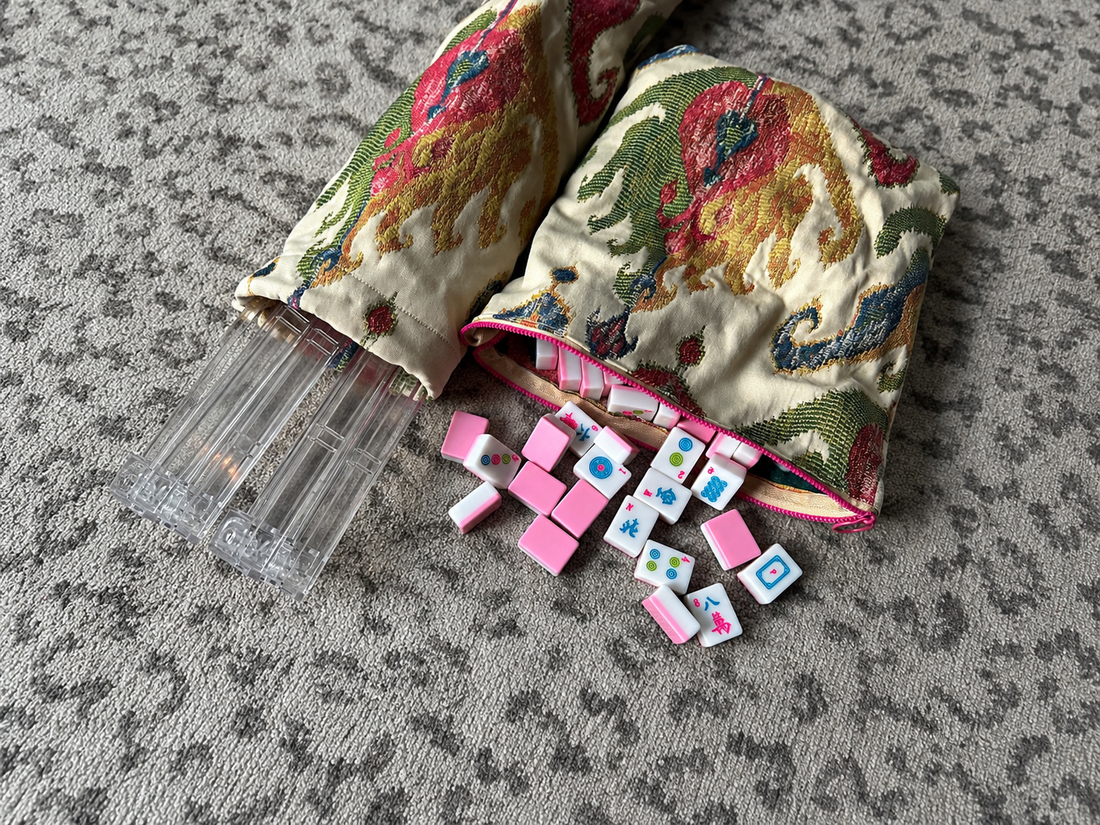
Boutique Retail & Gift Sets
Coordinate layered tile appearances with premium retail presentation and packaging.
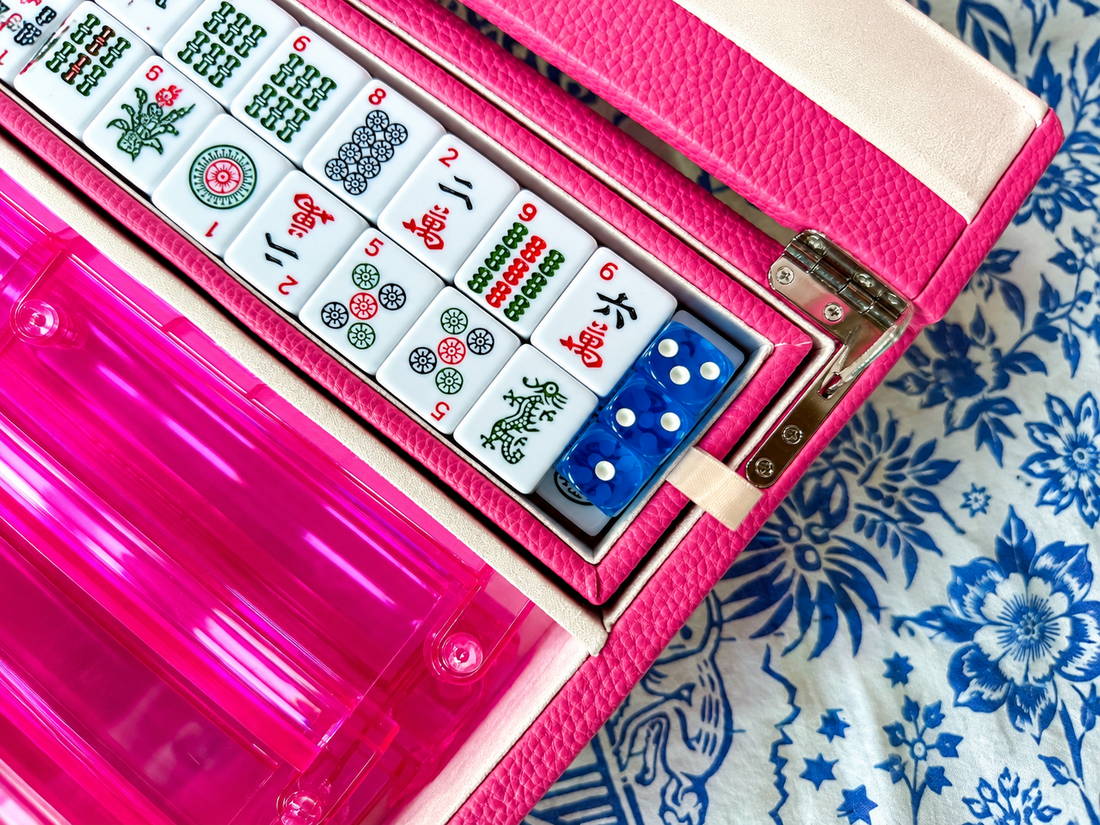
Wholesale Brand Programs
Plan approved layer specifications and color versions for branded wholesale ranges.
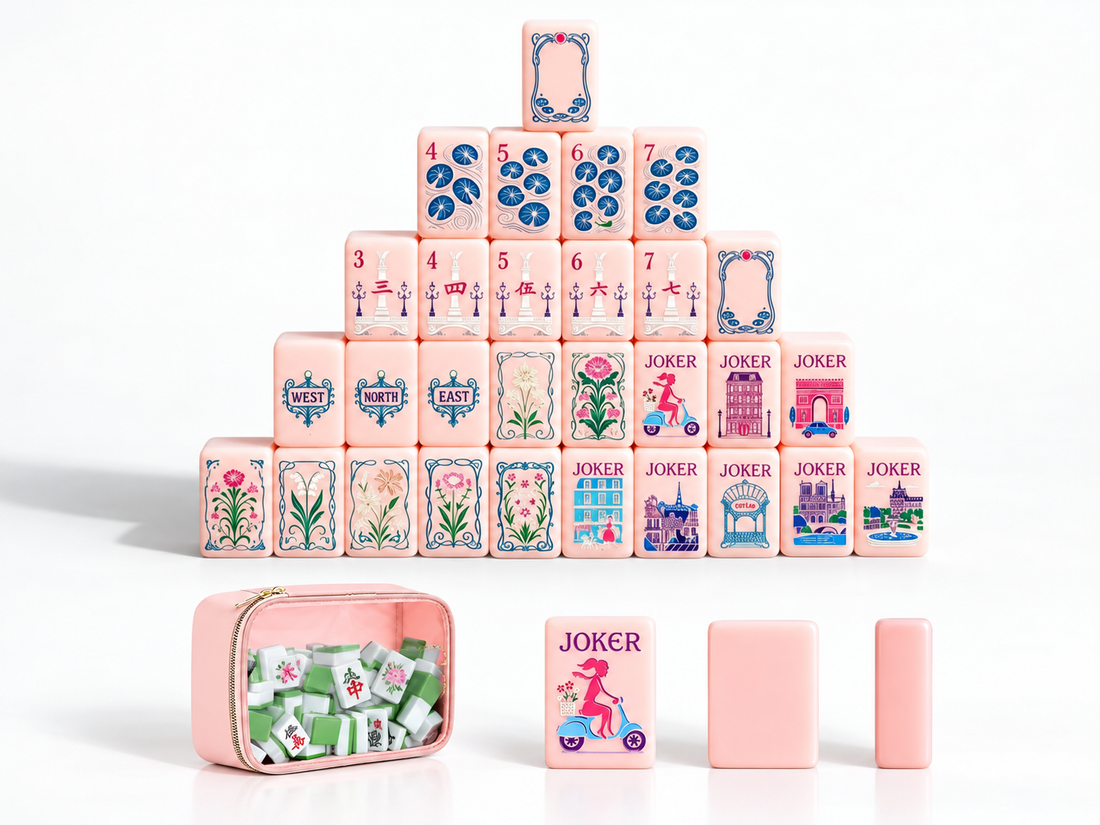
Frequently Asked Questions
View All FAQsWhat is the difference between standard and premium layered acrylic mahjong tiles?
The main difference is the planned construction and visual effect, not simply the word "premium." Layered tiles use multiple acrylic layers that can create contrasting faces, colored backs, or visible bands along the edges. Some standard custom mahjong tiles also use more than one layer, so the layer count alone does not define product quality. Compare the approved materials, finished dimensions, artwork method, bonding appearance, and sample requirements to determine what makes a particular construction suitable for your collection.
How do I choose between two-layer, three-layer, and multi-layer mahjong tiles?
Begin with the appearance you want from the face, sides, and back of the tile. Two layers may provide a contrasting face and back, while three layers can introduce a separate accent color within the edge profile. More elaborate sequences may be considered when additional visible bands or optical effects are required. Each extra layer affects the total construction and may introduce additional assembly requirements. The final stack should be reviewed against available material thicknesses, cost, and sample feasibility.
How does layered construction affect tile thickness, weight, and rack compatibility?
The finished tile dimensions depend on the complete layer stack and its manufacturing tolerances. Adding layers does not necessarily require a thicker tile if the individual layer thicknesses can be adjusted, but the selected materials and construction must support the intended total size. Weight and handling feel may also change. Provide the required tile height, width, thickness, and any existing rack or storage dimensions. A finished sample should be checked for fit before bulk production approval.
Can artwork be placed beneath a clear acrylic layer to create visual depth?
Artwork beneath a transparent layer can create a different appearance from graphics applied directly to an exposed surface. However, the effect depends on the printing or marking method, layer thickness, transparency, color arrangement, and alignment. Not every layered construction supports embedded or protected artwork. If this effect is required, provide the artwork and a visual reference showing the intended depth. The proposed method and resulting appearance should be confirmed through a physical sample.
Can layered acrylic tiles have colored backs without revealing the face artwork?
A layered back can be designed with concealment as a specific requirement, but the result depends on the opacity, color, thickness, and arrangement of the selected materials. Clear or partially translucent layers may allow unwanted visibility of internal graphics under certain lighting conditions. If the face must remain hidden during gameplay, specify the expected viewing conditions and examine representative tiles from the reverse side. Opacity should be verified rather than assumed from the number of layers.
How are bubbles, visible seams, misalignment, and bonding defects evaluated?
Multi-layer tiles should be checked for the appearance and alignment of their joined surfaces. Depending on the bonding process, possible issues may include trapped bubbles, visible adhesive areas, uneven layer positioning, local stress marks, or separation at the interface. The relevant acceptance criteria should reflect the approved materials, construction, and intended appearance. Samples should be inspected under appropriate lighting, and any required durability or bonding checks should be agreed before production rather than inferred from appearance alone.
How do layer colors and edge finishing affect the appearance and feel of mahjong tiles?
Layer colors can create visible bands along the tile edges, while transparency and lighting may change how those bands appear. Edge finishing affects the visibility of the layers and how the tile feels during handling. The final result also depends on the overall tile dimensions, edge shape, surface condition, and selected material stack. Provide color references and preferred edge examples, and review actual samples under relevant lighting and handling conditions. A polished appearance does not automatically establish scratch resistance or long-term durability.
Can one collection include several layer color combinations and custom tile-face designs?
Multiple colorways and artwork versions can be evaluated, but each configuration should be defined separately. Provide the layer order, material colors, tile-face artwork, back design, and quantity for every version. A complete face-by-face tile inventory is also needed for each American mahjong set configuration. Different material combinations or graphics may introduce separate setup and sample requirements. Approved reference samples and clear SKU identification help reduce confusion during production and packing.
What should be approved on a layered mahjong tile sample before bulk production?
Sample approval should cover the complete layer sequence, finished dimensions, face artwork, back opacity, color appearance, edge profile, and the condition of visible joints. Check for unwanted bubbles, alignment differences, surface defects, and any other issues defined in the project specification. Representative tiles should also be reviewed for handling feel and compatibility with racks or storage accessories. If bonding durability is critical, agree on appropriate evaluation methods and acceptance criteria before approving the final construction.
What affects MOQ, pricing, and production time for custom layered acrylic mahjong tiles?
MOQ, unit pricing, and production timing depend on the number of layers, material availability, tile dimensions, color combinations, artwork method, bonding and finishing requirements, and order quantity. Multiple colorways or complex constructions may require separate samples or manufacturing setup. For a quotation, provide the desired layer sequence, face and back artwork, tile inventory, finished dimensions, quantity per design, packaging requirements, destination, and target date. Costs and schedules should be confirmed against the selected construction rather than assumed from standard tiles.
Ready to Start Your Display Project?
Share your product, dimensions and quantity to discuss the next step.