

Custom Acrylic
Mahjong Racks
& Pushers
Custom acrylic mahjong racks and pushers for American mahjong brands, retailers, and wholesale sets. Explore tile-fitting rack profiles, pusher arrangements, coordinated colors, and four-player accessory kits designed around your tile dimensions and brand requirements.
Product Types
View All Acrylic Displays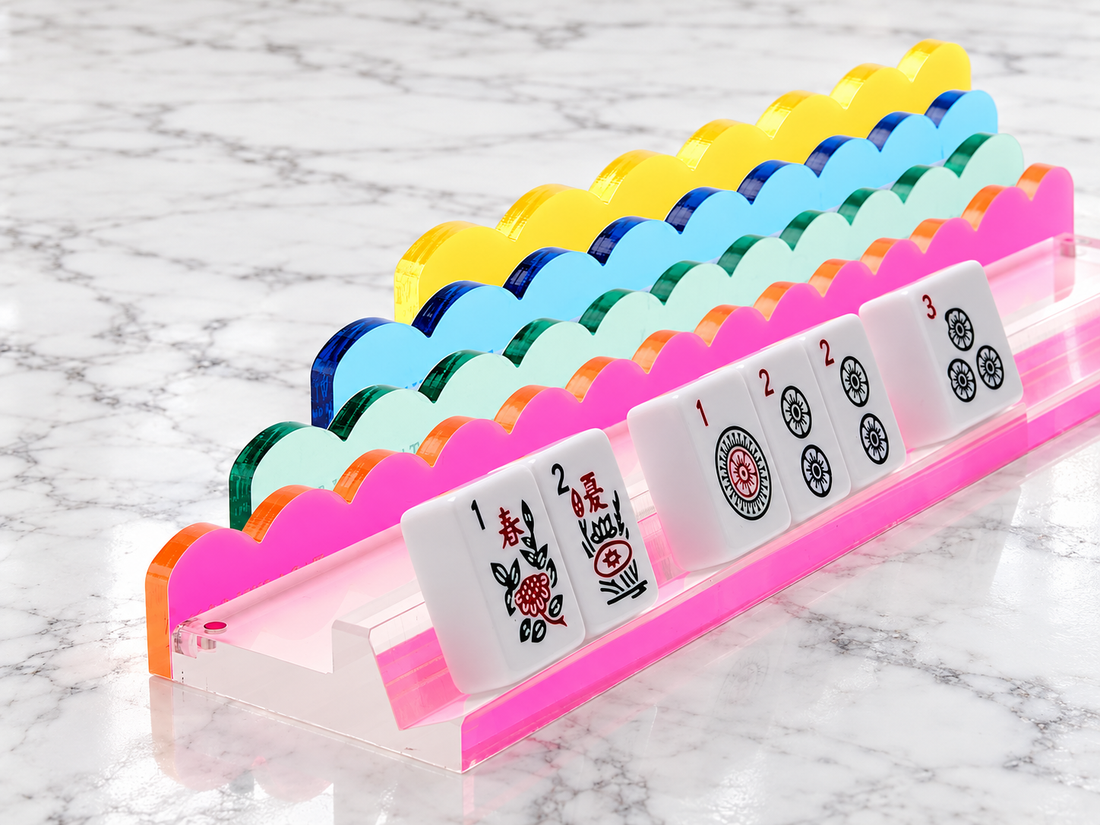
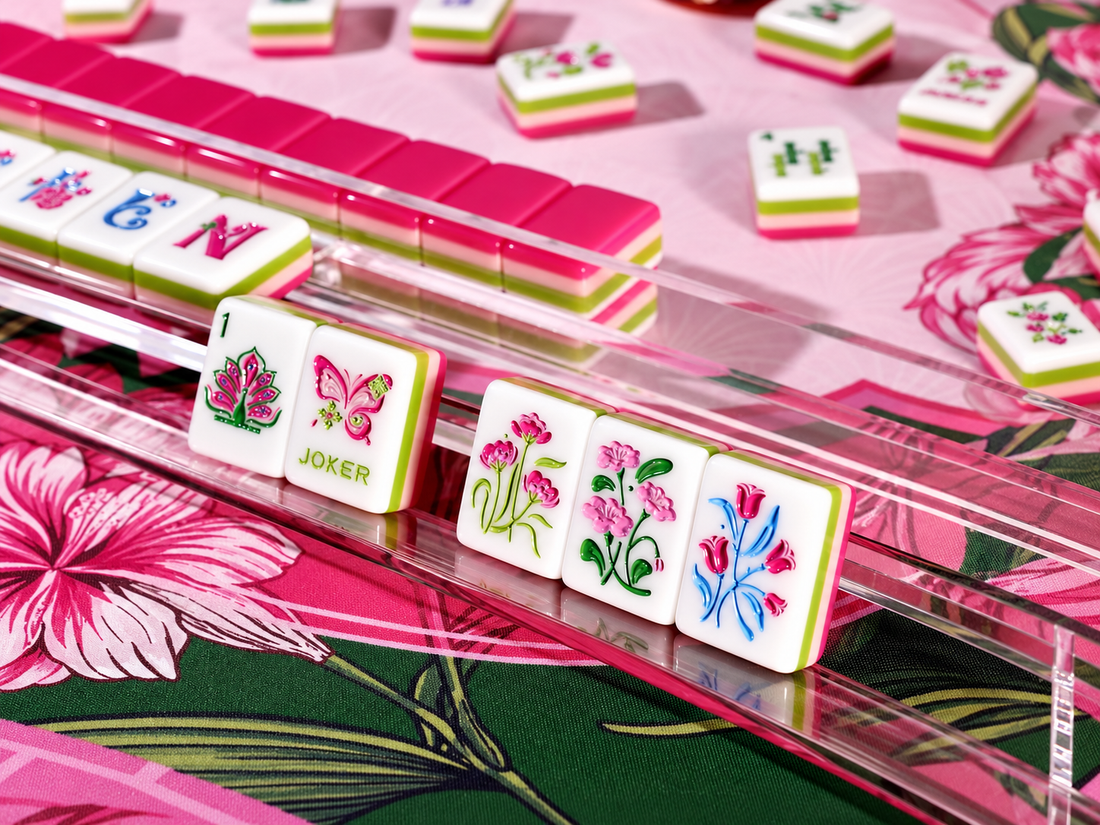
Acrylic Mahjong Tile Racks
Keep American mahjong tiles upright with rack profiles designed for tile fit and visibility.
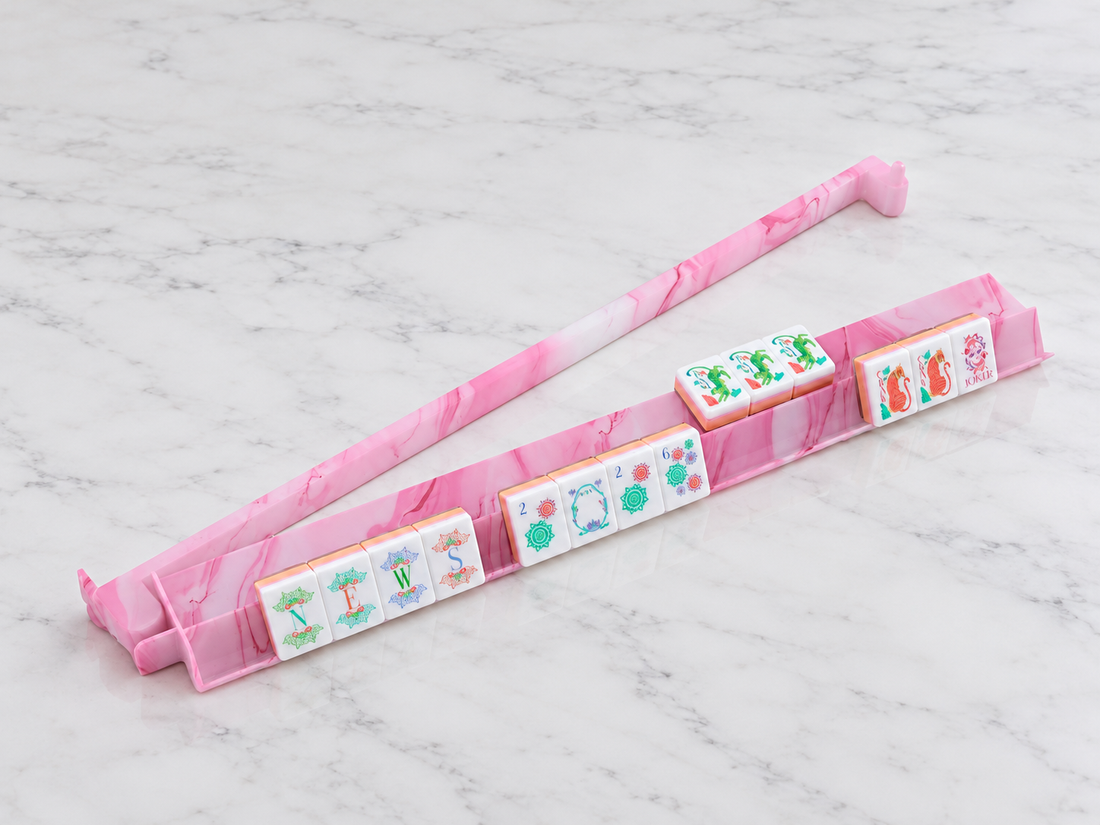
Rack & Pusher Combinations
Pair tile racks with matching pushers for organized play and tile-wall movement.

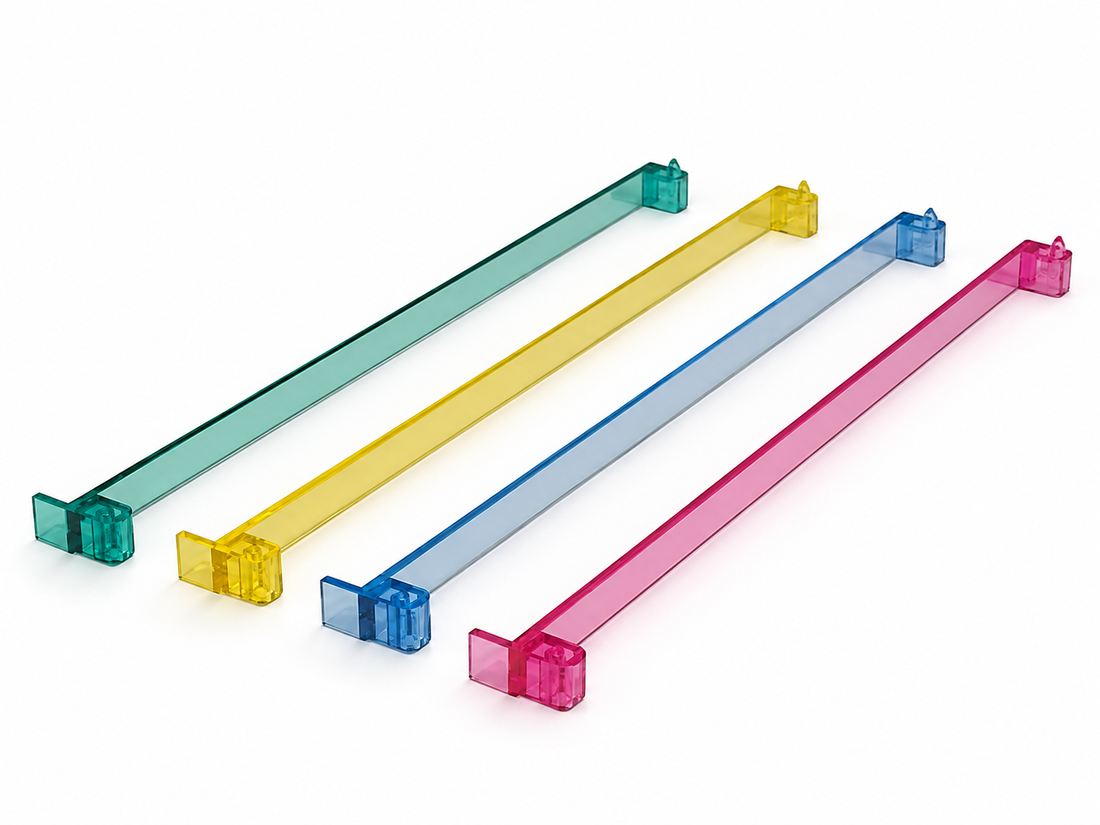
Detachable Mahjong Pushers
Explore separate or removable pusher arrangements for compatible rack designs.
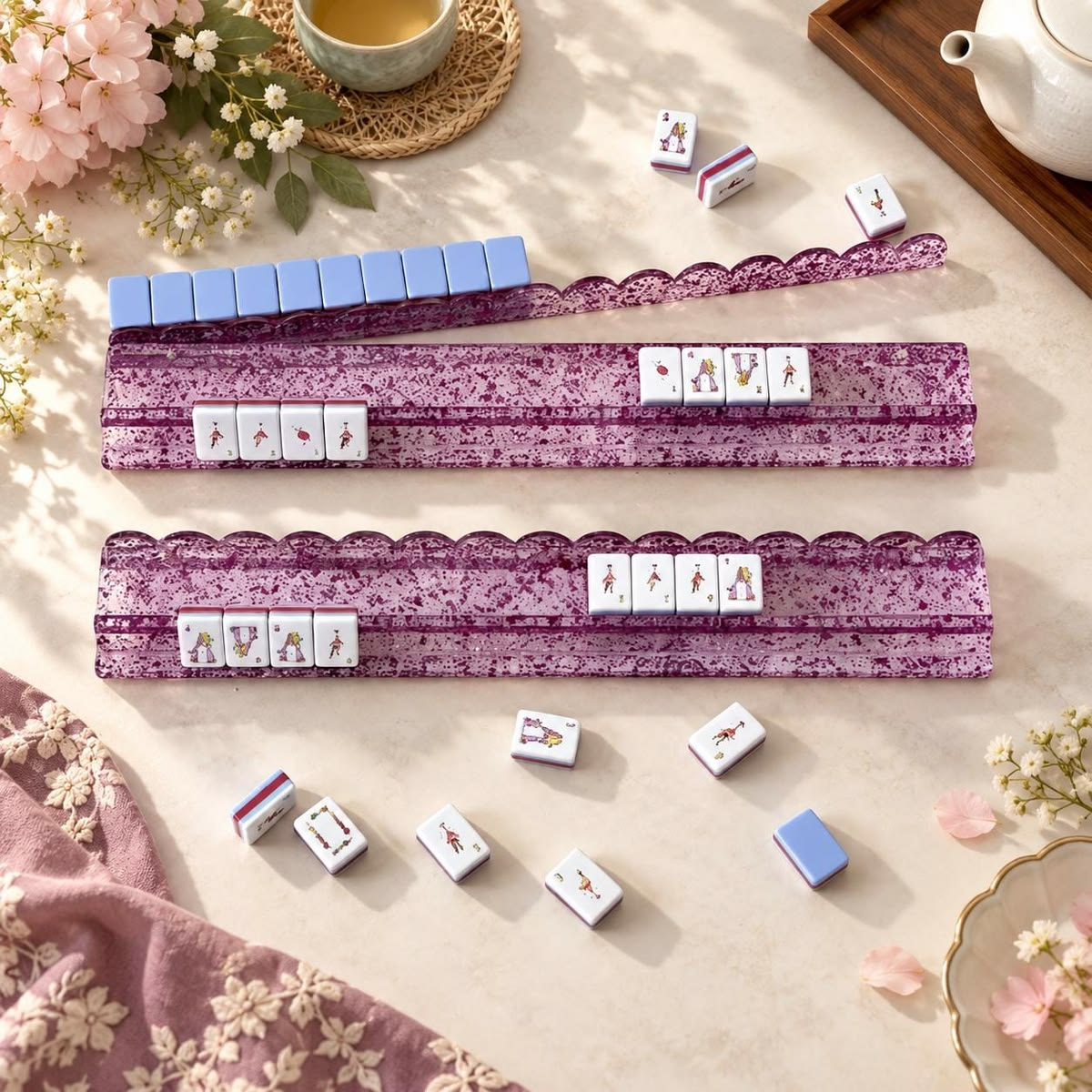
Four-Player Accessory Sets
Plan coordinated rack-and-pusher kits with matching colors and defined set contents.
Customization & Specifications
Tile Compatibility & Rack ChannelMatch the rack's usable length and groove to your mahjong tiles.
Mahjong rack compatibility depends on the actual tile dimensions and the rack profile. Provide tile width, height, and thickness, together with the number of tiles the rack should accommodate. The usable rack length may differ from the overall product length because of end features and other structural details. Channel width, depth, and support angle should also be reviewed to help the tiles sit correctly. Compatibility should be confirmed using representative physical tiles before production approval.
Rack Dimensions & StabilityReview rack length, support geometry, and tabletop stability.
The rack should accommodate the intended tile arrangement without taking up unnecessary playing space. Overall length, usable tile span, base width, support geometry, and contact with the playing surface all affect the design. Consider whether the rack will be used on a tablecloth, mahjong mat, or another surface. Material thickness and structural stiffness should be reviewed alongside the expected handling and tile weight. A physical sample can help confirm the intended fit and stability.
Pusher Design & MovementEvaluate pusher attachment, movement, and tile-wall handling.
A mahjong pusher helps move a tile wall across the playing surface. The required design depends on the rack arrangement, wall dimensions, handling direction, and preferred connection method. Integrated, hinged, or removable configurations may be considered where suitable components and fabrication methods are available. Any moving joints or detachable connections should be checked for alignment and practical operation. The proposed pusher should be reviewed with the intended mahjong tiles and playing surface rather than judged by appearance alone.
Acrylic Colors & BrandingCoordinate rack colors, edge appearance, and brand details.
Acrylic rack and pusher designs may be evaluated in different color and surface directions, depending on the selected material and construction. Provide color references, logo artwork, preferred placement, and any requirements for coordinating the accessories with the mahjong tile backs or storage packaging. Clear, tinted, or opaque appearances can produce different visual effects. If consistent color matching is important, representative physical samples should be reviewed before approving the final specification.
Four-Player Sets & PackagingDefine rack-and-pusher quantities, accessories, and packing formats.
A common American mahjong accessory configuration includes four racks and four pushers for four players. However, the actual order may consist of separate racks, replacement components, or complete matched sets. Specify the number of each component, color combinations, any connecting hardware, and the contents of one retail pack. Packaging should account for long acrylic components, exposed edges, surface protection, and movement during transportation. Storage case compatibility and any special labeling should be confirmed for the selected configuration.
Applications
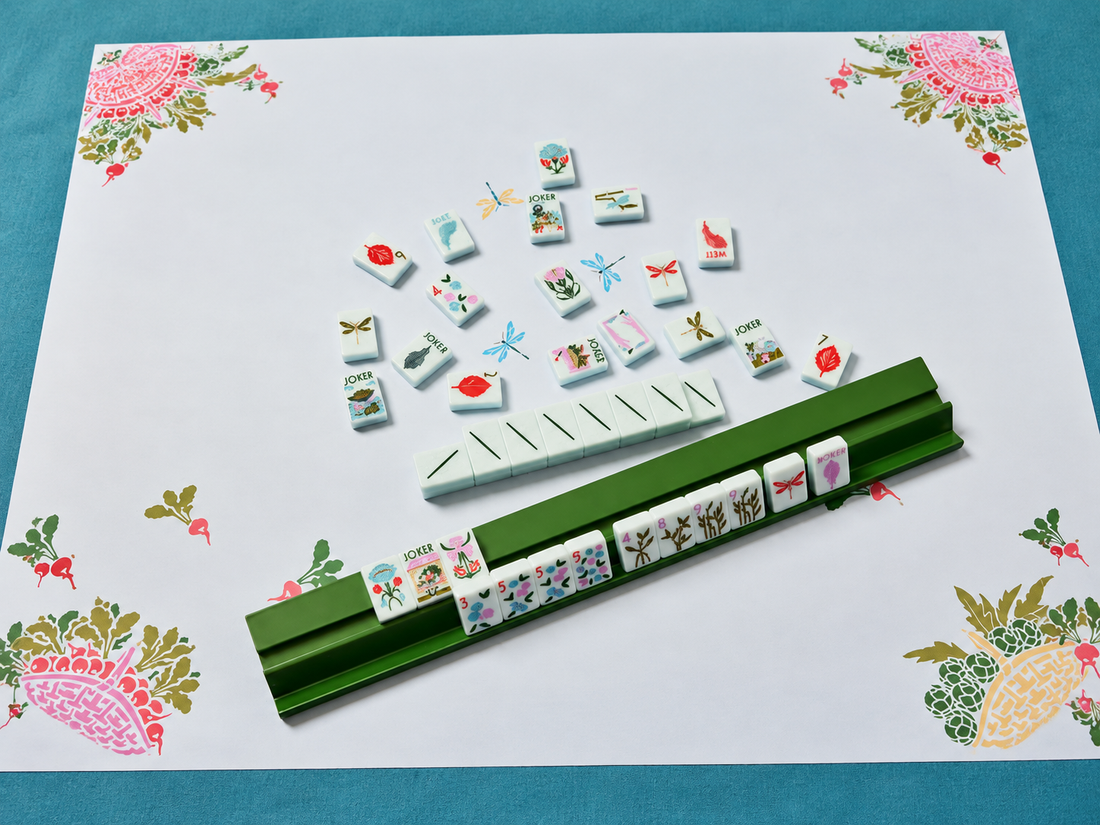
Private-Label Mahjong Collections
Coordinate rack and pusher designs with branded American mahjong tile collections.
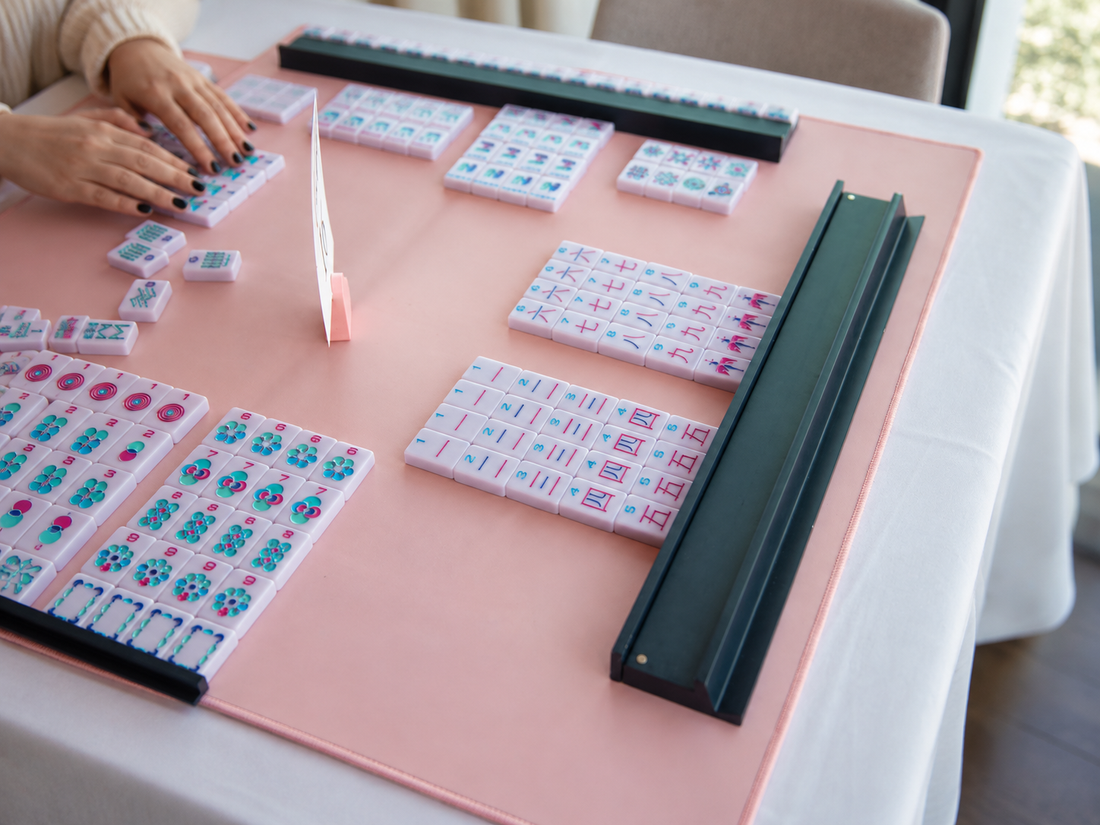
Retail & Wholesale Accessory Lines
Plan matching rack-and-pusher products for retail and wholesale assortments.
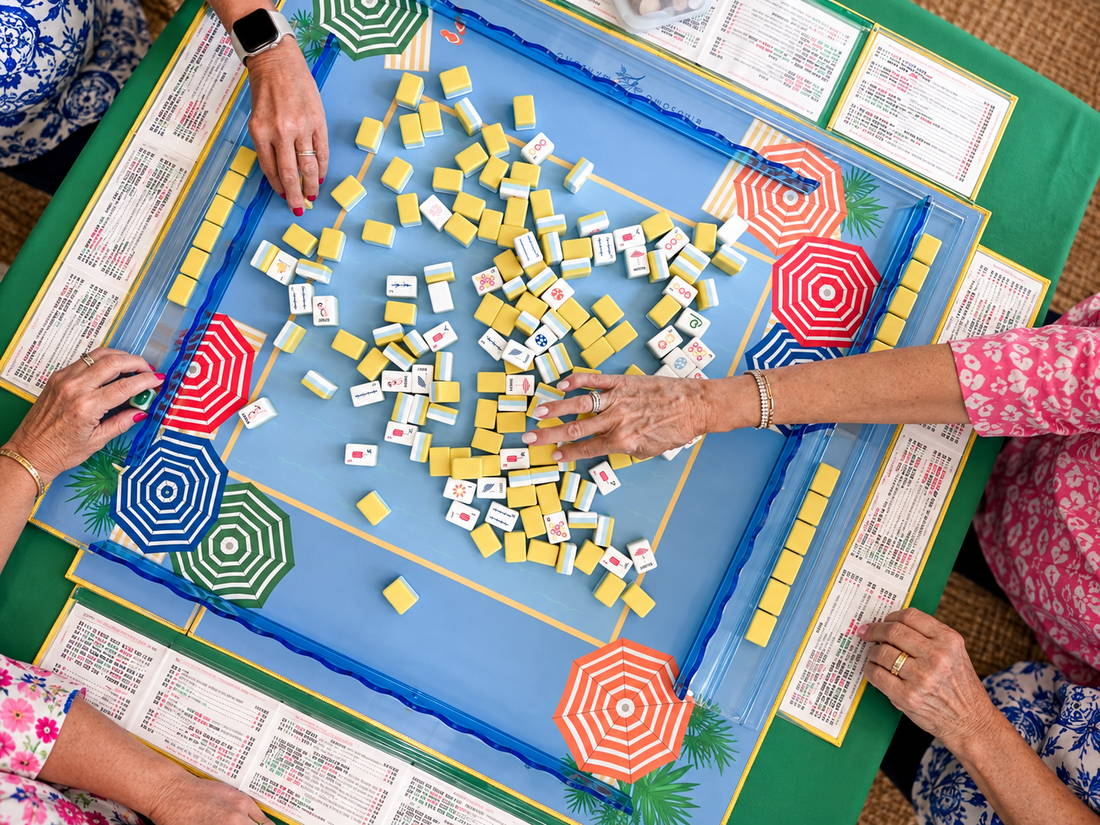
Mahjong Clubs & Classes
Organize consistent player accessories for group games, lessons, and club use.
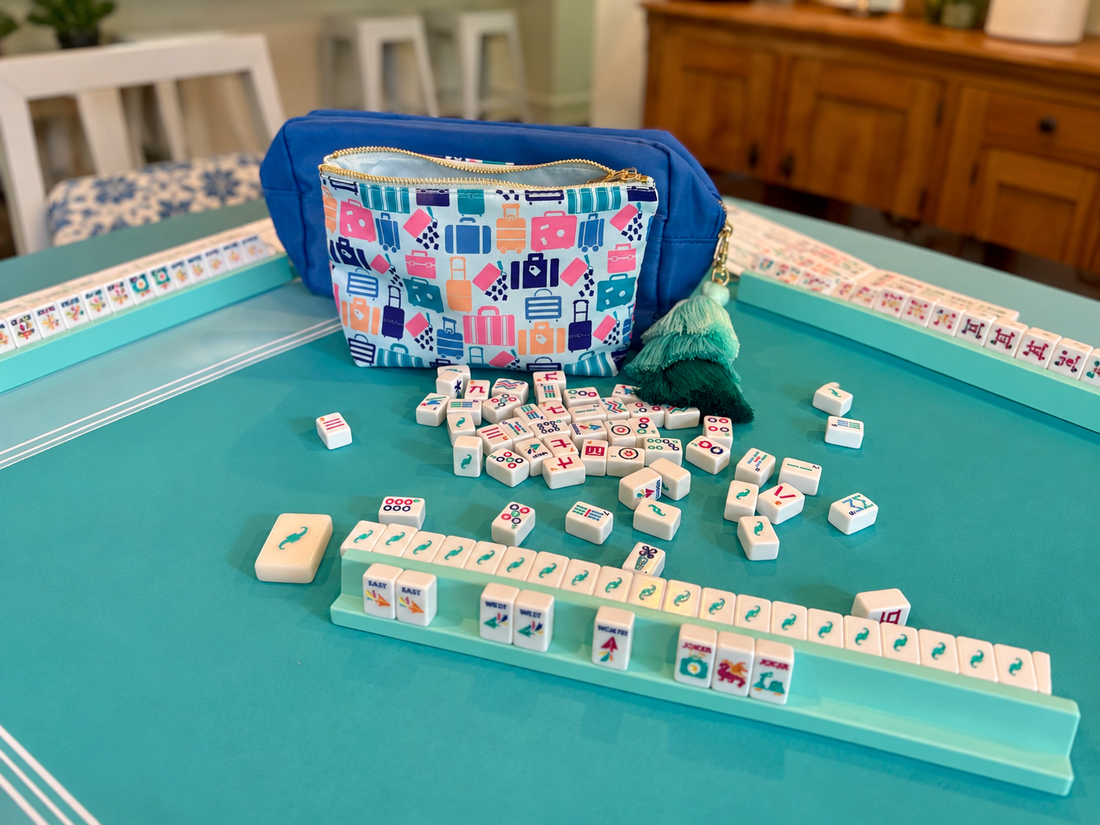
Gift & Coordinated Game Sets
Combine selected rack colors and pusher styles for themed game accessory sets.
Frequently Asked Questions
View All FAQsWhat is the difference between an American mahjong rack and a mahjong pusher?
A mahjong rack supports and organizes the tiles in a player's hand, keeping them upright and visible to that player. A mahjong pusher is used to move a built tile wall across the playing surface during game setup and play. These accessories perform different functions, although some product designs combine them into a coordinated assembly. When ordering, confirm whether the quoted product includes racks, pushers, or both, and whether the components are attached or supplied separately.
Will custom acrylic mahjong racks fit my existing American mahjong tiles?
Compatibility should be checked against your actual tile dimensions rather than the term "standard size" alone. Tile width affects how many tiles fit along the rack, while tile thickness and height influence how the tiles sit against the supporting groove or ledge. Provide the tile measurements and, where possible, a physical reference sample. The rack's usable length, channel profile, and any pusher connections should be reviewed together before approving production.
How long should an acrylic mahjong rack be for a complete player's hand?
The required usable length depends on the width of your tiles and how many need to be held on the rack. For a typical American mahjong hand, checking the fit of fourteen tiles is a useful starting point, while any additional exposed-tile display requirements should be considered separately. Measure the intended tile row and allow for appropriate handling space. The advertised overall rack length may include end structures that reduce the usable tile-holding span, so both dimensions should be confirmed.
Why do the rack groove depth, width, and support angle matter?
A rack needs more than sufficient overall length to hold mahjong tiles correctly. Its groove or supporting ledge must suit the tile thickness and intended position, while the support angle affects how the tiles rest and remain visible to the player. A groove designed for another tile profile may cause the tiles to lean or sit awkwardly. Provide representative tile dimensions and check the loaded rack sample for seating, stability, and convenient removal before approving the final design.
Can mahjong pushers be attached, hinged, or detachable?
Different rack-and-pusher arrangements can be evaluated depending on the intended construction. Some designs use connected or hinged pushers, while others use separate or removable components. The appropriate option depends on connection geometry, movement clearance, material compatibility, and expected handling. Magnetic or other detachable arrangements require their own component and retention checks and should not be assumed available for every design. Provide a reference and describe how the pusher should operate before selecting the configuration.
How should pusher movement and tile-wall stability be checked?
A pusher should be reviewed with the actual tile wall and playing surface intended for the finished product. Check whether its contact edge moves the wall in a controlled manner, whether the length and alignment suit the tile arrangement, and whether any attachment interferes with handling. Surface friction and tile dimensions may affect the movement. The sample should also be checked for uncomfortable edges, unwanted contact, and connection movement where applicable. Specific performance requirements should be agreed before bulk production.
Can custom acrylic mahjong racks and pushers match our tile colors and branding?
Coordinated colors and branding can be considered as part of the accessory design. Provide the mahjong tile color references, preferred acrylic appearance, logo artwork, and any packaging requirements. The rack and pusher may use different component shapes or constructions, which can affect how their finishes appear together. Material availability and the suitable marking or branding method should be confirmed for the selected design. Physical samples are useful when color consistency across the complete collection is important.
How many racks and pushers are needed for a four-player mahjong set, and can they be ordered separately?
A common four-player American mahjong accessory set contains four racks and four matching pushers, one pair for each player. However, wholesale orders may also be planned for rack-only products, separate pushers, or replacement components, subject to the selected design and supply arrangements. Specify whether your quantity refers to individual pieces, matched pairs, or complete four-player sets. The exact contents, colors, hardware, and packaging must be defined in the quotation rather than assumed.
What should be checked on a custom mahjong rack and pusher sample before bulk production?
A physical sample can be discussed before bulk production, with its scope, cost, and preparation time confirmed for the project. Important checks include rack dimensions, usable tile length, groove fit, stability with the intended tiles, and the appearance of exposed edges and surfaces. For pushers, review movement, connection alignment, and operation with the actual tile wall. If a four-player kit is required, verify all component quantities, colors, and packaging details. Approved changes should be recorded in the final specification.
What information is needed for a custom mahjong racks and pushers quotation, MOQ, and delivery estimate?
Please share a drawing or reference image, the intended mahjong tile dimensions, preferred rack length and profile, and the required pusher arrangement. Include acrylic color references, branding artwork, and the quantity for each size or color version. Specify whether you need individual components, rack-and-pusher pairs, or complete four-player sets, together with packaging preferences. The destination country and target date are also useful. MOQ, sampling, pricing, production timing, and shipping can then be evaluated against the agreed project configuration.
Ready to Start Your Display Project?
Share your product, dimensions and quantity to discuss the next step.