

Custom Acrylic
Trading Card Cases
Custom acrylic trading card cases for sports card brands, TCG accessories, and collector merchandise. Explore magnetic closures, screw-fastened designs, multi-card displays, and graded-slab holders, with card fit, construction, branding, and packaging reviewed for each project.
Product Types
View All Acrylic Displays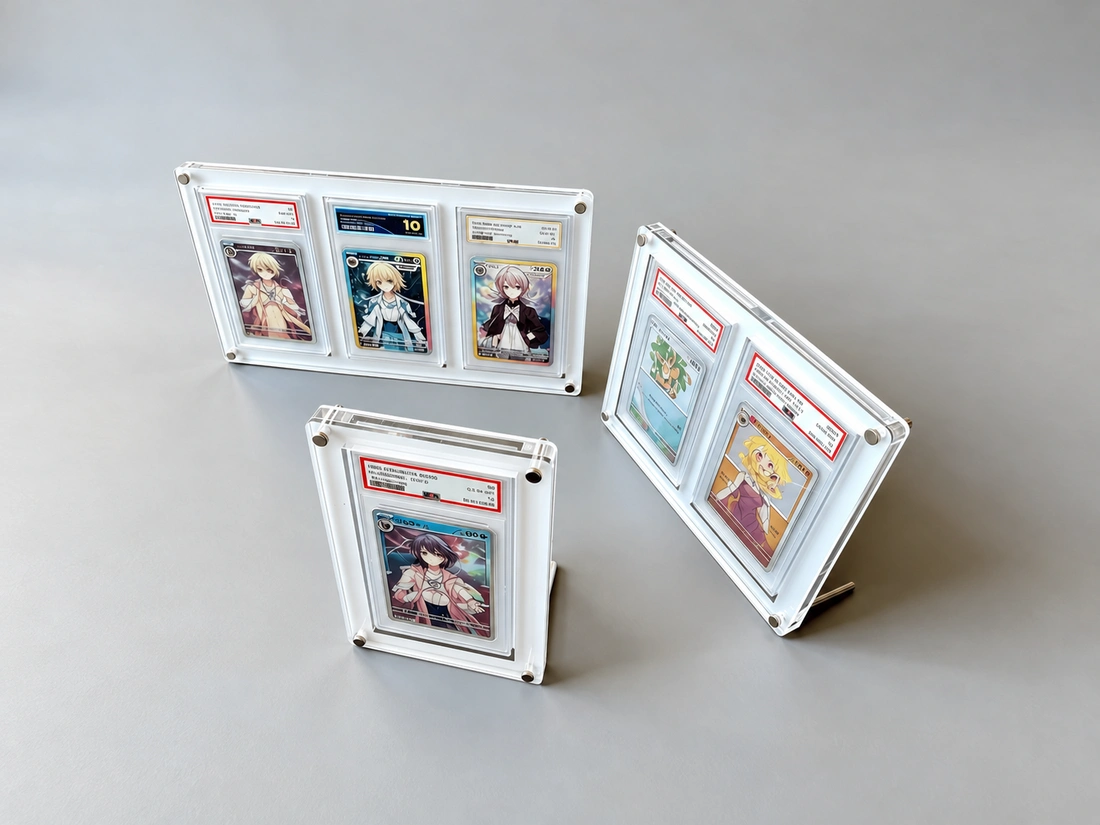
Magnetic-Closure Card Cases
Explore rigid single-card holders with compatible magnetic closure arrangements.
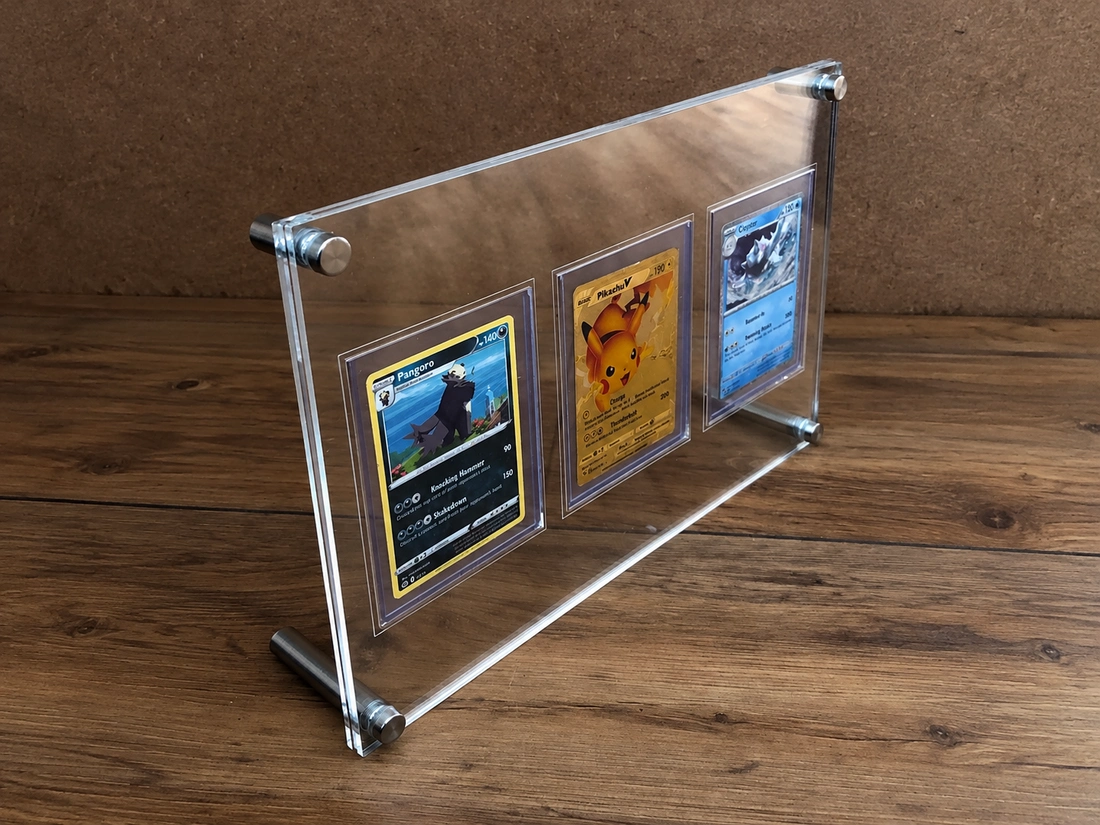
Screw-Fastened Card Cases
Review clear two-piece cases with screw connections and defined card recesses.
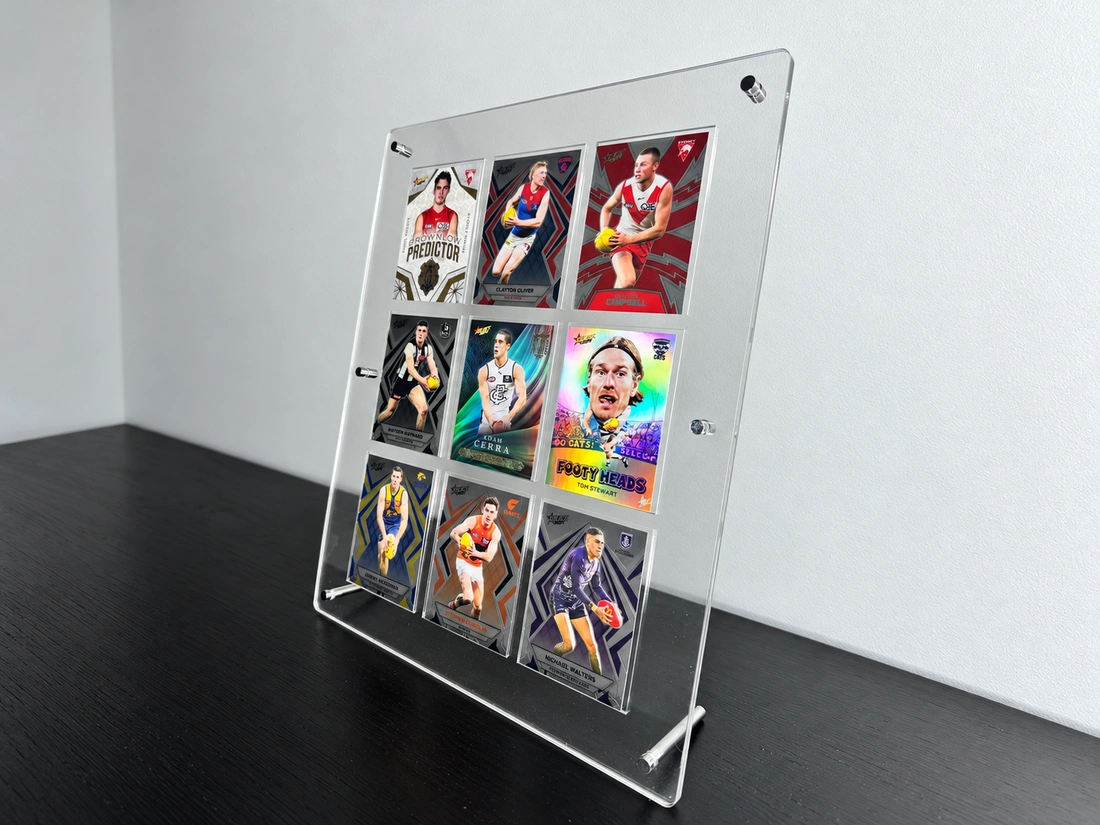
Multi-Card Display Cases
Present several trading cards in coordinated compartments or framed layouts.
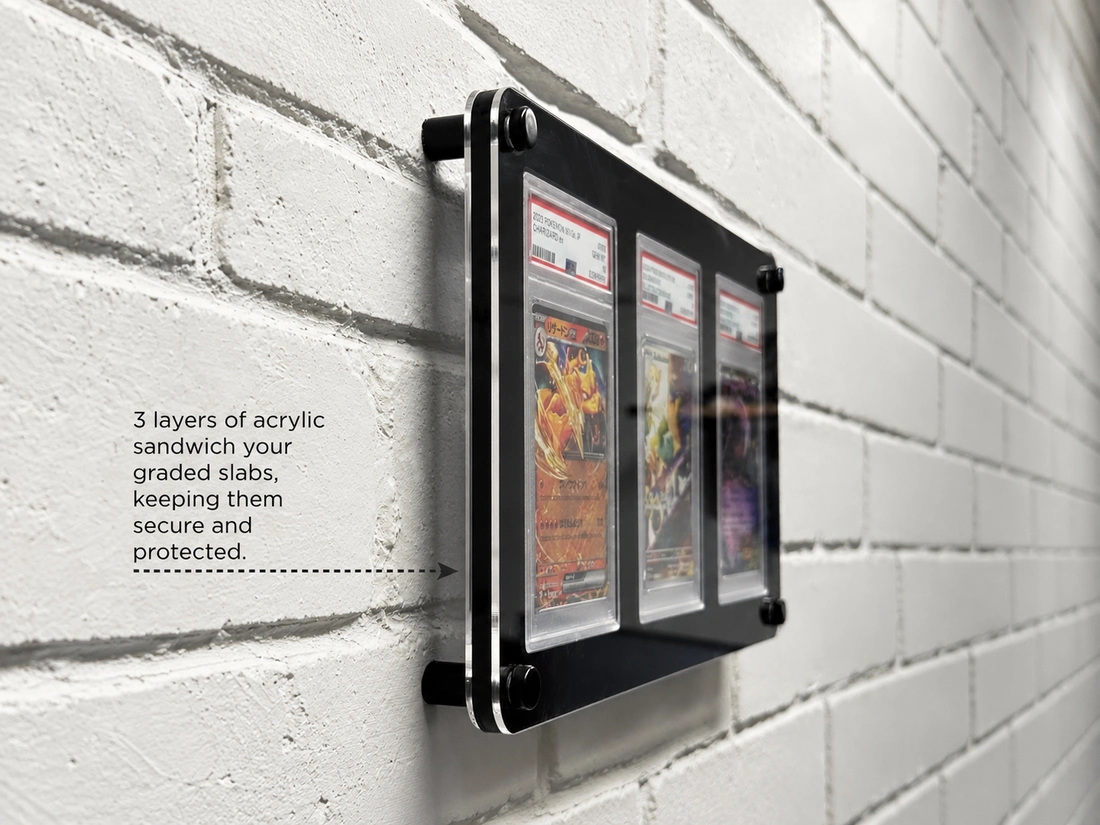
Graded Card Slab Display Holders
Plan external display holders sized around existing graded card slabs.
Customization & Specifications
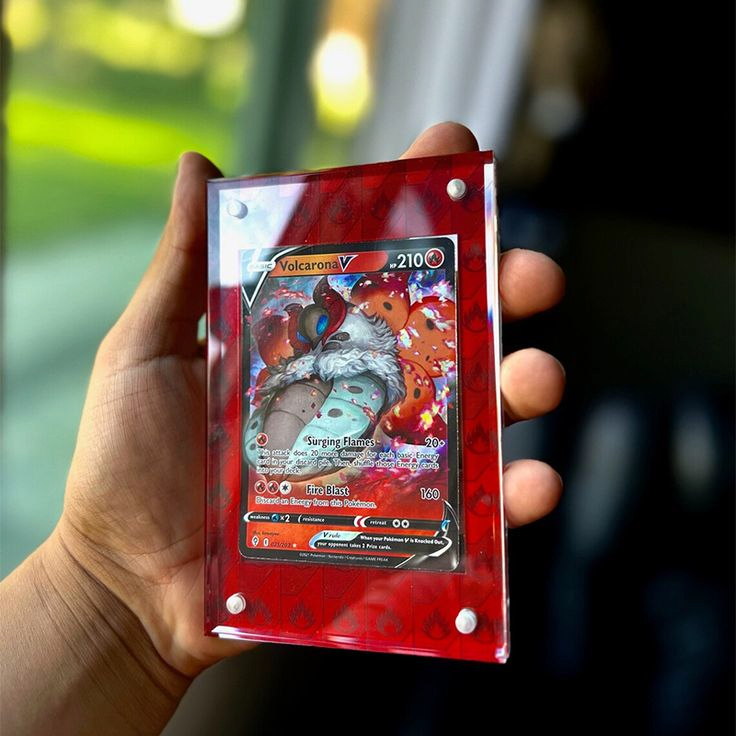
Card Size & Thickness FitMatch the internal cavity to your card dimensions and thickness.
Trading cards vary in width, height, and thickness across sports, gaming, and collectible categories. Specify the exact card dimensions and whether the insert will be bare, sleeved, or already encapsulated. Thickness designations such as 35pt, 55pt, and 130pt refer to card thickness categories, not the thickness of the acrylic case panels. The internal cavity depth, lateral clearance, and corner arrangement should be defined for the actual card or sleeve. Physical references are useful for validating the finished fit.
Closure & Case AssemblyReview magnetic, screw-fastened, and other compatible closures.
The closure should be selected according to the case construction, card access requirements, intended handling, and component availability. Magnetic arrangements and screw-fastened designs involve different hardware, alignment, and assembly considerations. The closing action should not place unintended pressure on the trading card or interfere with its positioning. Any magnets, screws, or additional fittings must be reviewed as part of the complete assembly. The selected closure and sample should be checked for practical opening, closing, and handling.
Acrylic Construction & Card ContactDefine viewing clarity, card recesses, and contact surfaces.
Transparent case materials and panel construction influence the viewing area, surface appearance, rigidity, and overall thickness. PMMA acrylic should be distinguished from other clear plastics that are also used in commercial card holders. A recessed card cavity may help define the card position, but the available clearance, edges, and corner contact points must be considered. If the product requires particular long-term storage properties, material composition and relevant performance evidence must be verified before those characteristics are stated.
Branding, Borders & Display DetailsCoordinate logos, case borders, and card viewing areas.
Custom cases may be reviewed with selected border colors, printed graphics, logos, or presentation features depending on their construction. Branding should not interfere with important areas of the collectible card, such as artwork, printed details, or identification information. Define the viewing window and front-to-back orientation before preparing production artwork. If the case includes a separate stand or display base, provide the intended viewing angle and positioning requirements. Available branding methods and the final appearance should be confirmed by sample.
SKU Versions & Protective PackagingPlan case sizes, hardware, packaging, and version identification.
A wholesale card case collection may contain different cavity depths, card formats, closure types, border colors, or display configurations. Each variation should have its own approved specification, component list, and quantity. Packaging should limit movement and unwanted contact between clear case surfaces, while protecting any small hardware or separate accessories. Specify whether products require individual bags, retail cards, branded boxes, or bulk packing. Packaging dimensions and labeling should be reviewed for each SKU.
Applications
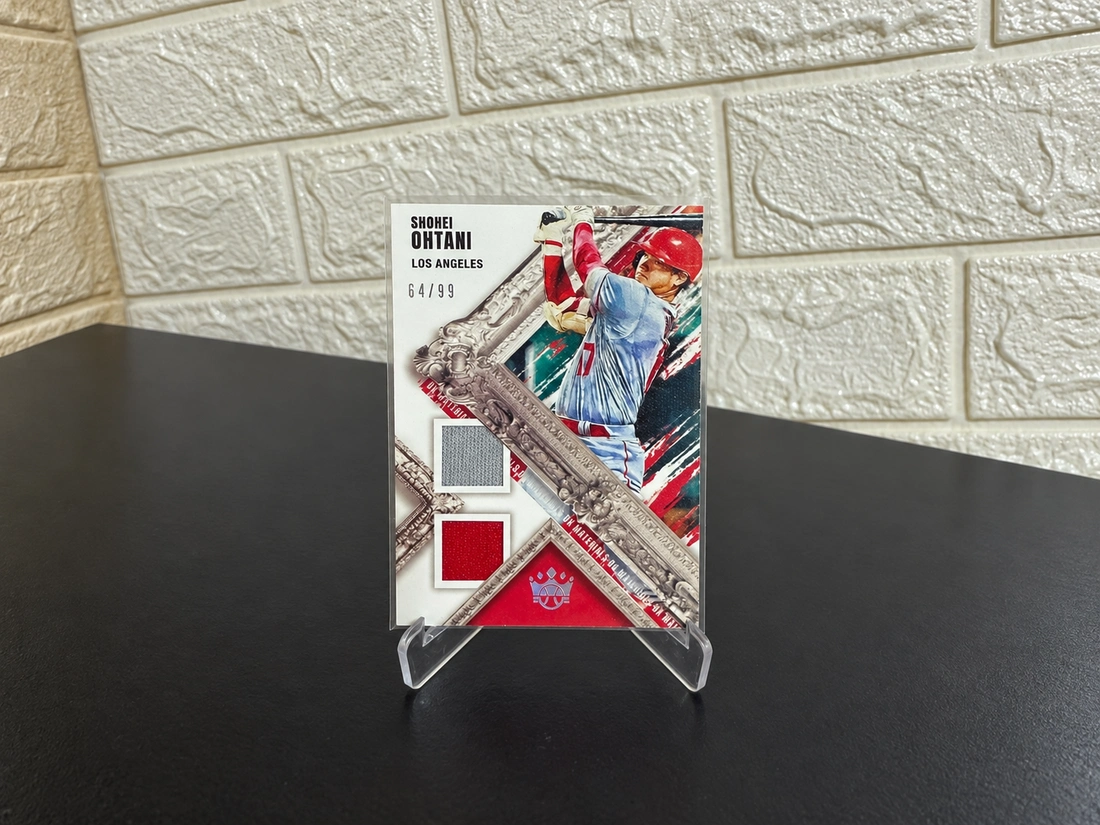
Sports Card Collections
Develop rigid case formats for sports cards with defined sizes and thicknesses.
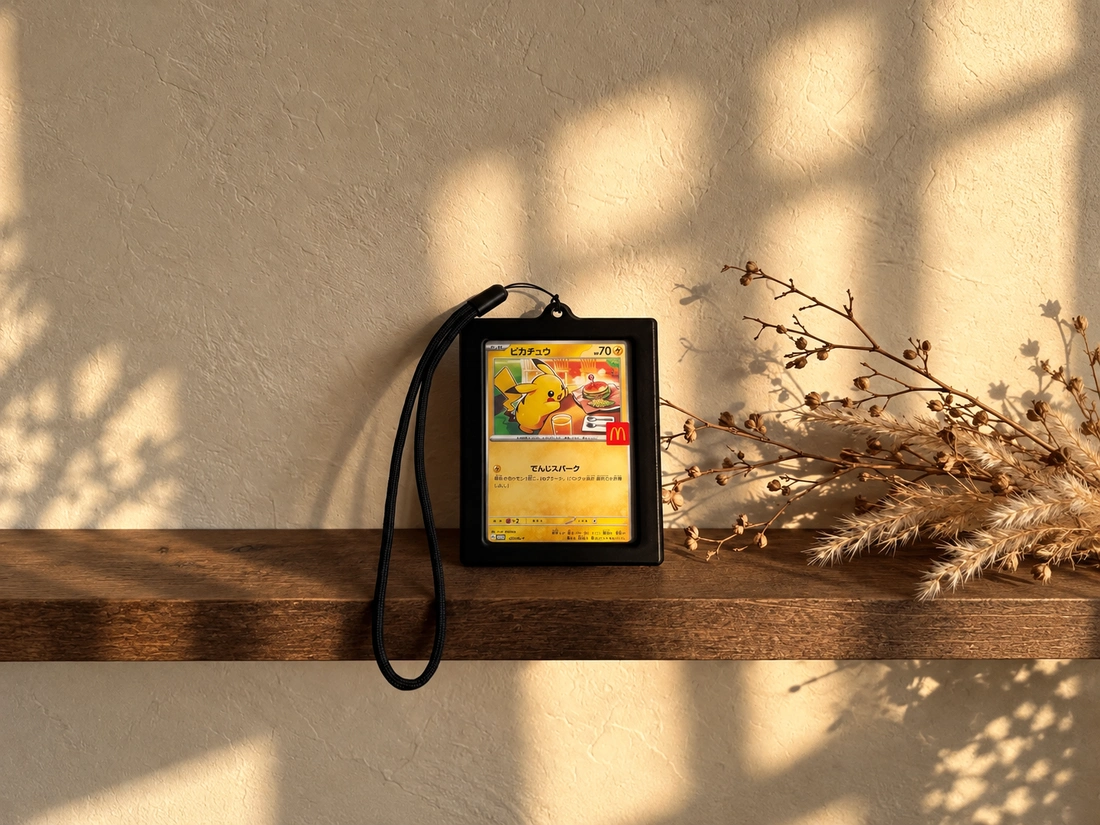
TCG Collector Accessories
Plan card cases and display products for gaming and collector merchandise ranges.
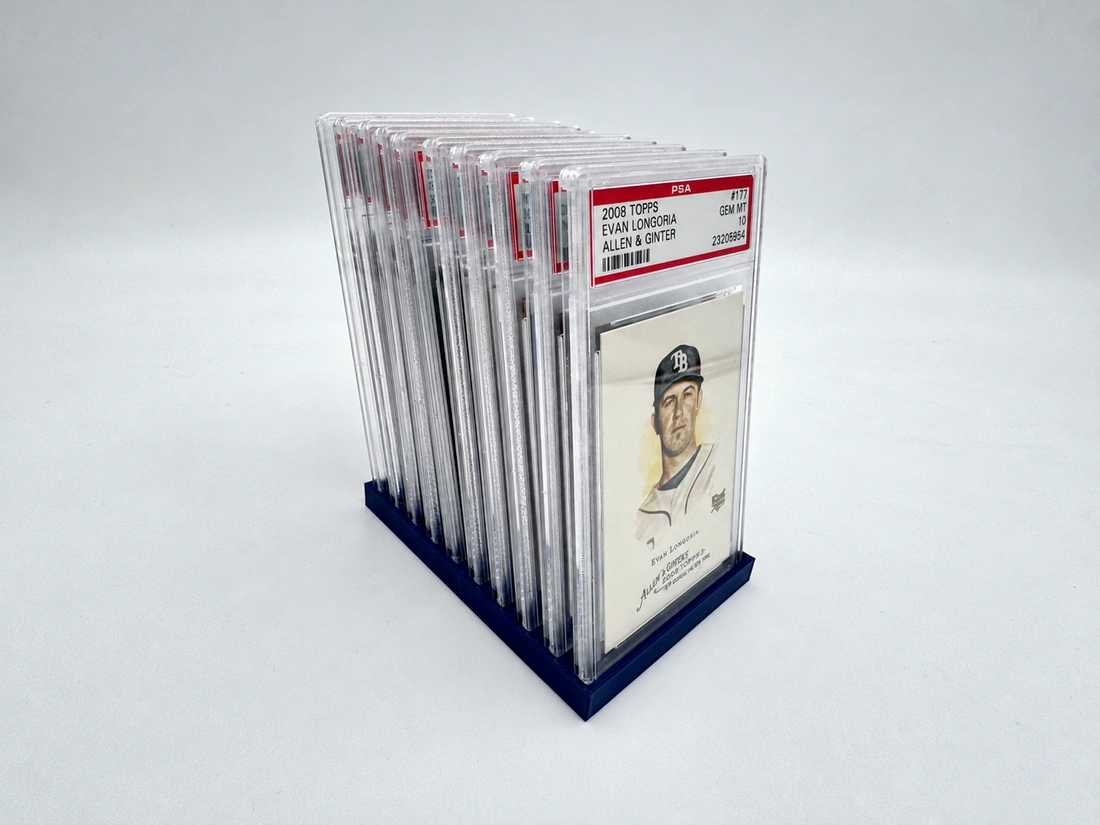
Graded Card Presentation
Review display holders for existing graded card slabs and collectible presentation.

Retail & Wholesale Programs
Coordinate card case specifications, branding, and packaging across wholesale SKUs.

Frequently Asked Questions
View All FAQsWhat is the difference between a trading card case, a toploader, and an acrylic photocard holder?
A trading card case typically uses a rigid enclosure designed around the dimensions and thickness of a collectible card. A toploader is a rigid sleeve into which a card is inserted, while an acrylic photocard holder may focus on carrying or displaying fan photocards through an open or accessible insert structure. These products can serve overlapping purposes but use different constructions and fit requirements. The correct option depends on the actual card format, any protective sleeve, how frequently the card will be removed, and the intended display or storage conditions.
How do I choose a trading card case for 35pt, 55pt, 130pt, or other card thicknesses?
Card thickness designations describe the card rather than the case wall. Many sports and gaming cards use a standard width and height, but their thickness can vary substantially. A case intended for a thin card may not provide sufficient cavity depth for a thicker patch or memorabilia card. Conversely, excessive clearance may allow a thin card to move. Provide the measured card width, height, and thickness, along with the intended protective sleeve arrangement. The internal recess and sample fit should be confirmed for each specified format.
Can a trading card be kept inside a protective sleeve when placed in a rigid case?
Sleeve compatibility depends on the internal dimensions and construction of the specific case. Some rigid holders are designed for bare cards, while others provide additional space for a card inside a compatible soft sleeve. A standard toploader is a separate protective component and should not be assumed to fit inside a single-card case. Measure the combined card-and-sleeve dimensions rather than relying only on the card's nominal size. Confirm the intended insert type and check the physical fit before approving the cavity specification.
What is the difference between magnetic-closure and screw-fastened trading card cases?
Magnetic-closure cases use a compatible closure arrangement to keep the case components together, while screw-fastened cases use hardware to secure the assembled panels. These approaches differ in how the case opens, how components are aligned, and how the closure is assembled or serviced. Neither method automatically guarantees better protection or a completely sealed enclosure. The selected construction should be reviewed for card clearance, closure operation, hardware security, and intended handling. Actual performance must be confirmed through the proposed sample.
Why are recessed card cavities and corner clearances important?
A recessed cavity helps define where the trading card sits inside the holder. Its dimensions should allow the card to fit without excessive movement or unwanted pressure. The design around the card corners is also important because poorly positioned contact points or excessive clamping may affect the card edges. A flat, non-recessed holder should not automatically be treated as equivalent to a properly sized cavity. The intended card or sleeve should be checked in a finished sample, including the assembled closure and contact surfaces.
Are custom acrylic trading card cases UV-protective, acid-free, or archival-safe?
These properties cannot be assumed from the word "acrylic" or from the appearance of a transparent case. UV-blocking performance depends on the specific material formulation and any relevant treatment, while claims about acid-free or archival suitability require appropriate information about the complete construction and contact materials. Commercial card holders may use PMMA, polystyrene, or other plastics with different specifications. If a particular preservation requirement is important, identify it before selecting the material and request supporting supplier documentation or suitable evaluation.
Can trading card cases have custom colored borders, logos, or display stands?
Branding can be considered through selected case border colors, printed details, labels, or additional presentation components, depending on the design and production method. The visible card area should remain clear enough for the intended presentation. If a separate display stand is needed, its support arrangement should be reviewed against the case dimensions and weight. Provide your logo artwork, color references, and preferred viewing layout. Available branding methods and the final assembled appearance should be confirmed before approving bulk production.
Can custom cases be designed to display cards already sealed in graded slabs?
External display holders can be evaluated for graded cards that are already encapsulated, but the outer dimensions of the actual slab must be supplied. Grading companies may use different holder sizes and construction versions, so a universal fit should not be assumed. An external display case does not authenticate, grade, or replace the original grading holder. Provide a physical slab or precise exterior measurements, including thickness and any protruding features. The finished display should be checked for fit, access, and support without interfering with the original enclosure.
What should be checked on a trading card case sample before bulk production?
Sample approval should cover the finished exterior dimensions, internal cavity width and height, recess depth, surface clarity, and the alignment of the assembled components. Test the case using the exact card, sleeve, or graded slab specified for the order. Check whether the card can be inserted and removed as intended without excessive force, contact pressure, or unwanted movement. Closure operation, hardware retention, edge finish, branding, and retail packaging should also be reviewed. Required protection or durability checks must be agreed separately.
What affects MOQ, pricing, packaging, and delivery time for custom trading card cases?
MOQ and pricing depend on the case material, dimensions, cavity depth, construction, closure hardware, branding, accessories, and order quantity. Different card thicknesses, colors, or closure types may require separate setup and sample approval. For a quotation, provide the intended card dimensions and thickness, sleeve or slab requirements, case reference, closure preference, quantity per SKU, branding artwork, packaging details, destination, and target date. The available manufacturing method, MOQ, production schedule, sample cost, and shipping terms can then be evaluated for the project.

Ready to Start Your Display Project?
Share your product, dimensions and quantity to discuss the next step.