

Custom Acrylic
Standees
Custom acrylic standees for character merchandise, artist collections, branded gifts, and retail programs. Explore printed figures, double-sided designs, custom bases, and multi-piece sets, with artwork, assembly, and packaging reviewed for each project.
Product Types
View All Acrylic Displays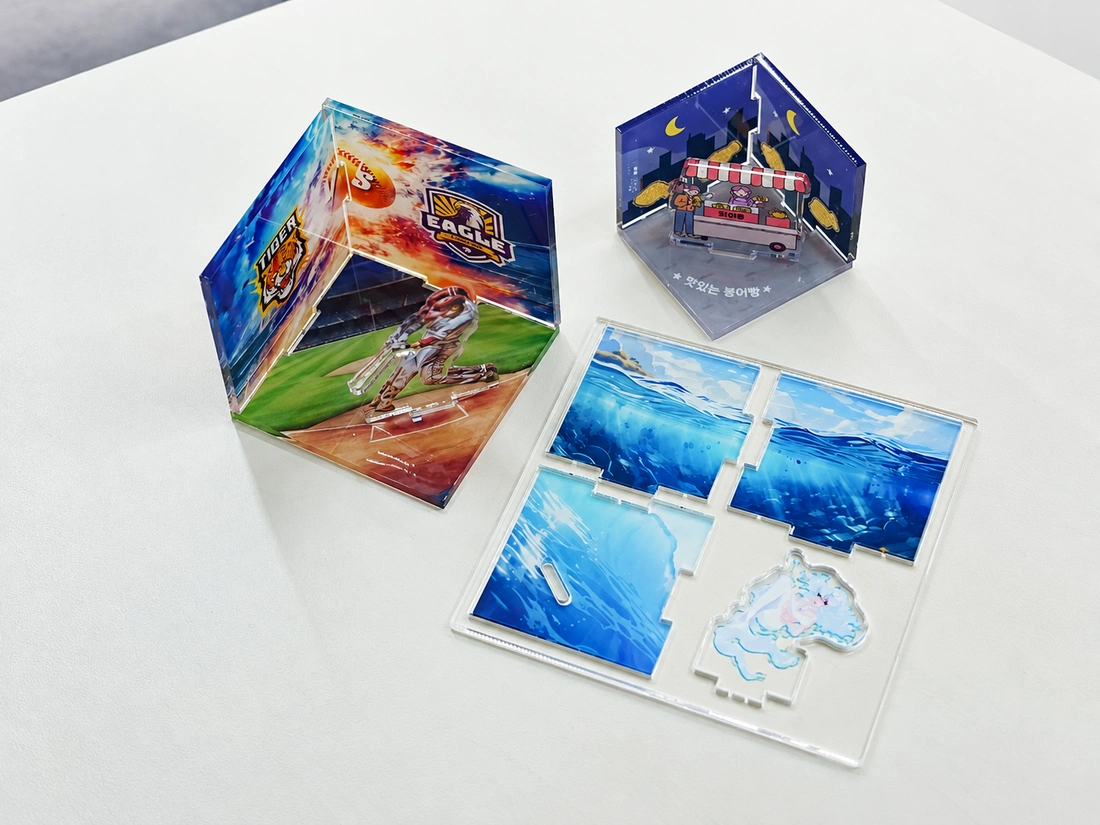
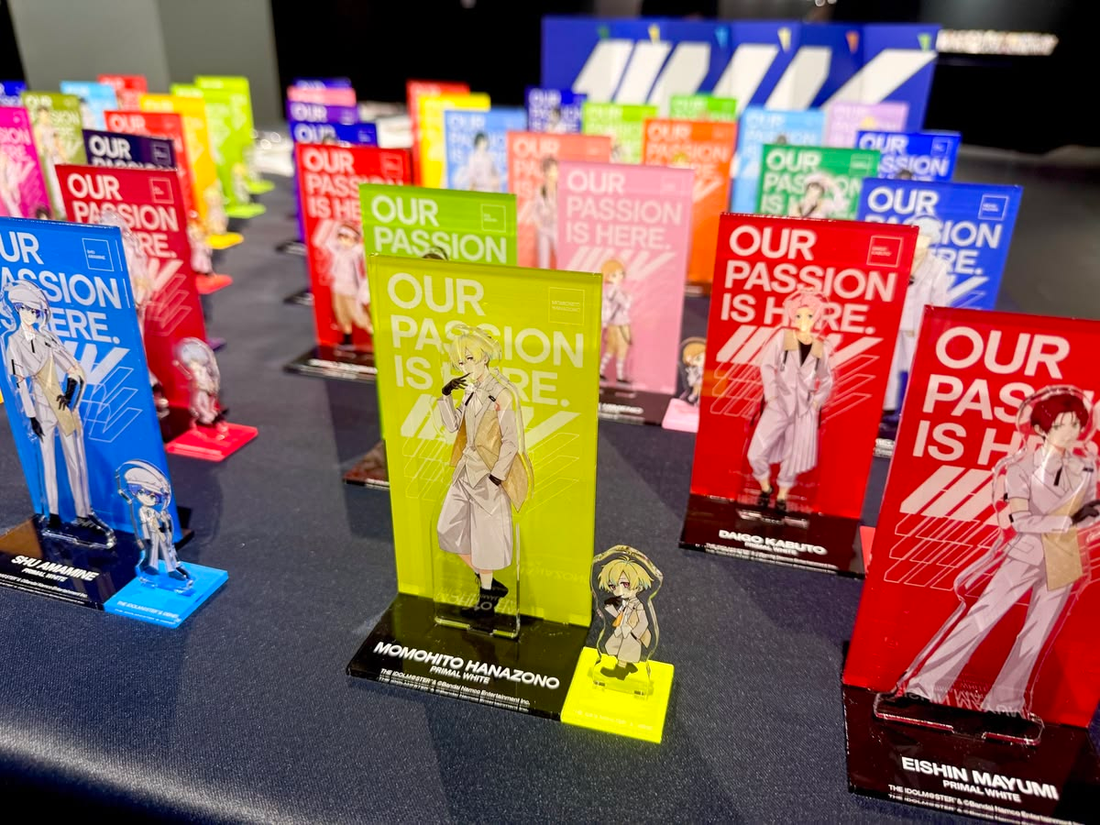
Single-Character Acrylic Standees
Display individual characters or mascots with custom-cut silhouettes and matching bases.
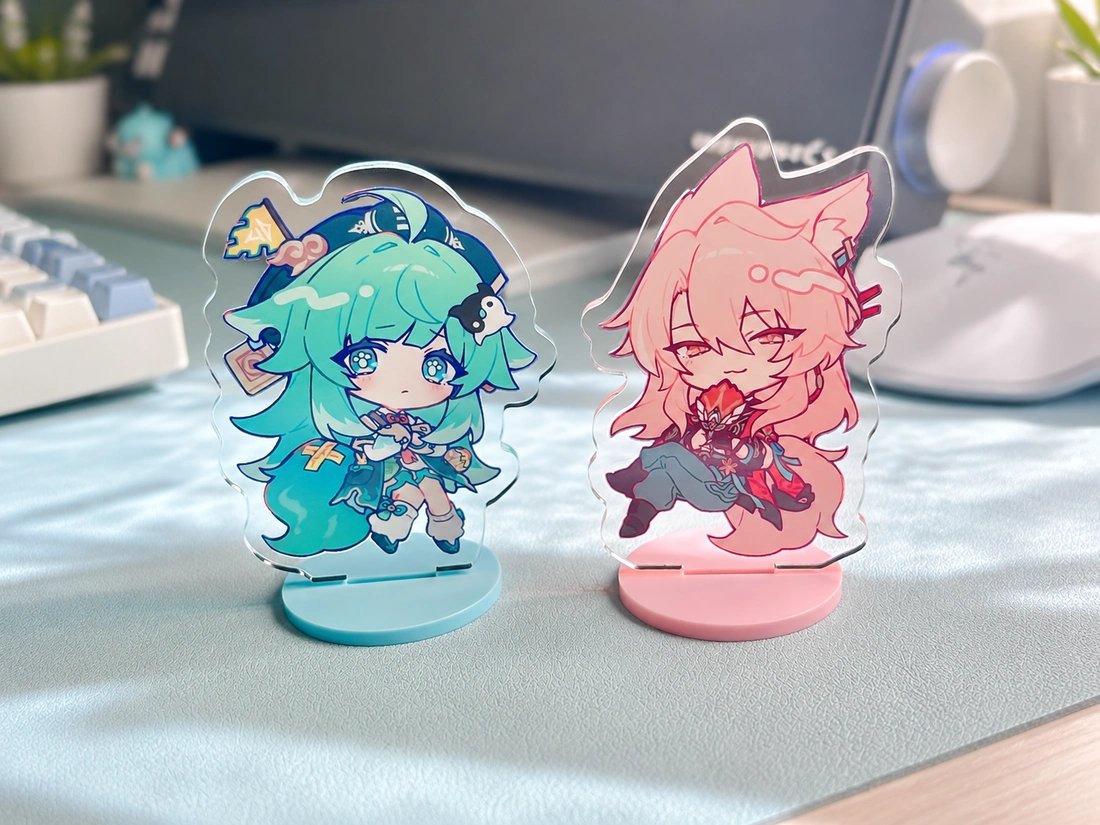
Double-Sided Acrylic Standees
Present coordinated or different artwork on the front and back of each standee.
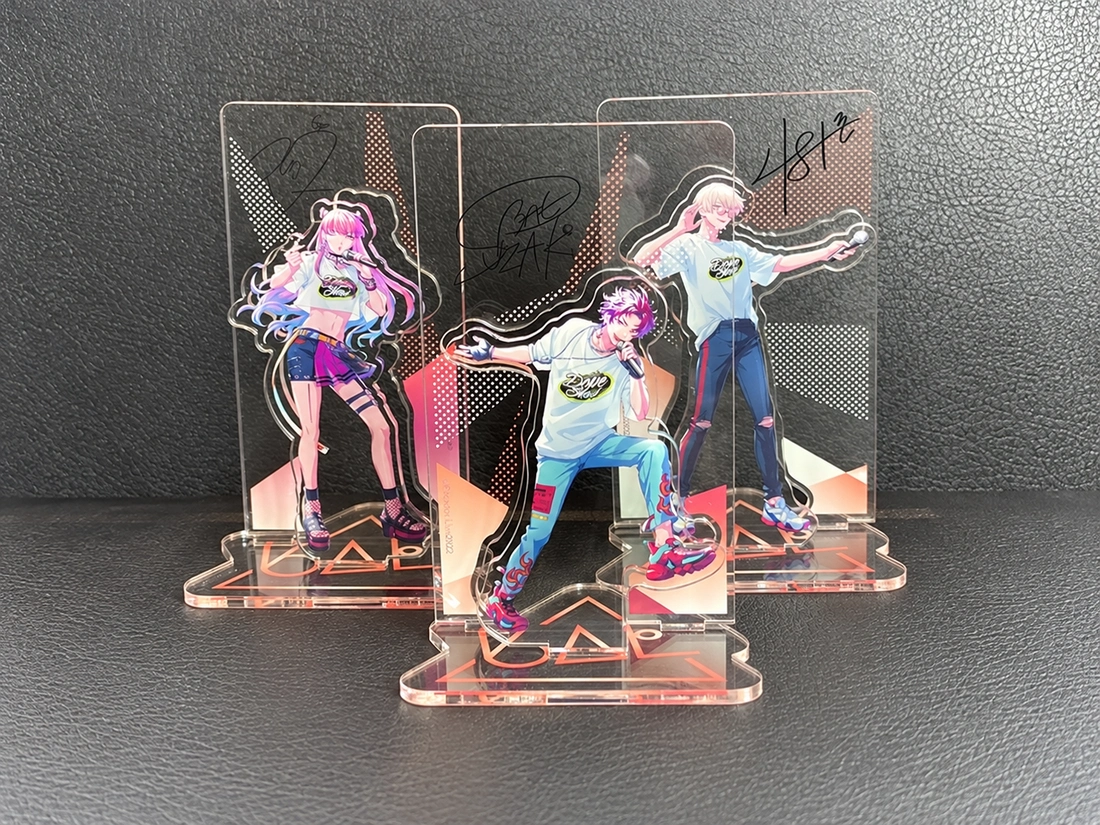
Multi-Piece Scene Standees
Arrange multiple acrylic figures or decorative panels into a coordinated display scene.
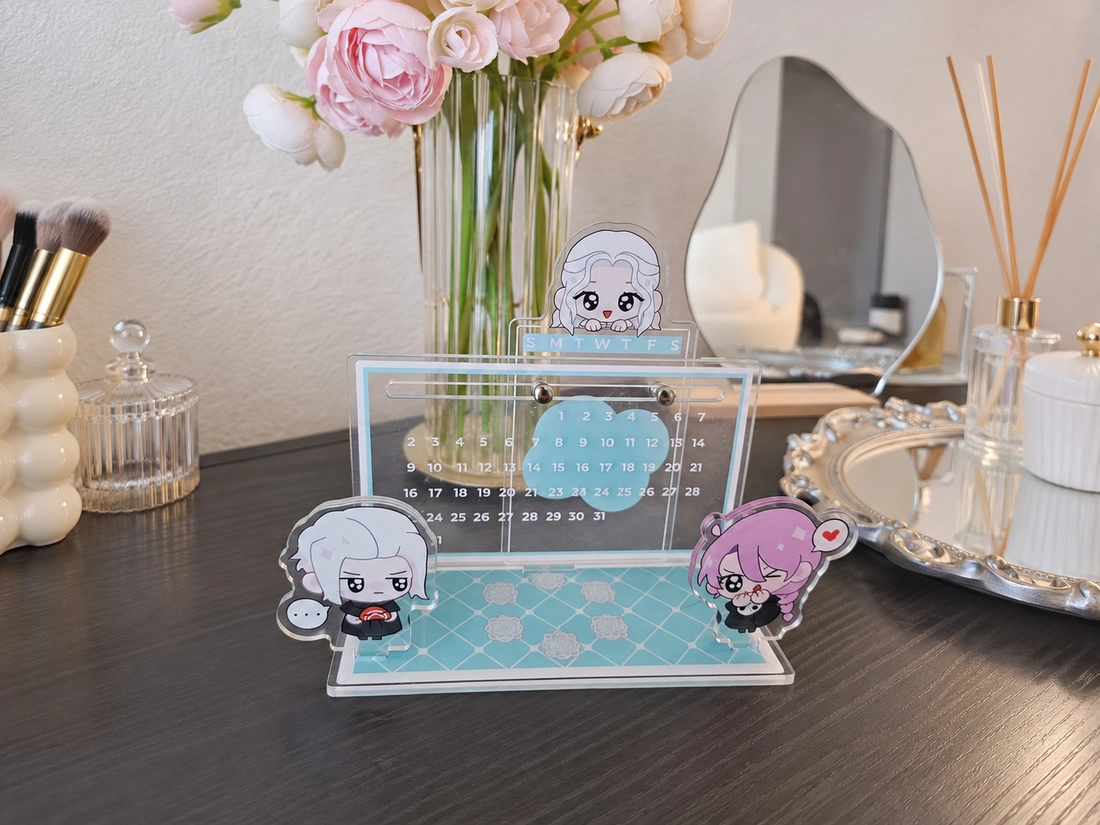
Custom-Base Acrylic Standees
Explore shaped or printed bases designed around the standee artwork and stability requirements.
Customization & Specifications
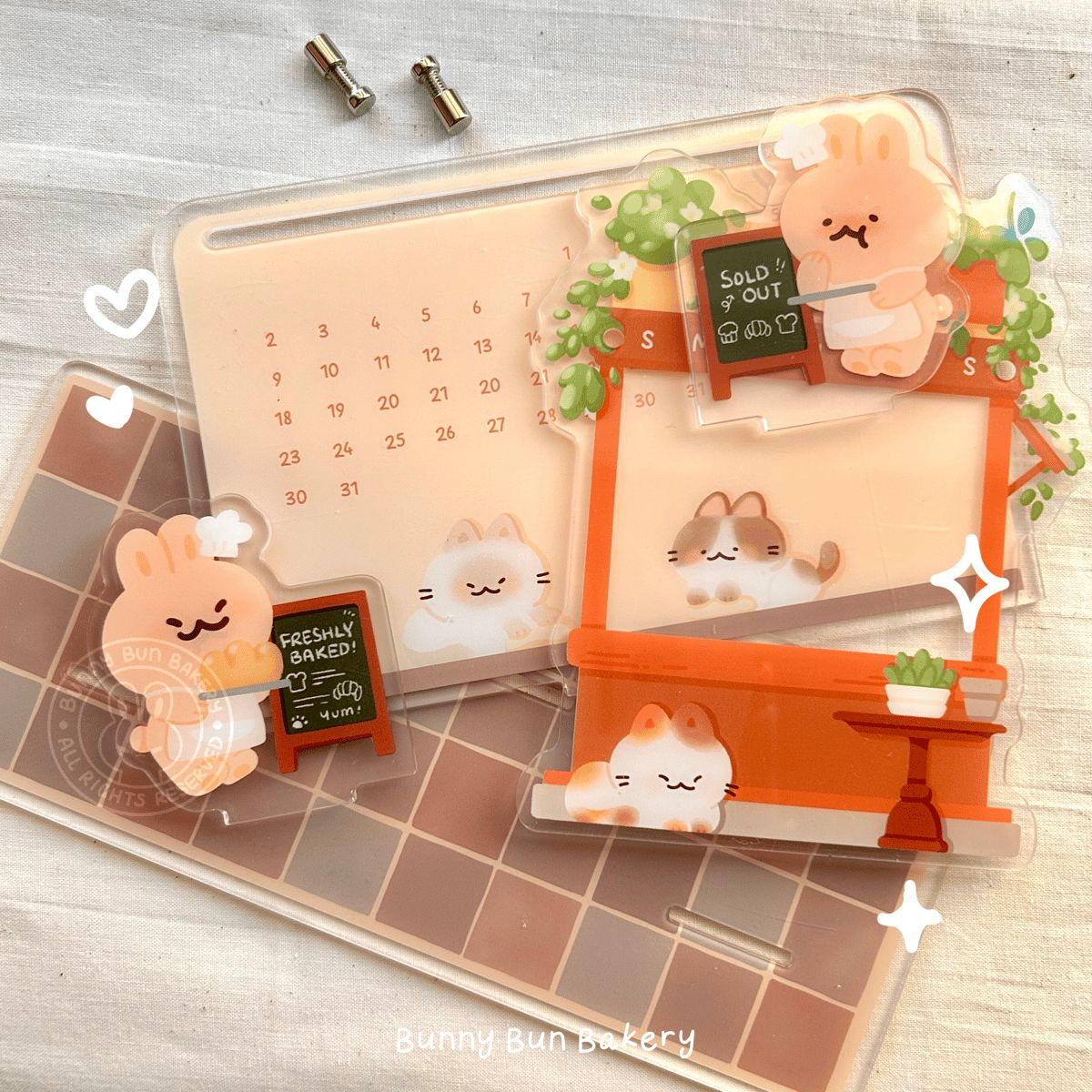
Artwork & Print LayersPrepare front and back graphics, white ink, and transparent areas.
Acrylic standee artwork should identify the visible front design, any required back design, and the areas intended to remain transparent or opaque. White ink can affect color appearance and visibility on clear acrylic, depending on the selected printing method. Double-sided artwork also requires careful attention to orientation, text, and possible show-through. Provide editable artwork or clear reference files and identify each intended print layer. The final production artwork and printing construction should be confirmed before sample approval.
Cut Shape & Finished SizeDefine the standee silhouette, overall dimensions, and small details.
The finished standee size should be based on the complete cut outline rather than only the printed character artwork. Narrow projections, sharp corners, thin accessories, and complex internal shapes may require adjustment for the selected material and cutting process. Identify the intended height and width, viewing direction, transparent border, and any details that must remain visible. The bottom attachment tab should be planned together with the main contour instead of added as an unrelated shape.
Base Slot & StabilityMatch the standee tab, base slot, and support footprint.
The main acrylic panel and its base must be designed as a compatible assembly. The tab dimensions, slot width, material thickness, insertion direction, and base footprint all affect the finished fit. A slot that is too tight may make assembly difficult, while a loose connection can cause leaning or movement. Tall or asymmetrical silhouettes may require additional attention to center of gravity and support position. The assembled sample should be reviewed for fit, stability, and practical handling before production approval.
Acrylic Material & Edge FinishReview thickness, transparency, color, and exposed edge appearance.
Clear acrylic is commonly considered for printed character standees, while tinted, opaque, or other suitable appearances may be reviewed depending on the design. Material thickness affects the panel weight, visible edge profile, and tab-to-slot compatibility. Surface appearance and edge finishing should also be considered around the selected shape and intended handling. Provide any material or color references, and confirm actual availability and finishing methods for the proposed construction.
Design Sets & Retail PackagingOrganize multi-design SKUs, bases, inserts, and protective packing.
Projects containing several characters, artwork versions, or standee sizes should define each design and its matching base separately. Provide the quantity for each SKU, the required number of upright pieces, and any shared or individual base arrangements. Packaging should protect printed surfaces, thin projections, slots, and separate acrylic components during transportation. Specify whether the upright and base should be packed separately, together as a set, or with branded backing cards, labels, or retail boxes.
Applications
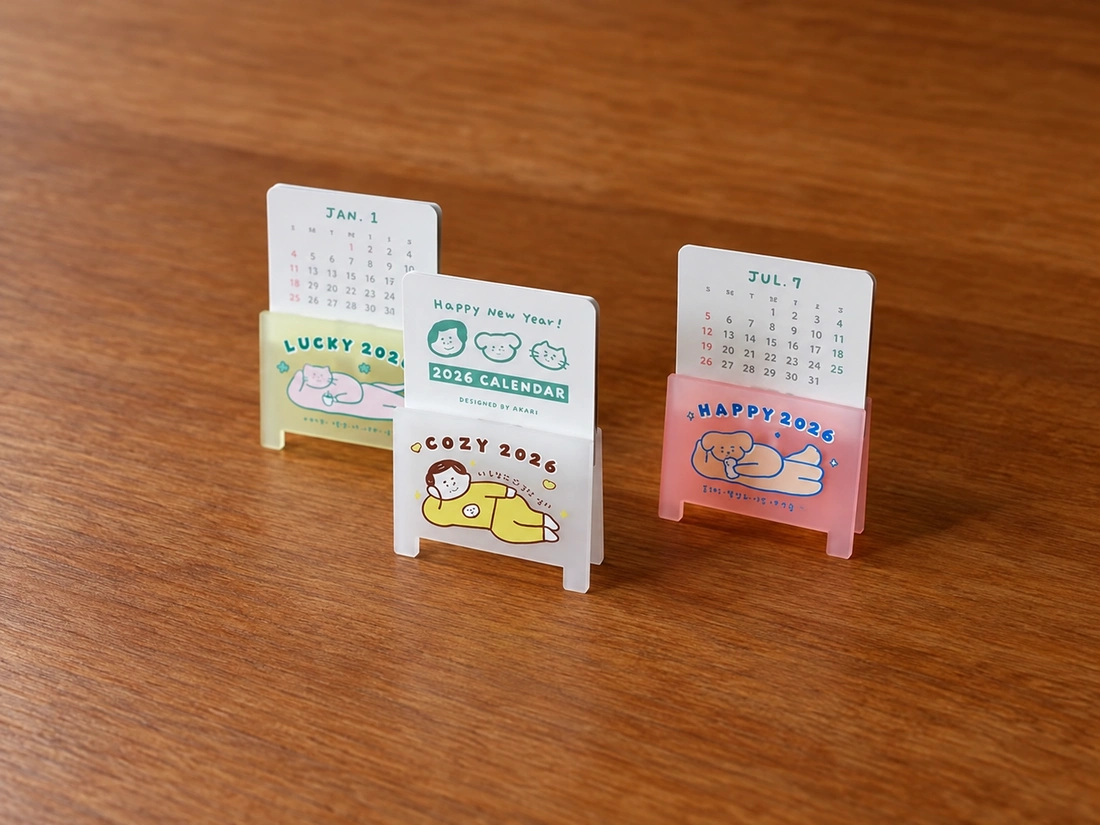
Anime & Character Merchandise
Develop original or properly licensed character standees for merchandise collections.
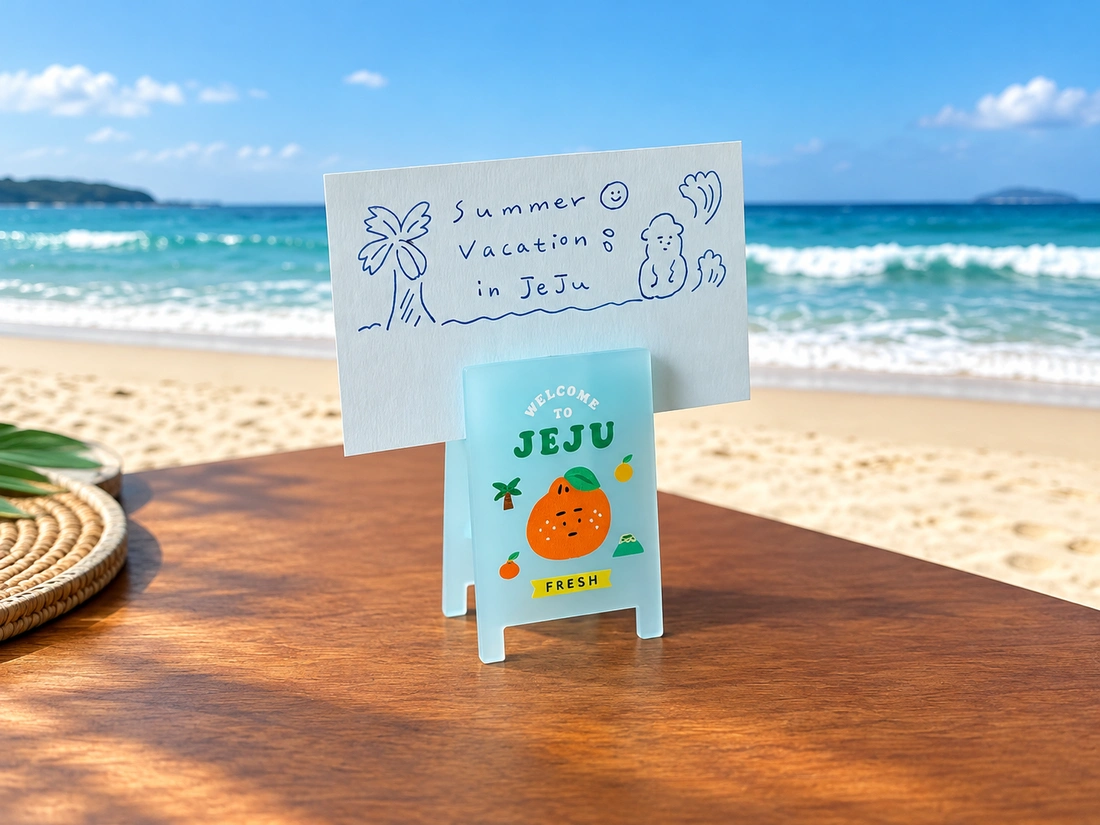
Artist & Creator Collections
Present original illustrations and creator artwork as collectible tabletop displays.
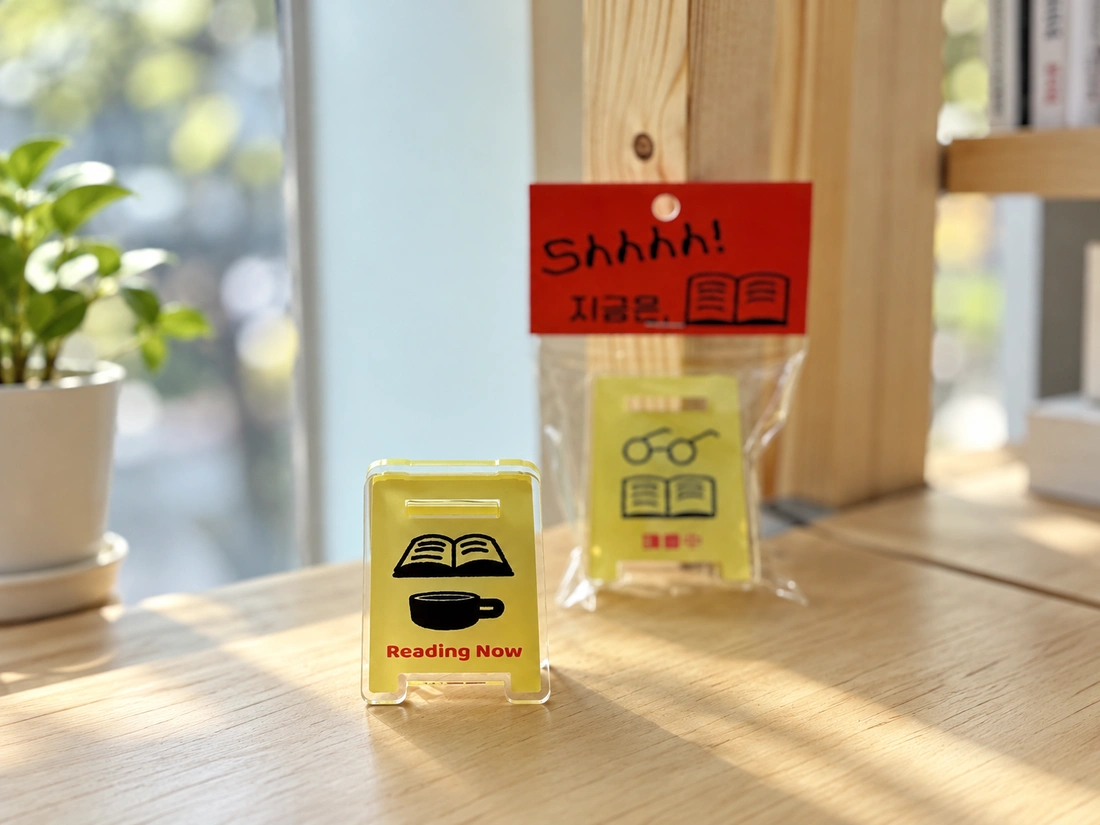
Retail & Pop-Up Merchandise
Plan coordinated character standees for themed retail assortments and events.

Souvenirs & Branded Gifts
Create mascot, destination-themed, and branded acrylic standee collections.
Frequently Asked Questions
View All FAQsWhat is the difference between a custom acrylic standee and an acrylic keychain?
An acrylic standee is designed to stand upright on a base for tabletop, shelf, or retail presentation. An acrylic keychain is generally intended to hang from a ring, chain, or other attachment. Both may use printed acrylic and custom-cut shapes, but their structural requirements differ. A standee needs a compatible base, attachment tab, and stable assembled configuration. When preparing artwork, identify whether the product should stand, hang, or serve both functions, as the final construction may need to be reviewed separately.
How should I choose the finished size and shape of a custom acrylic standee?
Start with the intended display location, viewing distance, character proportions, and available space. The finished dimensions should include the complete cut outline, not just the printed artwork area. Thin projections, narrow connections, sharp corners, or highly detailed contours may need adjustment for the selected material and cutting process. The position of the base tab should also be considered when defining the overall silhouette. Provide your target height, width, and artwork so the complete design can be reviewed before production.
How are the acrylic standee tab and base slot designed to fit together?
The tab and slot must be specified as matching components. Their fit depends on the actual acrylic thickness, the tab geometry, slot dimensions, manufacturing tolerances, and intended insertion direction. A tight fit may make assembly difficult or place unwanted stress on the acrylic, while a loose fit can cause wobbling or leaning. The base should also provide enough support for the assembled standee. A physical sample should be assembled and removed to check that the connection works as intended before approval.
How do I prevent a tall or asymmetrical acrylic standee from tipping over?
Stability depends on the height, weight distribution, silhouette, tab position, and base footprint. A character with a wide accessory, extended arm, or offset shape may place its center of gravity away from the middle of the base. Increasing the base size or reviewing the support position may help, but the correct design depends on the complete assembly. Provide the intended finished dimensions and viewing orientation. The proposed standee should be checked in its assembled condition on the expected display surface.
Can acrylic standees have different artwork on the front and back?
Different front and back designs can be considered, but both sides must be prepared with the correct orientation and printing requirements. Simply mirroring the front image may reverse text, logos, or directional details when viewed from the back. Transparent acrylic may also allow parts of one side to show through the other. Provide separate front and back artwork when different images or readable text are required. The print-layer arrangement and actual appearance should be checked during proof and sample approval.
How do white ink and transparent areas affect acrylic standee printing?
White ink can be used behind selected artwork to influence opacity and color appearance on clear acrylic, depending on the printing construction. Areas without white backing may appear more transparent or translucent. The position of the white layer can also affect how graphics appear from the opposite side. Provide a clear indication of which areas should remain transparent, show printed color, or appear opaque. The available print method, layer order, and final appearance should be confirmed for the selected design.
Can one acrylic standee set include several characters or decorative scene pieces?
A multi-piece standee set can be planned with separate character panels, backgrounds, or decorative elements, depending on the proposed structure. Each upright piece should have a defined size, cut outline, tab, and compatible base or slot position. The arrangement should also account for overlapping artwork, viewing angles, center of gravity, and assembly order. Provide a complete component list and a layout showing how the pieces should fit together. The actual assembly and stability should be reviewed through a representative sample.
Should acrylic standees be packaged assembled or with the bases separated?
Packaging should be selected according to the standee structure, product dimensions, surface protection, and retail requirements. Packing the upright panel and base separately may reduce the assembled volume and help protect exposed tabs or printed surfaces, but it also requires clear component matching and assembly instructions where appropriate. Assembled packaging may be considered for suitable designs, with additional attention to movement and support during shipment. Specify the intended retail presentation and destination so the packing arrangement can be reviewed.
What should I check on a custom acrylic standee sample before bulk production?
Sample approval should cover the finished dimensions, cut contour, print colors, artwork alignment, transparency, white ink appearance, edge quality, and front-to-back orientation. The upright panel and base should be assembled together to check insertion fit, alignment, and stability. For multiple-piece designs, confirm every component, its intended position, and the complete assembled scene. Packaging and SKU identification should also be reviewed. Any changes should be recorded against the approved production artwork and component specifications before manufacturing proceeds.
What affects MOQ, pricing, and production timing for custom acrylic standees?
MOQ and unit pricing depend on the standee dimensions, material, artwork method, cut complexity, base design, component quantity, packaging, and order volume. A single printed character and a multi-piece scene set may involve different manufacturing and assembly requirements. When requesting a quotation, provide front and back artwork, finished dimensions, base references, quantity per design, packaging preferences, destination, and target date. Sample requirements, applicable MOQ, pricing, production timing, and shipping should be confirmed against the approved project specifications.
Ready to Start Your Display Project?
Share your product, dimensions and quantity to discuss the next step.