
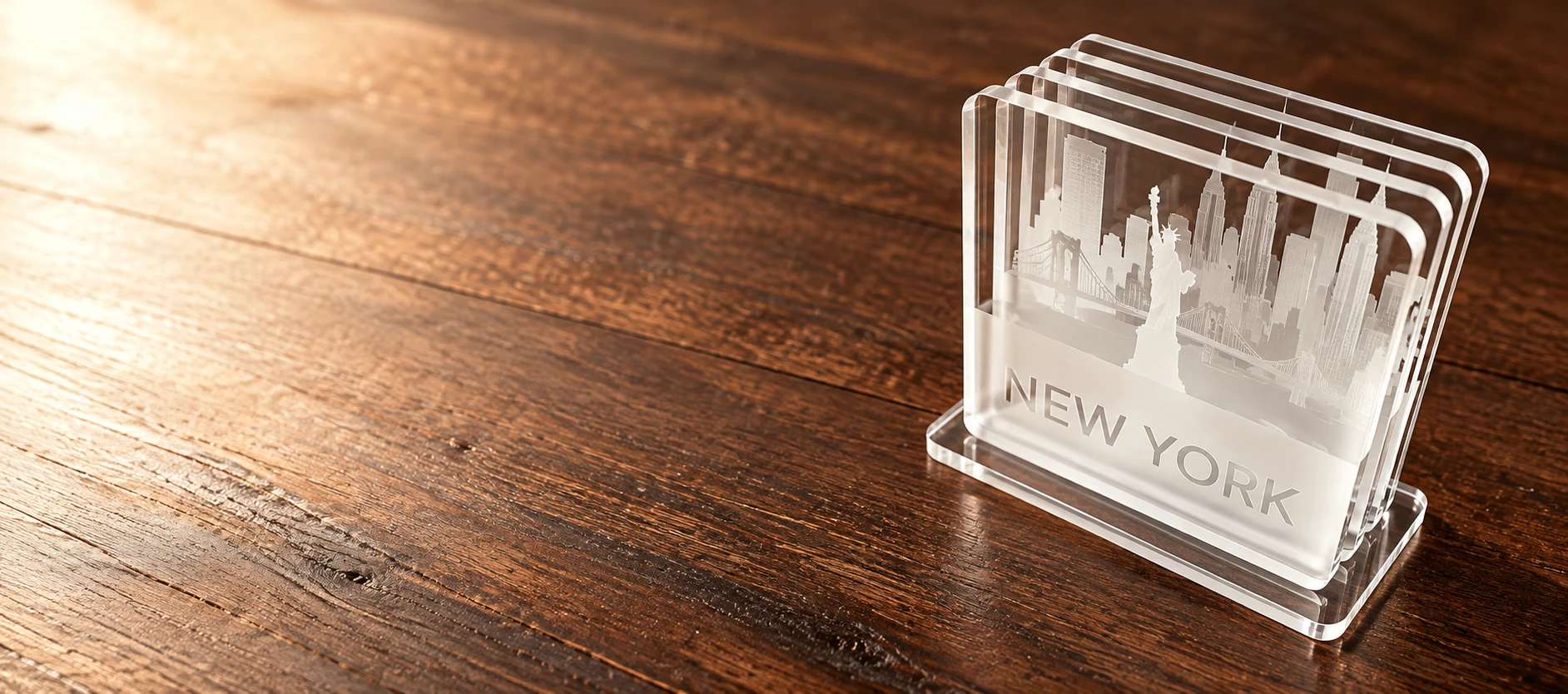
Custom Layered
Acrylic Products
Custom layered acrylic products for character merchandise, creative gifts, and private-label collections. Explore layered charms, standees, diorama scenes, and decorative pieces, with artwork depth, layer alignment, assembly, and samples reviewed for each project.
Product Types
View All Acrylic Displays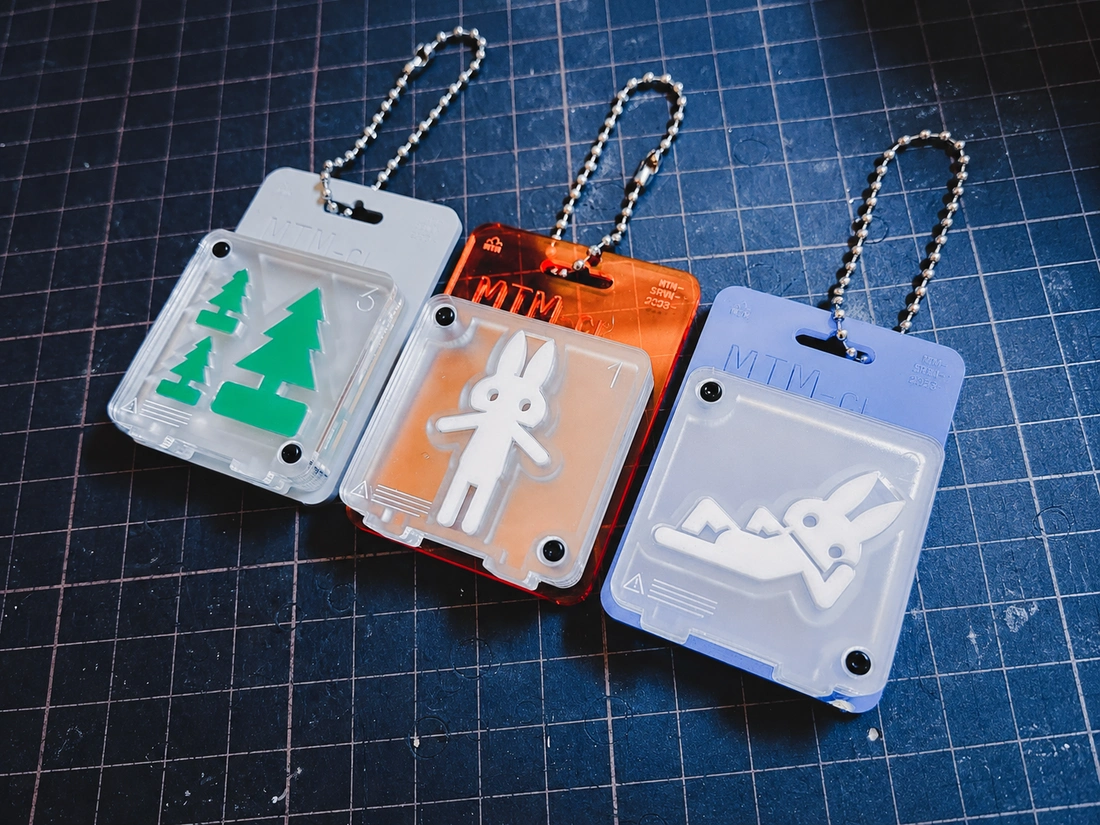
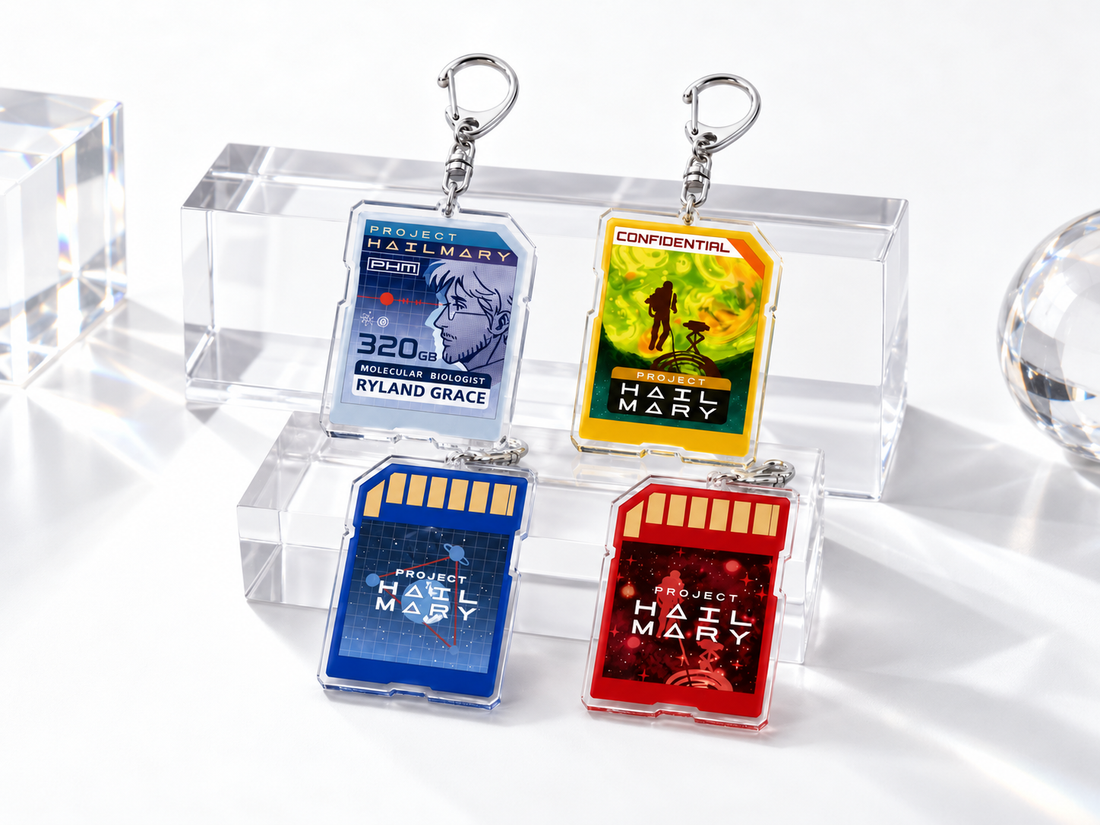
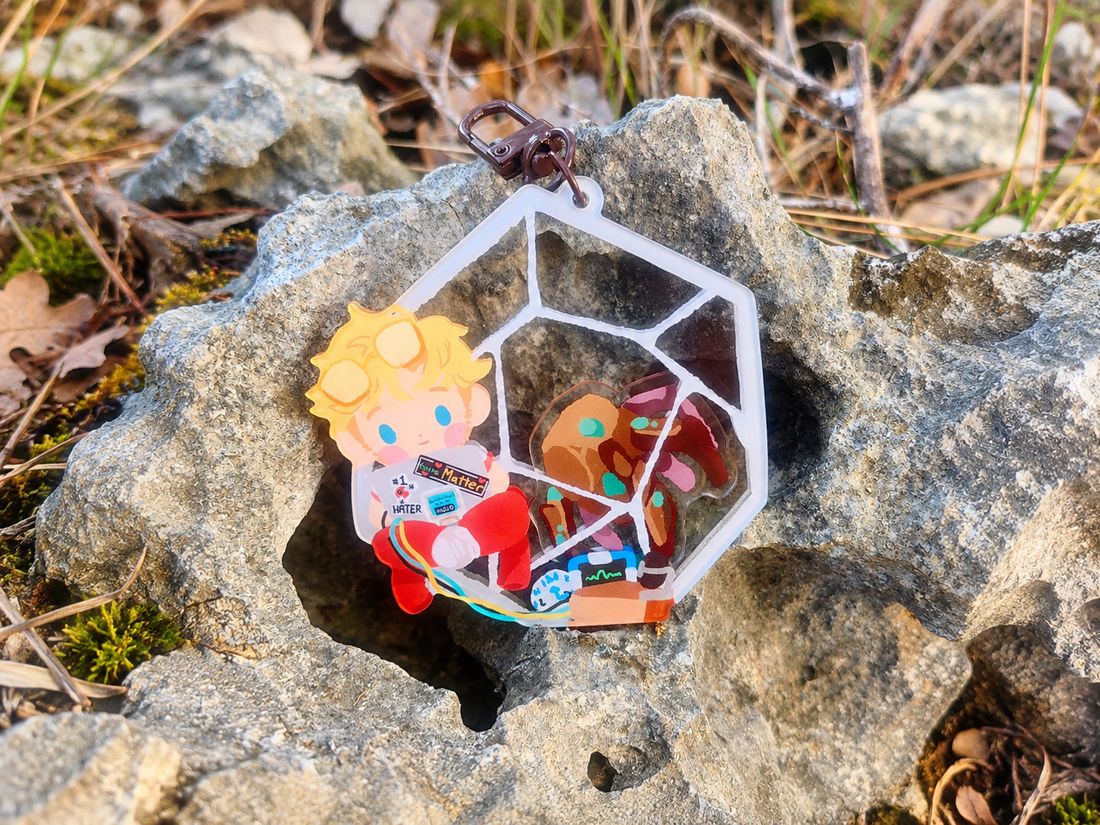
Layered Acrylic Keychains & Charms
Explore foreground and background artwork across printed or stacked acrylic layers.
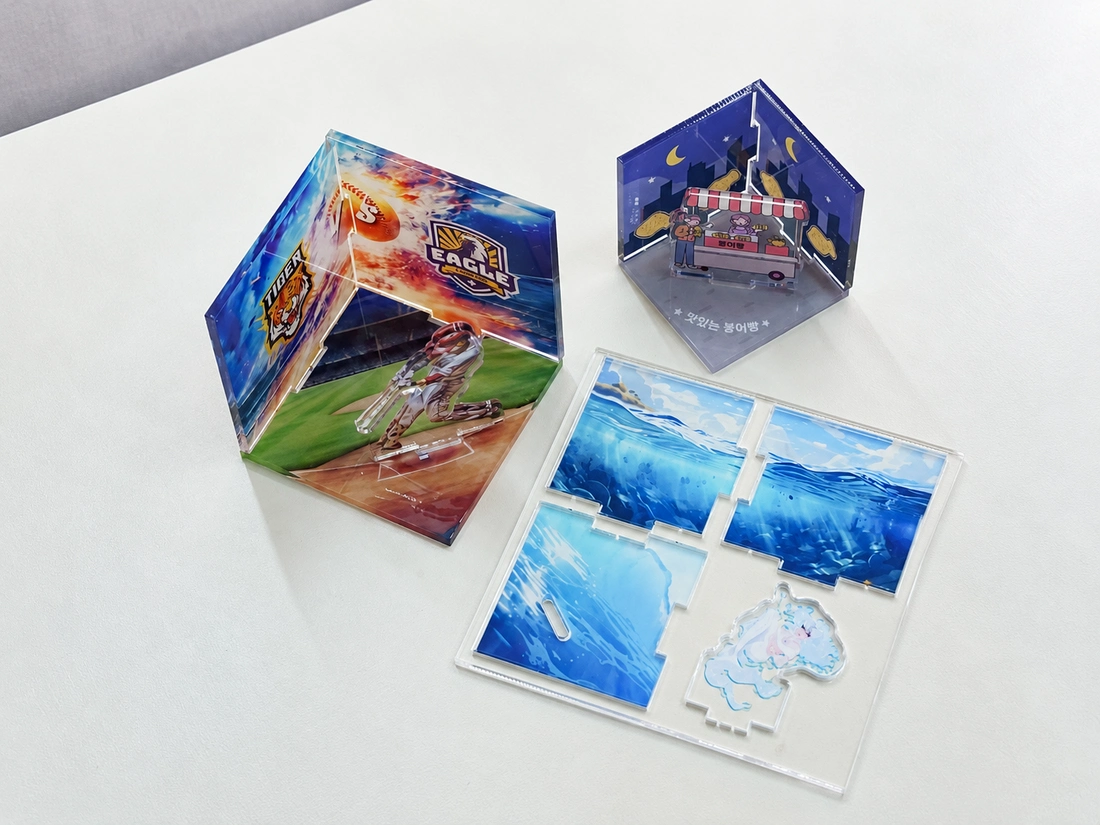
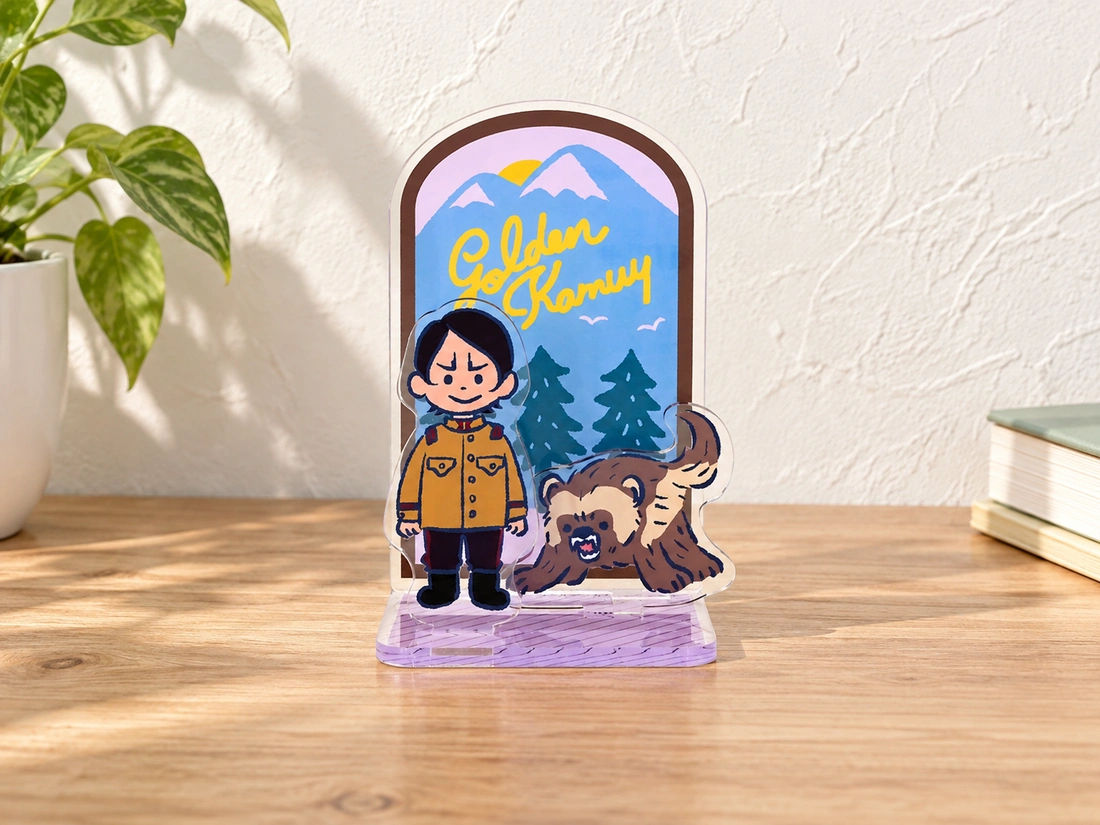
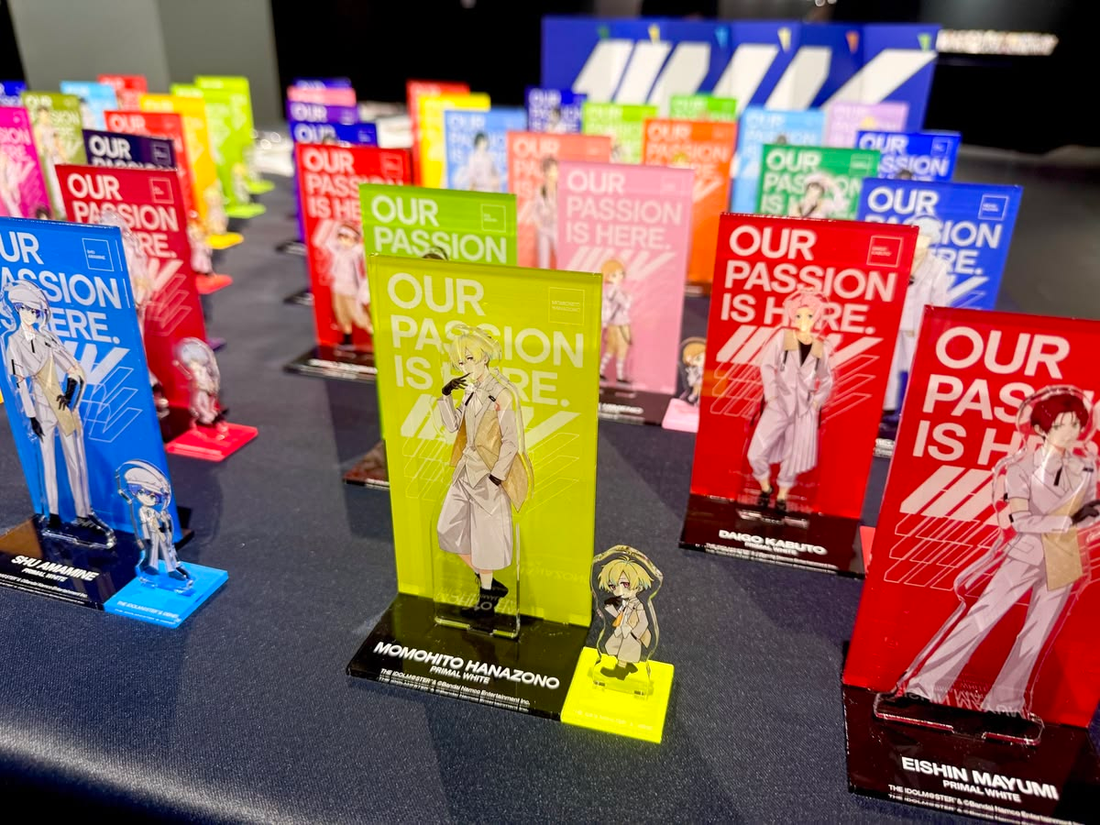
Multi-Layer Acrylic Standees
Combine character and decorative layers with compatible tabletop support.
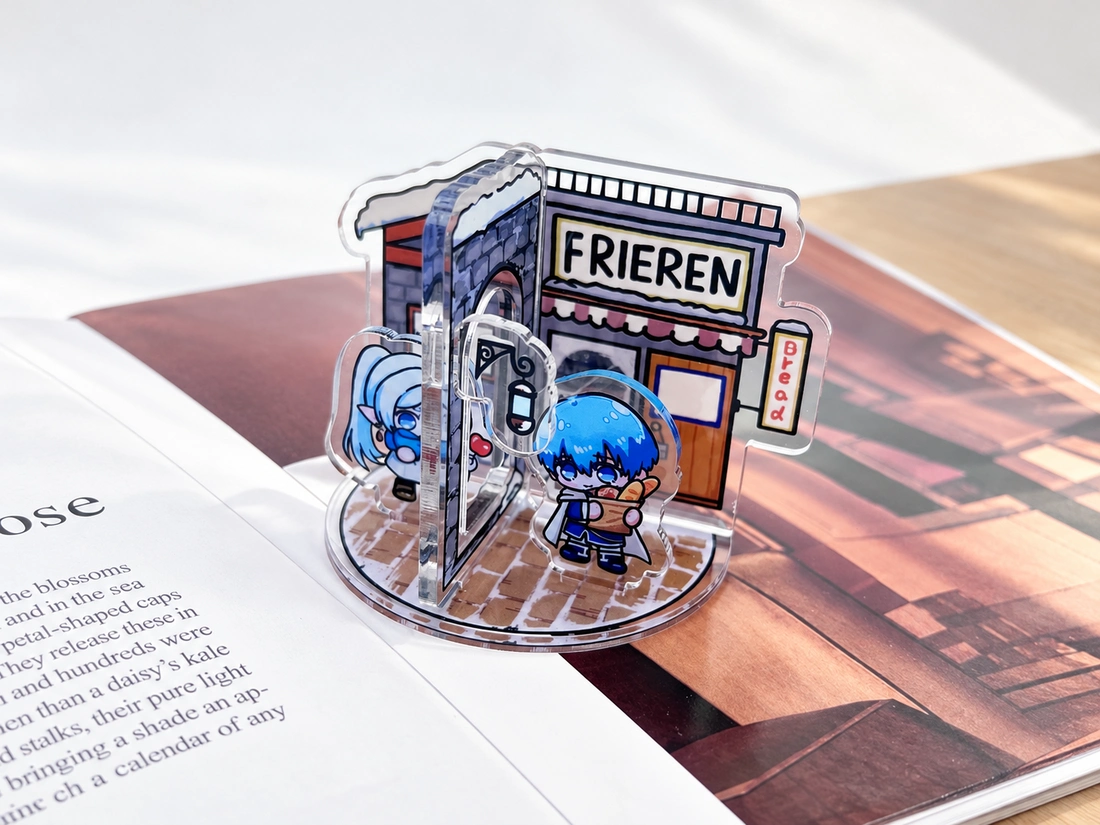
Acrylic Diorama Scene Sets
Arrange separate foreground, midground, and background pieces into tabletop scenes.

Layered Ornaments & Plaques
Review decorative hanging and display pieces with coordinated layered artwork.
Customization & Specifications
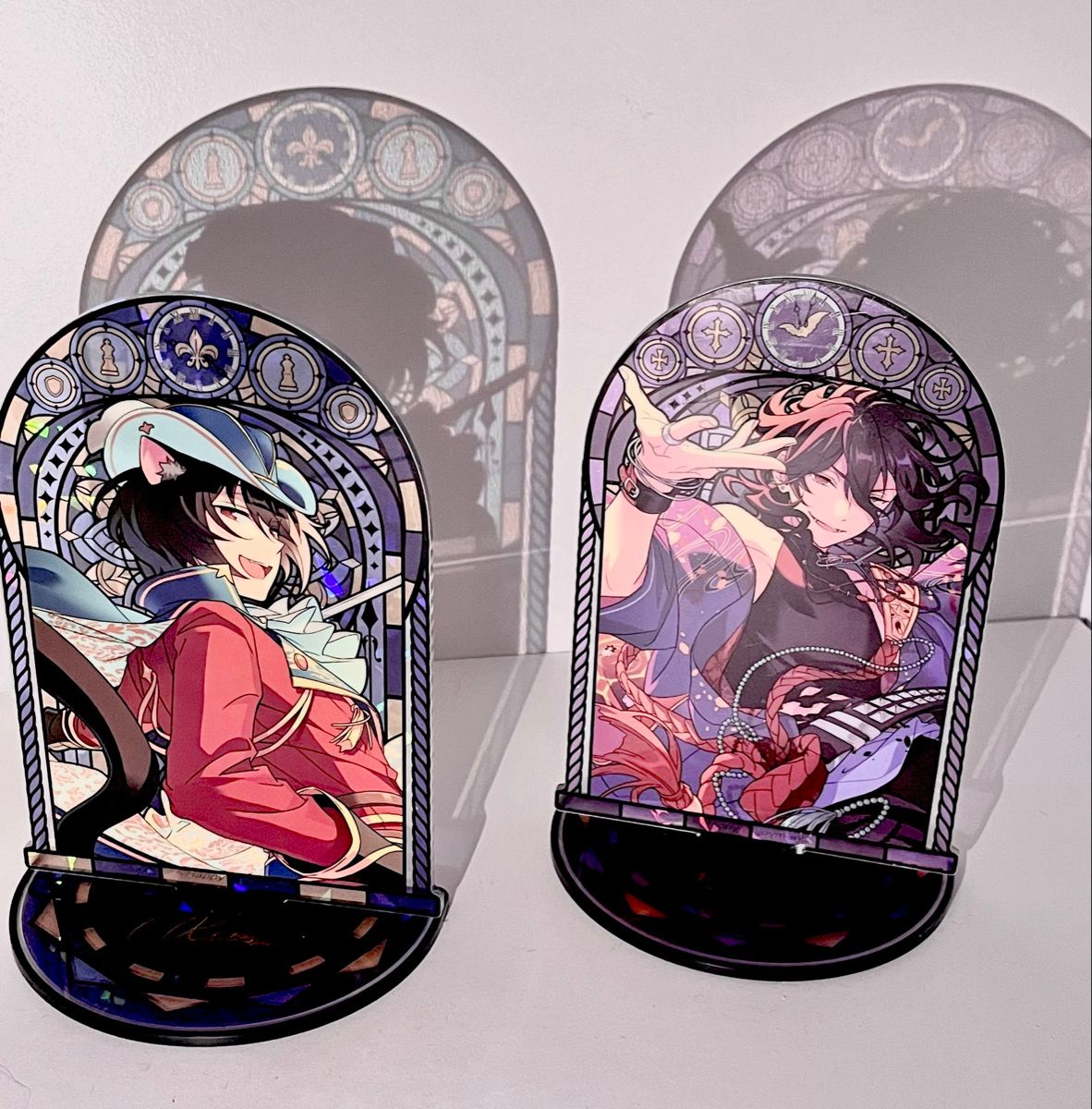
Artwork Separation & Visual DepthMap foreground, background, and printed details to the intended visual planes.
Layered acrylic artwork should identify which graphics belong in the foreground, midground, and background. Some depth effects can be produced by printing on different surfaces of one clear acrylic panel, while other designs require separate physical pieces. Provide the artwork for each intended plane, along with transparency and white-ink requirements. Text orientation, overlapping shapes, and important visual details should be reviewed from the intended viewing direction. The final visual depth depends on the selected construction and should be confirmed through a representative sample.
Material Layers & Finished ThicknessReview acrylic colors, individual layer thicknesses, and overall product depth.
The material specification should distinguish between a single panel with multiple print planes, directly stacked acrylic pieces, and components separated by a defined gap. Where several physical layers are used, the finished thickness depends on the selected panel thicknesses and any joining or spacing materials. Clear, tinted, translucent, and opaque layers may also produce different visual effects. Provide the desired depth and color references, and consider how the final size and weight affect handling, attachments, and retail packaging.
Registration, Cut Lines & SpacingCoordinate layer alignment, cut contours, overlap, and intended separation.
Each printed plane or physical acrylic component should have a defined position in the completed design. Misalignment can cause unwanted outlines, doubled details, or changes to the intended scene. By contrast, a controlled offset between foreground and background can be part of the desired depth effect when viewed at an angle. Provide separate artwork and cut references where required, along with the intended overlap and viewing direction. For spaced assemblies, the component separation and any base slots or connecting features should be reviewed together.
Joining, Assembly & StabilityEvaluate bonded layers, mechanical connections, display support, and handling.
Layered acrylic designs may use suitable joining methods or separate mechanical connections depending on the selected structure. Bonded assemblies should be reviewed for alignment, visible joints, trapped bubbles, adhesive marks, and material compatibility. Spaced or slot-fit structures introduce different requirements for connector position, assembly clearance, and overall stability. Keychain designs need compatible hanging hardware, while standees and dioramas may require supporting bases. The complete assembled product should be checked before approving the proposed production method.
Samples, Quality & Retail PackagingCheck the finished depth effect, assembly quality, component count, and packing.
Sample review should consider the product from the front, side, and intended viewing angles. Check artwork registration, transparency, printed colors, edge appearance, layer spacing, visible joints, and the condition of exposed surfaces. For bonded products, any required adhesion or durability checks should be agreed separately. For multi-piece products, confirm every component and its assembly position. Packaging should protect finished surfaces and prevent separate layers, bases, or fittings from becoming damaged or mixed between SKUs during transportation.
Applications
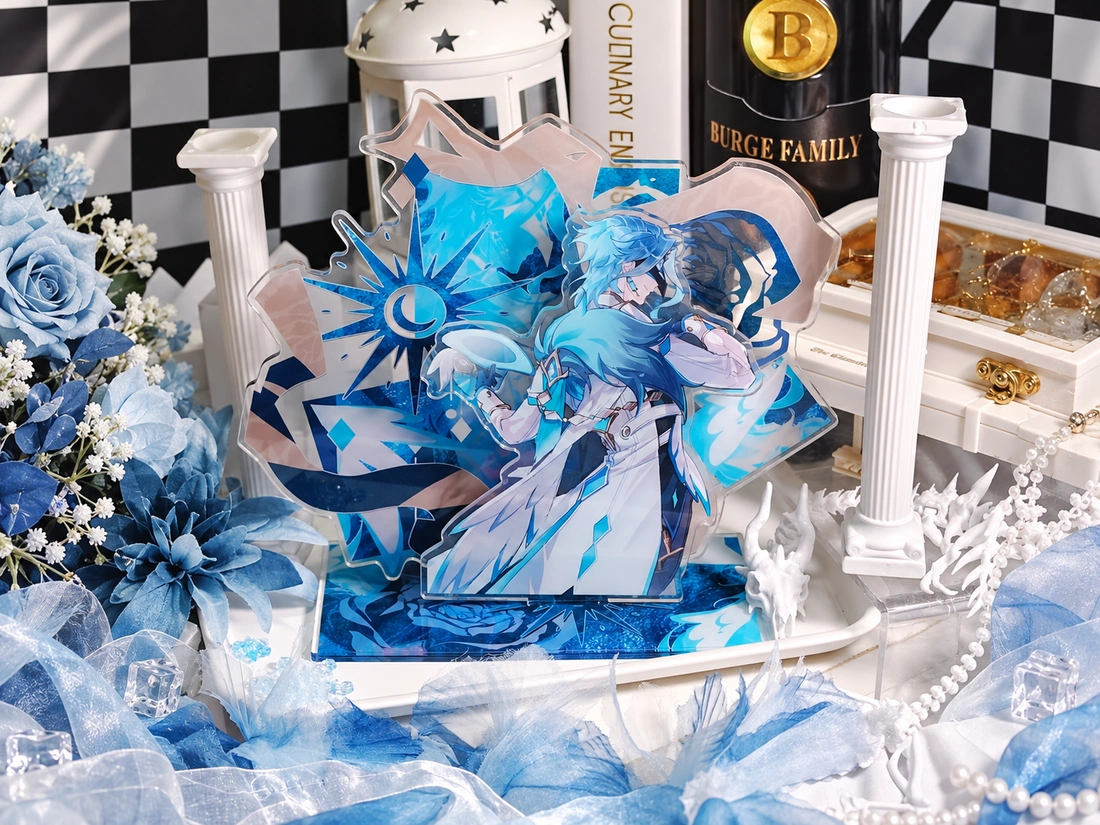
Character & IP Merchandise
Develop layered visual effects for original or properly licensed character collections.
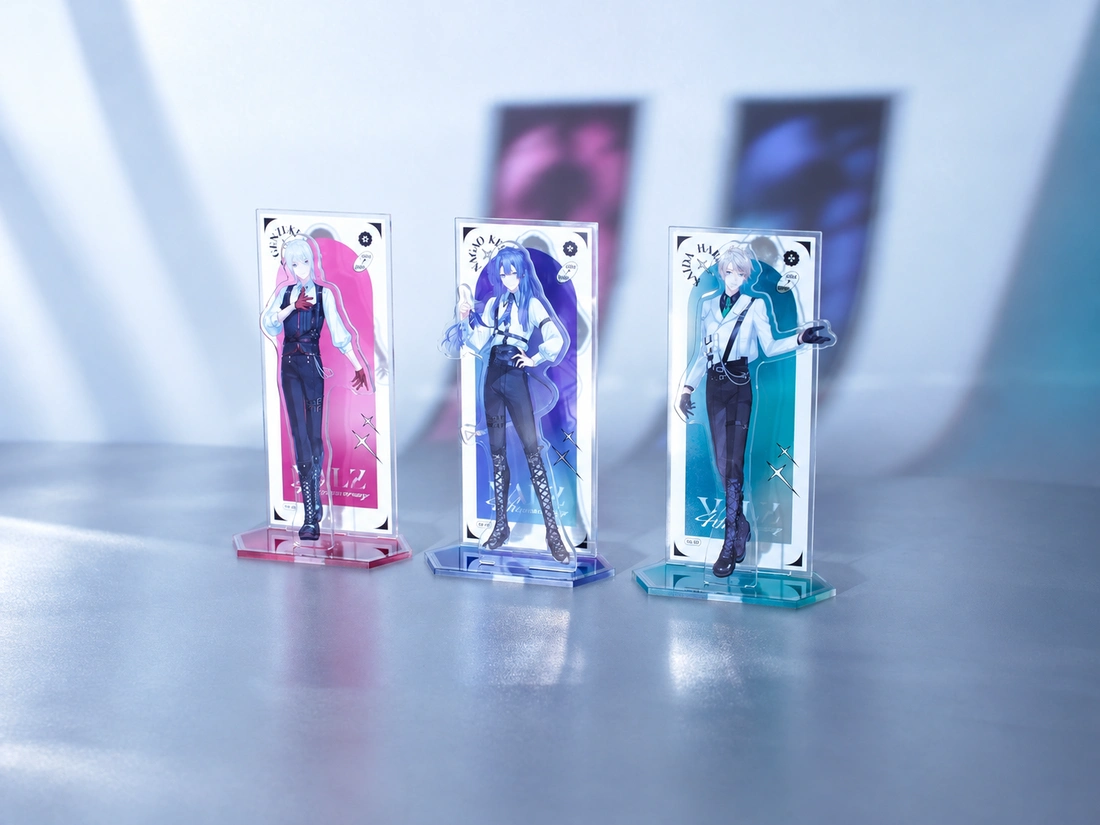
Artist & Creator Collections
Explore foreground-and-background compositions based on original illustrations.
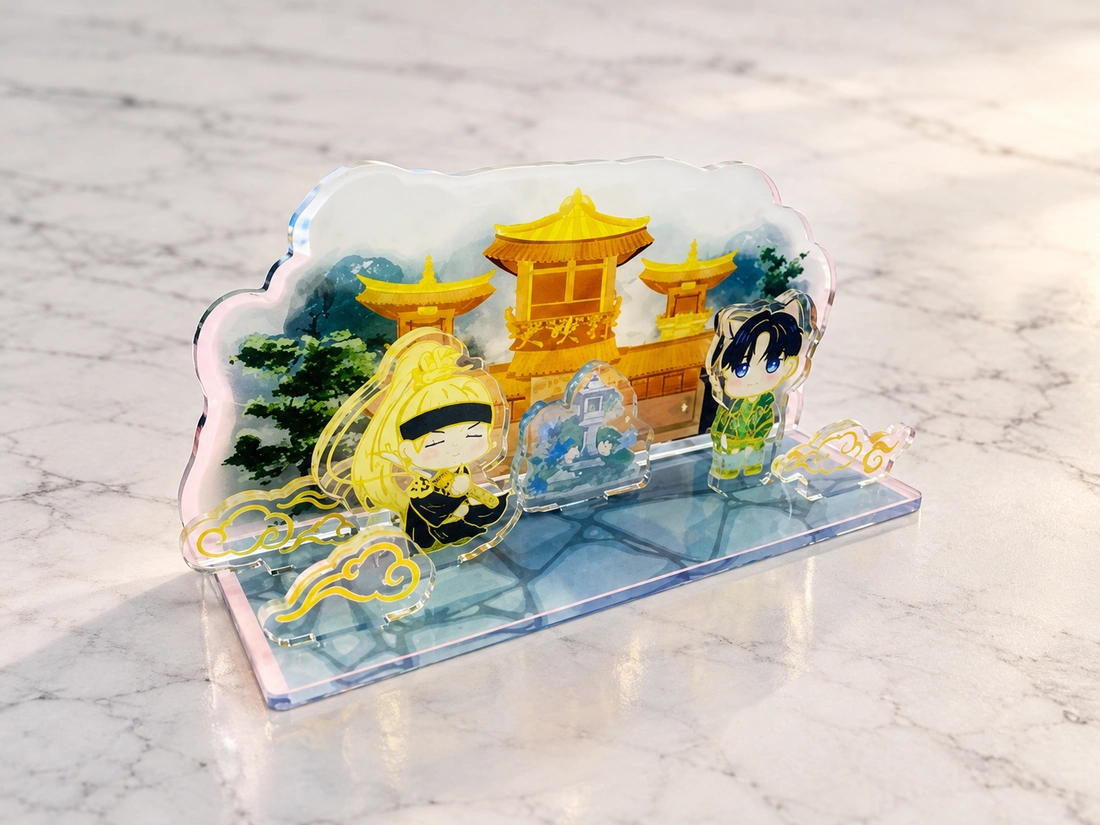
Pop-Up & Themed Retail
Plan multi-piece scene merchandise for themed launches and pop-up collections.
Private-Label Gift Collections
Coordinate layered products, artwork versions, and retail packaging for branded ranges.
Frequently Asked Questions
View All FAQsWhat is the difference between a layered acrylic product, a standard printed charm, and a shaker product?
A standard acrylic charm may use one printed panel without a separately planned depth effect. A layered acrylic product uses multiple visual or physical planes to create foreground-and-background separation, color depth, or a composed scene. This may involve printing on different surfaces of one panel or assembling multiple acrylic components. A shaker product has loose pieces that move inside a chamber, while a liquid-filled product contains liquid. Layered merchandise is primarily a static visual or structural design unless a separate moving feature is specifically developed.
Can a layered acrylic effect be created without bonding multiple acrylic sheets together?
Yes. Some layered-looking products use printing on separate surfaces of a single transparent acrylic panel. The distance between the printed graphics can create a sense of depth or an intentional change in their apparent alignment when viewed at an angle. This is different from physically stacking multiple acrylic sheets or arranging separate panels with spacers. Each method has different thickness, artwork, assembly, and cost considerations. Provide a visual reference and identify whether you require printed depth, actual stacked material, or a spaced construction.
How many acrylic layers should I use for a custom charm, standee, or diorama?
The appropriate number depends on the desired artwork effect, finished size, total thickness, weight, and manufacturing approach. A design may use front and back printing on one panel, two physical layers, or several separate scene components. Adding more physical layers can increase construction complexity without necessarily improving the visual result. For dioramas, the relative positions of foreground and background pieces may matter more than the raw layer count. Define the intended depth and appearance, then review feasible structures using drawings and physical samples.
What artwork files are needed for a custom multi-layer acrylic product?
Artwork should be organized according to the intended visual or physical planes. Provide separate foreground, background, and intermediate graphics where applicable, along with the desired final appearance and viewing direction. Depending on the production method, files may also need white-ink layers, transparent areas, cut outlines, registration references, and attachment or base-slot positions. Double-sided or rear-facing text requires particular attention to orientation. The exact file format and production clearances should be confirmed with the selected manufacturing process before approving the final artwork.
What is the difference between directly stacked layers and spaced acrylic panels?
Directly stacked layers place acrylic components close together or join them into a combined assembly. Spaced panels use a defined separation between components, which can create a more pronounced foreground-and-background appearance. These constructions differ in overall depth, visible edges, joining methods, and assembly requirements. Spaced designs may need supports, slots, or separate connectors, while bonded stacks require suitable joining materials and processing. The best option depends on the artwork, intended product format, and handling requirements. A sample should confirm the final visual effect and structural suitability.
How is artwork alignment controlled across printed or physical acrylic layers?
Alignment starts with approved artwork files that define the position of every layer relative to the others. Printed designs require suitable registration, while separate acrylic components also need accurate cut outlines and assembly references. Small offsets can cause unwanted double edges or shift important visual details. However, a deliberate viewing-angle effect may require controlled separation between selected graphics. The distinction between intentional parallax and unwanted misalignment should be established in the artwork specification. Representative samples should be inspected from both the primary and angled viewing positions.
What joining methods can be considered, and can bonded layers develop bubbles or visible marks?
Layered acrylic components may be joined using a suitable bonding method or assembled with mechanical connections, depending on the materials and intended construction. Bonded joints can require additional controls for surface preparation, alignment, adhesive appearance, trapped air, and manufacturing stress. Some incompatible materials or processing conditions may lead to visible defects or stress-related damage. A clear joint should not automatically be described as invisible or permanently reliable. The selected joining method, cosmetic requirements, and any required strength or durability checks should be confirmed through the actual sample.
Can layered acrylic designs be made into keychains, standees, ornaments, or diorama sets?
Several product formats can be explored, but each has different structural requirements. A layered keychain must account for the final thickness, weight, attachment hole, and hardware. A standee requires a stable support arrangement and suitable connections between its upright components and base. Hanging ornaments need appropriate hole placement and balance, while dioramas require clearly defined component positions and assembly order. One layered artwork concept may need structural changes before it can be produced in another format. The final configuration should be reviewed and sampled separately.
What should be checked on a layered acrylic sample before bulk production?
Sample approval should cover the intended visual depth, print colors, transparency, artwork registration, cut shapes, overall dimensions, and edge appearance. Check the design from the front, side, and expected viewing angles to identify unintended overlap or misalignment. Where physical layers are joined, inspect visible joints, bubbles, adhesive marks, and any other agreed appearance requirements. For separate components, verify quantity, fit, assembly, and stability. Review the approved packaging and SKU list as well. Any required bonding, handling, or durability checks should be specified before production approval.
What affects MOQ, pricing, sampling, and production time for custom layered acrylic products?
MOQ and pricing depend on the product size, number of printed or physical layers, acrylic material, artwork complexity, cutting requirements, joining or spacing method, assembly, hardware, and packaging. A single-panel depth-printed charm and a multi-piece diorama may involve different manufacturing steps and sample requirements. For a quotation, provide the artwork separated by layer, preferred finished dimensions, desired construction, quantity per design, accessory requirements, packaging, destination, and target date. The applicable MOQ, sample cost, production schedule, and shipping terms should then be confirmed for the approved project.
Ready to Start Your Display Project?
Share your product, dimensions and quantity to discuss the next step.