

Custom Acrylic
POS / POP Displays
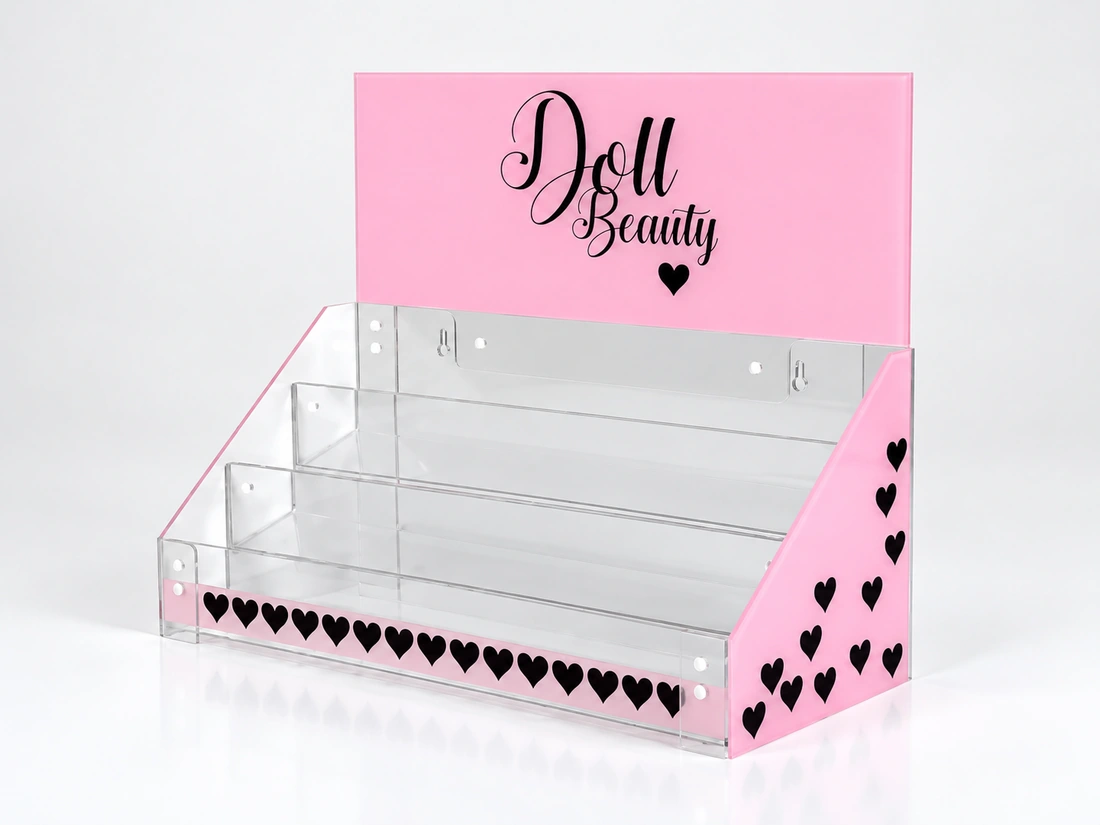
Custom acrylic point-of-sale (POS) and point-of-purchase (POP) displays combine product presentation with promotional messaging for retail checkout areas, shelves, and small-footprint campaigns. Plan the format around your products, branding, display space, and store requirements.
Product Types
View All Acrylic Displays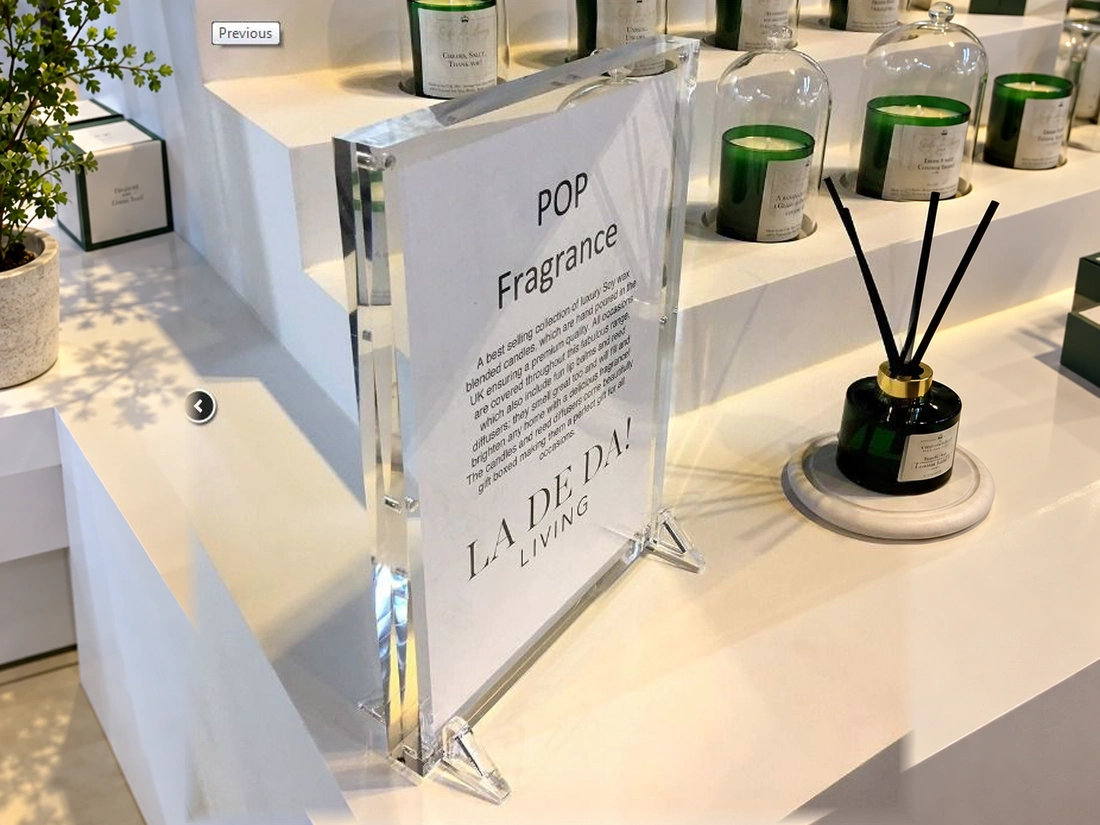
Checkout Counter POS Displays
Compact branded units for featured merchandise and add-on products near checkout.
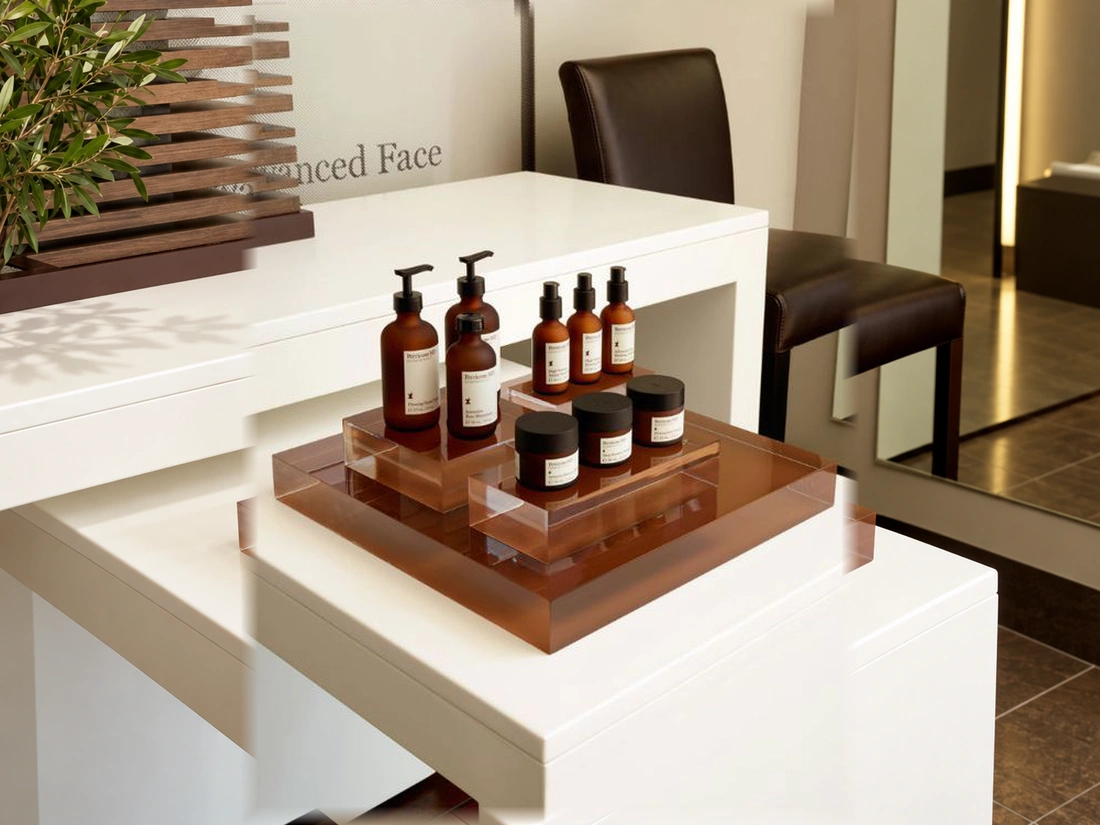
Shelf-Top POP Displays
Present selected products and promotional messages within existing retail shelf space.
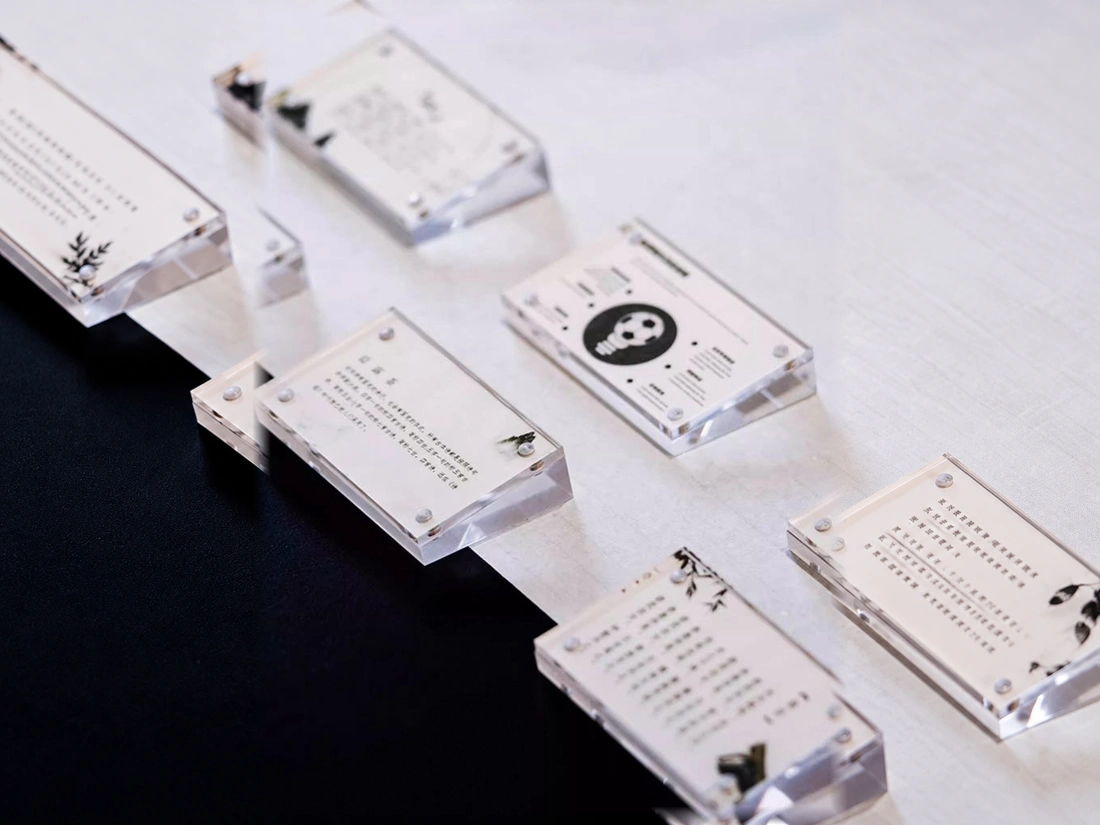
Branded Product & Sign Displays
Combine merchandise presentation with brand graphics, product details, or promotional inserts.

Modular Promotional Displays
Explore adaptable structures and interchangeable sections for changing retail campaigns.
Customization & Specifications
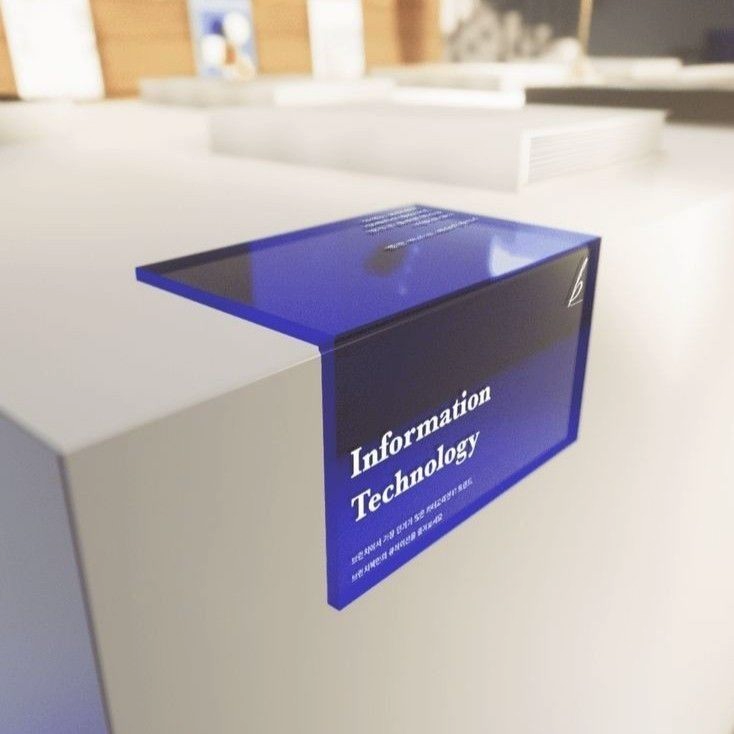
Store Footprint & PlacementPlan dimensions around the intended retail location.
The display location influences its overall size, orientation, and accessibility. Share the available counter or shelf dimensions, expected viewing direction, nearby fixtures, and any retailer-specific placement requirements. Checkout areas may have limited space, while shelf-top promotions need to fit the surrounding merchandising layout. The proposed dimensions should be reviewed against the actual retail environment rather than based on appearance alone.
Product Capacity & ReplenishmentDefine SKU quantities, product access, and restocking needs.
Provide the dimensions and weight of each packaged product, the number of different SKUs, and the intended quantity displayed at one time. Consider how customers will remove products and how staff will replenish them. Compartments, dividers, supports, and product-facing arrangements should be planned around these requirements. For multi-item promotions, clearly identify the quantity and position of each product version.
Materials & Structural DesignReview acrylic appearance, construction, and display stability.
Clear, tinted, opaque, or other suitable acrylic finishes may be considered depending on the visual direction of the campaign. Material thickness and construction should be assessed alongside product weight, unsupported spans, connection methods, and expected handling. If other components or materials are requested, their suitability should be reviewed for the proposed design. Structural requirements must be confirmed for each project rather than assumed from a standard display format.
Branding & Campaign GraphicsPosition logos, product information, and promotional artwork.
Retail promotional displays may require brand headers, logo panels, price information, product messages, or seasonal graphics. Provide the artwork, preferred placement, viewing direction, and any retailer branding guidelines. If graphics need to change during a campaign, identify which elements should be replaceable. The appropriate printing, mounting, and graphic application methods should be confirmed against the selected materials and display structure.
Store Rollout & PackagingPlan display versions, packing formats, and store delivery needs.
For a multi-store campaign, specify the number of displays required, the product assortment for each version, and any differences in graphics or accessories. Displays may be evaluated for assembled or flat-pack delivery depending on their structure and shipping requirements. Packing should account for acrylic surface protection, components, labeling, and store-level identification. Provide the destination and deployment requirements so the packaging and delivery plan can be reviewed.
Applications
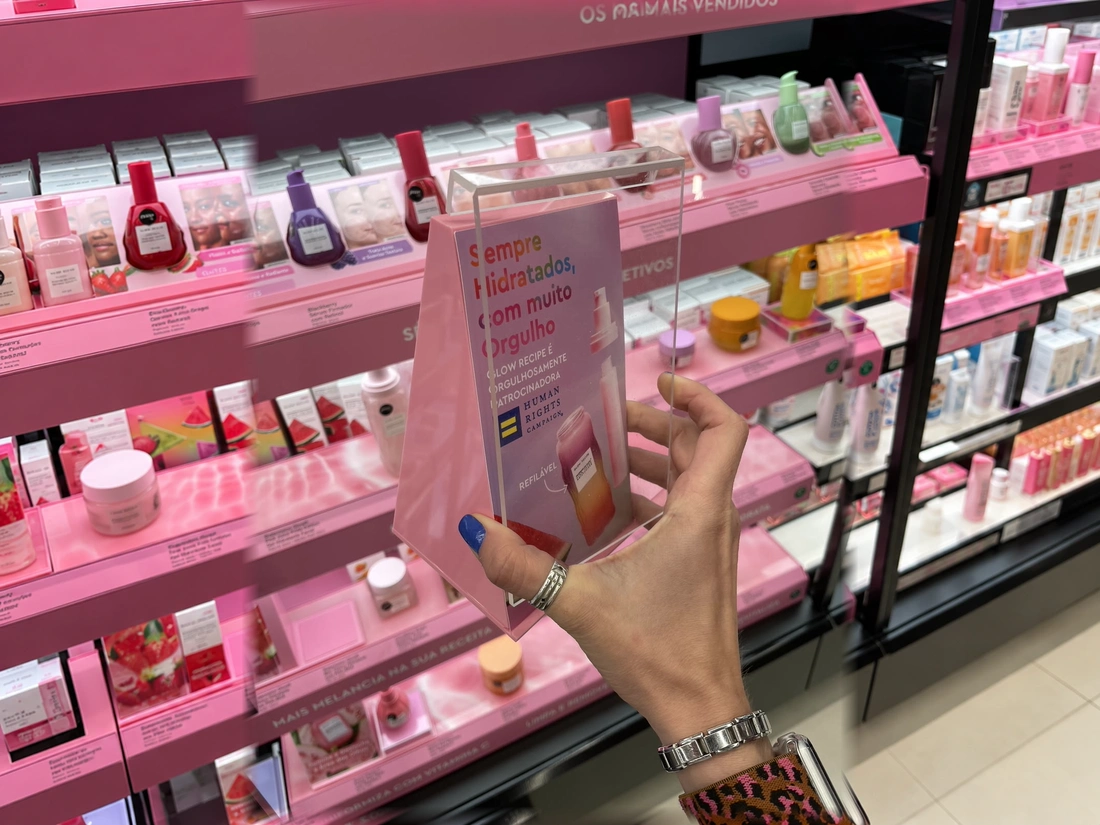
Beauty & Personal Care Promotions
Present featured beauty products with clear campaign or launch messaging.
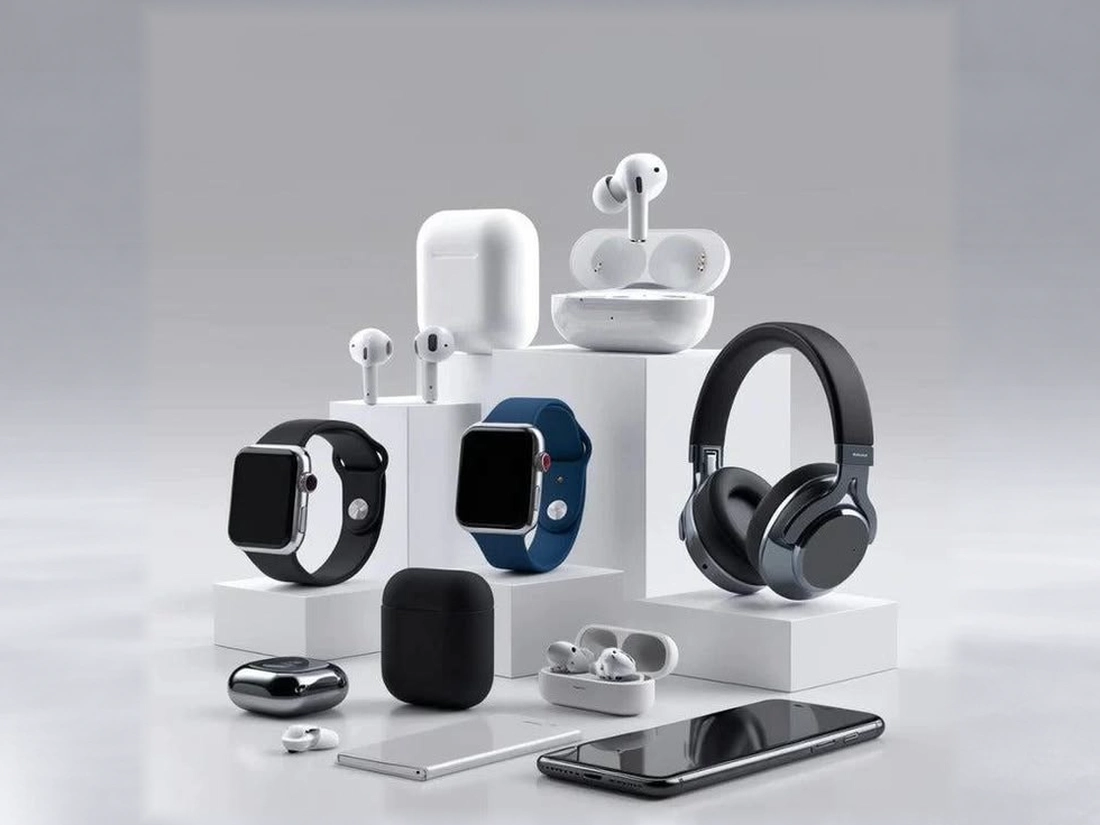
Consumer Electronics & Accessories
Organize packaged accessories beside useful product information and promotional graphics.
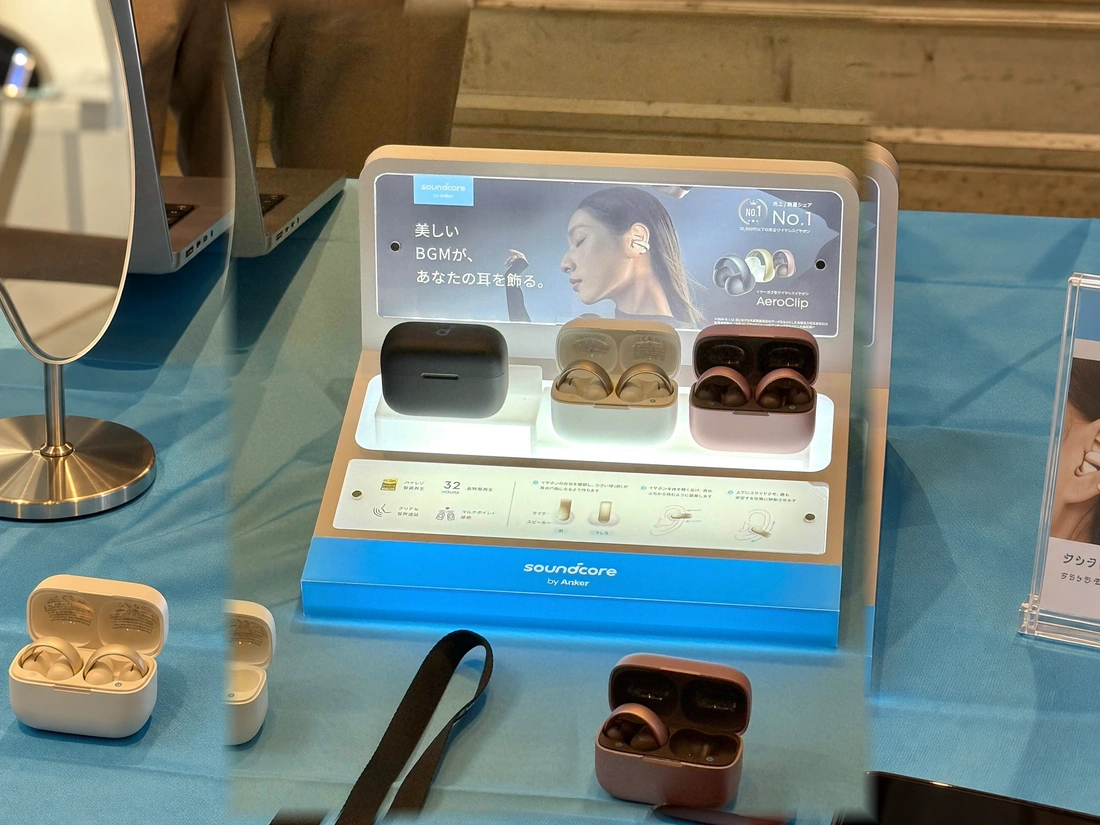
Gifts & Lifestyle Promotions
Highlight seasonal collections, small gifts, and branded retail merchandise.
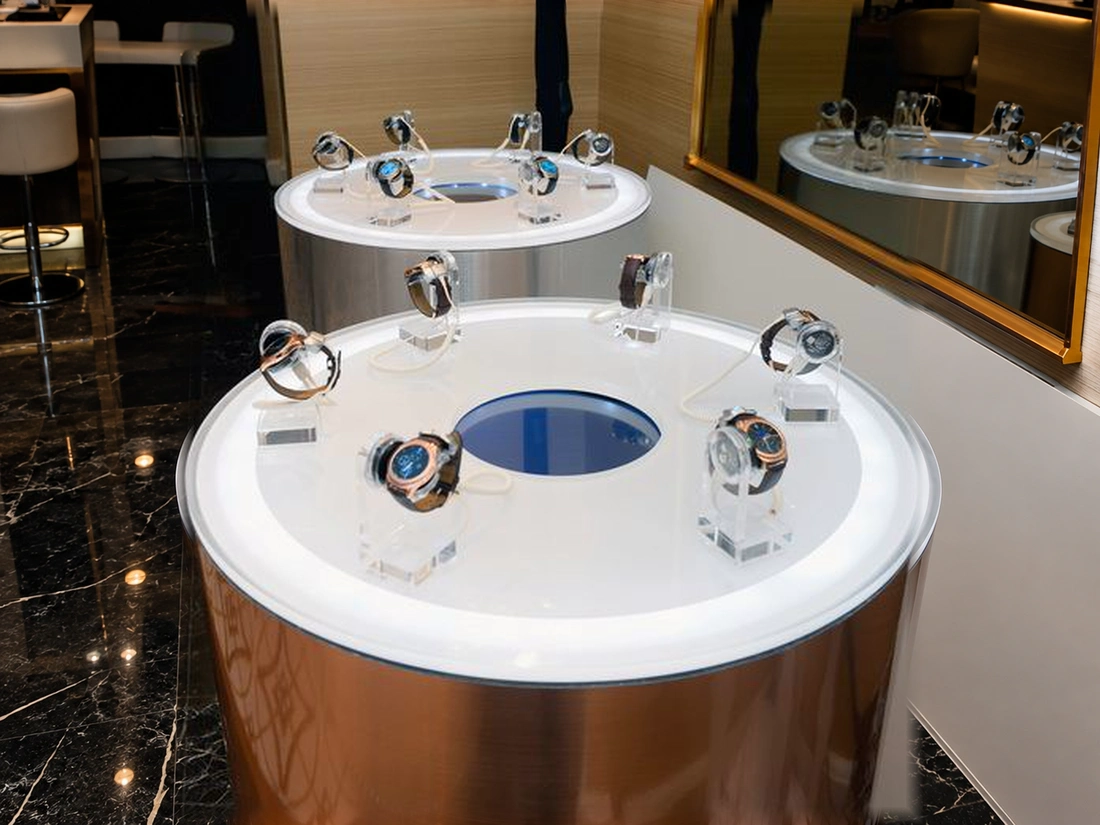
Pop-Up & Retail Launches
Plan coordinated product presentation for temporary promotions and brand launches.

Frequently Asked Questions
View All FAQsWhat is the difference between POS and POP acrylic displays?
POS stands for point-of-sale, while POP stands for point-of-purchase. Both terms are used for physical retail promotional displays, and their meanings often overlap. POS may emphasize the checkout area, while POP can also describe promotional displays positioned on shelves or elsewhere in a store. When preparing a project, the actual placement, products, available space, and campaign purpose matter more than the abbreviation. These displays are physical merchandising fixtures, not payment terminals or checkout software.
How is a branded POS/POP display different from a standard acrylic countertop stand?
A standard acrylic countertop stand primarily organizes or elevates products. A POS/POP display is usually planned around a specific retail promotion, product launch, or branded merchandising program. It may combine product supports with campaign graphics, product information, or a defined stock arrangement. Some structures can serve both purposes. The important distinction is whether the design must also meet branding, shopper interaction, retailer placement, or multi-location deployment requirements.
What retail space measurements and store requirements should I provide?
Please provide the available width, depth, and height of the intended display location, including any restrictions from nearby shelves, checkout equipment, or other fixtures. The viewing direction and customer access should also be considered. If a retailer has approved merchandising dimensions, placement rules, or setup instructions, share those requirements before the design is finalized. This helps avoid developing a display that looks suitable in a rendering but does not fit the intended store environment.
How do I determine the right product capacity and restocking arrangement?
Start with the number of SKUs, the dimensions and weight of each packaged product, and the quantity you want customers to see at one time. Consider how items will be removed without disturbing the remaining products and how store staff will replenish them. Product supports, dividers, or compartments may be needed depending on the assortment. For mixed-product promotions, a clearly defined facing and quantity plan helps the display design reflect the actual merchandising requirements.
Can promotional graphics, logos, or price information be changed between campaigns?
A display can be evaluated for branding elements such as printed graphics, logo panels, promotional cards, or replaceable information holders. If campaign messages or prices need frequent updates, identify which parts should be removable or interchangeable before the structure is designed. Artwork dimensions, fixing methods, and expected handling should be reviewed together. The final graphic application and replacement method depend on the agreed construction and available production options.
How are acrylic materials, thickness, and stability selected for retail promotional displays?
Material selection depends on the desired appearance, product weight, display footprint, structure, and expected retail handling. Transparent acrylic can keep products visible, while colored or opaque elements may support branding or provide visual contrast. Thickness alone does not determine stability; unsupported spans, joints, supports, and load distribution also matter. Provide the product weights and intended display arrangement so the structure and appropriate sample checks can be evaluated before production approval.
How do multiple product versions or store-specific displays affect MOQ and pricing?
MOQ and pricing depend on the display structure, materials, manufacturing steps, graphics, accessories, packaging, and order quantities. A campaign involving different products, artwork, or store-specific configurations may require separate setup or packing arrangements. Provide the quantity for each design or version rather than only the total campaign volume. If several stores need different product assortments, a version and destination breakdown will help clarify what should be quoted and packed together.
Can I review a prototype before a bulk retail display rollout?
A physical sample can be discussed before bulk production, with its cost, preparation time, and review scope confirmed for the project. Important checks may include product fit, display footprint, graphic placement, access for customers, replenishment, stability, and assembly. If the display will be used across multiple stores, the agreed sample should also reflect any critical retailer requirements. Changes identified during review should be recorded in the approved specification before production proceeds.
Should acrylic POS/POP displays be shipped assembled or flat-packed?
The suitable packing method depends on the display structure, destination, available store labor, and installation requirements. Assembled units may reduce setup work at the store but require suitable protection and shipping space. Flat-pack designs may help reduce packing volume, although components, fittings, and assembly steps need to be considered carefully. For multi-location orders, identify whether displays should be packed individually, by store, or with specific product assortments and labels.
What information is needed for a custom POS/POP display quotation and campaign delivery plan?
Please share a reference image or drawing, the intended retail placement, available dimensions, and the products to be displayed. Include packaged product sizes and weights, SKU quantities, branding artwork, estimated number of display units, and any store-specific versions. Packaging requirements, destination countries, and the target campaign launch date are also important. Production timing depends on the confirmed design, sampling, material availability, order quantity, and packaging, while shipping time should be evaluated separately.
Ready to Start Your Display Project?
Share your product, dimensions and quantity to discuss the next step.