

Custom Liquid-Filled
Acrylic Products
Explore custom liquid-filled acrylic products for character merchandise, creative gifts, and branded collections. Plan flowing-liquid keychains, floating inserts, and decorative displays, with chamber construction, sealing, liquid compatibility, and samples reviewed for each project.
Product Types
View All Acrylic Displays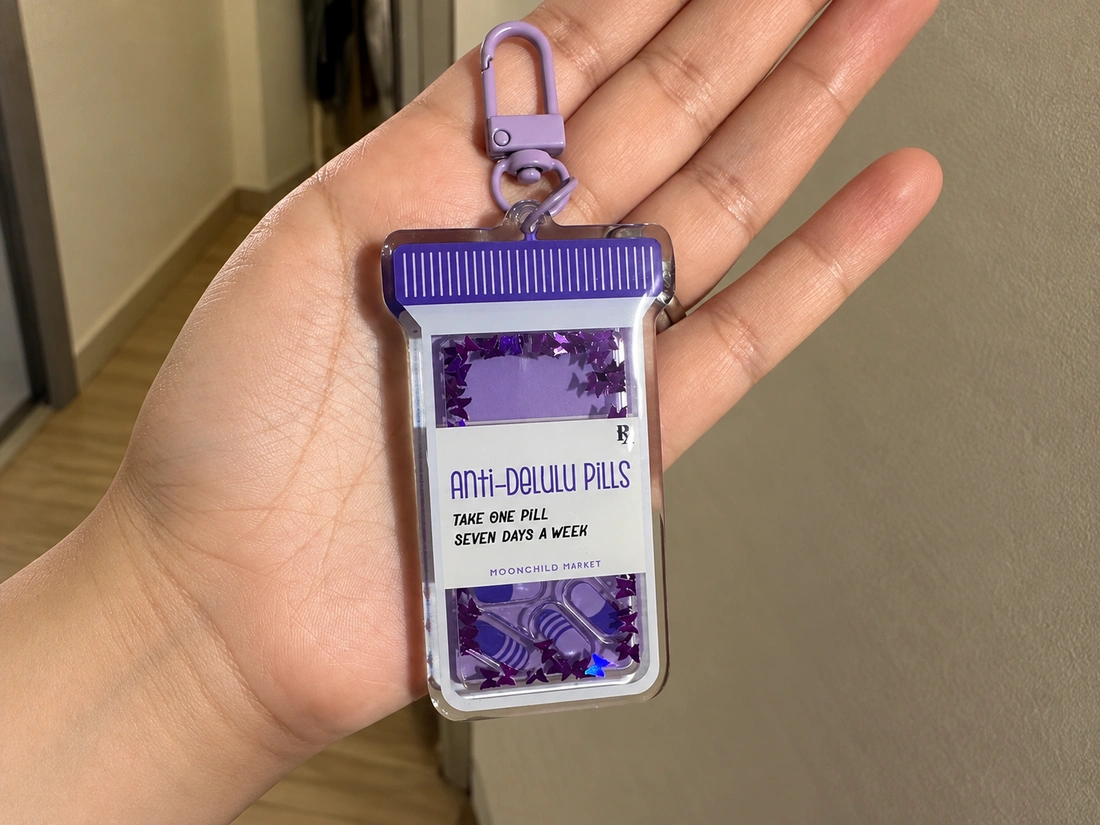
Liquid-Flow Acrylic Keychains
Explore compact keychains with visible liquid movement inside a defined chamber.
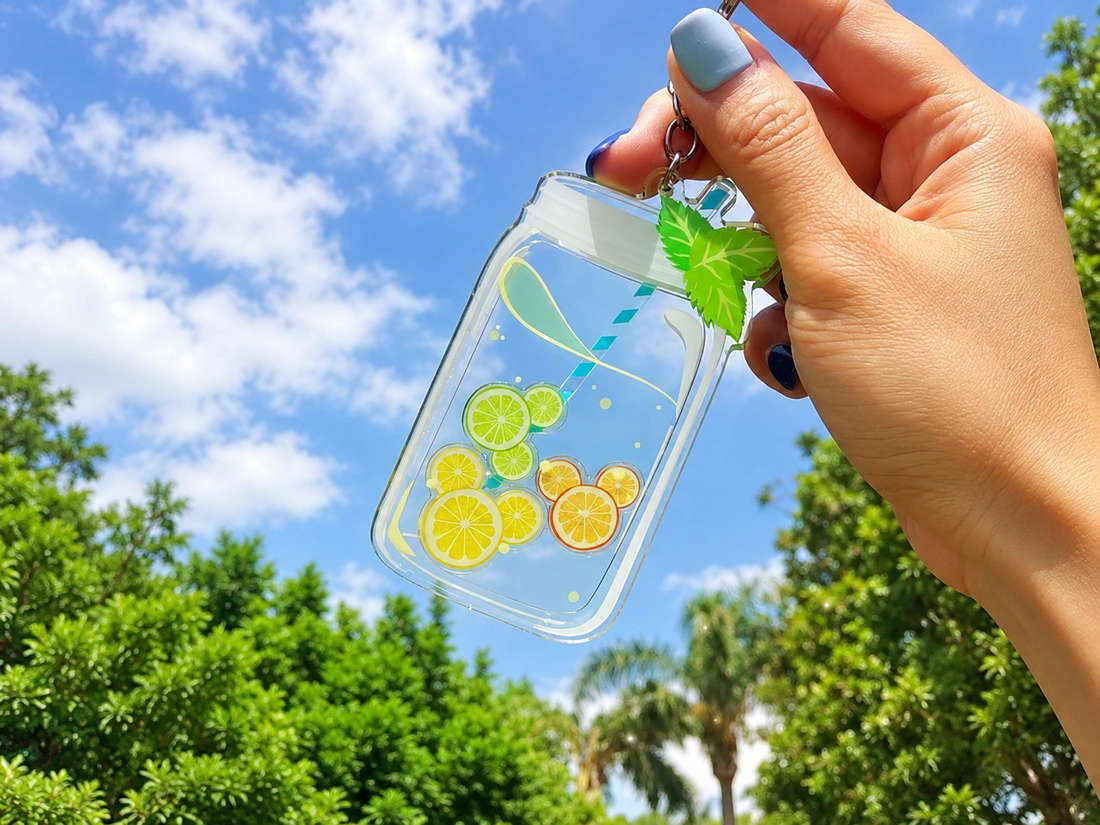
Floating-Insert Liquid Charms
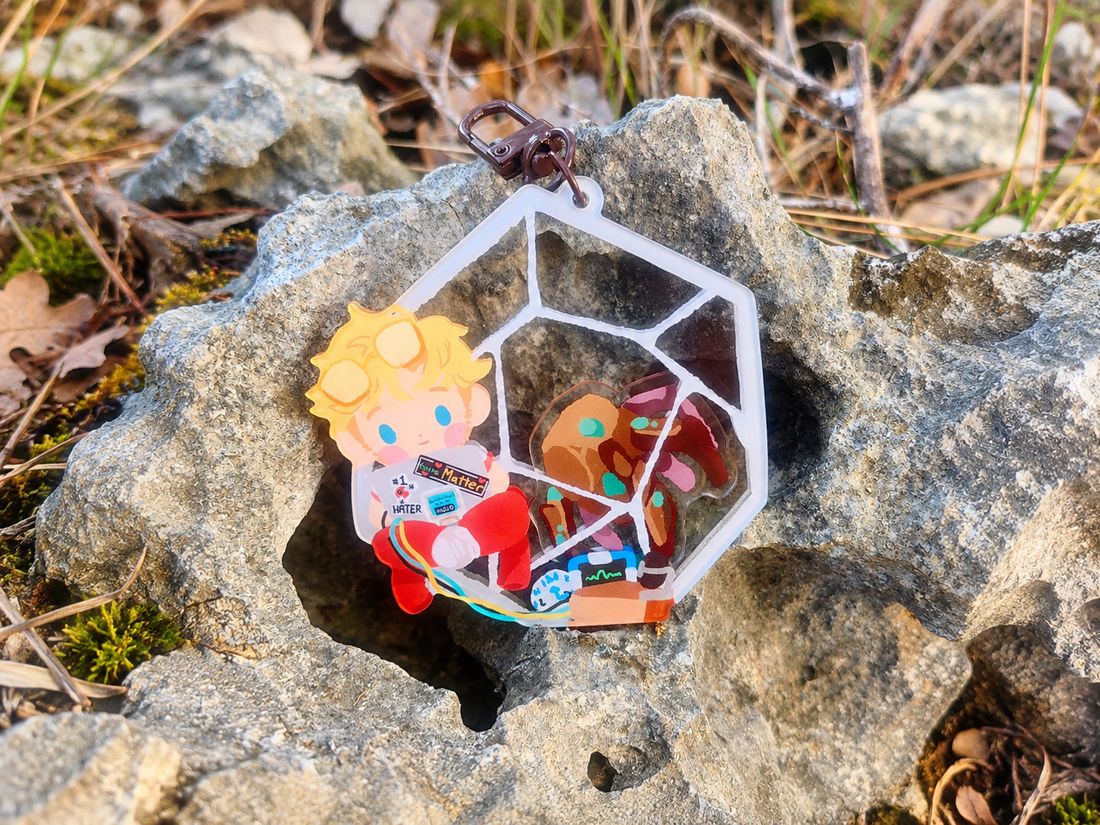
Plan decorative charms with selected shapes or particles moving within a liquid.
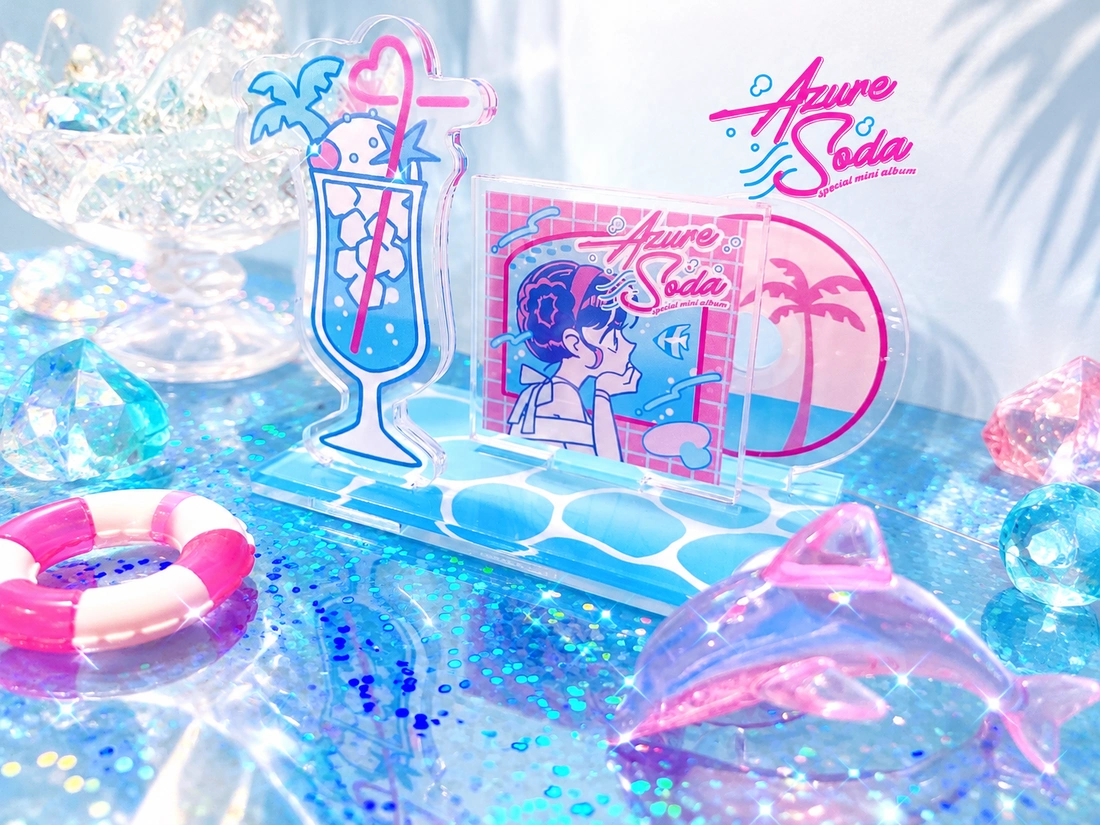
Liquid-Filled Acrylic Standees
Review tabletop standee concepts combining printed graphics with liquid-motion effects.
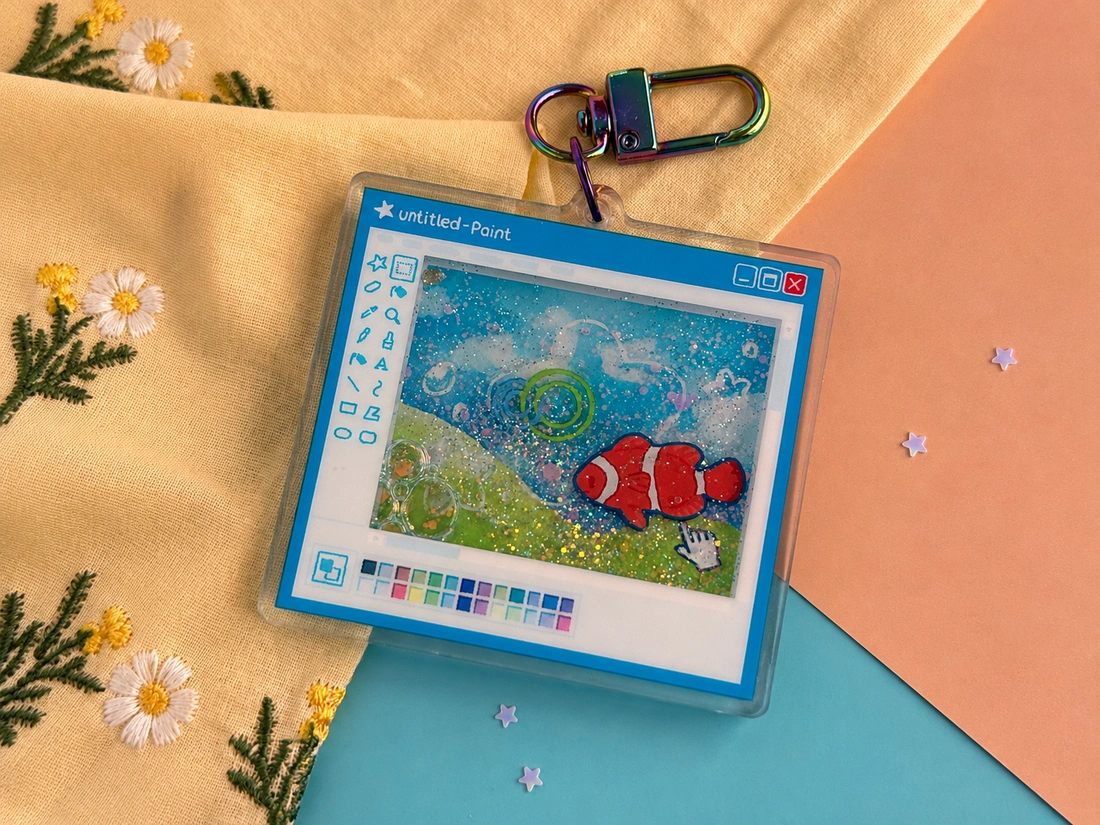
Liquid-Motion Display Gifts
Explore small desktop display pieces with decorative liquid chambers and branded designs.
Customization & Specifications
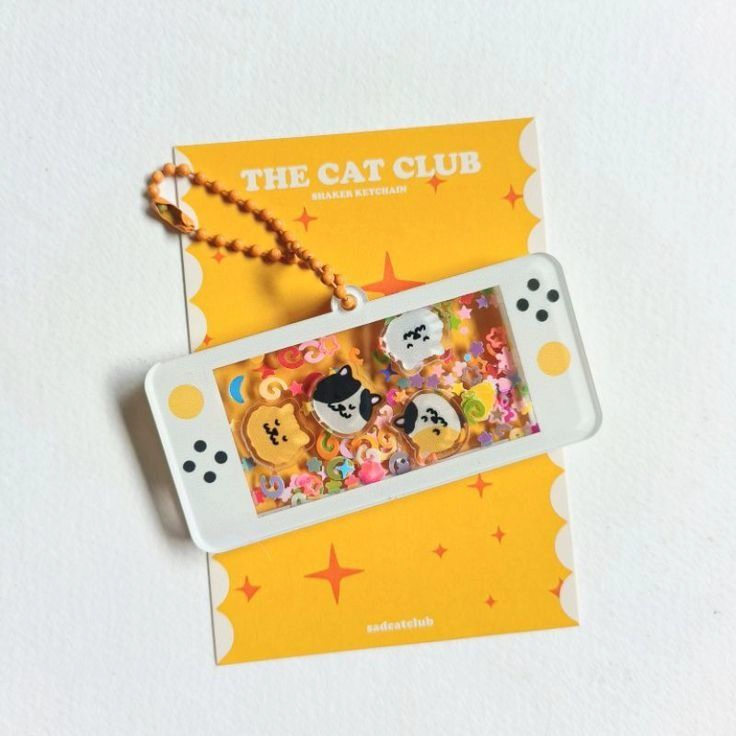
Shell Artwork & Product FormatPlan the outer shape, printed artwork, viewing area, and product attachments.
A liquid-filled acrylic product requires its visible artwork and internal liquid chamber to be designed together. Provide the preferred outer shape, finished dimensions, front and back graphics, and areas that should remain transparent. Printed details should not block the intended liquid movement or floating elements. Keychains also need suitable attachment positions, while tabletop products may require a separate support structure. The proposed shell, printing method, chamber boundary, and hardware arrangement should be reviewed before approving a sample.
Liquid Selection & Motion EffectsReview the liquid system, color, movement, and decorative contents.
The appearance and movement depend on the selected liquid formulation and any internal decorative elements. Water-based, oil-based, or other suitable liquid systems may behave differently, and their compatibility with the surrounding materials cannot be assumed. Where multiple liquids or phases are proposed, the intended separation, movement, and appearance need separate evaluation. Provide a visual reference showing the desired flow speed, color, transparency, and movement direction. The actual liquid composition and suitable production method must be confirmed before the design is treated as manufacturable.
Chamber Design & Fill LevelDefine cavity dimensions, liquid volume, movement clearance, and headspace.
The internal chamber should be planned around the intended fluid movement, product orientation, and overall shell dimensions. Chamber geometry, fill level, and the amount of remaining headspace can affect the appearance of bubbles and how the liquid moves when the product is tilted. Internal inserts may also require additional clearance to avoid unwanted interference. These details must be considered together with expected temperature changes and the properties of the selected liquid. Approved fill specifications and sample acceptance criteria should be defined for each design.
Sealing & Material CompatibilityReview fill ports, joining methods, leakage risks, and chemical compatibility.
A liquid-containing assembly requires a suitable enclosure and closure system. The selected liquid, acrylic or other shell material, joining method, printed surfaces, and any plugs or seals must be compatible with one another. Potential concerns include leakage, discoloration, cloudiness, stress cracking, and changes at the joined surfaces. A visually closed chamber is not necessarily proven leak-resistant. The actual construction, material information, and applicable sealing checks should be reviewed using representative samples before production approval.
Sampling, Quality & Export PackingEvaluate liquid appearance, sealing, handling, and shipping requirements.
Sample review should cover the finished dimensions, printed artwork, fill appearance, liquid movement, visible bubbles, internal debris, closure condition, and any signs of leakage. The required checks may also include defined orientation changes, temperature exposure, or transport simulations, depending on the product and destination. Packaging must account for liquid containment, shell protection, and the applicable carrier requirements. The liquid composition and transport classification should be confirmed before promising an international shipping method or delivery schedule.
Applications
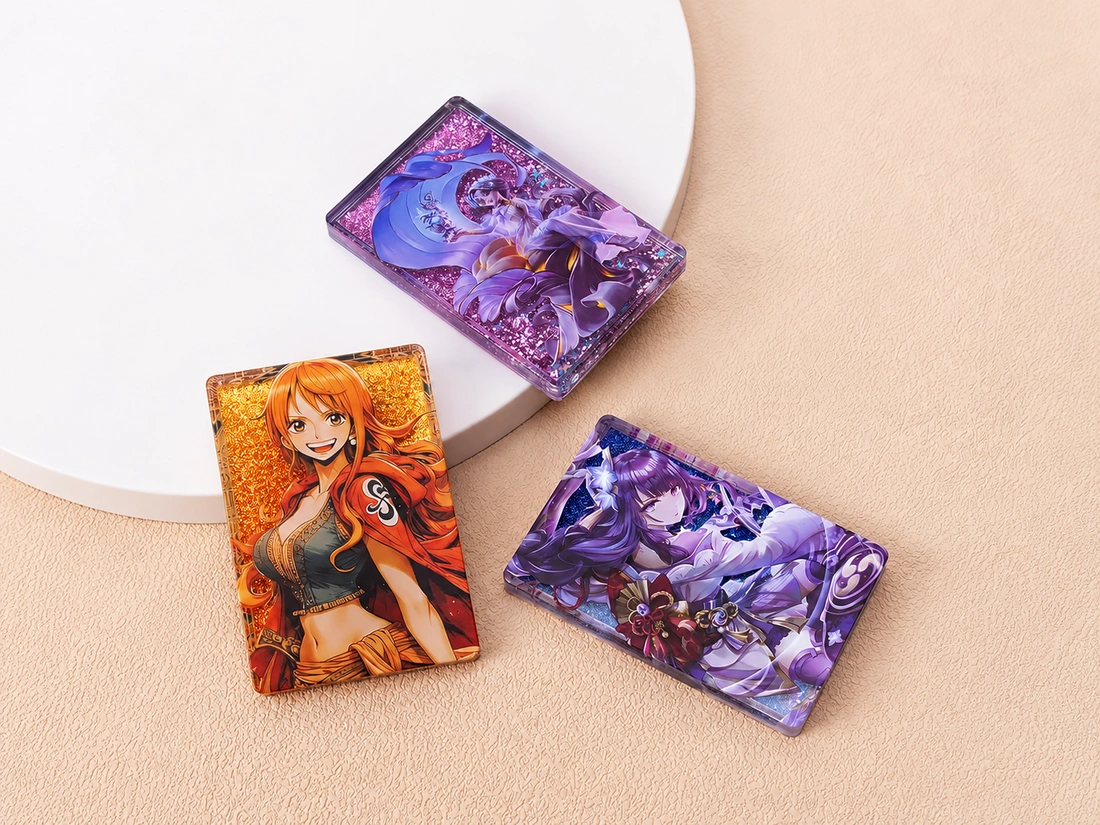
Character & IP Merchandise
Explore liquid-motion accessories using original or properly licensed character artwork.
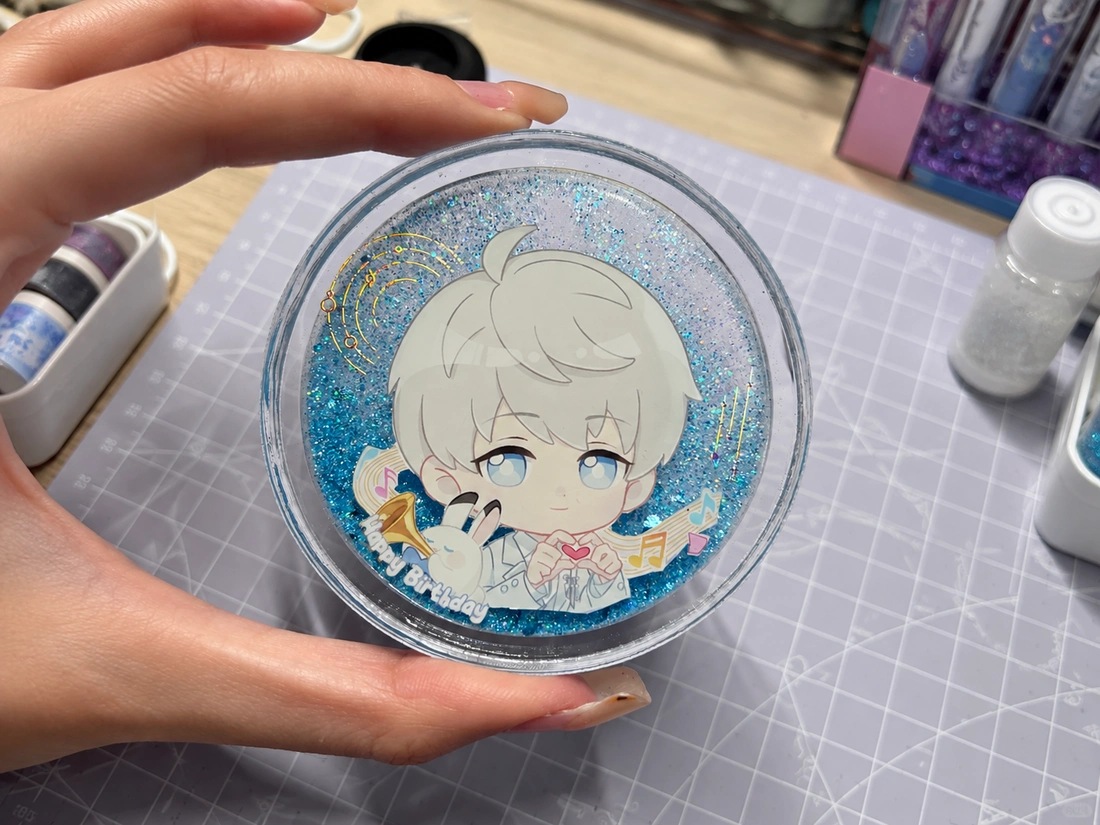
Artist & Creator Collections
Develop decorative liquid-filled concepts around original illustrations and themes.
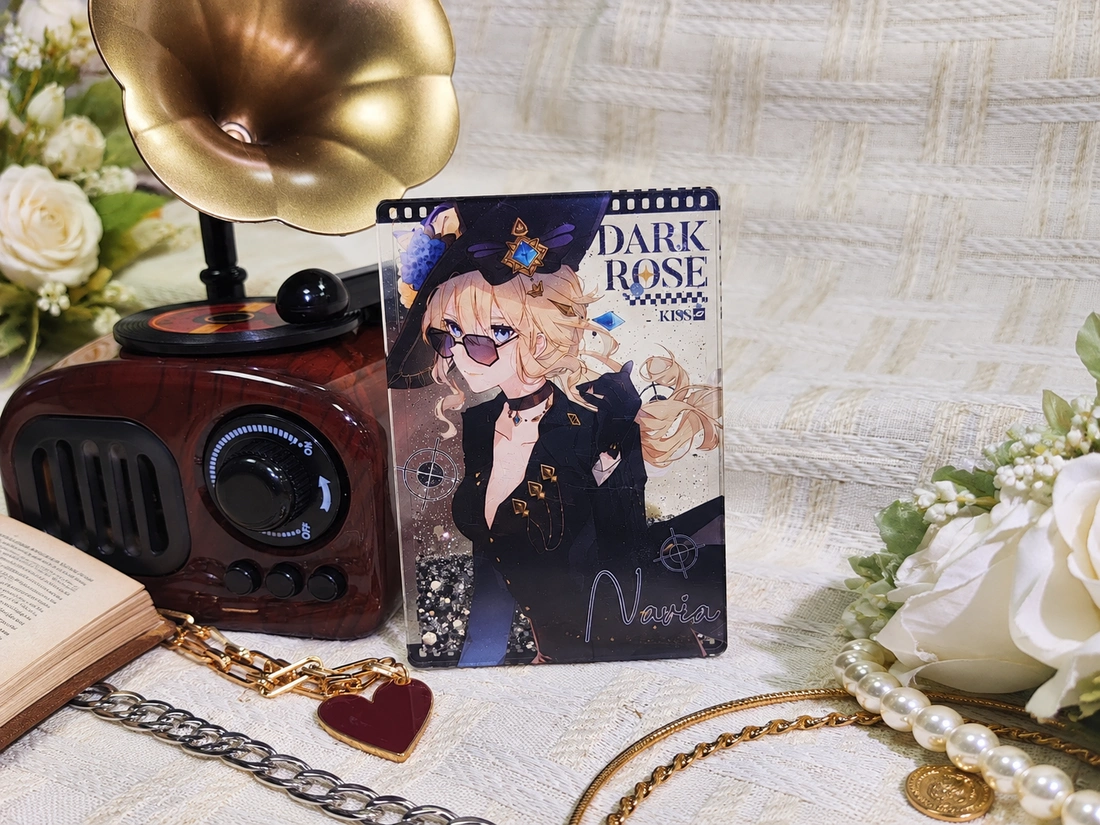
Novelty Gifts & Souvenirs
Plan creative liquid-motion products for themed gifts and souvenir assortments.
Private-Label Retail Programs
Review liquid-filled product versions, branding, and packaging for wholesale collections.
Frequently Asked Questions
View All FAQsWhat is the difference between a liquid-filled acrylic product and a dry shaker acrylic charm?
A liquid-filled acrylic product contains a specified liquid inside a purpose-designed chamber, allowing visible flow, floating elements, or other liquid-motion effects. A dry shaker charm contains loose decorative pieces in a chamber without liquid. Although both may use transparent panels and moving inserts, their construction requirements are different. Liquid-filled products require additional consideration of fluid composition, material compatibility, fill volume, sealing, temperature behavior, and transportation. The selected product type should be confirmed before artwork and production specifications are finalized.
Can water-based, oil-based, or multi-liquid effects be used in custom acrylic products?
Different liquid systems can produce different movement speeds, transparency, color, and visual separation effects. However, water-based and oil-based formulations cannot be treated as interchangeable, and combining liquids may introduce additional compatibility or stability requirements. The intended effect should be defined using reference images or a physical sample, including the desired flow behavior and color appearance. The proposed fluid composition must be evaluated against the enclosure materials, joining method, decorative components, expected temperatures, and shipping requirements before manufacturing feasibility is confirmed.
Can liquid-filled acrylic charms contain floating figures, glitter, or moving decorative inserts?
Decorative elements may be considered inside a liquid chamber, but their movement depends on the liquid properties and the inserts' material, density, size, shape, and surface characteristics. Some inserts may float, others may sink, and very small particles may collect together or move differently from larger pieces. Provide separate artwork or physical references for each proposed insert. The chamber geometry and fill arrangement should be reviewed together with these parts. Actual movement and visual appearance must be confirmed using a representative sample.
Why do fill level, headspace, and air bubbles matter in liquid-filled products?
The fill level and remaining headspace can influence liquid movement, visible bubble appearance, and how the chamber responds to changes in temperature. A visible bubble may be intentional in some designs, while unexpected bubbles can affect the approved appearance. The amount of liquid cannot be selected solely for visual fullness without considering the fluid and enclosure properties. Define whether bubbles are part of the intended effect and what appearance is acceptable. The final fill specification and handling conditions should be reviewed during sampling.
How is leakage prevented in a custom liquid-filled acrylic chamber?
Leakage control depends on the complete enclosure design, including panel joints, fill ports, plugs, sealing materials, and the selected manufacturing process. A closure that appears secure under ordinary visual inspection may not remain reliable under handling or temperature changes. The liquid and seal materials must also be compatible. Required performance should be defined through relevant sample evaluations, which may include orientation, handling, and transportation conditions. No construction should be advertised as permanently leak-proof without supporting evidence for the actual product.
Can the liquid damage acrylic, printing, adhesives, or other internal materials?
Material compatibility must be reviewed for the complete assembly. Some liquids or additives may affect certain plastics, printing systems, adhesives, seals, or decorative inserts, potentially causing cloudiness, color changes, softening, stress cracking, or other defects. The outcome depends on the actual chemical formulation, material grade, temperature, and manufacturing conditions. General acrylic compatibility tables can inform an initial assessment but do not validate a finished product. Request relevant material information and evaluate representative assembled samples before approving the selected liquid system.
Will the liquid color, transparency, and movement remain unchanged over time?
Long-term appearance cannot be guaranteed without suitable evidence for the chosen formulation and enclosure. Depending on the materials and exposure conditions, possible changes may include discoloration, cloudiness, particle settling, separation, fluid loss, or different movement behavior. Temperature, light exposure, storage orientation, and contact with internal materials may also affect the result. If shelf life or appearance stability is commercially important, define the required conditions and acceptance criteria. Suitable material information and validation should support any durability or care statements.
Can liquid-filled products be supplied prefilled, or can customers fill them themselves?
Factory-prefilled and customer-filled products are different supply configurations. A factory-prefilled product requires the filling process, closure, quality checks, and shipment of a liquid-containing finished item to be planned together. A customer-filled version may be supplied with an empty chamber or separate components, but it requires a suitable filling and closing design, clear instructions, and an assessment of the intended liquid. Neither option should be assumed available for every product. Confirm the required supply format and feasibility before developing the production specification.
What should be checked on a liquid-filled acrylic sample before bulk production?
Sample review should cover the shell dimensions, artwork alignment, fill appearance, liquid movement, internal inserts, visible bubbles, and condition of the joins or fill port. Inspect for unintended leakage, cloudiness, debris, deformation, or other defects identified in the project requirements. Where appropriate, define evaluations involving product orientation, repeated handling, temperature exposure, or transport conditions. Check attachments and packaging as part of the complete assembly. Acceptance criteria and any required test evidence should be documented before bulk production approval.
What affects MOQ, pricing, packaging, and international shipping for liquid-filled acrylic products?
MOQ and pricing depend on the shell design, chamber construction, liquid formulation, decorative inserts, printing, filling method, sealing, testing, and packaging. Different liquid compositions may also lead to different carrier acceptance or transport classification requirements. For a quotation, provide artwork, finished dimensions, the desired liquid-motion effect, liquid or fill references, attachment hardware, quantities per SKU, destination, and target date. The actual fluid composition, sample requirements, applicable shipping restrictions, pricing, and delivery schedule must be confirmed before an order proceeds.
Ready to Start Your Display Project?
Share your product, dimensions and quantity to discuss the next step.