
Custom Acrylic
Photocard Holders
Custom acrylic photocard holders for fan merchandise, character collections, and private-label retail. Explore hanging holders, tabletop displays, slide-in frames, and multi-card formats, with card fit, artwork, accessories, and packaging reviewed for each project.
Product Types
View All Acrylic Displays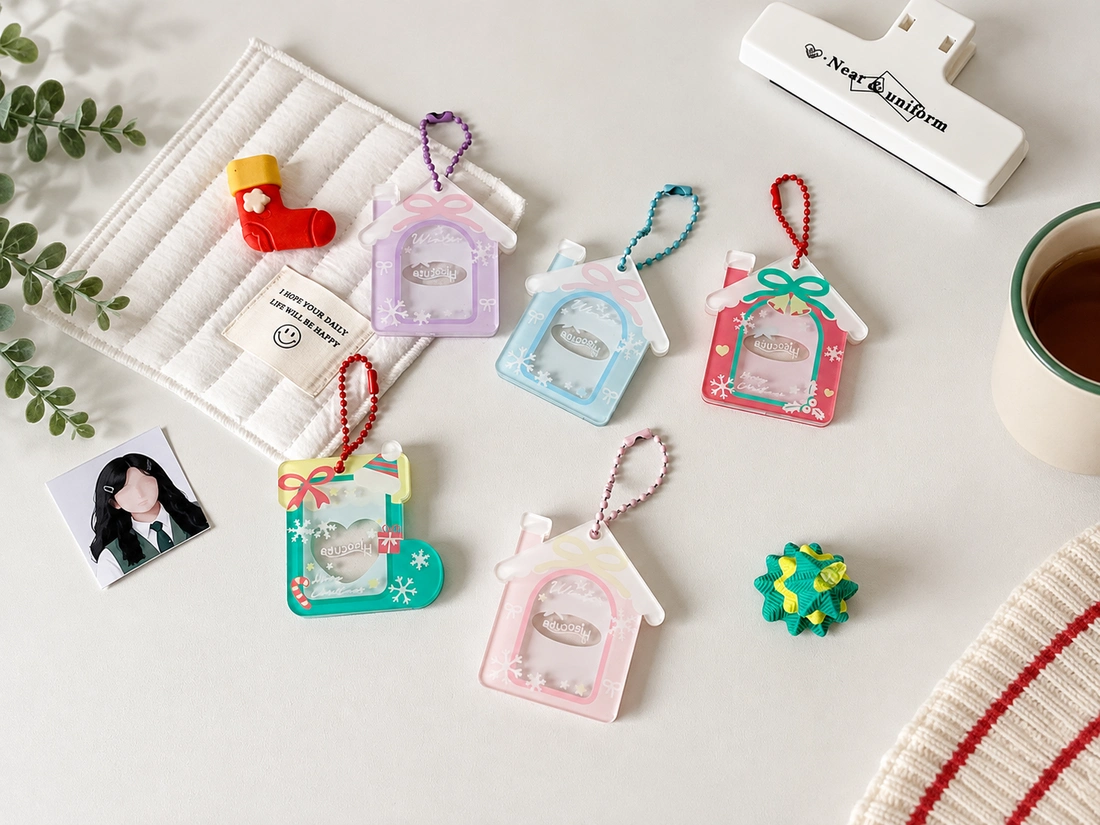
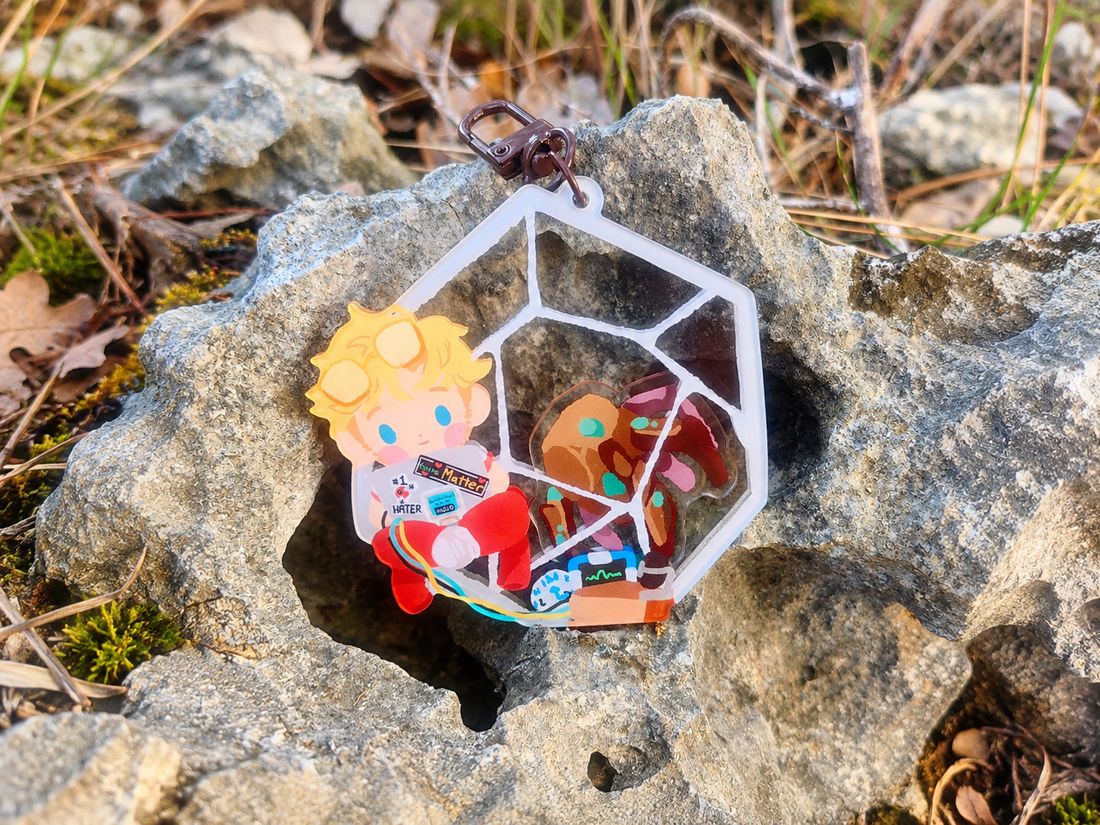
Acrylic Photocard Keychain Holders
Carry selected photocards in hanging holders with compatible rings or chains.
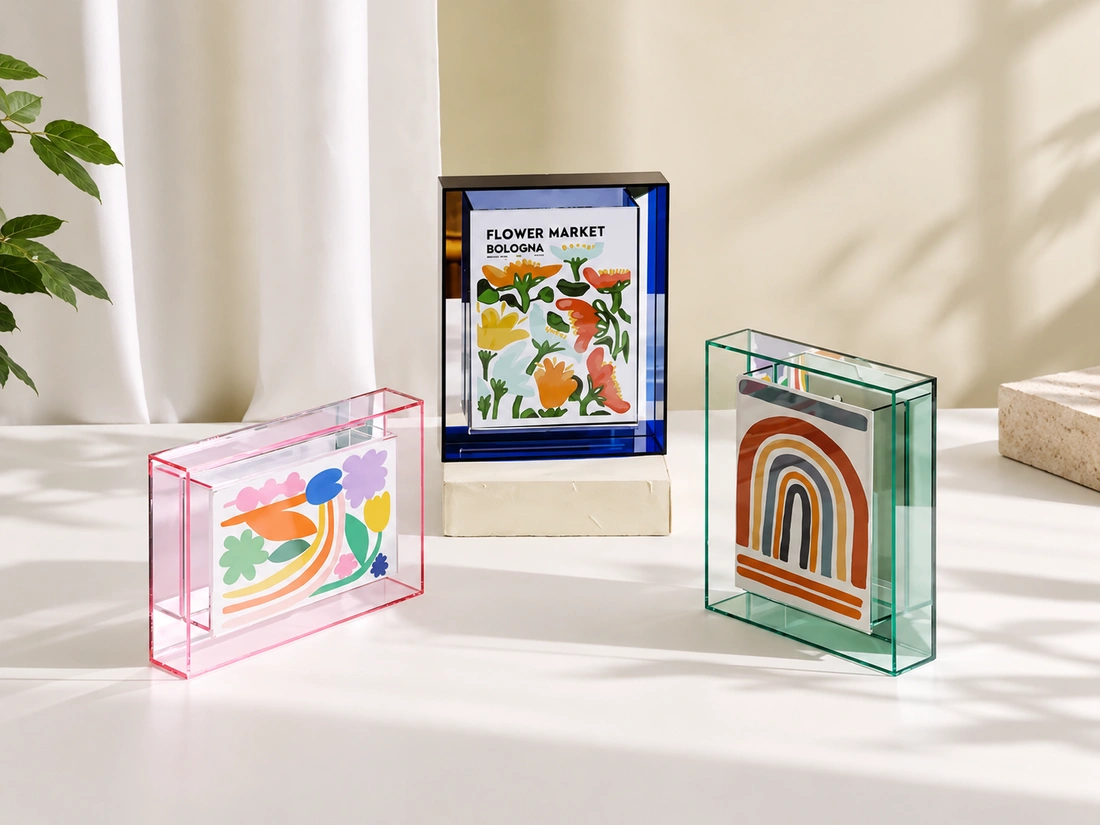
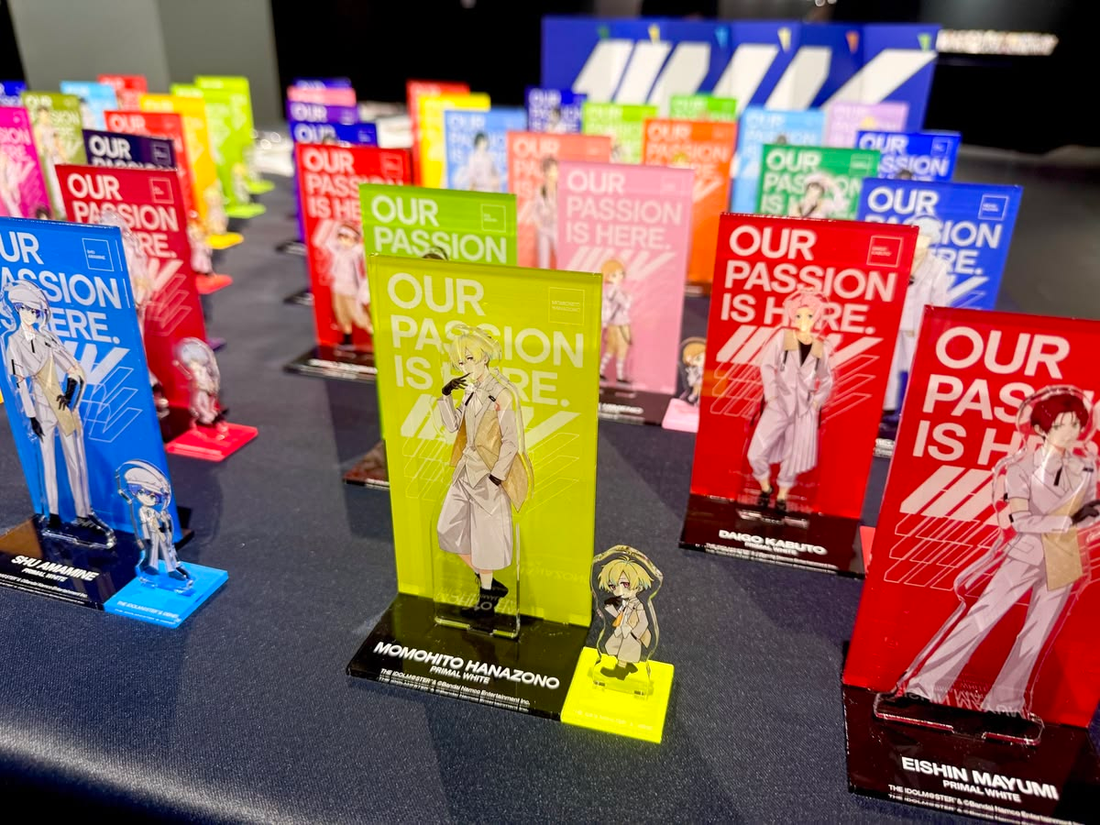
Desktop Photocard Display Stands
Present photocards upright on desks, shelves, and retail display surfaces.
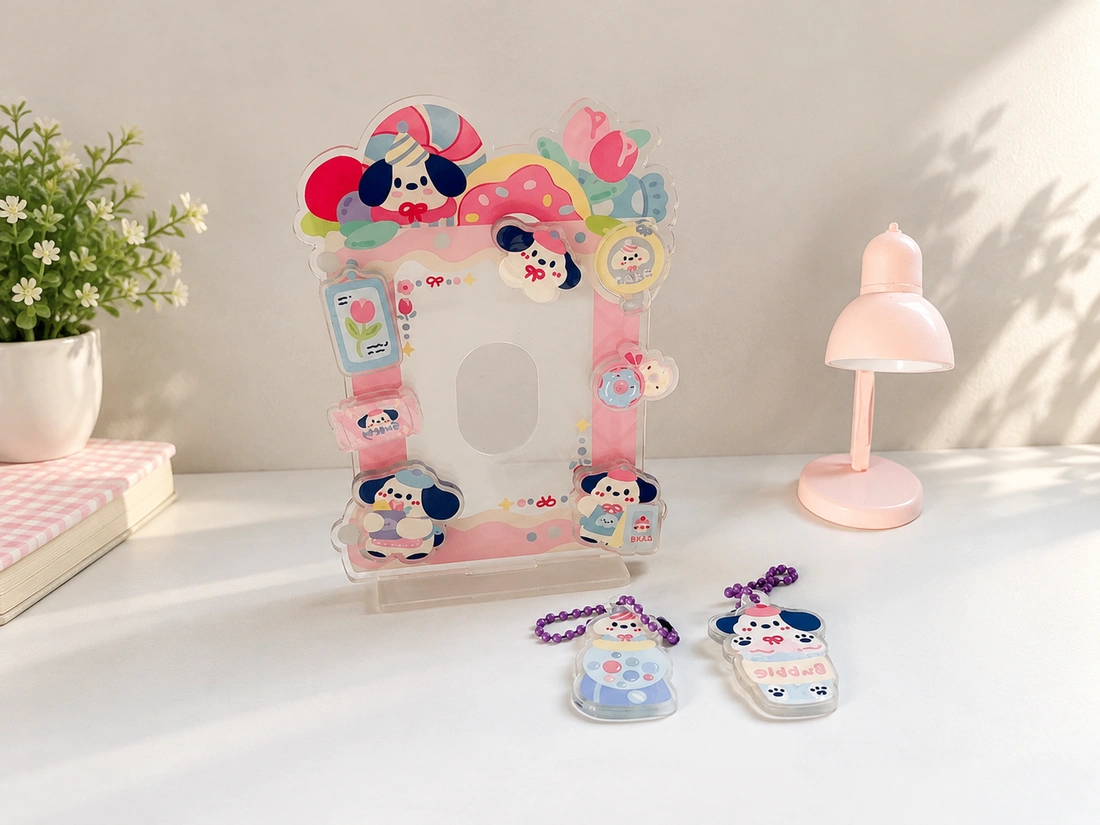
Slide-In Acrylic Photocard Frames
Review replaceable card formats with defined insert openings and viewing windows.
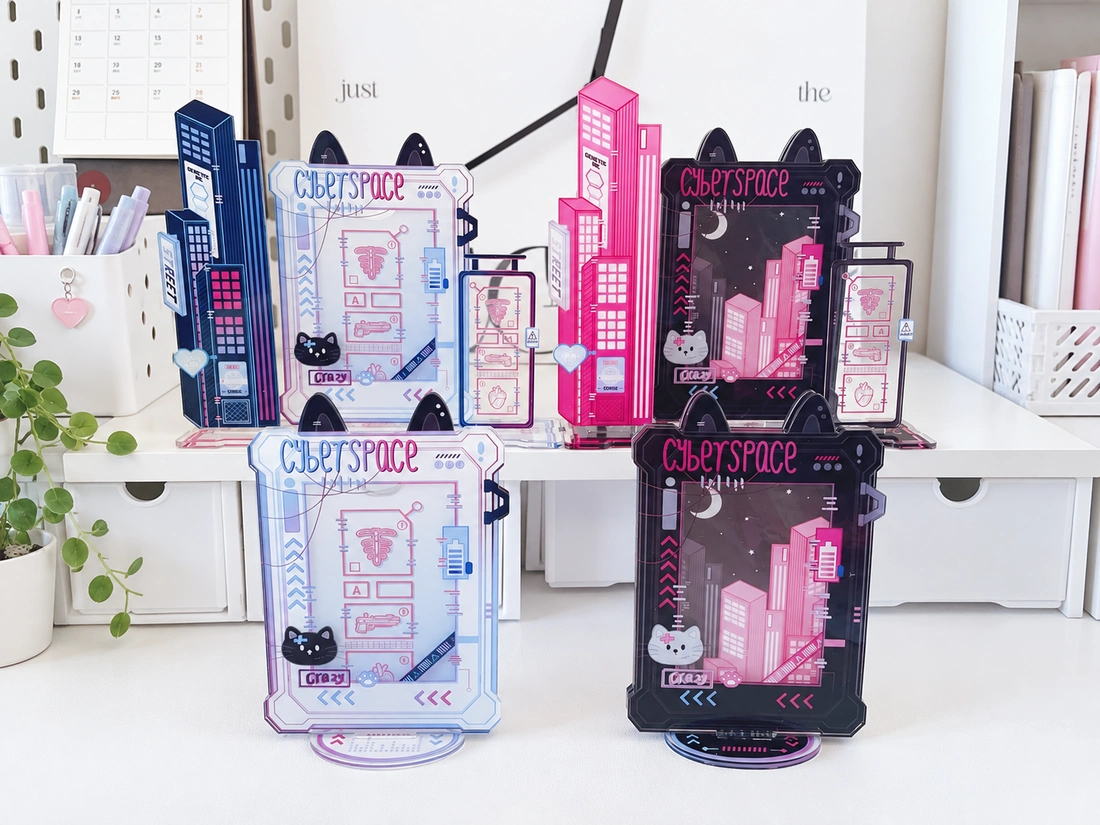
Multi-Card Acrylic Holders
Arrange two or more photocards within a coordinated display layout.
Customization & Specifications
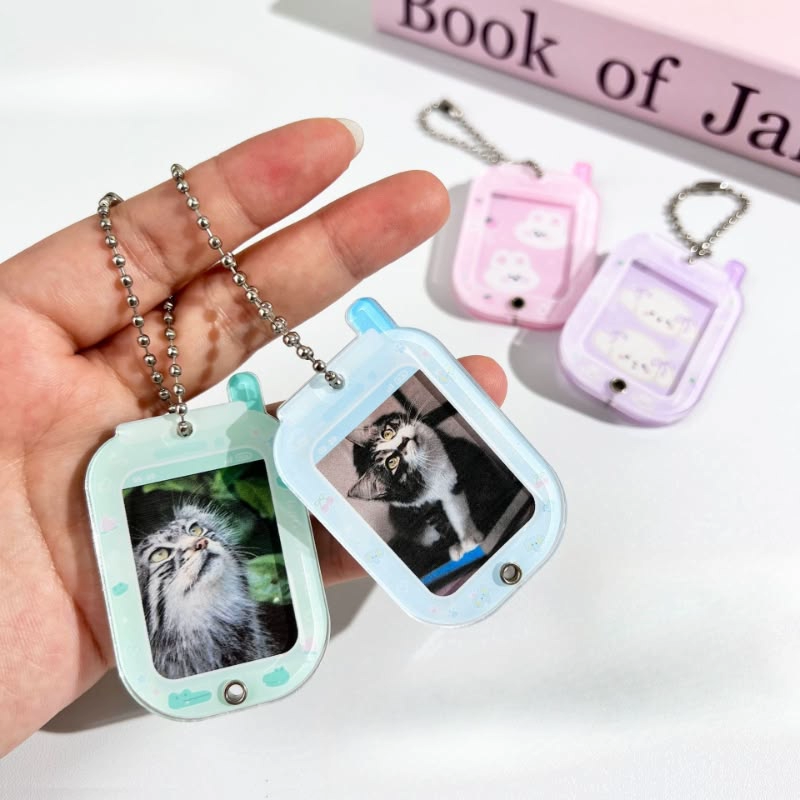
Photocard Size & Sleeve FitMatch the usable card space to photocards, sleeves, or toploaders.
Photocard dimensions vary between collections, and the card's finished size may differ from the size of its protective sleeve or toploader. Specify whether the holder is intended for a bare card, a sleeved card, or a card inside a rigid protective sleeve. Provide the actual width, height, and combined thickness of the intended insert. The holder's usable internal clearance and viewing window should be defined separately from its external dimensions. A physical reference card or sleeve can help confirm the fit.
Card Opening & RetentionReview insertion direction, card access, and holding arrangements.
The insertion method should allow the card to be placed and removed without unnecessary bending or surface contact. Side openings, top openings, or suitable layered constructions may be considered depending on the design. For portable holders, it is especially important to define how the card remains in place when the product is tilted or moved. The selected retention method should be reviewed for card clearance, ease of replacement, and the intended handling conditions before production approval.
Acrylic Structure & Display StabilityPlan panel construction, thickness, edges, and display support.
The holder structure should be reviewed according to its intended use, whether carried as an accessory or displayed on a tabletop. Material thickness, internal spacing, panel alignment, and exposed edges can affect the product's size, weight, and handling. Desktop versions may need a matching base or support arrangement, while hanging versions require suitable attachment points. The final assembly should be assessed for fit, stability, and practical use with the intended card.
Artwork & Viewing WindowCoordinate printed graphics with the visible photocard area.
Custom holder artwork may include decorative borders, character-inspired elements, logos, or branded graphics around the photocard window. Define the area that should remain clear so the inserted card can be viewed without unwanted obstruction. White ink, transparent regions, and front-to-back artwork orientation may affect the appearance of printed acrylic. Provide artwork and viewing-window references, and confirm the final print layers and visible card area during proof and sample review.
Attachments, SKU Sets & PackagingPlan hanging hardware, design versions, and retail-ready packing.
Hanging holders may require key rings, chains, clasps, or other compatible attachments, while desktop versions may include separate support components. Specify the required hardware, number of pieces per set, artwork variants, and quantity for each SKU. Packaging should protect acrylic surfaces, openings, edges, and any loose accessories. For retail collections, identify backing cards, individual bags, labels, or branded presentation requirements. Whether a photocard is included must be clearly stated in the approved pack-out.
Applications

K-pop & Fan Merchandise
Create coordinated photocard holders for original or properly licensed fan collections.

Character & Artist Merchandise
Pair original character artwork with replaceable photocard display accessories.

Collector Retail Collections
Offer coordinated holder designs for card display, carrying, and retail presentation.
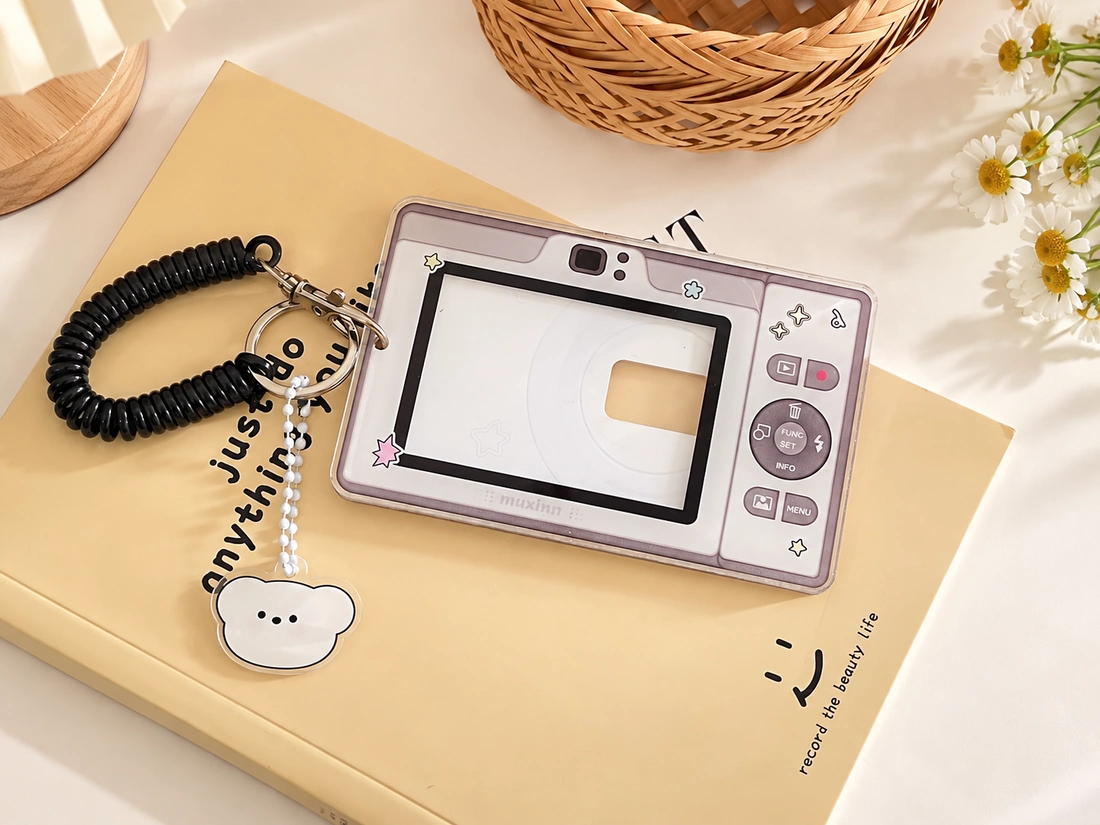
Pop-Up Shops & Events
Plan themed photocard holder collections for merchandise launches and event retail.
Frequently Asked Questions
View All FAQsWhat is the difference between an acrylic photocard holder and a trading card case?
An acrylic photocard holder is generally designed to display or carry a selected photocard, often using a hanging attachment, insert opening, or tabletop support. A trading card case may focus more on a rigid enclosure for specific collectible or sports card formats. Their designs can overlap, but they should not be treated as identical products. The correct choice depends on the card dimensions, whether a sleeve or toploader will be used, how often the card is replaced, and the level of protection required.
How do I size an acrylic photocard holder for bare cards, sleeves, or toploaders?
Start with the actual width, height, and thickness of the insert. A bare photocard, a card inside a soft sleeve, and a card inside a rigid toploader can have different overall dimensions. There is no single opening size that fits every collection. The holder also needs suitable clearance for insertion and removal without excessive movement. Provide measurements or physical samples of the exact card and protective materials you intend to use, and distinguish the usable interior space from the finished exterior dimensions.
Should I choose a slide-in opening or a layered acrylic photocard frame?
A slide-in design uses a defined opening through which the card or sleeve is inserted. A layered frame may hold the insert between acrylic components, depending on the construction and assembly method. These approaches can differ in thickness, card access, component count, and retention. Consider how frequently the photocard will be changed and whether additional hardware or assembly is acceptable. The proposed opening and holding method should be evaluated with the actual card before confirming the design.
How can a photocard be kept from slipping out of a hanging holder?
Card retention depends on the opening position, internal clearances, holder orientation, and selected closure or supporting structure. An open holder should not automatically be treated as secure when carried on a moving bag or lanyard. If the card must remain inside during regular movement, define the expected handling conditions and how the opening should be protected or retained. Review the completed sample with the intended card and attachment to assess whether the arrangement meets the agreed requirements.
How should a desktop acrylic photocard holder be designed for stable display?
A tabletop holder should account for the card orientation, acrylic frame dimensions, overall weight, viewing angle, and available support area. Designs using a separate base also require suitable tab, slot, or connection geometry. If the holder displays multiple photocards, the overall arrangement and weight distribution should be considered. Provide the intended card quantity, viewing direction, and display location so the proposed structure can be reviewed. The assembled sample should be checked for stability and convenient card replacement.
Can I add custom artwork without covering the inserted photocard?
Custom graphics may be positioned around the visible card window, on selected frame areas, or on other suitable surfaces of the holder. The artwork layout should identify the intended transparent area, decorative borders, and any required printed backing. White ink can affect opacity and color appearance on clear acrylic, depending on the printing construction. Provide the actual photocard dimensions and artwork files so the viewing window, print layers, and front-to-back orientation can be confirmed during proof and sample review.
What key rings, chains, and lanyard attachments can be considered for photocard holders?
Hanging holders may be evaluated with split rings, short chains, clasps, or other compatible attachment hardware. The selected component should suit the holder dimensions, attachment-hole position, finished weight, and expected use. Hardware can also change the hanging orientation and overall product length. If the holder will be carried on a bag or lanyard, identify the intended connection arrangement. Component availability, assembly, and relevant handling performance should be confirmed through the selected design and sample.
Are acrylic photocard holders scratch-proof, waterproof, or UV-protective?
A standard acrylic photocard holder should not automatically be described as scratch-proof, waterproof, airtight, or UV-protective. Its performance depends on the acrylic material, openings, joints, surface finish, and overall construction. Some designs provide an exposed viewing area or an open insert slot rather than a sealed enclosure. If your customers require particular card protection, identify the expected conditions and request appropriate materials and evidence. Cleaning and handling instructions should also be based on the selected construction.
What should be checked on a custom acrylic photocard holder sample before bulk production?
Sample approval should cover the finished dimensions, usable card space, insertion clearance, viewing-window size, edge appearance, artwork registration, and any printed transparency effects. Test the holder with the actual photocard, sleeve, or toploader specified for the order. Hanging versions should be reviewed for attachment fit and card retention, while tabletop versions should be checked for stability. Packaging and the approved SKU configuration should also be confirmed. Record the acceptance requirements before bulk production proceeds.
What affects MOQ, pricing, packaging, and delivery time for custom acrylic photocard holders?
MOQ and unit pricing depend on the holder dimensions, acrylic construction, artwork, printing requirements, assembly, accessories, packaging, and quantity per design. Hanging holders, multi-card frames, and desktop versions may involve different components or setup requirements. For a quotation, provide the intended card or sleeve dimensions, reference images, artwork, preferred construction, required hardware, quantity per SKU, packaging details, destination, and target date. Sampling requirements, production timing, and shipping should be confirmed for the selected project configuration.
Ready to Start Your Display Project?
Share your product, dimensions and quantity to discuss the next step.