

Custom Acrylic
Display Trays & Organizers
Custom acrylic display trays and organizers help brands arrange small retail products by size, category, and presentation needs. Explore open trays, divided compartments, fitted inserts, and modular layouts designed around product visibility, customer access, and restocking.
Product Types
View All Acrylic Displays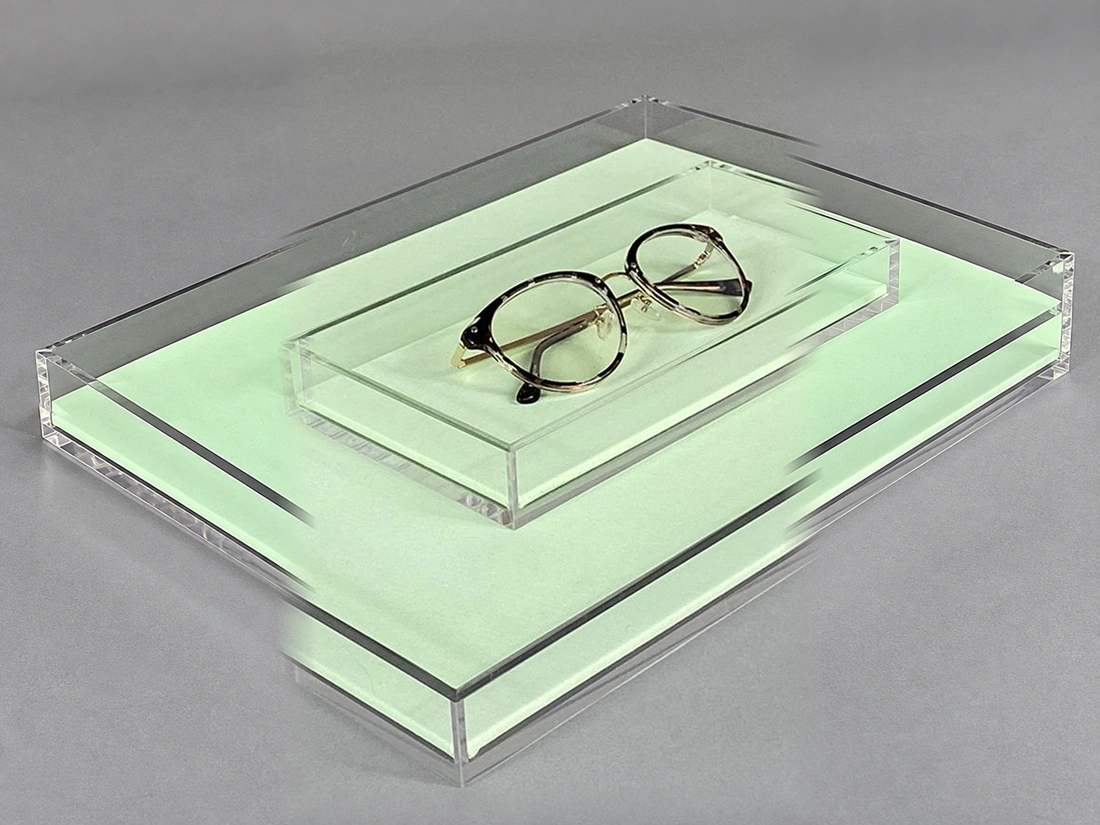
Open Acrylic Display Trays
Organize grouped products on a clear, accessible presentation surface.
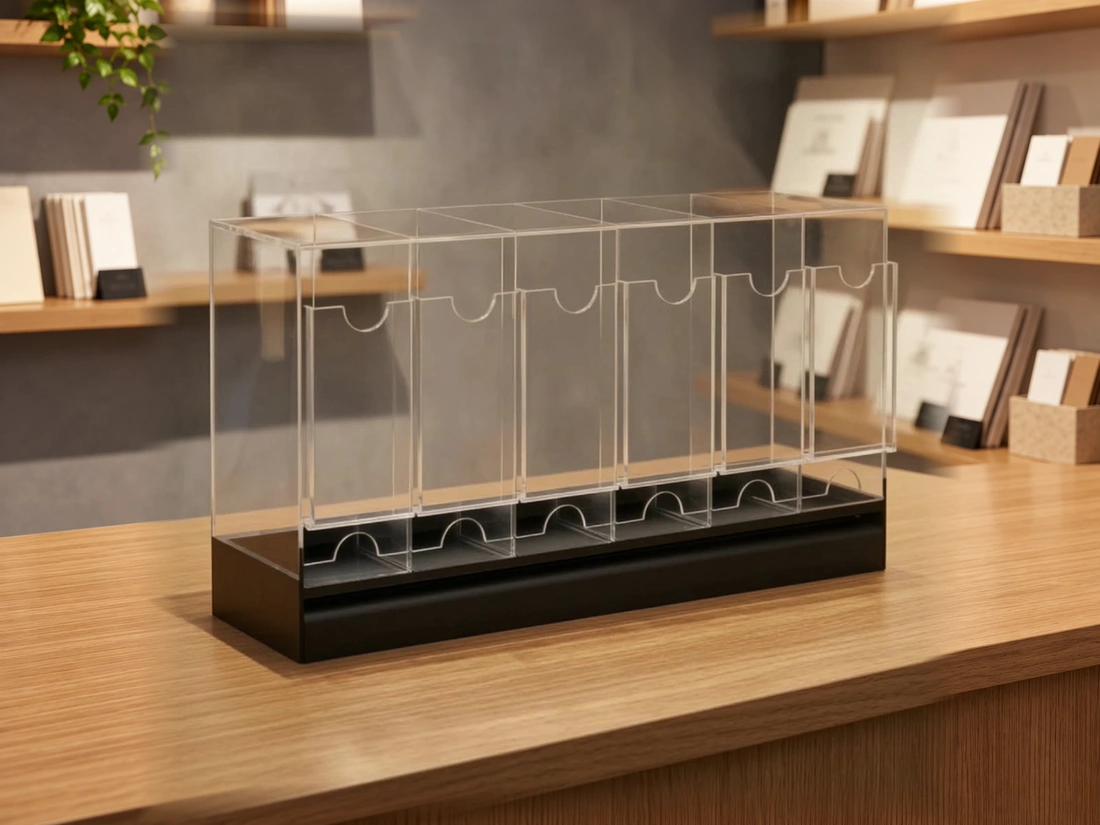
Compartment Display Trays
Separate small products and SKUs with defined individual compartments.
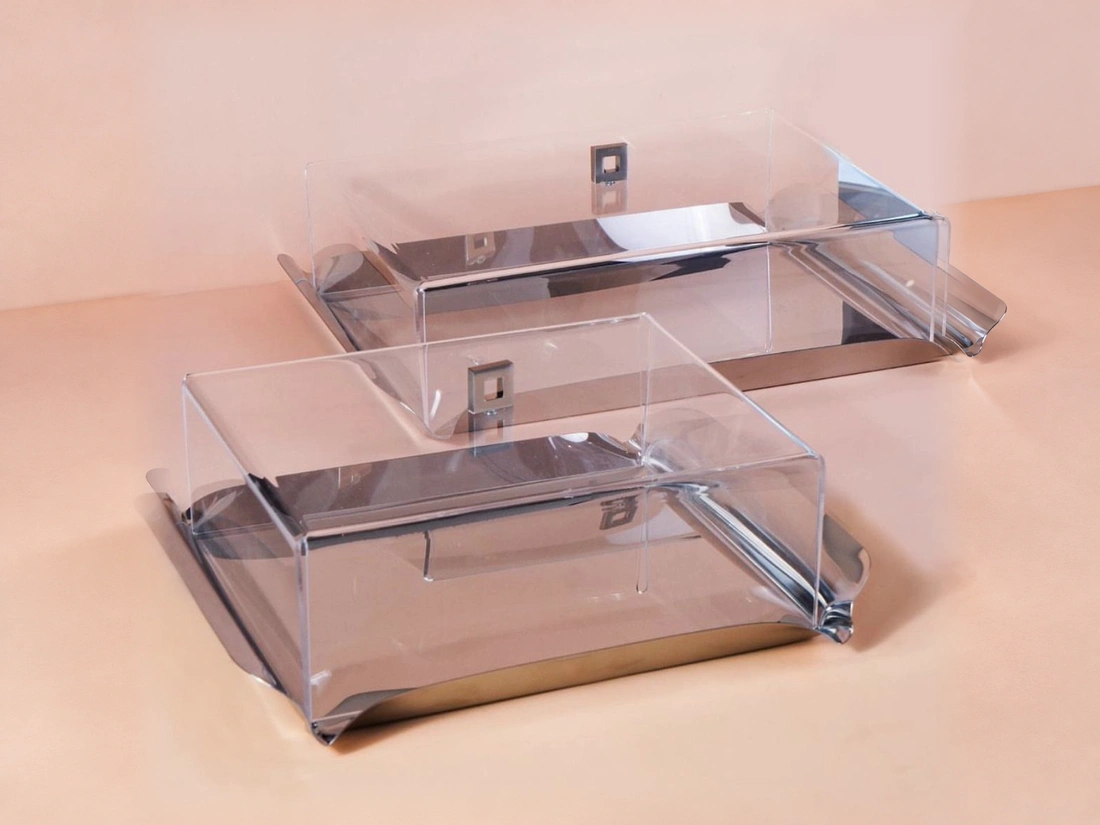
Fitted Insert Trays
Position selected items within product-specific openings or inserts.
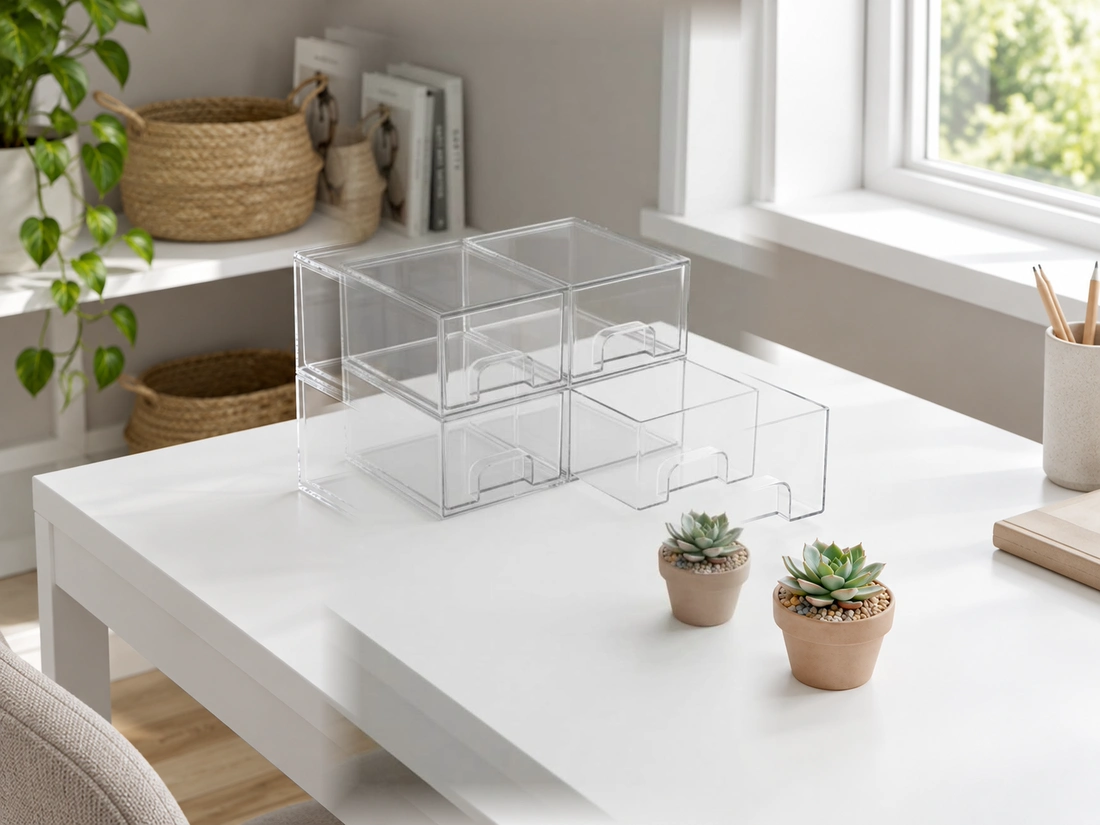
Modular Organizer Sets
Combine compatible trays and sections for flexible retail arrangements.
Customization & Specifications
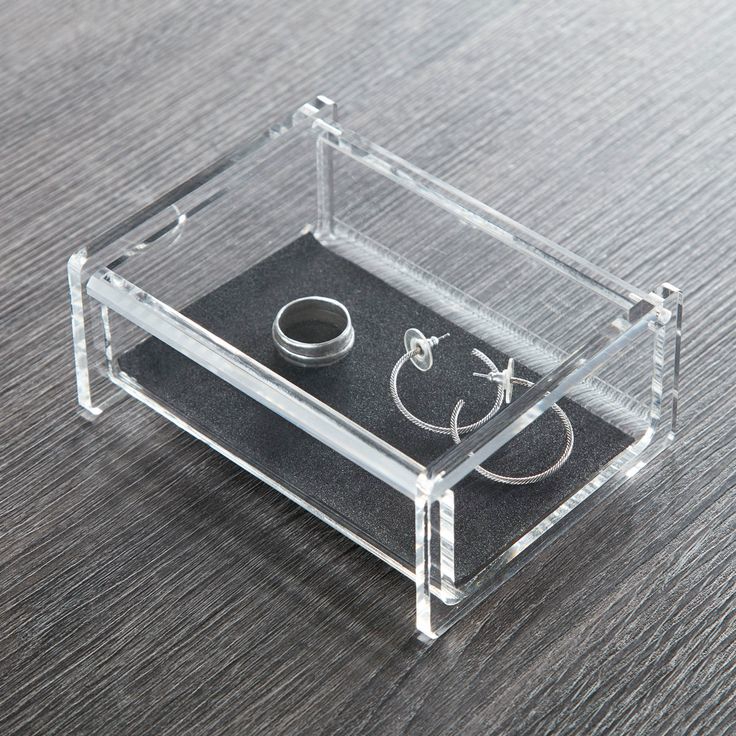
Tray Size & Product FitDefine tray dimensions around your merchandise and display space.
Start with the width, depth, height, and weight of each product, including retail packaging where applicable. Consider the number of items to be displayed, available counter or shelf space, and the clearance needed for customers or staff to remove products. For trays with raised sides or inserts, distinguish the usable internal dimensions from the overall external footprint.
Compartments & DividersOrganize different products with suitable compartment layouts.
Compartment dimensions should be planned around individual product sizes, quantities, and the intended arrangement. Fixed dividers can establish a consistent layout, while removable or interchangeable sections may be considered when assortments change. Provide the number of compartments, required internal measurements, and expected product movement. Divider construction and any removable features need to be evaluated for the proposed design.
Materials & ConstructionReview acrylic appearance, thickness, and structural requirements.
Clear acrylic can keep merchandise visible, while tinted or opaque options may create contrast between product groups. Thickness and construction depend on tray dimensions, side-wall height, joints, supported weight, and expected handling. Edge appearance and exposed contact areas should also be considered. The suitable material and fabrication approach are confirmed against the actual project requirements rather than one universal specification.
Branding & Product IdentificationPlan logos, labels, and visual separation between product groups.
Branding may be incorporated through selected logo areas, graphic panels, or product information elements. When a tray holds several SKUs, consider whether labels or category identifiers are required and whether they need to be replaced during restocking. Provide artwork, preferred placement, color references, and any retailer presentation guidelines. Appropriate marking or graphic application methods should be confirmed for the selected material and layout.
Handling, Cleaning & PackagingReview product access, maintenance needs, and shipping protection.
A useful retail tray should allow products to be removed and replenished without unnecessary handling of surrounding items. Identify expected cleaning frequency, handling conditions, and any sensitive product contact surfaces. Packaging should protect acrylic faces, edges, and divider connections during transportation. If several tray designs form one retail set, provide the required set contents, labeling, and packing arrangement.
Applications

Cosmetics & Skincare
Keep packaged beauty products and samples separated for clear retail presentation.
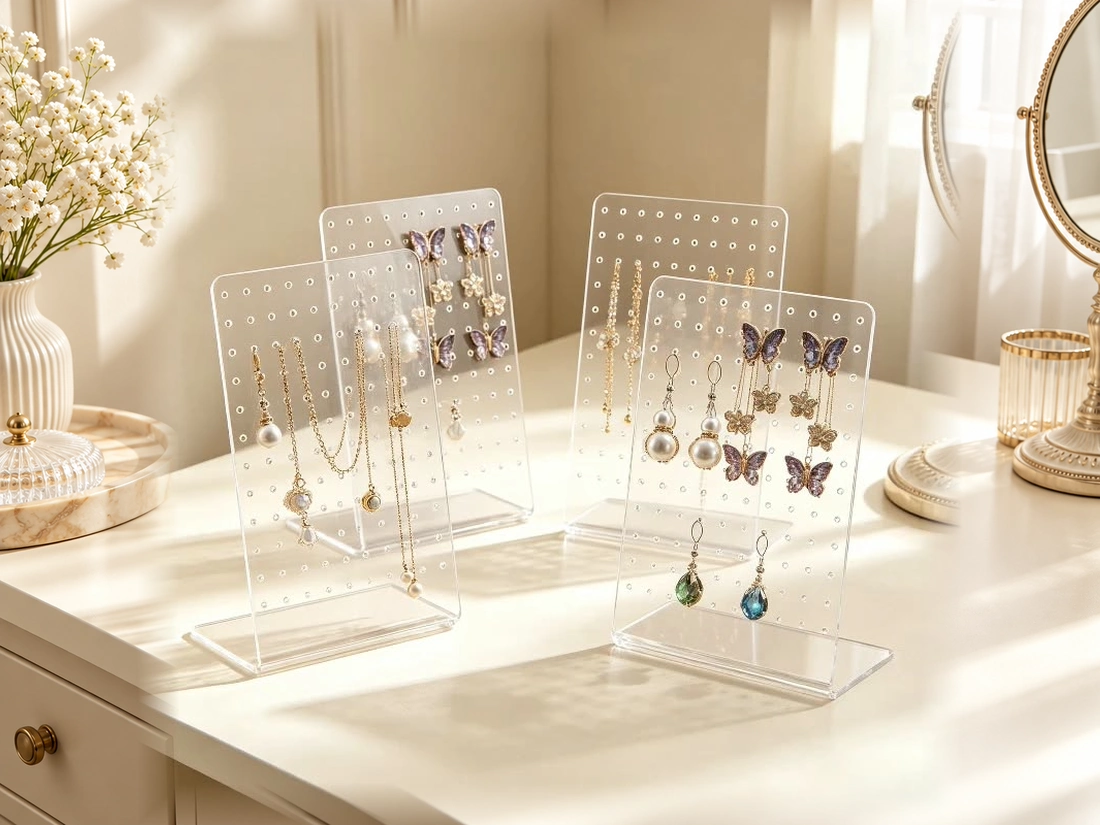
Jewelry & Accessories
Organize small accessories into visible groups with defined tray sections.

Stationery & Gift Items
Arrange small gifts, stationery, and seasonal merchandise for easy browsing.

Electronics & Small Accessories
Present packaged cables, adapters, and compact accessories in organized sections.


Frequently Asked Questions
View All FAQsWhat is the difference between an acrylic retail display tray and a general storage organizer?
A retail display tray is designed primarily around merchandise presentation, product visibility, and customer access. A general storage organizer may place greater emphasis on holding or sorting items outside a selling environment. Their structures can overlap, but retail trays often need to account for SKU layout, product removal, replenishment, branding, and the available counter or shelf space. The intended use should be defined before choosing the tray layout.
Should I choose an open acrylic tray or a divided compartment tray?
An open tray may work well when products can be grouped without individual separators and customers need easy access. A divided tray is more suitable when different SKUs, colors, sizes, or small items should remain in defined positions. Consider how products will be picked up, returned, and replenished during normal store use. Provide your assortment and target quantity per tray so the appropriate layout can be reviewed.
How do I determine the correct tray size and compartment dimensions?
Measure the maximum width, depth, and height of each product, including its packaging or any protruding components. Then define the number of items required in each section and the clearance needed to remove them. For divided trays, specify usable internal compartment dimensions separately from divider thickness and the overall tray size. The available counter or shelf footprint also matters, especially when several trays will be placed together.
Can acrylic tray dividers or inserts be removable or interchangeable?
Fixed dividers are useful for a stable and consistent product arrangement. Removable or interchangeable dividers may be considered when product sizes or assortments change, but their construction must account for fit, movement, and repeated handling. Not every tray layout is suitable for a removable system. If interchangeable sections are required, identify the intended configurations and the frequency of changes before the design is finalized.
How are acrylic thickness, stability, and handling requirements determined?
Tray thickness and construction should be reviewed against overall dimensions, side-wall height, divider design, joint configuration, and the expected weight of the contents. The way a tray is handled also matters; a stationary display and a tray that staff frequently lift may require different structural considerations. Provide the intended maximum load and handling conditions so the design and relevant sample checks can be evaluated.
What acrylic colors, finishes, and branding options can be considered?
Clear, tinted, opaque, and other suitable acrylic appearances can be evaluated according to the merchandise and brand presentation. Clear materials may help customers see products and compartment contents, while colored elements can provide contrast. Logo placement, product labels, and printed graphics should be planned around product contact areas and visibility. Share artwork and color references so available material and marking options can be confirmed for the proposed design.
How should acrylic retail trays be designed for product access and restocking?
The layout should make products easy to identify, remove, and replenish without disturbing adjacent items unnecessarily. Consider compartment depth, product orientation, required finger clearance, and whether staff need to rotate or replace stock frequently. If several SKUs share one tray, provide the planned quantity and position of each version. These details help determine the arrangement more effectively than the outside tray dimensions alone.
What affects MOQ and pricing for custom acrylic display trays and organizers?
MOQ and pricing depend on tray dimensions, material requirements, construction, divider quantity, finishing, branding, and packaging. An open tray may have different fabrication and assembly requirements from a tray containing multiple compartments or fitted inserts. When a project includes several layouts, colors, or sizes, specify the quantity for each version separately. This allows quotations to reflect the actual product configuration rather than only the combined order volume.
Can I review a physical acrylic tray sample before bulk production?
A physical sample can be discussed before bulk production, with its scope, cost, and preparation time confirmed for the project. Useful review points include the overall footprint, compartment dimensions, product fit, divider alignment, stability, surface appearance, and ease of access. Where removable components are included, their fit and handling should also be checked against the agreed requirements. Approved changes should be recorded in the final production specification.
What information do you need to quote custom acrylic trays, packaging, and delivery?
Please share a drawing or reference image, the intended use, overall tray dimensions, and the products to be displayed. Include product sizes and weights, compartment quantities and layouts, preferred acrylic appearance, branding requirements, and estimated order quantity for each version. Also specify whether trays will be packed individually, as retail sets, or in bulk, along with the destination and target date. Production and shipping estimates can then be evaluated against the agreed project details.

Ready to Start Your Display Project?
Share your product, dimensions and quantity to discuss the next step.