

Custom Acrylic
Mahjong Storage
Cases
Custom mahjong storage cases help American mahjong brands organize tiles, racks, pushers, and accessories in a defined case configuration. Explore tile storage boxes, full-set cases, compartmented organizers, and branded presentation formats, with fit, protection, and packing reviewed for each project.
Product Types
View All Acrylic Displays
Mahjong Tile Storage Boxes
Organize a defined tile inventory in a dedicated rigid storage box.
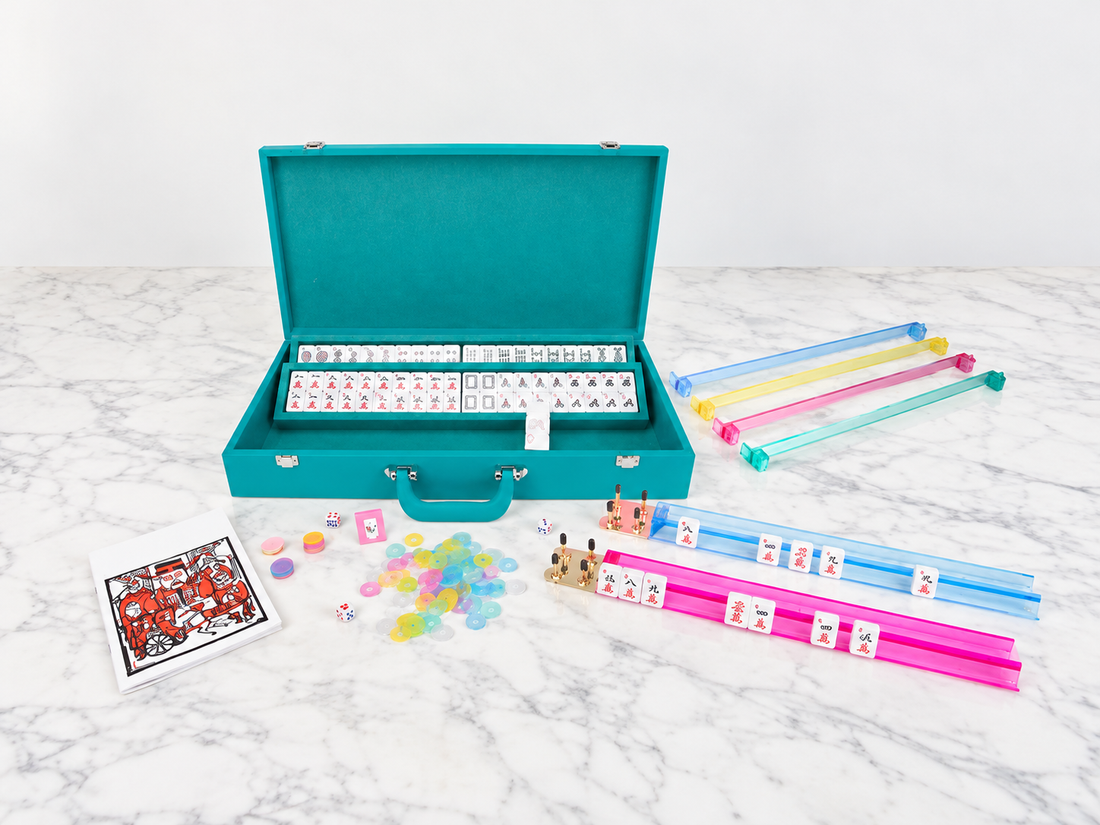
Full-Set Mahjong Cases
Plan storage for tiles, racks, pushers, and selected game accessories.
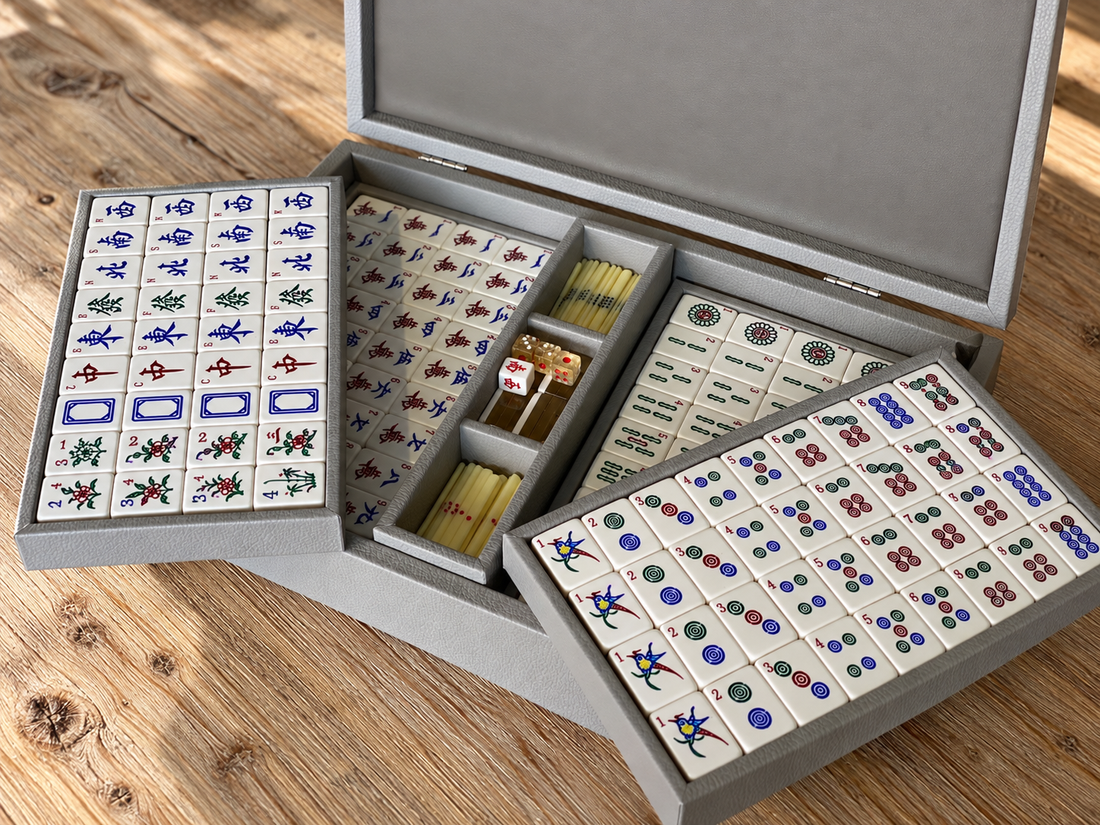
Compartmented Organizer Cases
Separate tiles and small accessories with planned compartments or inserts.
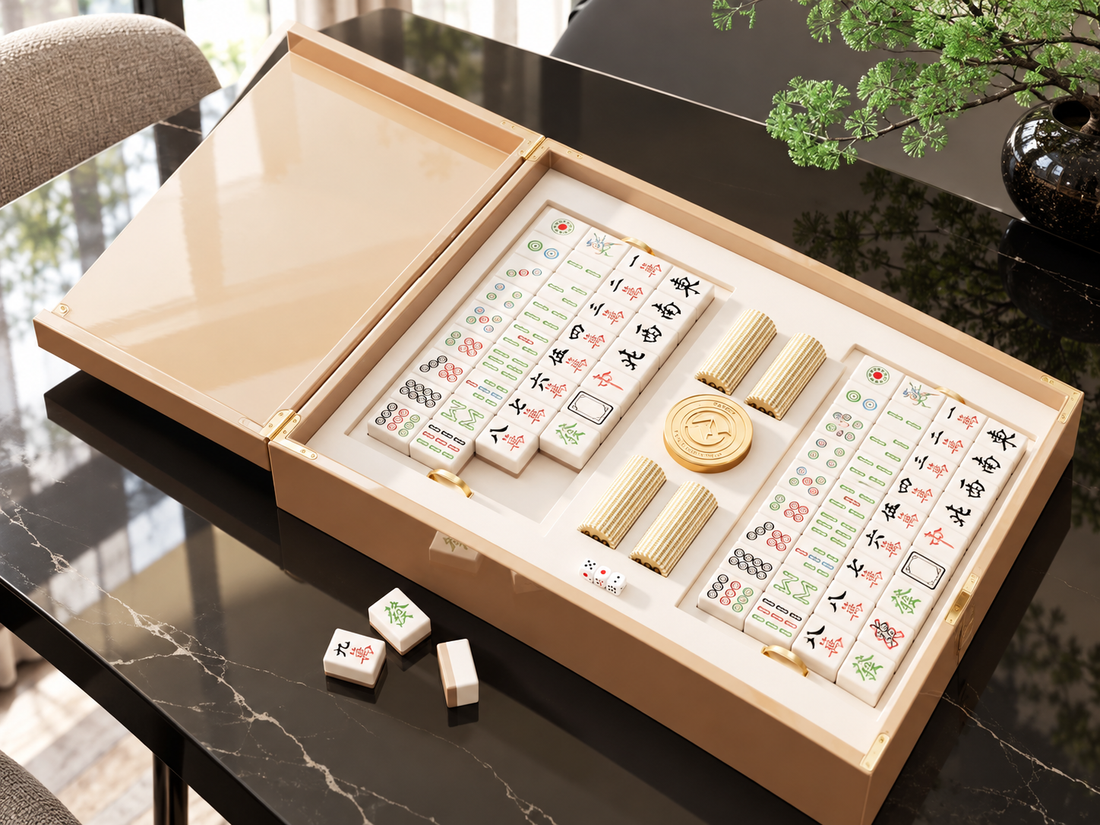
Branded Presentation Cases
Explore custom finishes, graphics, and case details for branded mahjong collections.
Customization & Specifications
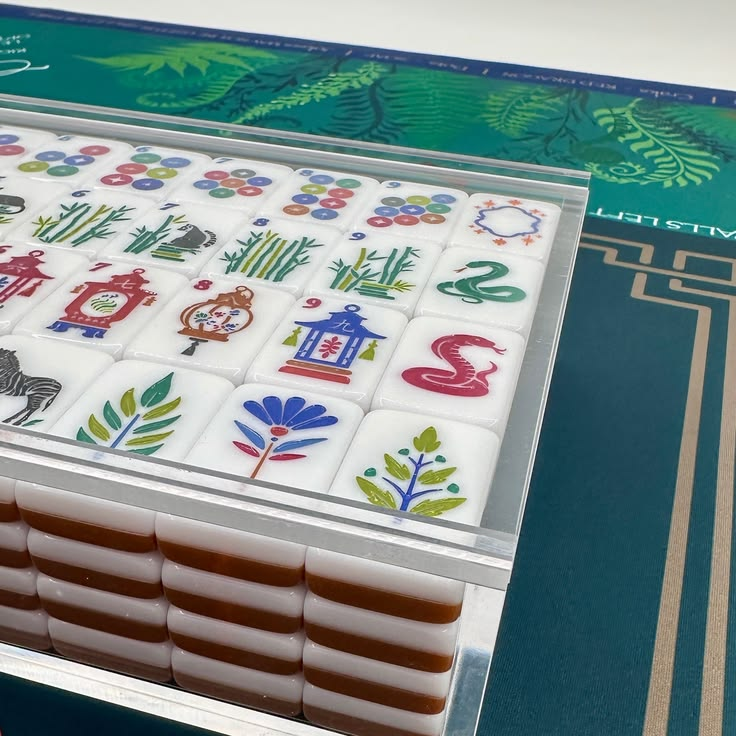
Set Contents & Internal DimensionsPlan usable case space around tiles, racks, and accessories.
Begin with a complete inventory of the items that need to fit inside the case. Specify the number of mahjong tiles, individual tile dimensions, rack and pusher sizes, and any additional accessories. Interior space should account for the chosen arrangement, dividers, liners, and the clearance needed to remove components. The case's usable internal dimensions must be distinguished from its external dimensions. If a mat is included, provide its actual folded or rolled storage size.
Compartments, Trays & LinersOrganize components and reduce unwanted movement during storage.
Internal compartments can help separate tiles, racks, pushers, dice, chips, and other accessories. Define which items should remain grouped and whether removable trays or fixed partitions are preferred. Compartment dimensions should allow practical access without excessive movement. Contact surfaces, divider edges, and any proposed lining materials should be reviewed for compatibility with the stored products. A loaded sample is useful for checking the final arrangement.
Case Construction & ClosuresReview the case body, lid, hinges, fittings, and handling requirements.
The case construction should be planned around its size, loaded weight, and intended handling. Lift-off lids, hinged openings, selected closure hardware, or carrying handles may be evaluated depending on the design. Each option introduces different requirements for alignment, connection points, opening clearance, and assembly. If the case will be carried when full, the handle and its attachment to the complete structure should be reviewed against the intended load and relevant sample requirements.
Acrylic Appearance & BrandingCoordinate transparency, color, graphics, and visible surfaces.
Clear acrylic may be selected when the contents should remain visible, while tinted or opaque elements can create different branded appearances. Provide your preferred case color, logo artwork, finish references, and any requirements for coordinating the case with mahjong tile backs or other accessories. Surface appearance, edge finishing, and graphic placement should be considered alongside the construction. Available materials and branding methods need to be confirmed for the selected design.
Protective Packing & ShippingPlan internal protection, carton requirements, and complete-set packing.
The packed case should be evaluated with its intended contents, including the weight and position of the tiles and accessories. Internal dividers, protective materials, and component separation may help limit movement and surface contact. External shipping packaging must also account for exposed case edges, corners, hinges, handles, and other fittings. Provide the expected shipping method, destination, and packing quantity so the case and its transport packaging can be reviewed together.
Applications

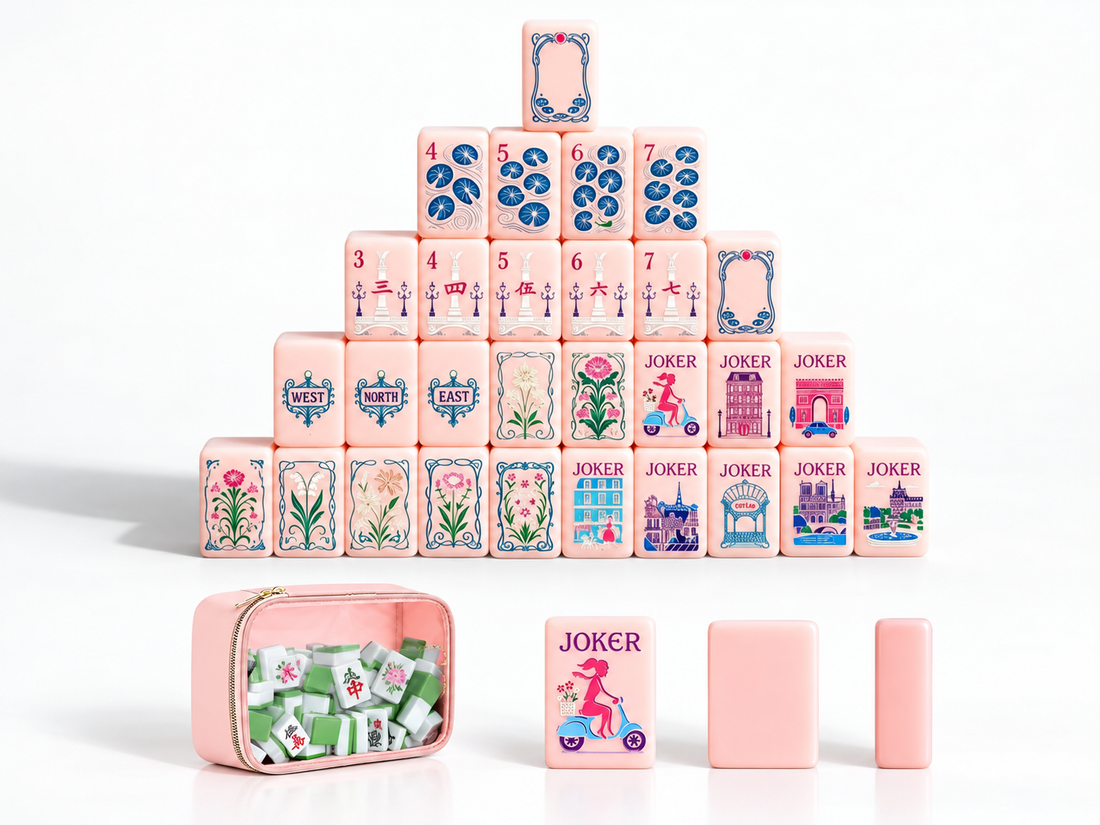
Private-Label Mahjong Sets
Coordinate storage cases with custom tiles, accessories, and branded collections.

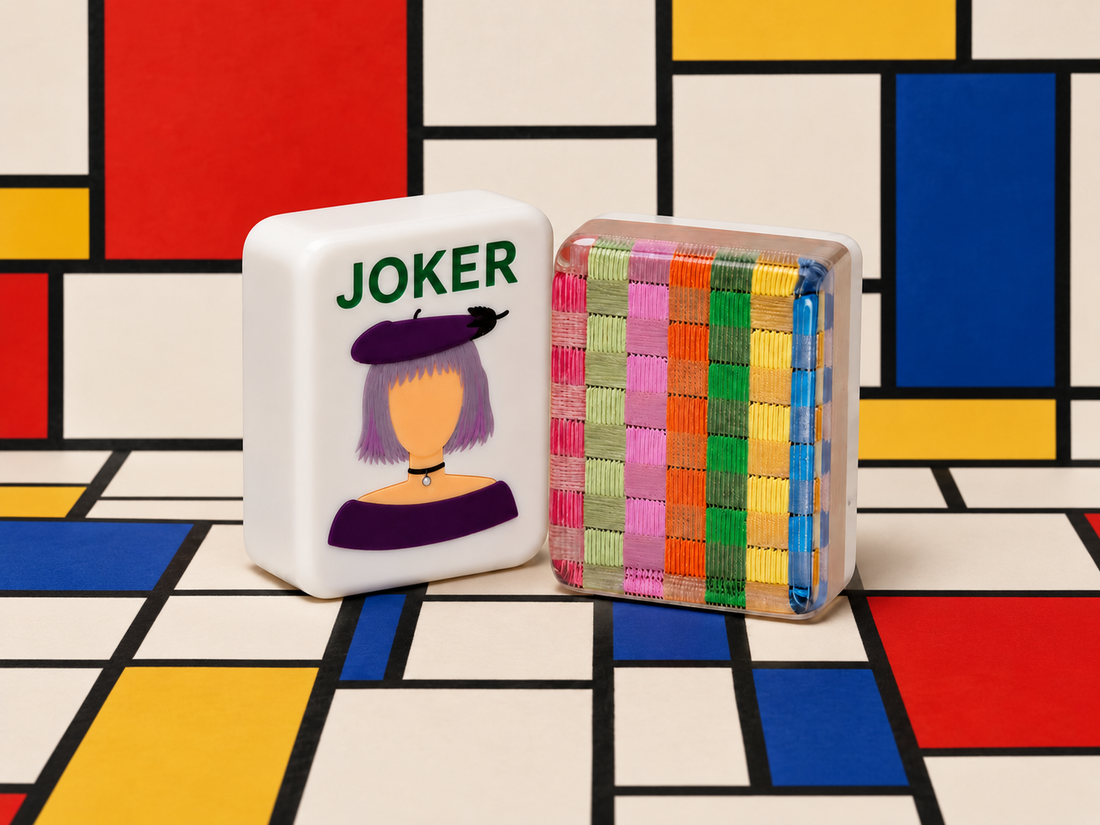
Retail & Wholesale Programs
Plan consistent case formats and set contents for branded retail assortments.
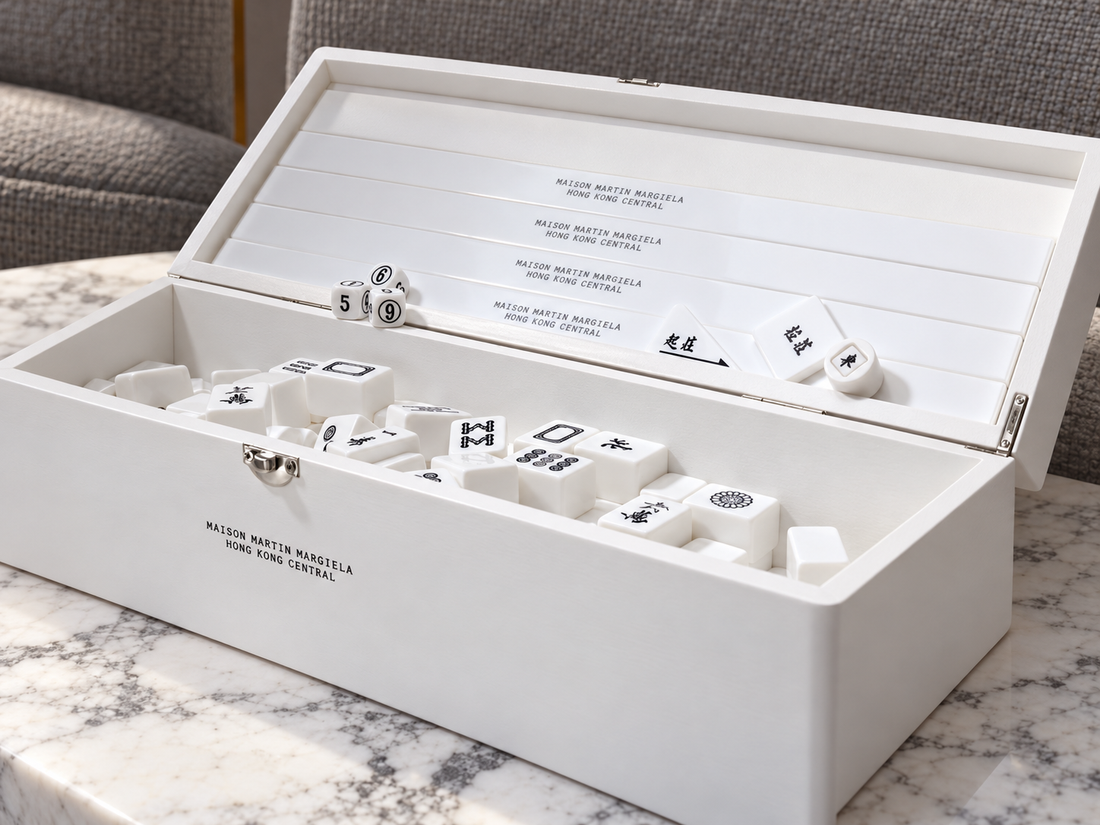
Gift & Collector Editions
Present selected mahjong collections with coordinated storage and case styling.
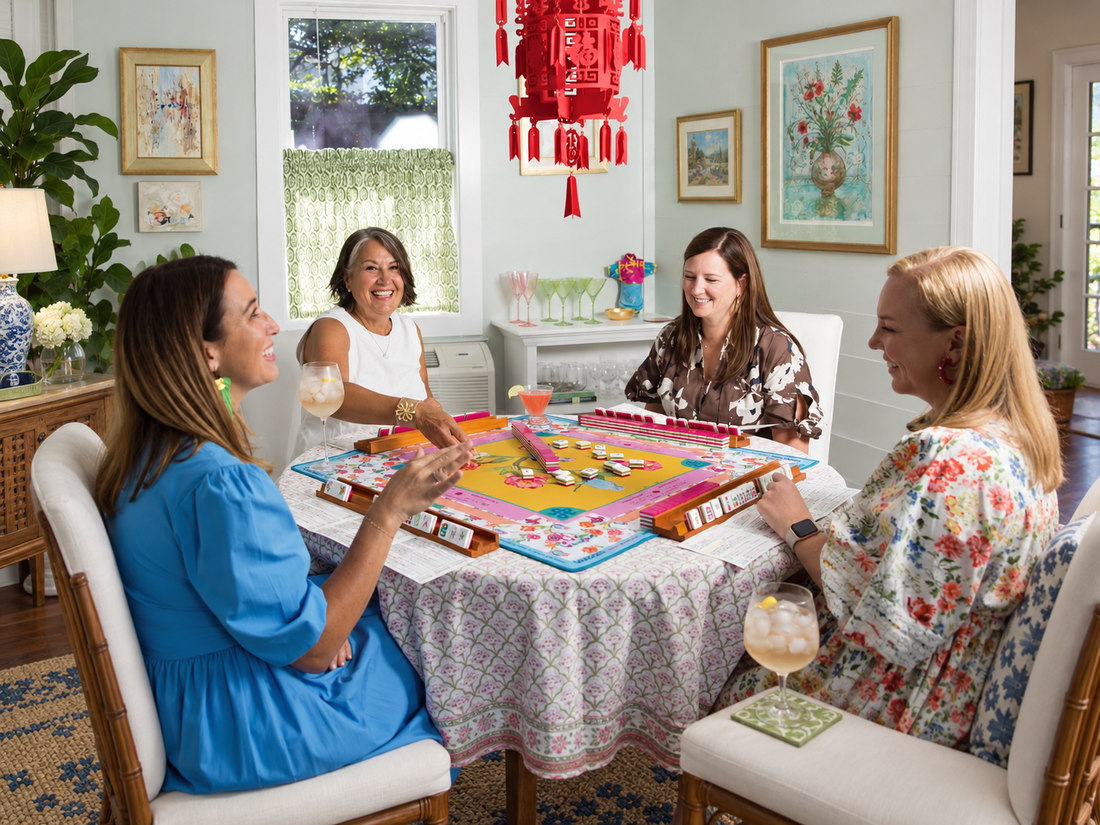
Mahjong Clubs & Events
Organize complete game components for group use, handling, and storage.
Frequently Asked Questions
View All FAQsWhat is the difference between a mahjong storage case, a carrying bag, and retail packaging?
A mahjong storage case provides a defined enclosure for organizing tiles and accessories, often using a rigid body or structured compartments. A carrying bag generally uses textile or other flexible materials and may be intended for easier transport. Retail packaging focuses on how the product is presented and supplied to the customer. Some designs combine these functions, but their materials and protection requirements differ. Specify whether the priority is storage, carrying, retail presentation, or a combination.
How do I determine the correct storage case size for my American mahjong tiles?
Start with the exact tile inventory and the height, width, and thickness of the individual tiles. The required space depends on how the tiles will be arranged, whether they will be stored in rows or trays, and the thickness of any dividers or liners. A 152-tile playing configuration and a retail package containing additional Jokers, blanks, or spares may require different storage layouts. Define the usable internal space before confirming the case's external dimensions.
Can one storage case hold tiles, four racks, pushers, and a mahjong mat?
A complete-set case can be evaluated for multiple components, but the actual fit depends on their dimensions and arrangement. Rack and pusher length may determine the minimum case size, while tile trays, dice, chips, and other accessories require additional space. A mat may need separate storage depending on its rolled or folded dimensions. Provide a complete component list and actual measurements so the proposed layout can be checked before the case dimensions are approved.
How should compartments, dividers, and removable inserts be designed?
Compartments should be sized around the actual components and the way they will be removed or replaced. Fixed dividers can maintain a consistent layout, while removable trays or inserts may be considered when different set configurations are required. The arrangement should limit unnecessary movement without making access difficult. Divider thickness, contact surfaces, and any lining materials also affect usable capacity. A fully loaded sample helps verify whether the proposed organization works in practice.
Should I choose a lift-off lid, hinged case, or case with carrying hardware?
The most suitable construction depends on how the case will be stored, opened, and handled. A removable lid may suit a stationary presentation box, while a hinged opening can keep the lid connected during use. Carrying handles or additional closures require consideration of the loaded weight, attachment points, and structural alignment. These features are not automatically available in every case design. The preferred opening and handling requirements should be defined before selecting the construction.
How can mahjong tiles and acrylic surfaces be protected from scratches or movement?
Protection depends on the interior layout, the movement of stored components, and the materials that contact them. Separate compartments, suitable liners, or protective inserts may help reduce abrasion and unwanted contact during handling. However, no storage configuration should automatically be described as scratch-proof or impact-proof. If the case will be transported regularly, identify the expected handling conditions and review the loaded arrangement and packaging through appropriate sample checks.
Can acrylic mahjong storage cases be customized with logos, colors, and special finishes?
Case colors, transparency, branding areas, and selected finishes can be reviewed according to the proposed material and construction. Provide your logo artwork, color references, preferred graphic placement, and any requirements for matching the mahjong tiles or accessories. Clear and opaque elements may create different presentation effects. Special surface effects or decorative structures may involve additional materials or fabrication steps, so their availability and final appearance should be confirmed through the project and sample review.
Can a rigid acrylic mahjong case be used as a portable carrying case?
Portability depends on the complete case construction, loaded weight, handle or grip design, closures, and expected handling conditions. A rigid acrylic case is not automatically suitable for frequent travel simply because it has a handle. If the case will be carried when full, provide the approximate total weight and intended use. The structure, attachment points, opening security, and protective packaging should then be reviewed. Any required carrying or impact performance should be defined and supported by appropriate testing.
What affects MOQ, pricing, and sampling for custom mahjong storage cases?
MOQ and pricing depend on the case dimensions, materials, construction, interior compartments, hardware, surface finishes, branding, assembly, and packaging. A tile-only box may have different requirements from a full-set case containing long racks, pushers, and separate accessories. A physical sample can be discussed before bulk production to review the loaded fit, opening method, finish, and component arrangement. Sample costs, preparation time, and the applicable order quantity should be confirmed for each project.
What information is needed for a custom mahjong storage case quotation and delivery estimate?
Please share a drawing or reference image, the intended case material and appearance, and a complete list of the items to be stored. Include tile dimensions and count, rack and pusher measurements, accessory quantities, preferred internal layout, and any lid or carrying requirements. Branding artwork, estimated quantity per design, packaging preferences, destination country, and target date are also useful. The quotation, sampling plan, production timing, and shipping requirements can then be reviewed against the proposed configuration.
Ready to Start Your Display Project?
Share your product, dimensions and quantity to discuss the next step.