

Custom American
Mahjong Mats
Custom American mahjong mats for private-label brands, retail collections, and wholesale programs. Explore printed playing surfaces, cushioning, grip, and roll-up designs, with dimensions and packaging planned around your table, tiles, and racks.
Product Types
View All Acrylic Displays
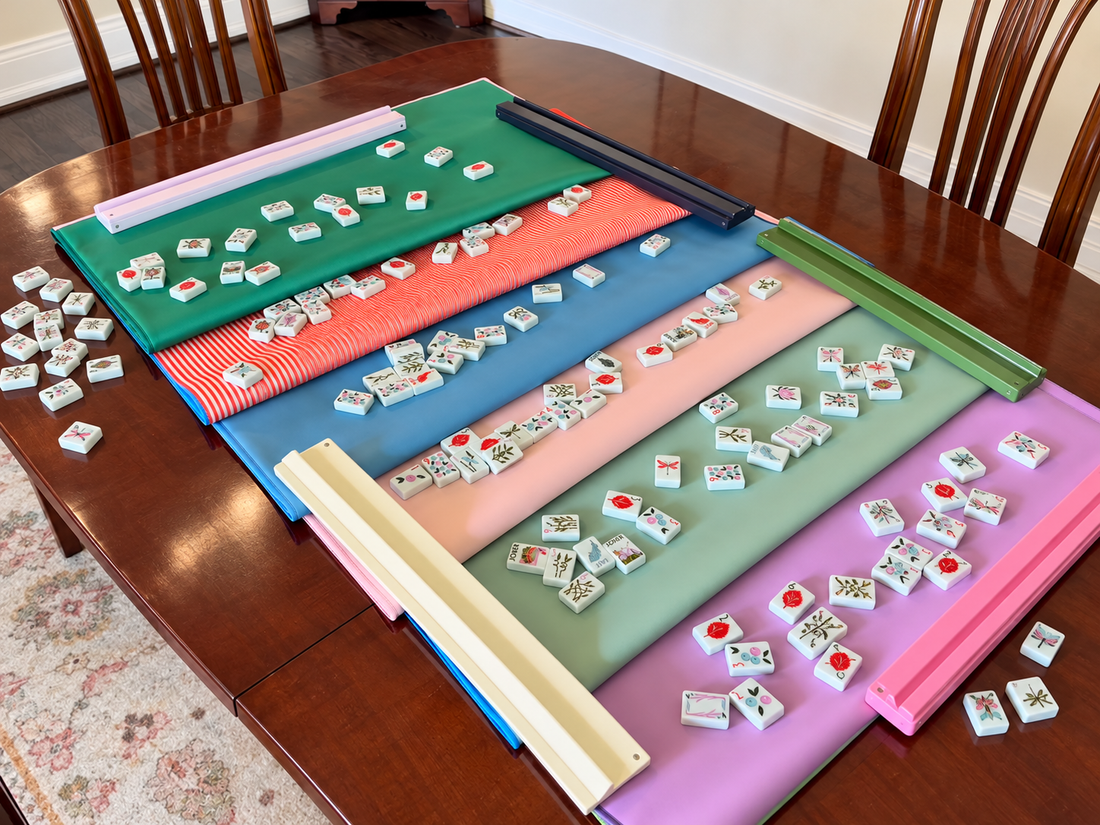
Custom Printed Mahjong Mats
Explore original patterns, brand graphics, and color themes for playing surfaces.
Cushioned Playing Mats
Review padded surface options for tile handling and a softer playing feel.
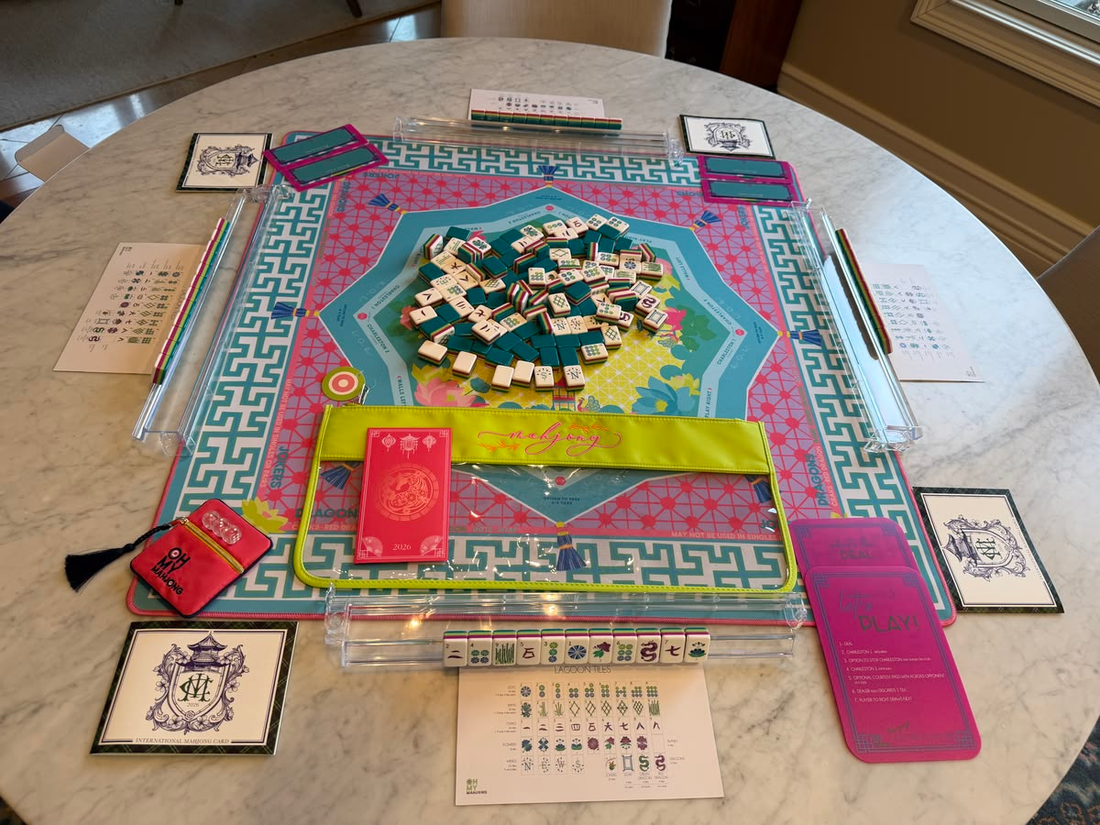
Guide-Printed Mahjong Mats
Incorporate selected directional markings or player reference graphics.
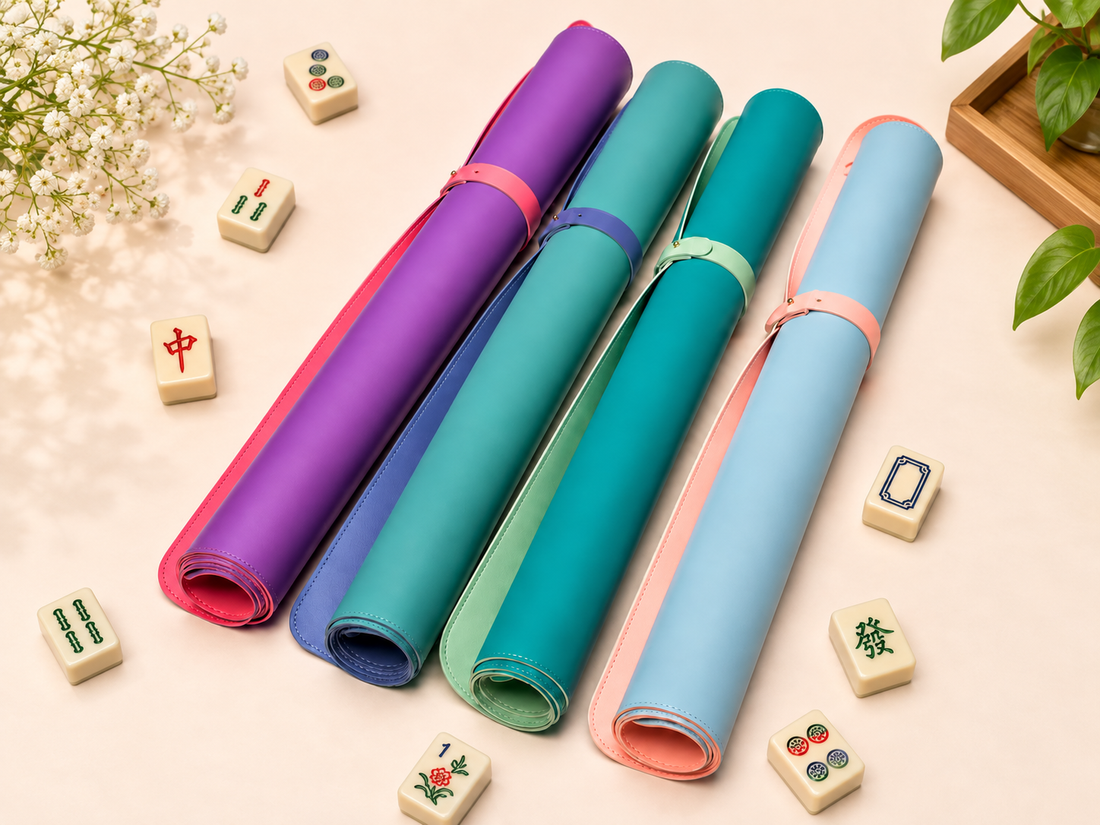
Roll-Up Mahjong Mats
Plan flexible playing mats around storage, transport, and repeat setup.
Customization & Specifications
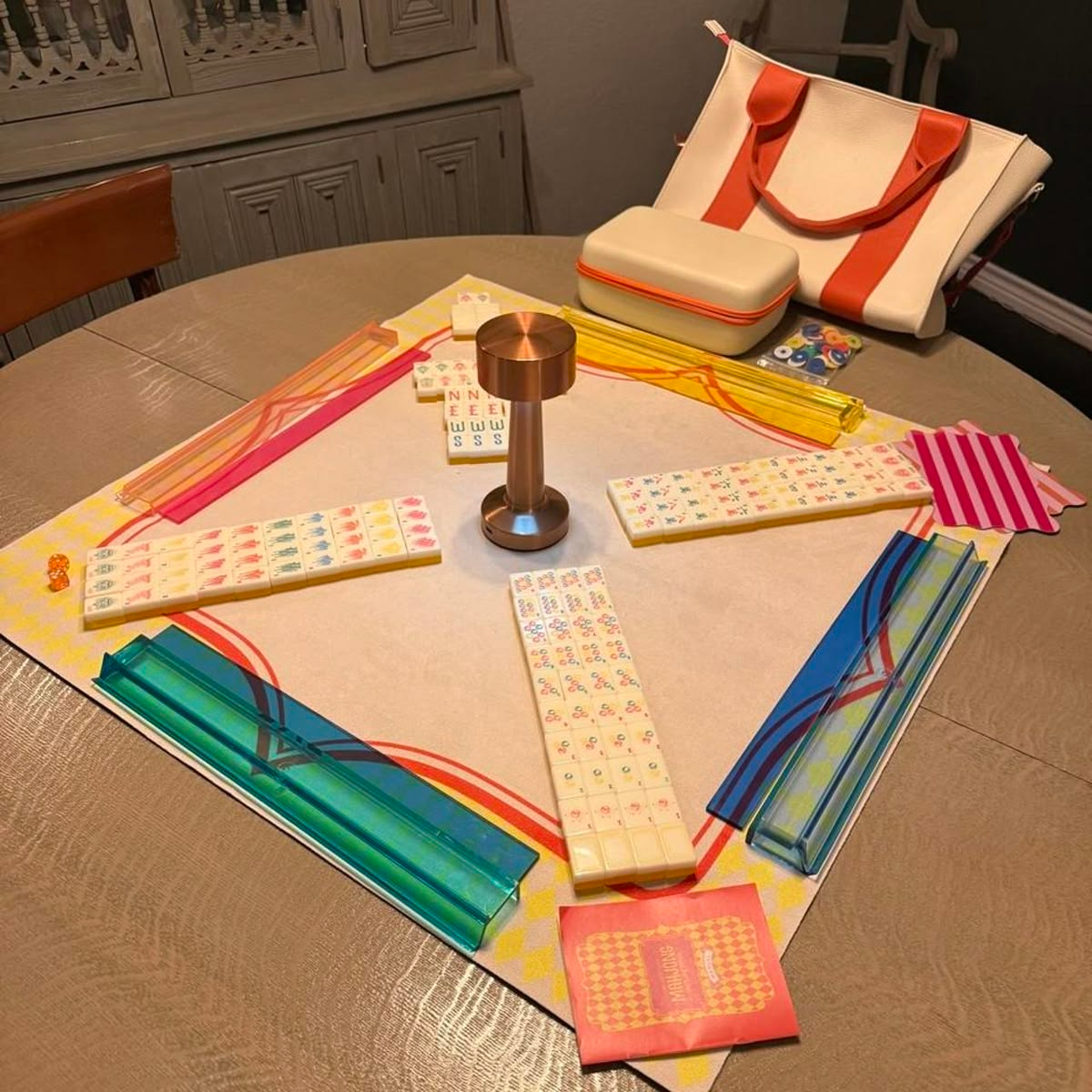
Mat Size & Playing AreaPlan mat dimensions around your table and four-player layout.
Start with the usable table dimensions and the space required for four racks, pushers, tile walls, and the central discard area. American mahjong mats are commonly square, but there is no single size suitable for every table or accessory set. Consider how close the mat should sit to the table edges and whether decorative borders reduce the usable playing area. Provide your preferred finished dimensions or a reference mat so the size and layout can be reviewed.
Surface Material & CushioningReview surface texture, padding, and tile movement.
The playing surface influences how acrylic mahjong tiles move, how racks contact the table, and how the game feels during handling. Fabric-faced neoprene-style materials, other textile surfaces, and cushioned constructions may offer different levels of friction, flexibility, and sound dampening. Material thickness and surface texture should be considered together. The available constructions and their performance must be confirmed using corresponding material samples and actual playing conditions.
Backing, Edges & FlatnessEvaluate underside grip, edge finishing, and how the mat lies flat.
The underside should be considered separately from the playing surface. A suitable backing may help limit mat movement on certain tables, but grip depends on the backing material, table finish, weight, and handling conditions. Edge construction can affect appearance, flexibility, and the tendency to curl or fray. Stitched, finished, or other edge treatments should be evaluated for the selected material. A sample should be checked on representative table surfaces before performance is confirmed.
Artwork & Printed GuidesPlan full-surface artwork, logos, and optional playing references.
Provide your original pattern, logo, preferred colors, and any directional or instructional graphics you want printed on the mat. Consider the area covered by tile walls, racks, and hands so important artwork remains visible during play. Text, arrows, decorative borders, and player references should be positioned with readability in mind. The artwork dimensions, printing method, color appearance, and required permissions should be confirmed before sample approval.
Roll-Up Storage & PackagingReview mat flexibility, storage format, and branded packing.
Storage requirements should be defined together with the mat material and thickness. A flexible mat may be suitable for rolling, while folding can create creases or affect the playing surface depending on the construction. Specify whether the finished product needs individual retail packaging, a storage tube, a bag, or bulk packing. The packaging should protect the printed surface and edges while accounting for the rolled dimensions, weight, labeling, and destination requirements.
Applications
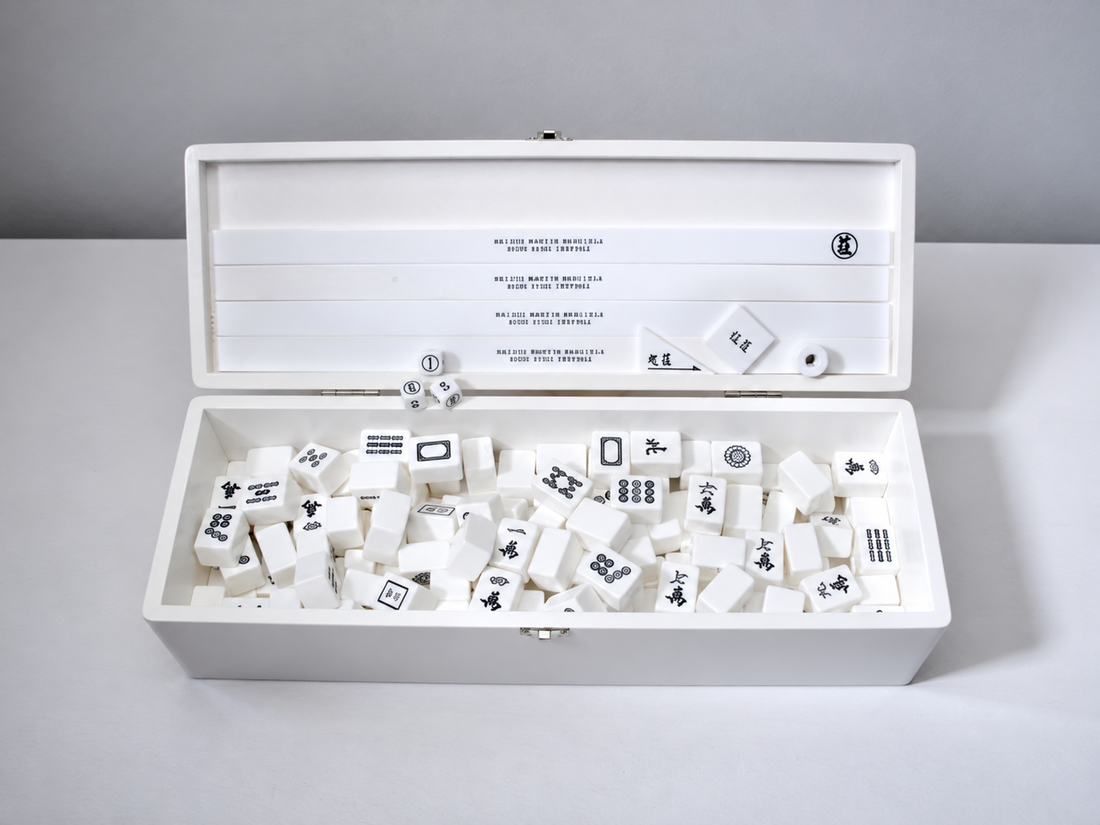
Private-Label Mahjong Brands
Coordinate original playing-mat artwork with branded American mahjong collections.
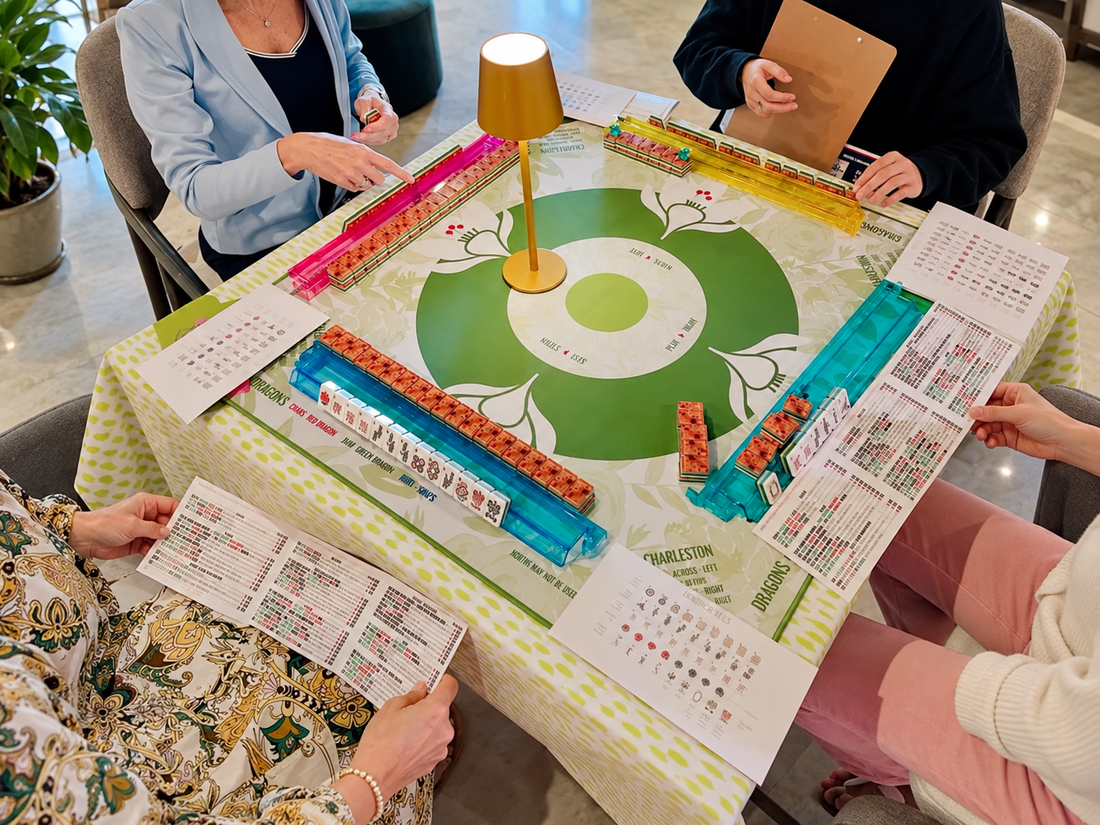
Mahjong Clubs & Lessons
Plan consistent playing surfaces with optional learning and directional references.
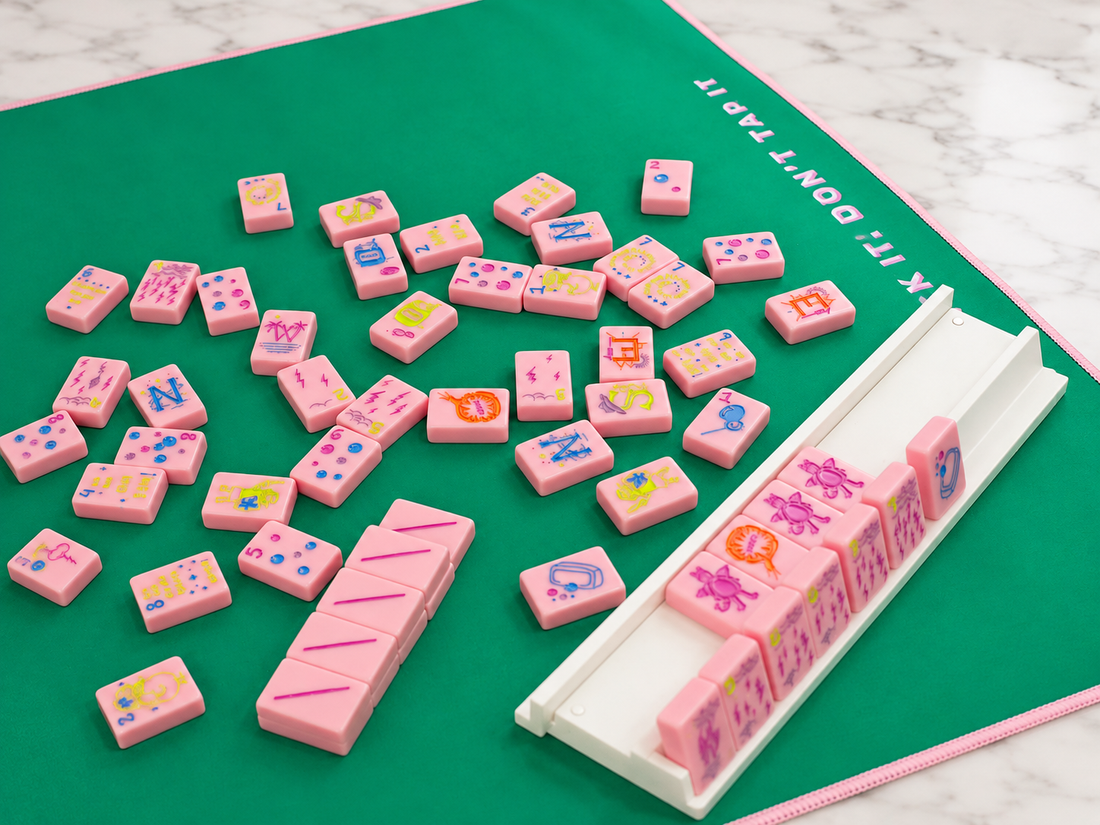
Retail & Wholesale Collections
Develop defined mat sizes, artwork versions, and packaging for retail assortments.
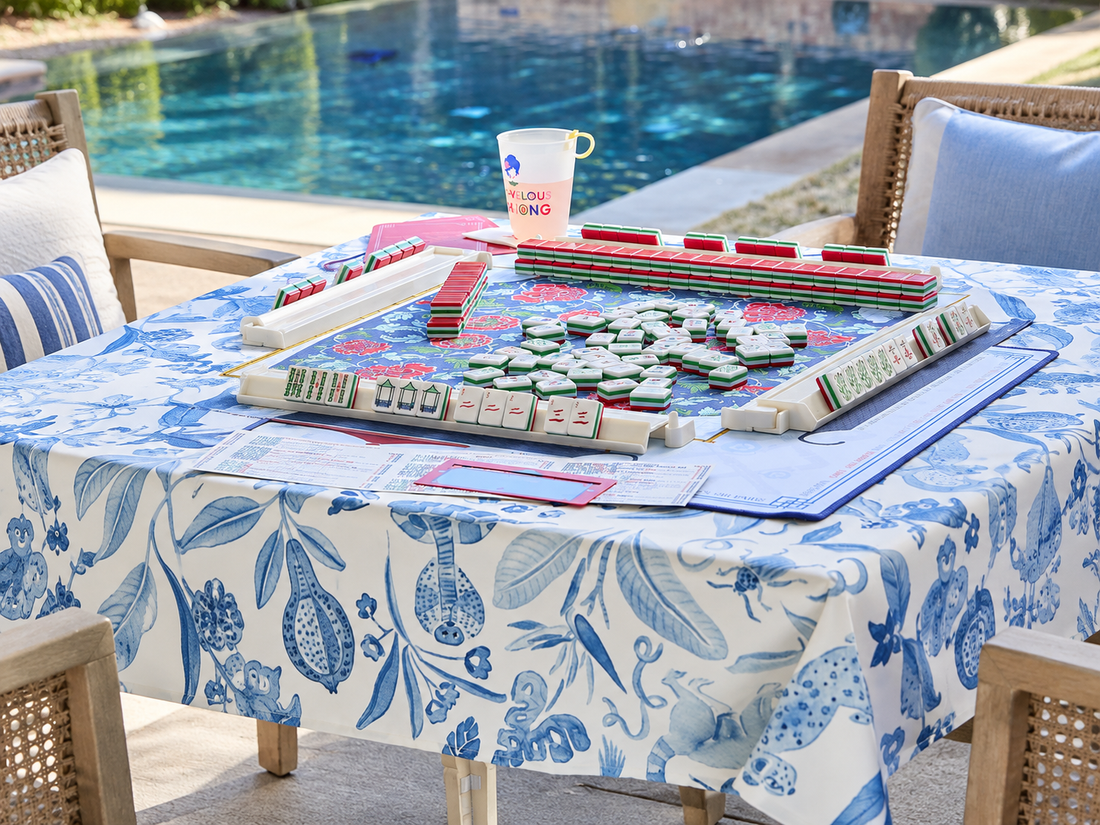
Events & Gift Editions
Explore themed playing mats for gatherings, events, and branded gift programs.
Frequently Asked Questions
View All FAQsWhat size should a custom American mahjong mat be for four players?
The correct mat size depends on your table dimensions, the length of the four racks and pushers, and the space needed for tile walls and discards. American mahjong mats are commonly square, but there is no universal size. Products on the market include formats around 31.5 and 33 inches square. These are references, not mandatory specifications. Measure your table and accessories first, then define the usable playing area and any decorative border before approving the mat dimensions.
Which materials should I consider for a custom mahjong playing mat?
Material selection should reflect surface feel, flexibility, cushioning, printing requirements, and expected use. Fabric-faced neoprene-style mats, other textile constructions, and selected rubber-backed materials can offer different handling and storage characteristics. Not every material supports the same printing, edge finishing, or cleaning method. If you already use a particular mat, provide its material information or a physical reference. Available constructions should be confirmed through supplier specifications and sample review.
What is the difference between a non-slip backing and a smooth playing surface?
These features affect different parts of the mat. The backing contacts the table and influences whether the mat shifts during play. The upper surface contacts the mahjong tiles and racks, affecting their movement and handling feel. A backing designed to grip the table does not necessarily prevent tiles from sliding across the top. Both surfaces should be evaluated using the intended tiles, racks, and table finish before any particular grip performance is claimed.
How do mat thickness and cushioning affect tile noise and gameplay?
Mat thickness and cushioning can influence how the surface responds when tiles are placed, moved, or shuffled. A softer construction may reduce some contact noise compared with a hard tabletop, but the result depends on the mat material, tile construction, and playing conditions. Thickness also affects rolling, storage volume, and how racks rest on the surface. Rather than assuming that a thicker mat is always better, the intended handling feel and any sound-reduction requirements should be checked using a representative sample.
Can custom mahjong mats feature full-color artwork, logos, and original patterns?
Custom artwork can be considered according to the selected surface and available printing method. Provide the intended finished size, original design files, brand colors, logos, and any artwork positioning requirements. Important graphics should be planned around the areas occupied by tile walls, racks, and players' hands. Printing compatibility, color appearance, edge allowances, and the final artwork scale should be reviewed before production approval. Customer-supplied designs must also have the necessary usage rights.
Can I add Charleston directions, wind positions, or playing guides to a mahjong mat?
Directional arrows, player references, and selected instructional markings can be discussed as part of a custom mat design. Their position and readability should be reviewed with a four-player layout so the markings remain useful during play. Any rules text, annual card content, illustrations, or branded instructions must have appropriate usage permission. A printed reference should not be described as an official or complete replacement for current game rules without a valid basis and corresponding authorization.
What edge finishing and storage format should I choose for a mahjong mat?
Edge construction should be selected according to the surface material, backing, desired appearance, and expected handling. Stitching or other suitable finishing may be considered where compatible with the selected material. For storage, a roll-up format can reduce the need for sharp folds, while folding may create creases in some constructions. If the mat will be stored in a tube or carrying bag, provide the preferred packing dimensions and check the sample after storage and unpacking.
How should the cleaning and care requirements of a printed mahjong mat be determined?
Cleaning instructions depend on the actual surface material, backing, printing method, and edge construction. Some materials may be suitable for gentle spot cleaning, while machine washing or exposure to heat may damage other constructions. Do not assume that a mat is machine-washable, waterproof, stain-proof, or resistant to every cleaning product. The supplier's material guidance and relevant sample checks should be used to establish appropriate care instructions before they appear on retail labels or packaging.
What should be checked on a custom mahjong mat sample before bulk production?
Sample review should cover the finished dimensions, artwork alignment, print appearance, edge finishing, surface feel, backing, and flatness after unpacking. Test the sample with representative mahjong tiles and four racks on the intended tabletop. If the mat is designed to roll, check its storage and unrolling behavior. Where noise reduction, grip, or cleaning performance is important, agree on the relevant evaluation conditions in advance. Record approved changes and acceptance requirements before bulk production.
What affects MOQ, pricing, packaging, and production timing for custom mahjong mats?
MOQ and pricing depend on the material construction, finished dimensions, artwork versions, printing method, edge finishing, packaging, and quantity per design. A basic printed mat and a product requiring special backing, multiple artwork versions, or individual retail packaging may have different setup and production requirements. For a quotation, provide the target size, artwork, preferred surface and backing, quantity for each design, storage or packaging format, destination, and required date. Sampling and production timing can then be reviewed against the confirmed specifications.
Ready to Start Your Display Project?
Share your product, dimensions and quantity to discuss the next step.