
Custom Acrylic
Display Cases & Covers
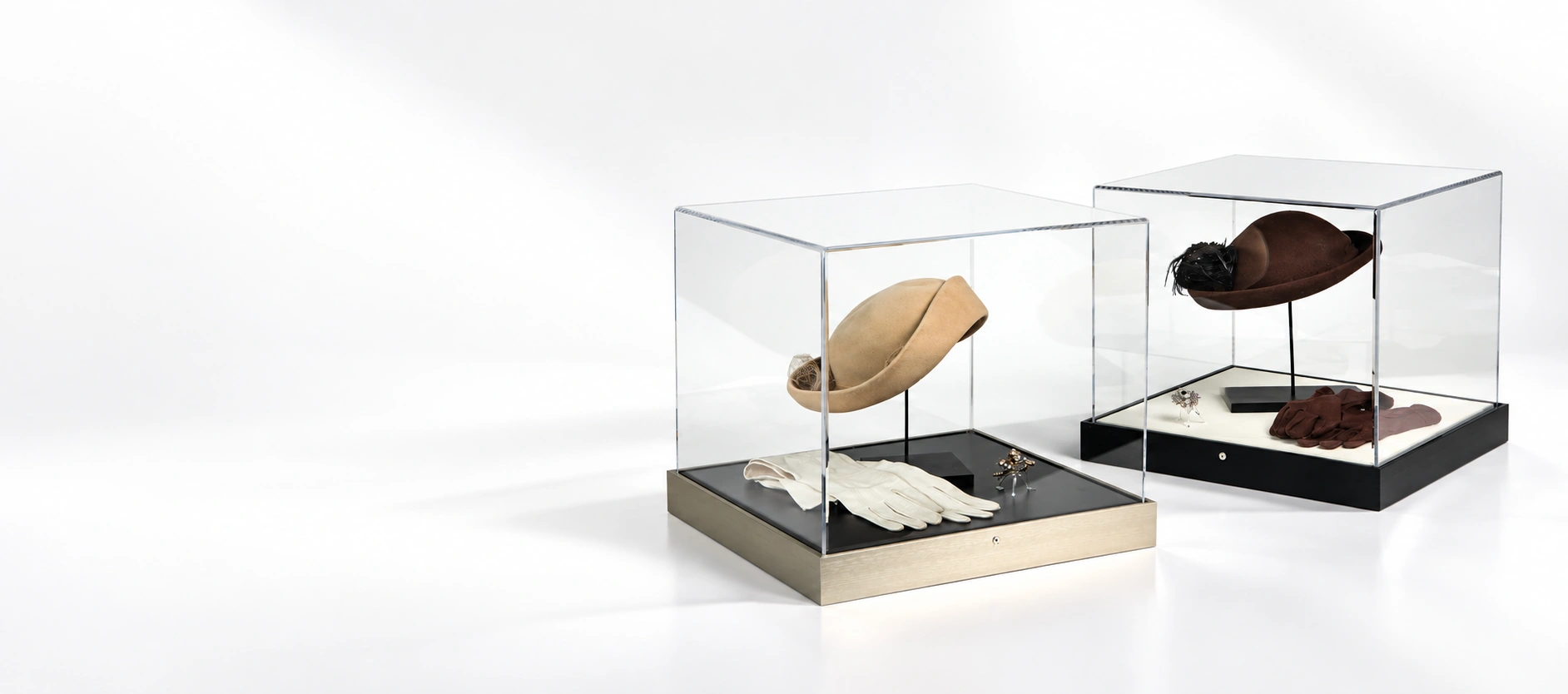
Custom acrylic display cases and covers help present collectibles, retail products, and exhibition items with clear visibility and controlled access. Explore lift-off covers, base-and-cover designs, hinged-access cases, and multi-item showcases tailored to your display requirements.
Product Types
View All Acrylic Displays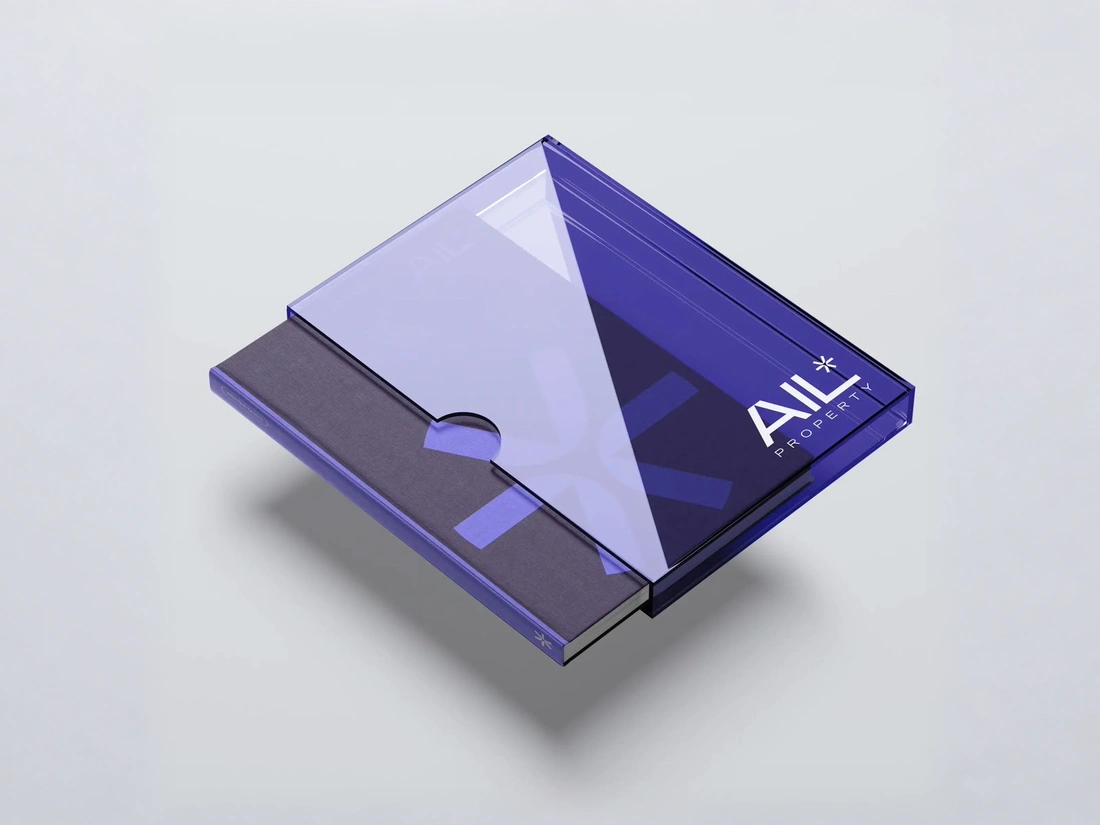
Lift-Off Acrylic Covers
Removable covers for clear presentation and occasional access to displayed items.
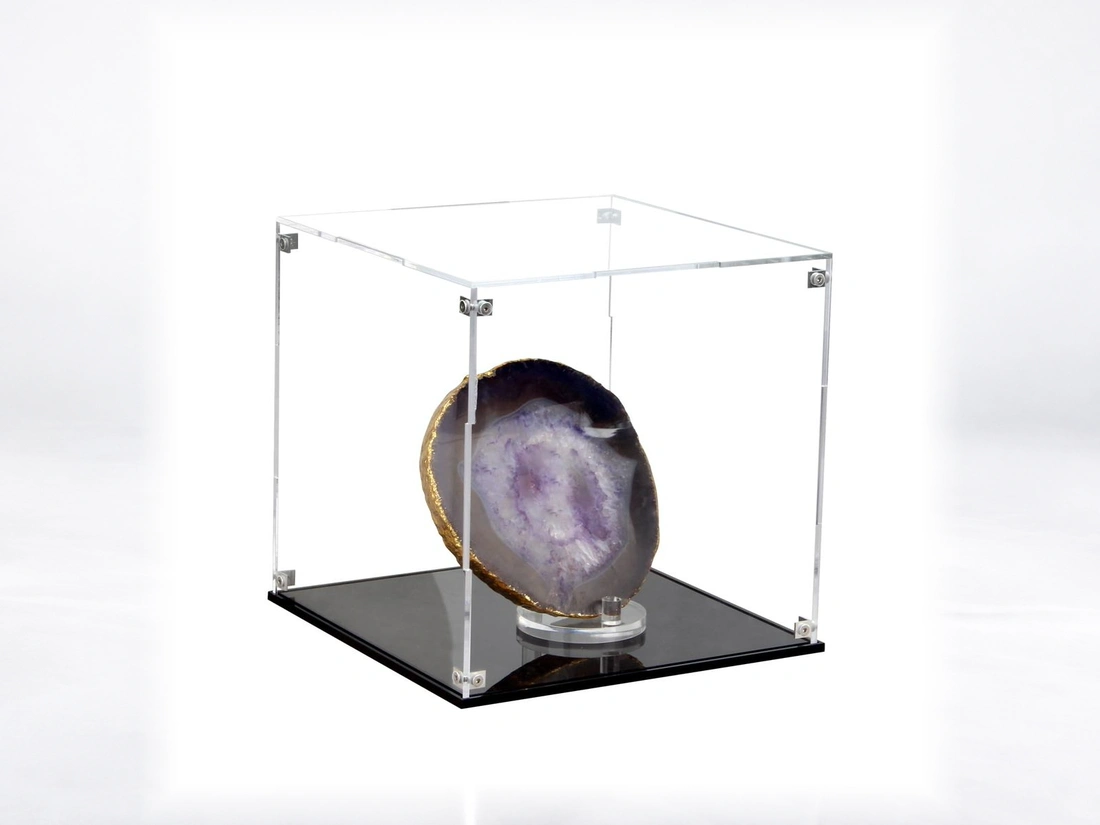
Base-and-Cover Display Cases
Pair a display base with a removable cover for organized product presentation.
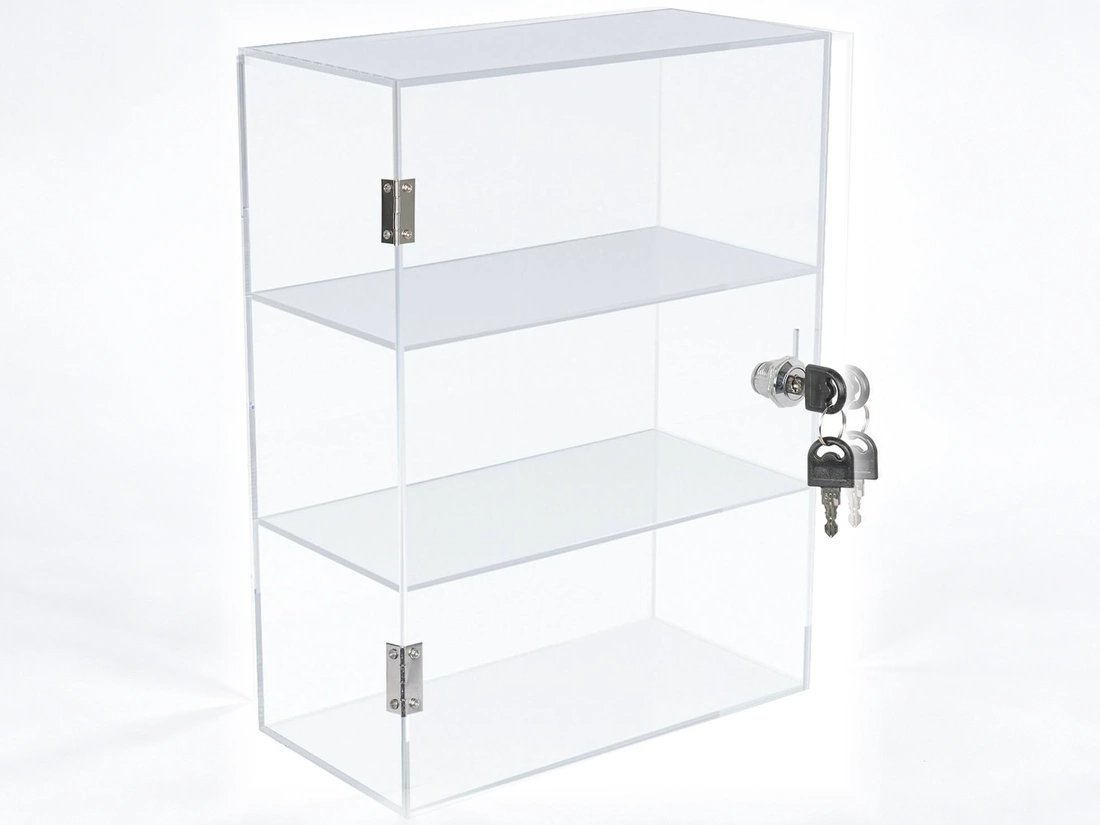
Hinged Display Cases
Explore hinged opening designs for items that need more frequent access.
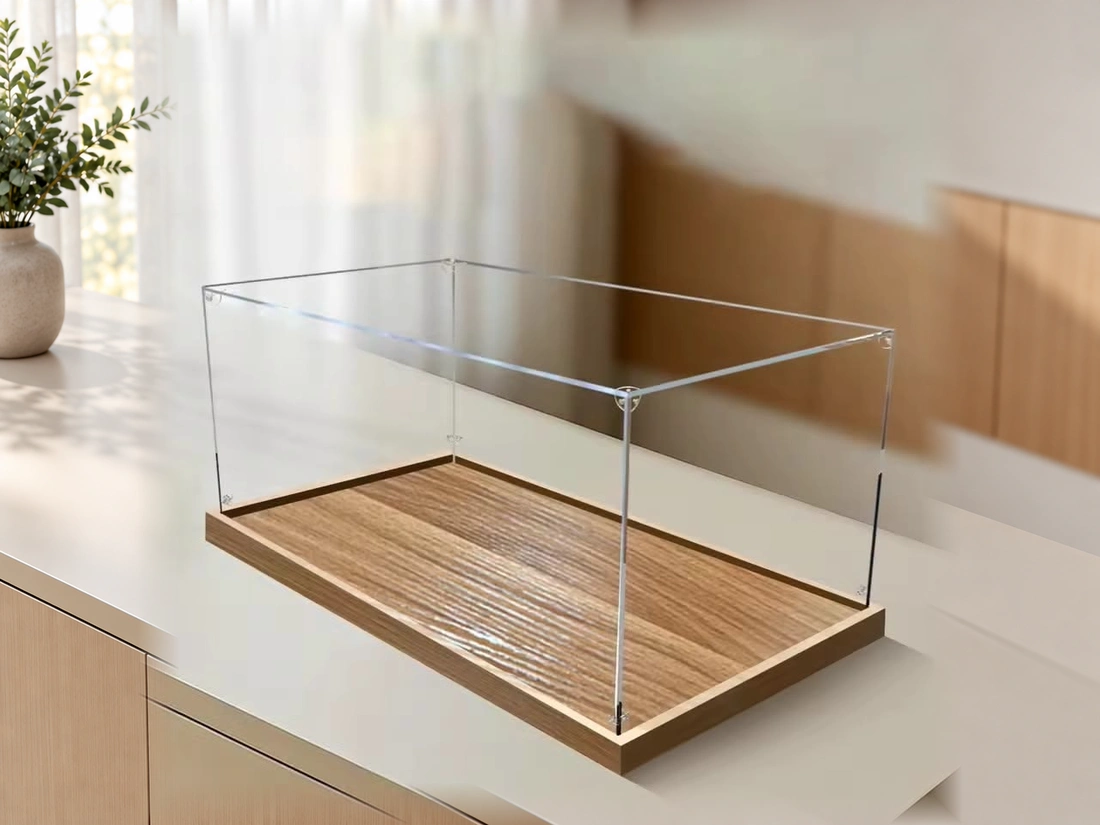
Multi-Item Acrylic Showcases
Present multiple collectibles or products within one planned display enclosure.
Customization & Specifications
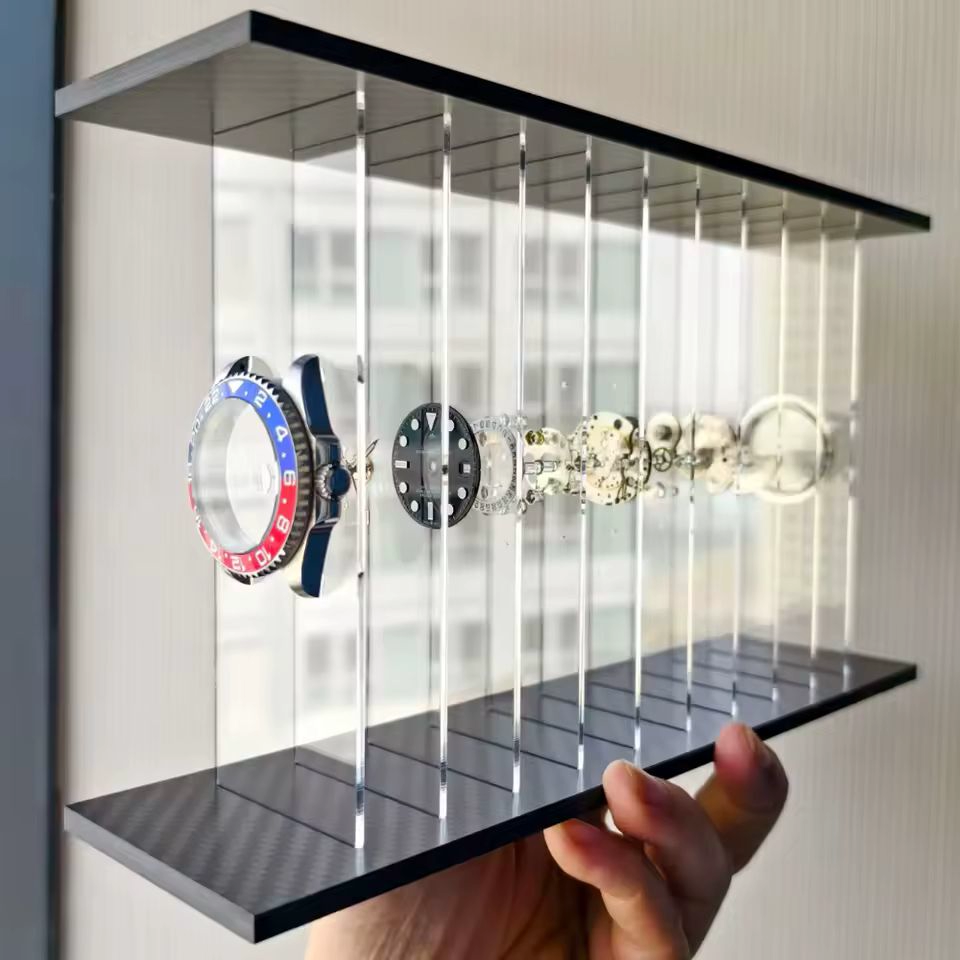
Material & ClarityReview transparency, color, and surface appearance.
Clear acrylic is often selected when the displayed item needs to remain visually prominent. Tinted, opaque, or frosted-looking materials may be considered for bases, backgrounds, or selected panels. Material choice should account for lighting, viewing direction, edge appearance, and cleaning requirements. Share your preferred visual finish or a reference sample so the proposed material and finishing method can be reviewed.
Internal Dimensions & ClearancePlan internal space around the displayed items and their supports.
Internal dimensions are especially important for acrylic display cases. Provide the maximum width, depth, and height of the object, including stands, handles, accessories, or other protruding parts. Allow for the selected base, interior supports, and the space needed to place or remove the product safely. Internal clearance and external case dimensions should be identified separately in the approved drawing.
Cover, Base & AccessChoose a suitable opening method and base configuration.
A lift-off cover may suit a display that is opened occasionally, while a hinged design may be more convenient when regular access is needed. Consider how the cover fits the base, how the case will be opened, and whether there is enough space around it. Hinges, fittings, and other closure components should be evaluated for compatibility with the intended structure and access requirements.
Panel Thickness & StabilityReview panel dimensions, construction, and display stability.
Panel thickness should be considered alongside case dimensions, unsupported spans, joints, and the overall construction. Larger panels and frequently handled covers may require different structural considerations from small stationary enclosures. The base must also suit the displayed object's size, weight, and contact points. A suitable configuration should be reviewed against the actual design instead of applying one standard thickness to every case.
Branding, Interiors & PackagingPlan logos, internal supports, accessories, and transport protection.
Custom display cases may require branded bases, graphic panels, internal platforms, or supports to position the displayed items. Provide the intended layout, logo artwork, and any accessory requirements. Packaging should account for exposed surfaces, edges, removable covers, and movement during transportation. Confirm whether the case should arrive assembled or as separate protected components.
Applications

Collectibles & Models
Showcase figurines, models, and display objects while limiting direct handling.
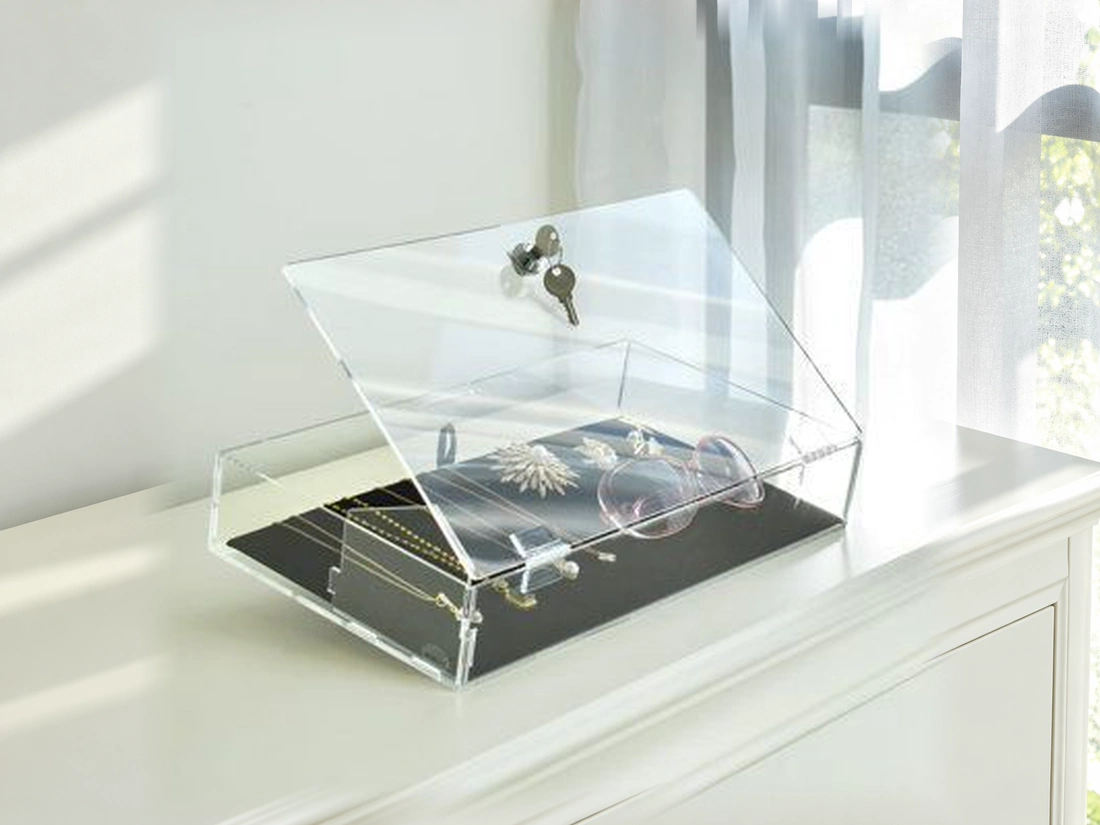
Jewelry & Watches
Present small valuables with clear visibility and planned access.
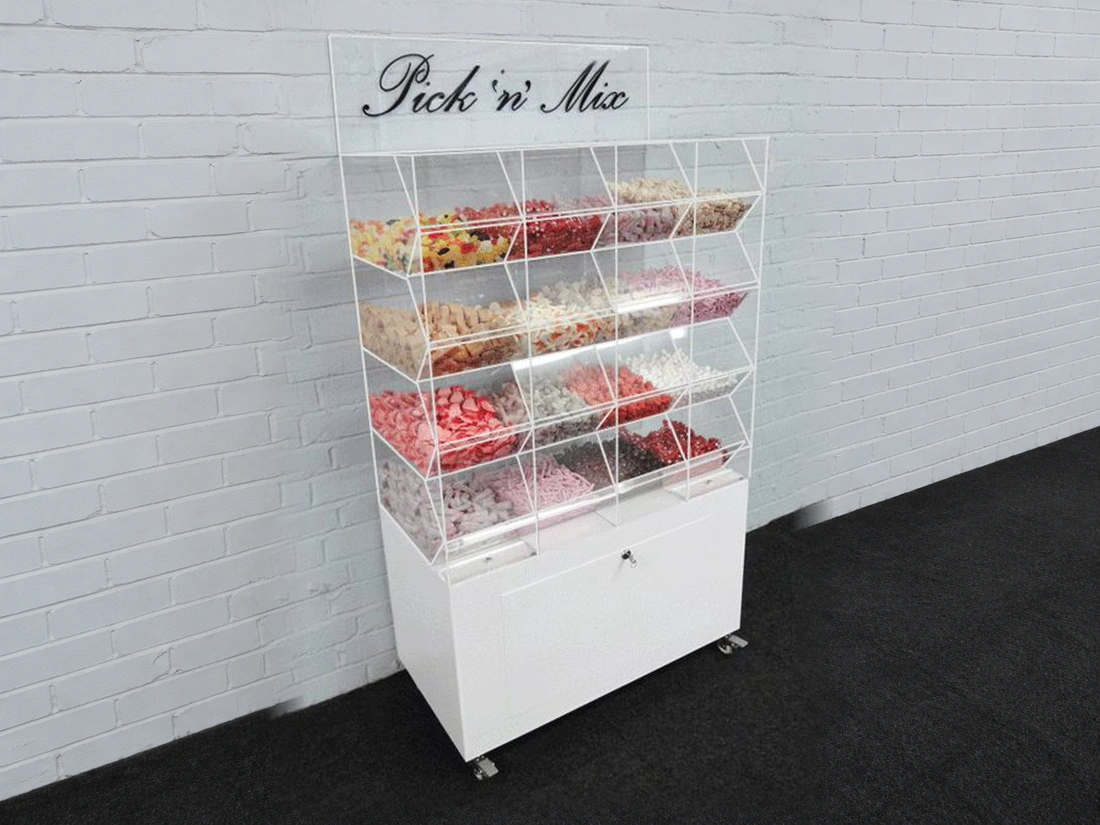
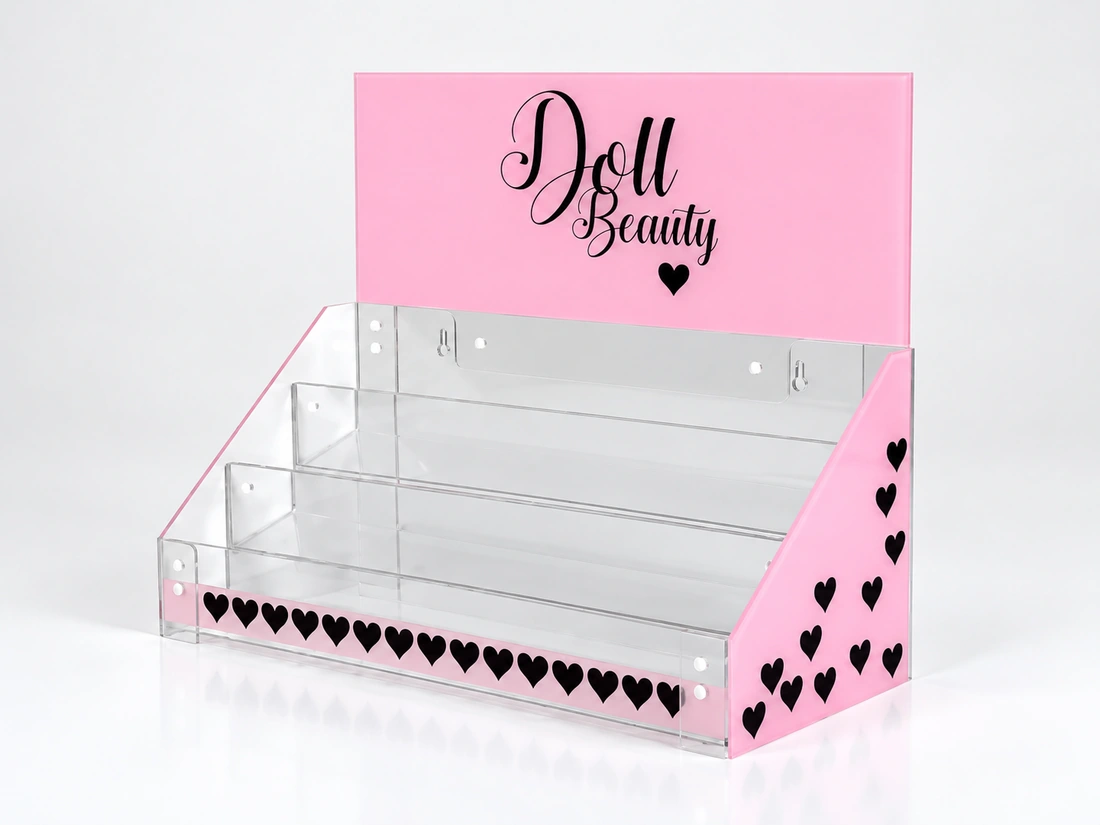
Retail Product Showcases
Display merchandise and accessories within organized presentation enclosures.
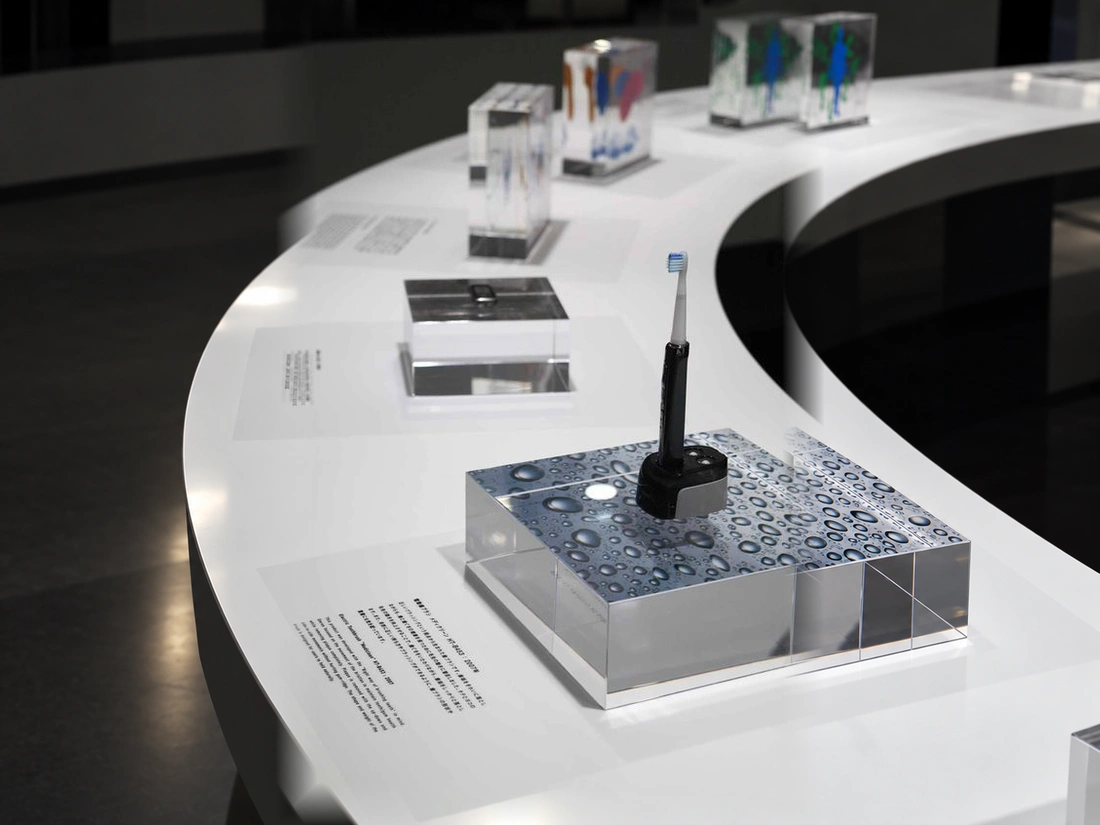
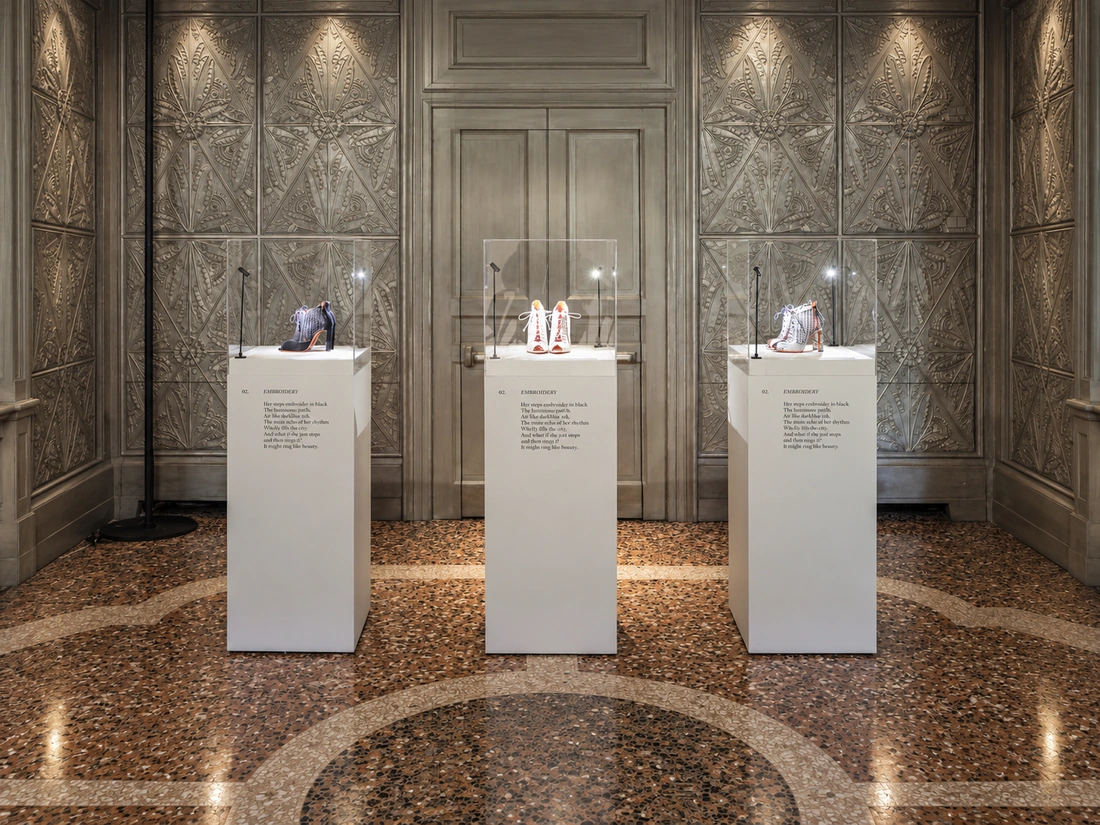
Exhibitions & Events
Present selected objects and samples in dedicated display cases.

Frequently Asked Questions
View All FAQsWhat is the difference between an acrylic display case and an acrylic display cover?
An acrylic display cover is typically a removable enclosure placed over an item or an existing base. A display case generally refers to a more complete presentation structure, which may include a base, cover, opening mechanism, or internal supports. The best option depends on whether you already have a suitable base, how often the item needs to be accessed, and how the display will be installed or moved.
How do I determine the correct internal dimensions for a custom acrylic display case?
Start by measuring the maximum width, depth, and height of the displayed object, including any stand, packaging, or protruding components. Internal dimensions should also account for the space required to position or remove the item. If a base, platform, or insert is included, its dimensions must be considered separately. Please identify the required internal clearance and overall external size so the proposed construction can be reviewed accurately.
Should I choose a lift-off cover or a hinged acrylic display case?
A lift-off cover may be suitable when the displayed object is accessed only occasionally and there is enough space to remove the cover safely. A hinged design may be more practical when staff need to open the case regularly. Hinged cases require consideration of hardware, opening direction, clearance, and repeated handling. The right option depends on the display location, access frequency, object dimensions, and project-specific construction requirements.
How are acrylic thickness and structural stability determined for display cases?
The required panel thickness depends on the case dimensions, unsupported spans, joint design, opening method, and handling conditions. The base must also support the displayed object's weight and contact points appropriately. A large removable cover and a small stationary showcase may need different construction details. Provide the item dimensions, weight, proposed case size, and expected handling frequency so the structure and relevant sample checks can be evaluated.
Are acrylic display cases dustproof, airtight, or UV-protective?
A standard acrylic display case should not automatically be considered airtight, completely dustproof, or UV-protective. A well-fitting cover may reduce casual contact and some settling dust, but protection depends on the openings, joints, materials, and overall construction. If your application requires a defined level of dust resistance, UV filtering, humidity control, or environmental protection, specify it before material selection and request appropriate evidence and testing for the proposed design.
Can I customize the display base, internal supports, and branding?
The display design can be reviewed for different base formats, product supports, interior platforms, and branded presentation elements. Please provide the object's dimensions, preferred positioning, required access, and any logo or graphic files. Internal supports should be designed around the contact points and stability requirements of the displayed item. Material choices, artwork methods, and final assembly details need to be confirmed against the selected construction and sample.
How should acrylic display cases and removable covers be packaged for shipping?
Packaging should be planned around the case size, panel construction, exposed edges, and any removable components. A cover and base may require separate protection to reduce movement and surface contact during transportation. Fully assembled cases may simplify setup but require sufficient cushioning and carton space. Share the delivery destination, expected shipment quantity, and preferred arrival condition so the protective packaging and packing configuration can be evaluated.
Can I review an acrylic display case sample before bulk production?
A physical sample can be discussed before bulk production, with its scope, cost, and preparation time confirmed for the project. Important review points may include internal fit, overall dimensions, base alignment, cover removal or opening, edge appearance, and product positioning. Where hinges or other fittings are included, their operation should also be checked against the agreed requirements. Approved changes should be reflected in the final production specification.
What affects the minimum order quantity (MOQ) and price of custom acrylic display cases?
MOQ and unit pricing depend on the case dimensions, material requirements, fabrication complexity, base construction, opening mechanism, accessories, finishing, and packaging. Cases with additional fittings or multiple internal components may require different setup and assembly work from simple removable covers. If your project includes several sizes or designs, provide the quantity for each version separately. Quotations should be compared using consistent specifications and delivery terms.
What information should I provide for a custom acrylic display case quotation and delivery estimate?
Please provide a drawing, reference image, or product concept, along with the displayed object's maximum dimensions and weight. Include the required internal clearance, preferred cover or opening style, base requirements, material appearance, quantity per design, branding, and packaging needs. Your destination country and target delivery date are also useful. Production timing depends on the confirmed design, material availability, sampling, order quantity, and packing requirements, while international shipping time should be considered separately.

Ready to Start Your Display Project?
Share your product, dimensions and quantity to discuss the next step.