
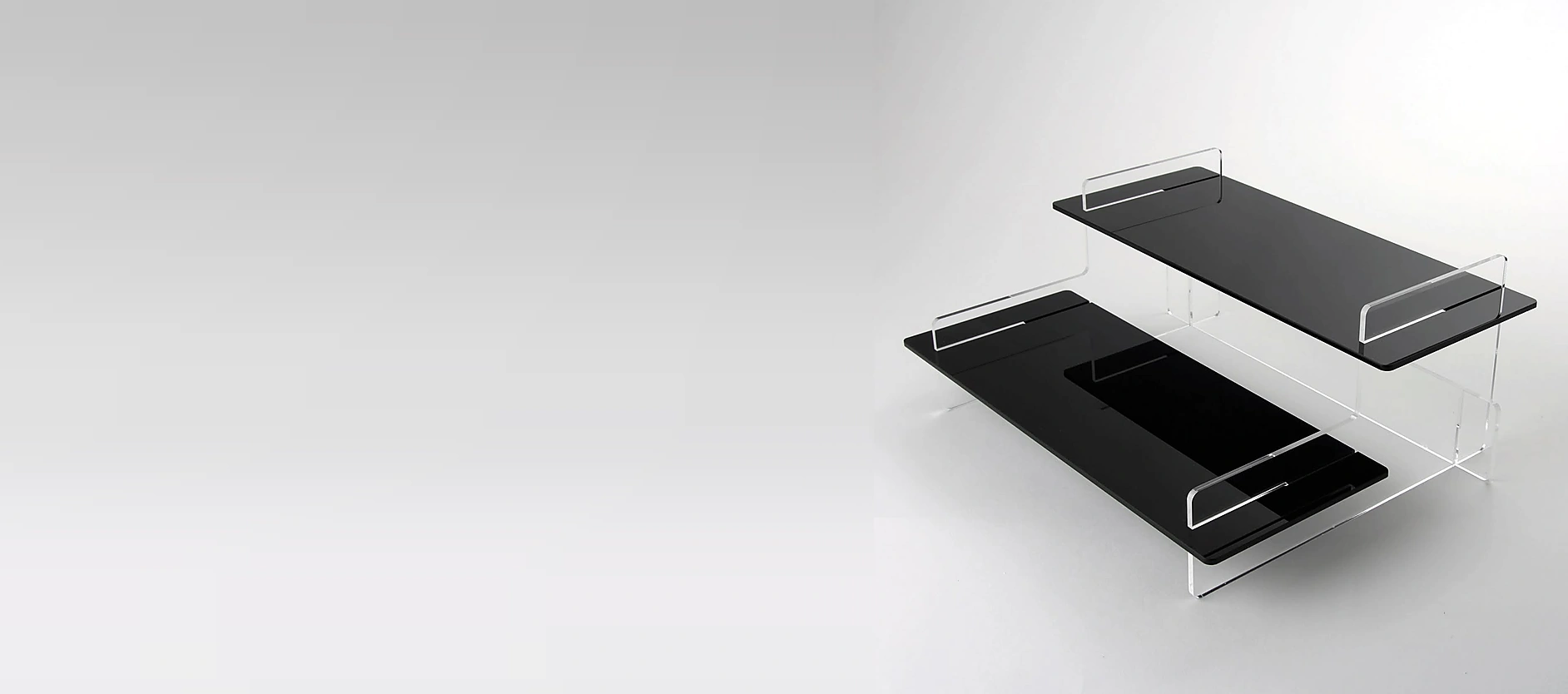
Custom Modular
& Flat-Pack Acrylic
Displays
Custom modular and flat-pack acrylic displays help brands plan product presentation around assembly, transport, and changing retail layouts. Explore slot-fit structures, knock-down shelving, and configurable display units, with dimensions, connections, and packaging reviewed for each project.
Product Types
View All Acrylic Displays
Slot-Fit Acrylic Displays
Explore panels and supports assembled through planned slot-and-tab connections.
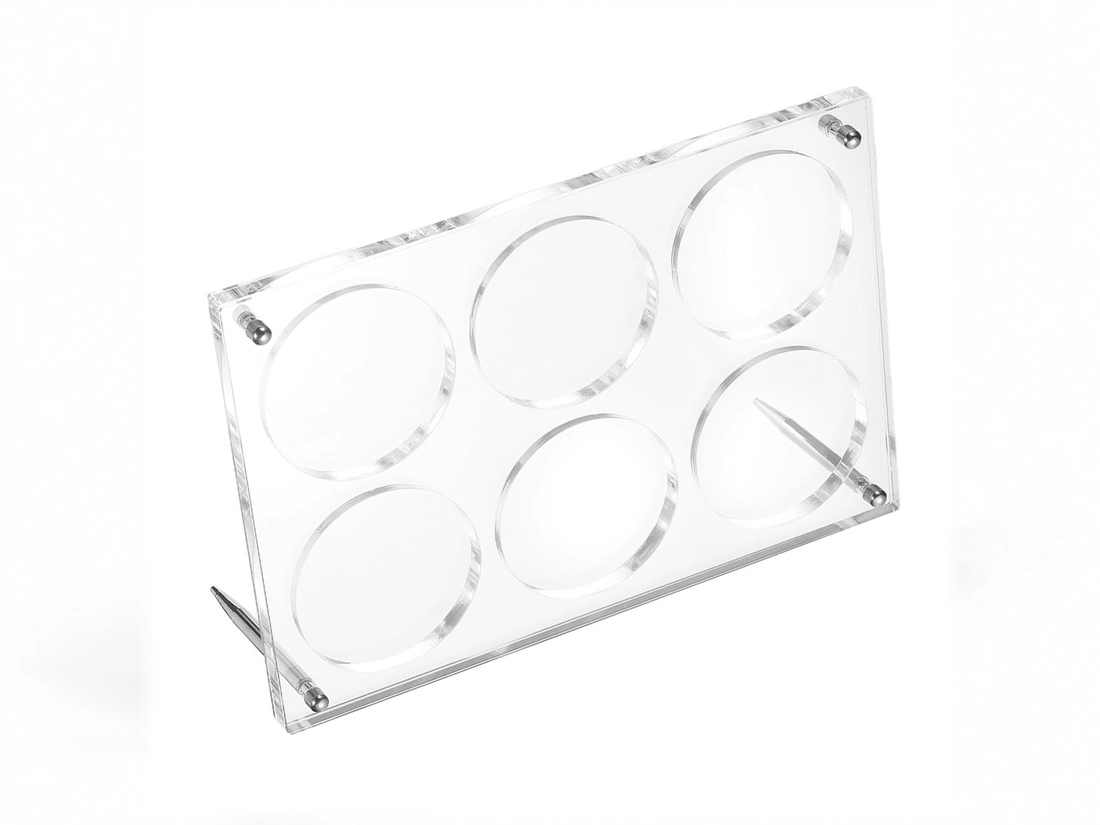
Knock-Down Shelf Displays
Separate shelves and supports for packing, transport, and on-site assembly.
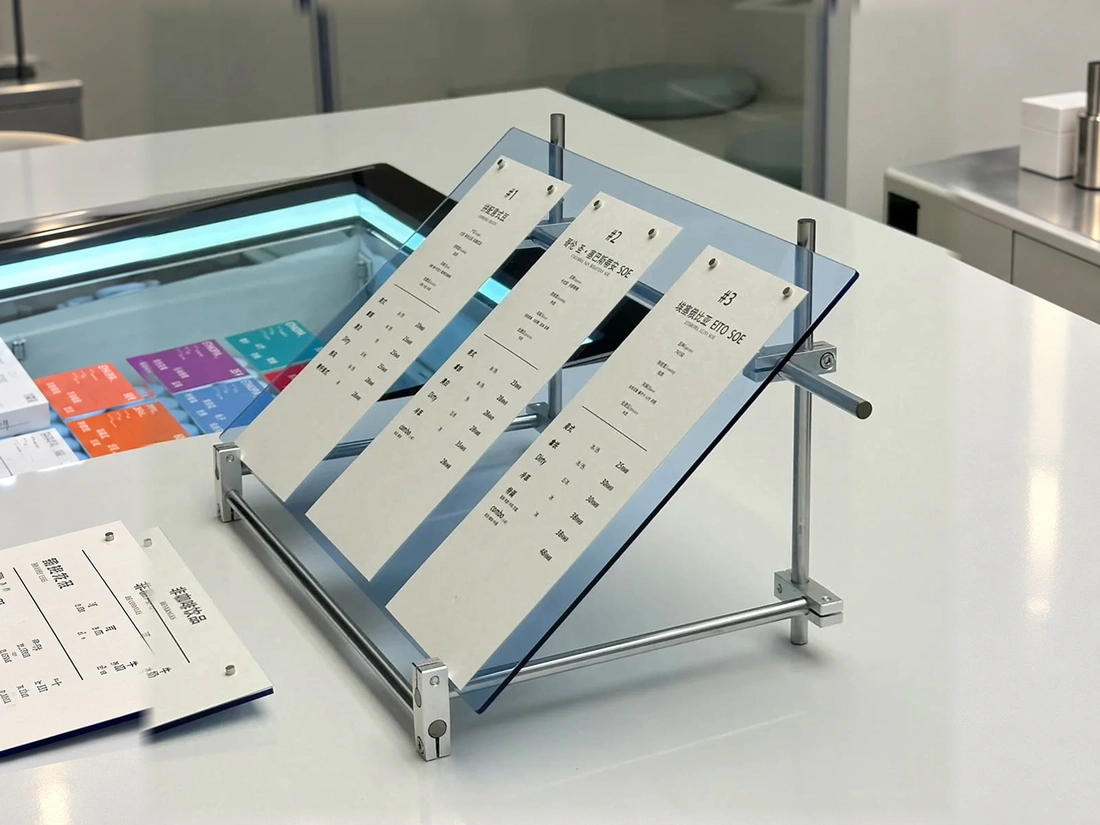
Modular Countertop Displays
Combine compatible display sections for different product layouts and counter spaces.
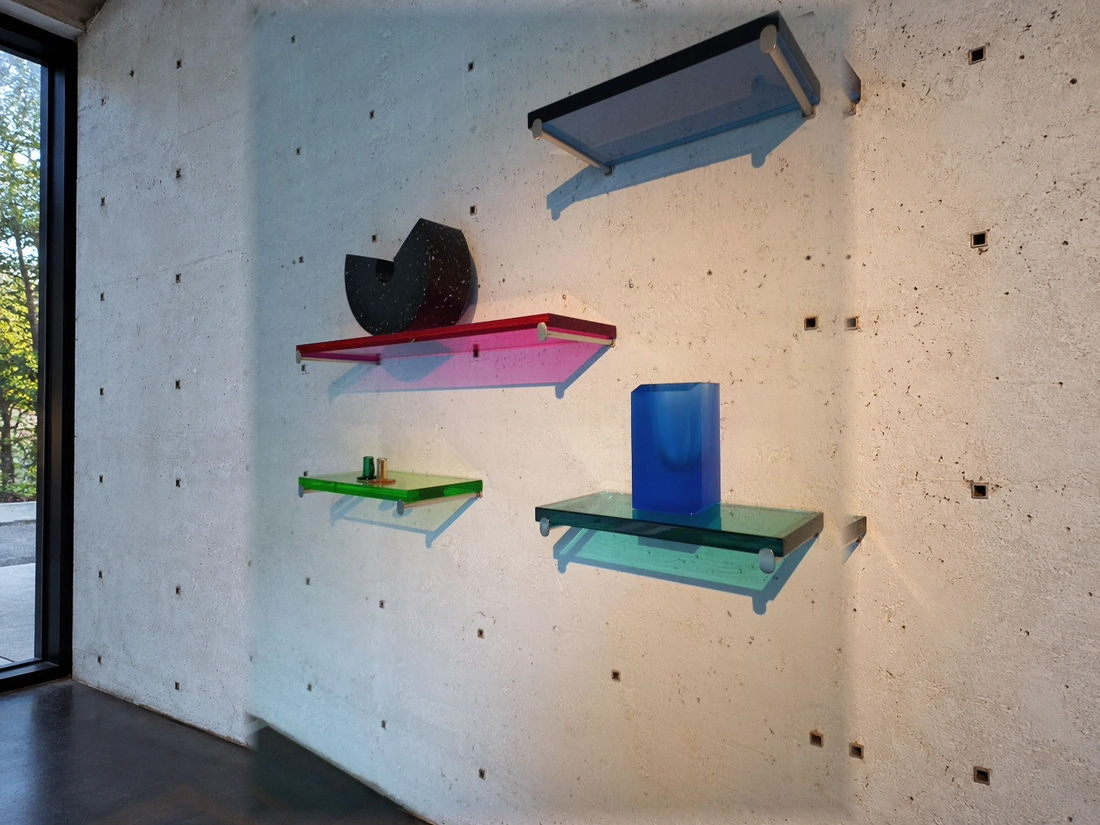
Reconfigurable Display Kits
Review interchangeable shelves and components for changing merchandising needs.
Customization & Specifications
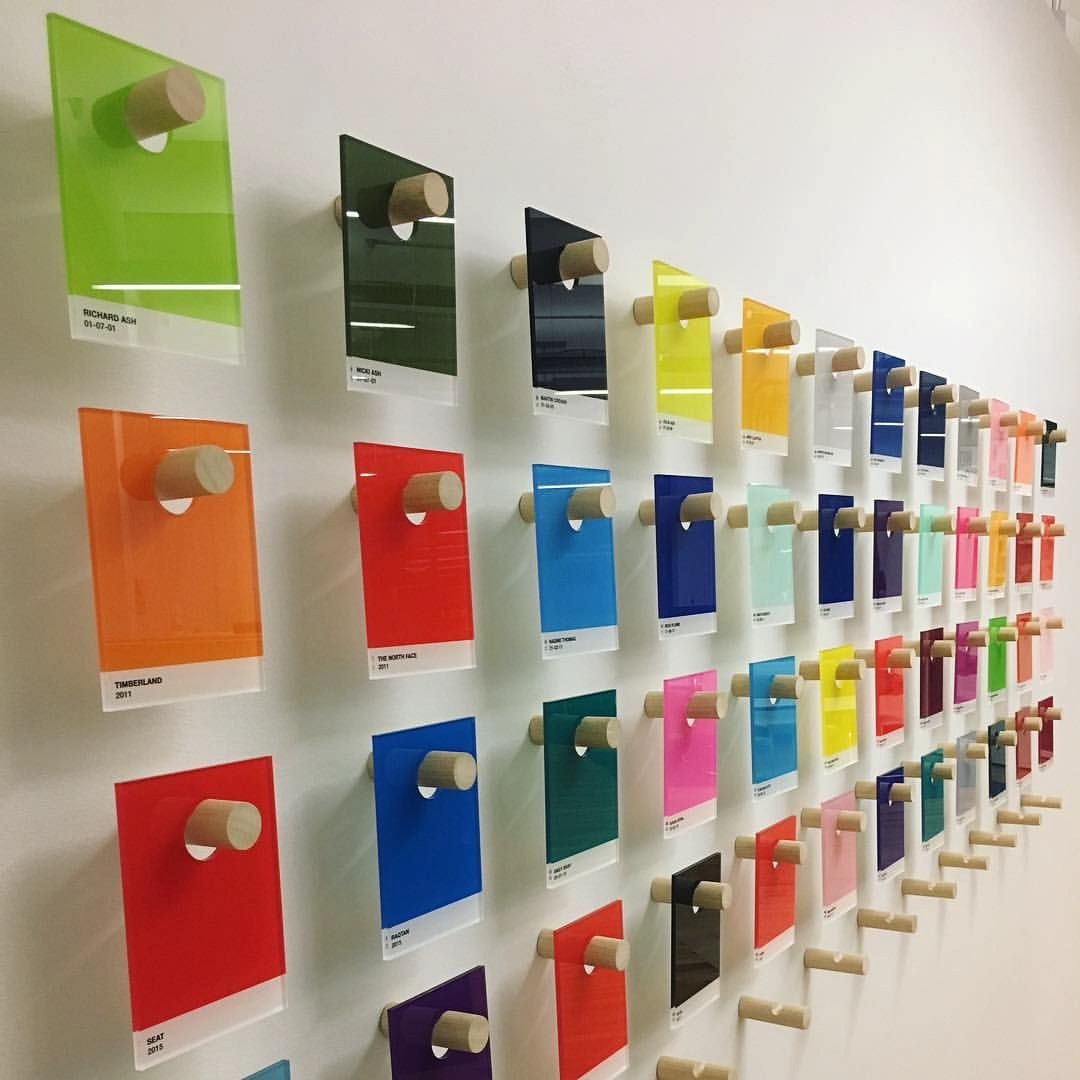
Modular Layout & Product FitPlan display modules around your products and retail footprint.
Start with the dimensions and weight of the products to be displayed, the number of SKUs, and the available counter or shelf space. If several modules will be combined, define their arrangement and the overall assembled footprint. Consider product access, replenishment, and whether different configurations are required for different stores. Module sizes and connection positions should be reviewed together rather than designed as unrelated components.
Connections & AssemblyReview slot-fit joints, fasteners, and on-site assembly needs.
The connection method should suit the display structure, intended load, and assembly requirements. Slot-and-tab joints may be considered for selected acrylic components, while mechanical fasteners or separate fittings may be more suitable for other constructions. Define the assembly sequence, required tools, connection access, and whether the display will be dismantled after use. Fit, alignment, and handling should be checked through an appropriate sample before approving the structure.
Materials, Load & StabilityEvaluate acrylic construction, support points, and assembled stability.
Material thickness should be assessed alongside the assembled dimensions, unsupported spans, connection details, and weight distribution. A modular display must remain suitable for its intended load in each approved configuration. Repeatedly handled connection areas may also require attention to wear or stress concentration. Provide the maximum product weight, expected handling conditions, and proposed module arrangements so the relevant structural requirements can be evaluated.
Branding & ReconfigurationPlan coordinated graphics and replaceable display components.
Modular displays may incorporate branded panels, product information holders, or interchangeable graphic elements. If a retail campaign requires different artwork, shelf positions, or product arrangements, identify which components must change and which should remain fixed. Provide the relevant artwork, SKU configurations, and retail guidelines. Compatibility between replacement components and the approved display structure should be confirmed before production.
Flat-Pack Packaging & Store SetupPlan carton size, component protection, and assembly instructions.
A flat-pack design should be reviewed together with its packaging and assembly process. Identify the largest packed component, expected carton dimensions, fitting quantities, and required product protection. Acrylic panels and visible edges may need separation to reduce contact during shipment. For multiple stores, define the components supplied per unit, labels, packing lists, and installation information. Any expected freight benefit should be evaluated against the actual packed volume, shipping method, hardware, and assembly requirements.
Applications

Multi-Store Retail Rollouts
Plan consistent display kits and components for multiple retail locations.
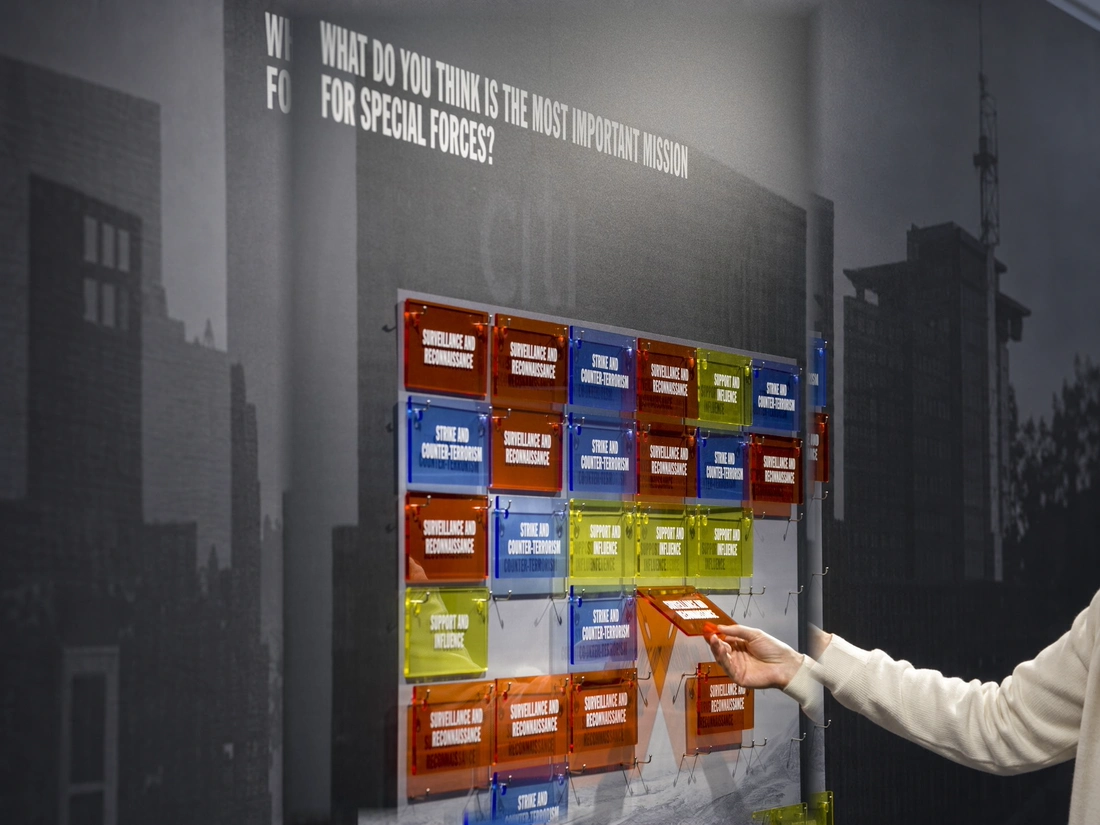
Pop-Up & Temporary Retail
Explore displays that can be packed and assembled for temporary retail settings.

Seasonal Merchandising
Review configurable modules for changing product ranges and campaign layouts.
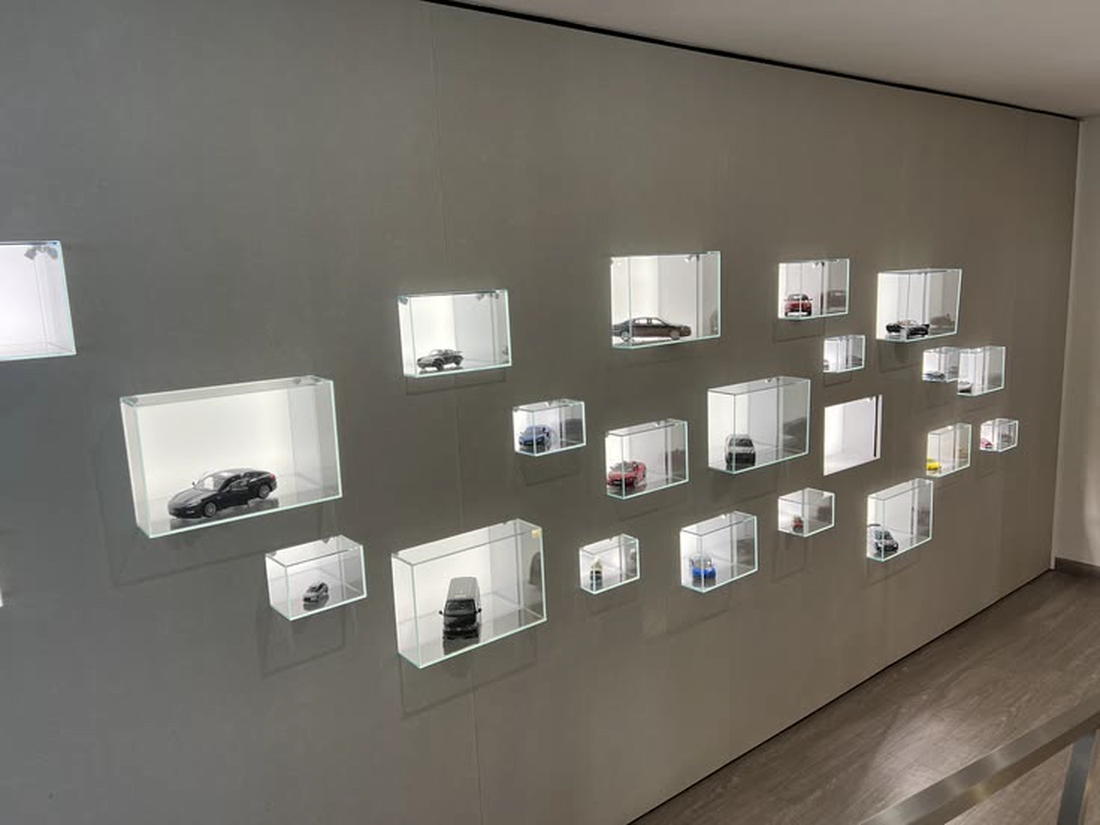
Trade Shows & Showrooms
Arrange transportable product displays for exhibitions and buyer presentations.
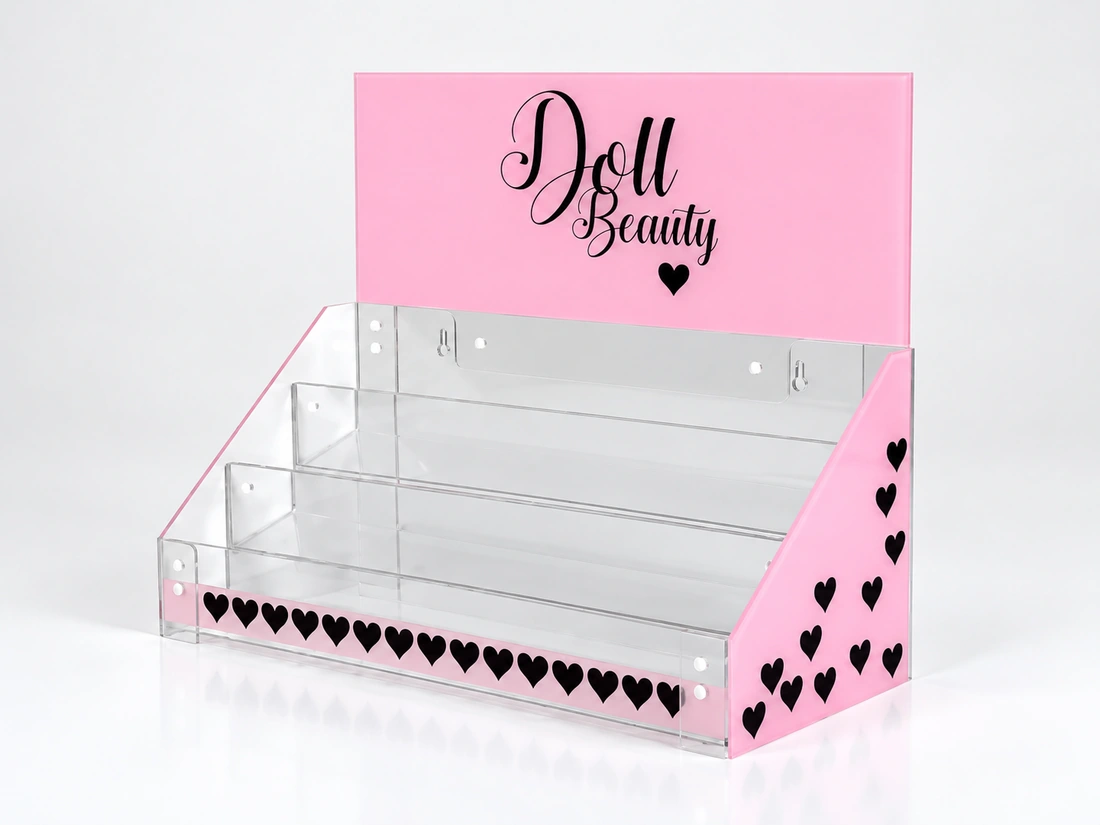


Frequently Asked Questions
View All FAQsWhat is the difference between modular, flat-pack, and fully assembled acrylic displays?
A modular acrylic display is designed from defined components that can be combined into one or more approved configurations. A flat-pack or knock-down display is designed to be transported in separate parts and assembled at its destination. A fully assembled display arrives with its main structure already connected. These features can overlap, but modular does not automatically mean flat-packed, and a flat-pack design does not necessarily allow multiple layouts. The right approach depends on the display's function, transport needs, and assembly conditions.
What connection methods can be considered for flat-pack acrylic displays?
Slot-and-tab connections, mechanical fasteners, and other compatible fittings may be considered depending on the display construction. The connection should suit the acrylic thickness, expected load, assembly sequence, and frequency of dismantling. A slot-fit design is not automatically tool-free or suitable for repeated use. For each proposal, the fit, alignment, and relevant handling requirements should be reviewed through a sample before confirming the production specification.
Can modular display sections be rearranged or expanded later?
Reconfiguration is possible only when the display has been designed around compatible modules and connection interfaces. Different shelf positions, graphic panels, or product supports may be considered, but future components must match the approved dimensions and structural requirements. Adding more sections may also change the load distribution and stability. If future expansion is important, identify the planned configurations during the initial design stage instead of assuming that unrelated components can be connected later.
How are load capacity and stability evaluated for an assembled modular display?
Structural suitability depends on the dimensions, material thickness, joints, support points, and distribution of displayed product weight. The assembled display should be reviewed in each configuration intended for use, especially when shelves or modules can be repositioned. A connection that fits correctly is not automatically suitable for every load. Provide the product weights, intended shelf positions, maximum assembled dimensions, and expected handling conditions so appropriate structural and sample checks can be defined.
Are flat-pack acrylic displays suitable for repeated assembly and disassembly?
Repeated assembly can be considered where the selected connection design and material are appropriate for that use. However, some joints and fasteners may experience wear, loosening, or stress after repeated handling. A structure intended for one-time store installation may need different design priorities from a display that will travel between exhibitions. Specify how frequently the unit will be assembled and dismantled so the connections and required validation can be reviewed.
Does flat-pack packaging always reduce international shipping costs?
No. Flat-pack construction may reduce the space occupied by a display during transport, but the total cost also depends on the packed dimensions, weight, protective materials, shipping method, and destination. Additional fittings, individual packaging, and assembly requirements can offset some of the benefits. Compare fully assembled and flat-pack quotations using the same product requirements and delivery conditions. The actual packed configuration should be confirmed before estimating any freight savings.
Should modular displays arrive assembled or be assembled at the retail location?
The preferred delivery format depends on display size, store access, available staff, setup conditions, and packaging requirements. Fully assembled units may reduce work at the destination but occupy more transport space. Knock-down units require a suitable assembly process, complete components, and clear instructions. If multiple stores are involved, identify the expected installation responsibilities and whether each location needs a separate kit. These requirements should be considered before the structure and packaging are finalized.
Can branded panels, shelves, or product holders be changed between retail campaigns?
Replaceable components can be evaluated when they are included in the approved modular design. A campaign may need different graphic panels, product supports, or shelf arrangements, but the replacement parts must be compatible with the existing connections and structure. Artwork dimensions, handling frequency, and storage requirements also matter. Provide the planned campaign variations and identify which components should remain interchangeable so those interfaces can be reviewed during development.
What should be checked on a modular or flat-pack display sample before bulk production?
A physical sample can be discussed before bulk production, with its cost, timing, and scope confirmed for the project. Useful checks include component identification, fit and alignment, assembly sequence, stability with the intended products, and ease of dismantling. For designs intended for repeated use, relevant assembly and disassembly checks should be defined. Packaging should also be reviewed to confirm that panels, fittings, and accessories can be protected and accounted for during shipment.
What information is needed to quote custom modular acrylic displays, MOQ, and delivery?
Please share a drawing or reference image, the intended assembled dimensions, product sizes and weights, and the number of display configurations required. Identify the preferred assembly method, any interchangeable components, branding requirements, and expected quantity for each version. Include the required number of units per store, packaging preferences, destination countries, and target date. MOQ, pricing, sample requirements, and production timing can then be evaluated against the proposed structure, components, and shipment plan.

Ready to Start Your Display Project?
Share your product, dimensions and quantity to discuss the next step.