
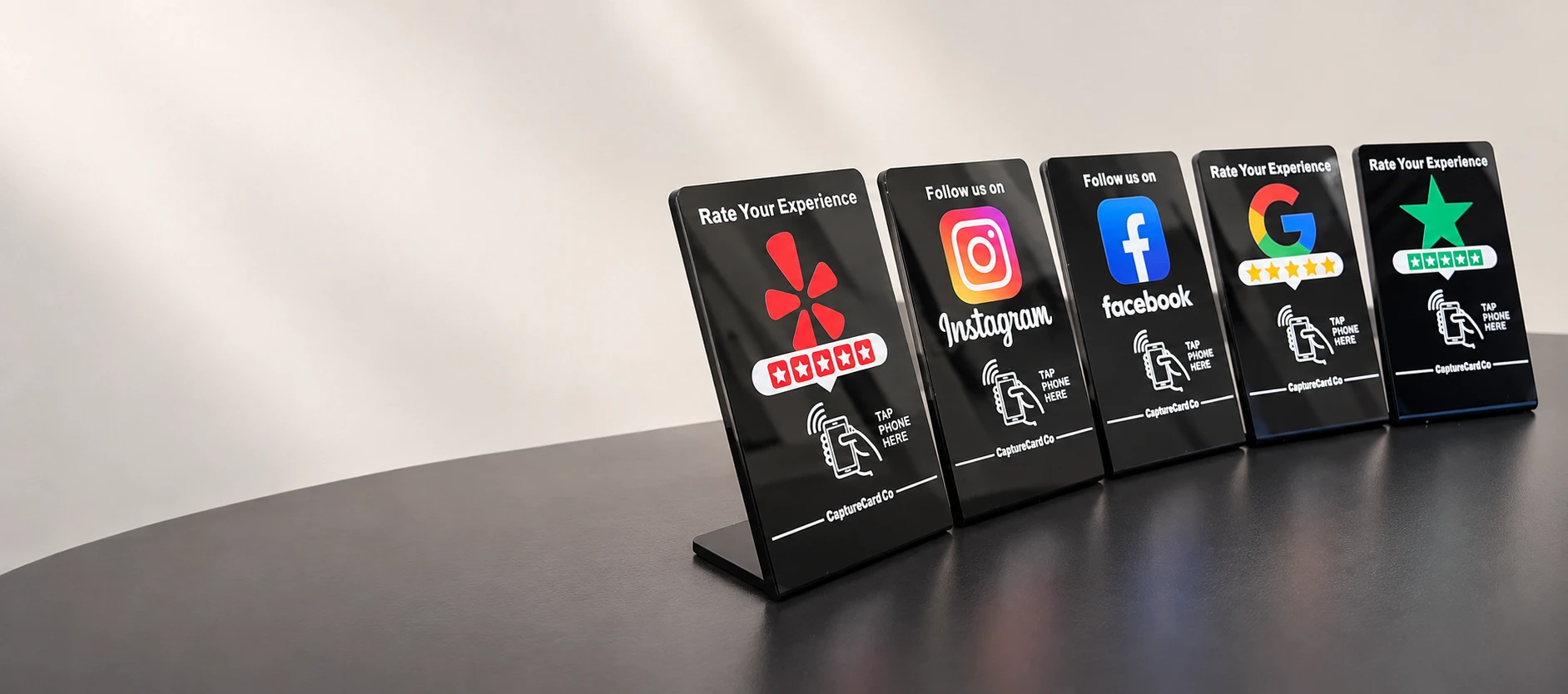
Custom NFC
Acrylic Products
Custom NFC acrylic products for character merchandise, branded gifts, events, and retail collections. Explore NFC-enabled keychains, standees, cards, and countertop plaques designed for tap-based digital experiences, with chip selection, encoding, placement, and testing reviewed for each project.
Product Types
View All Acrylic Displays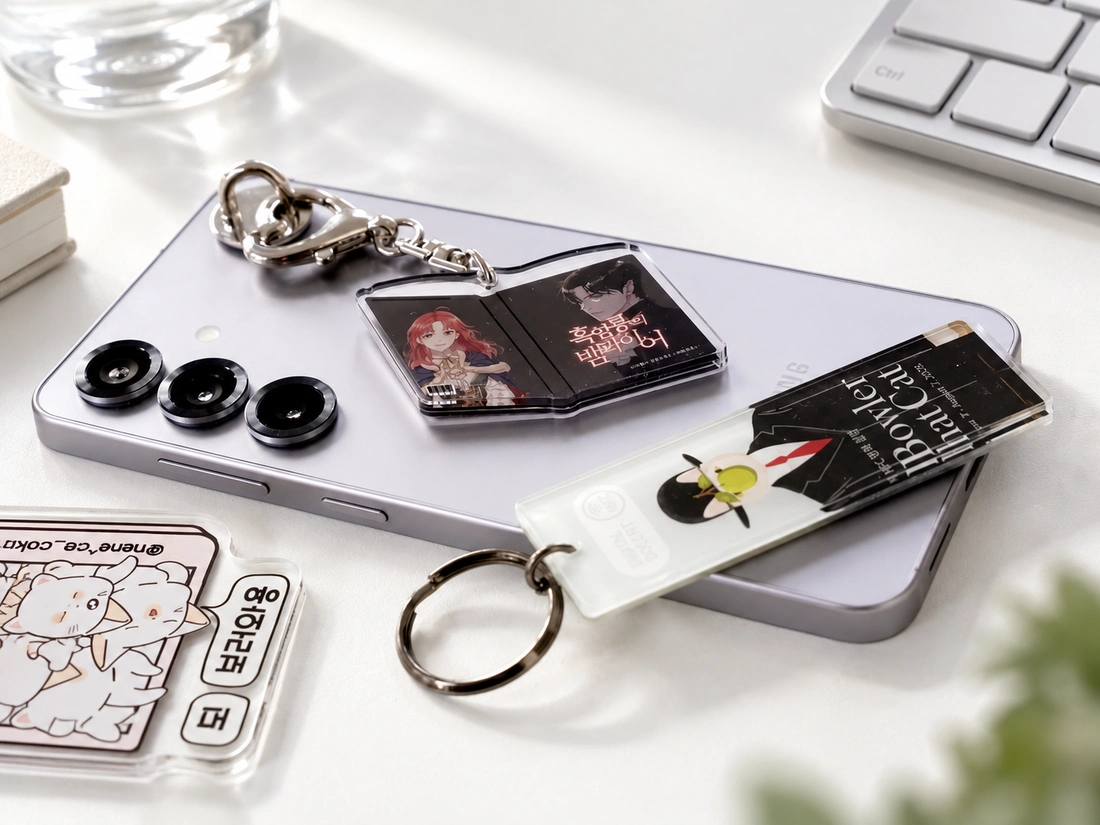
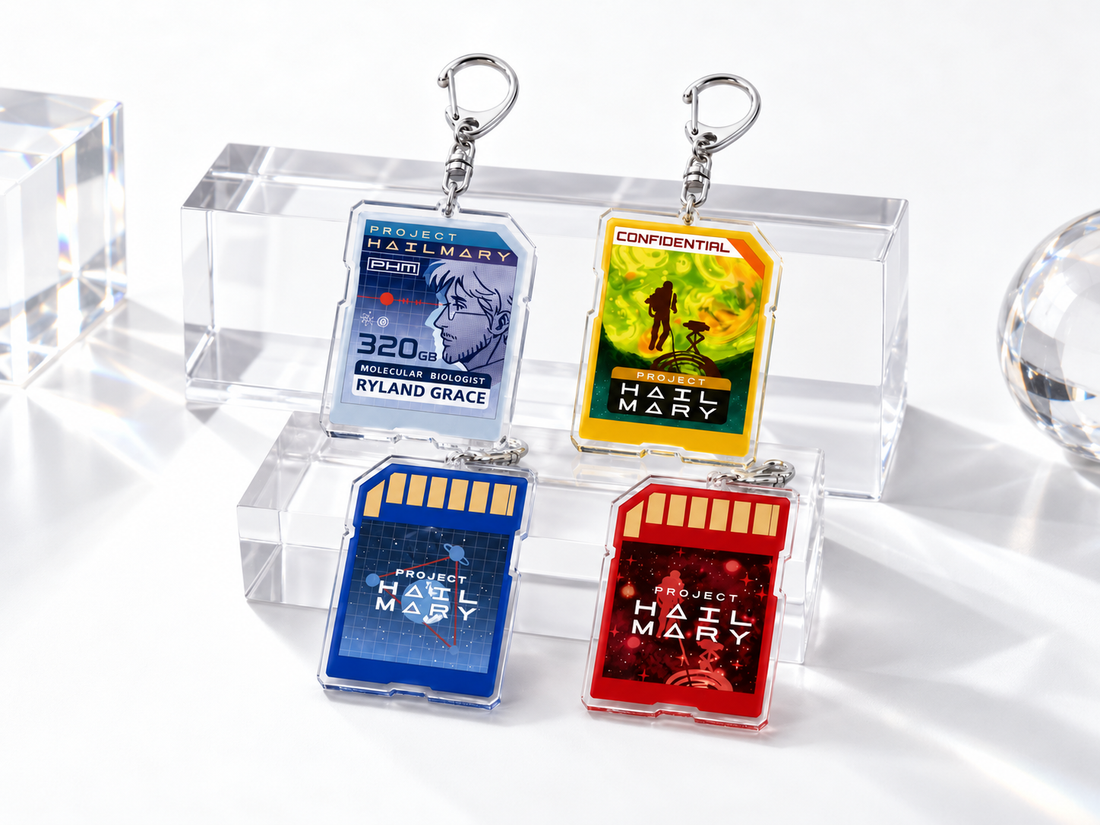
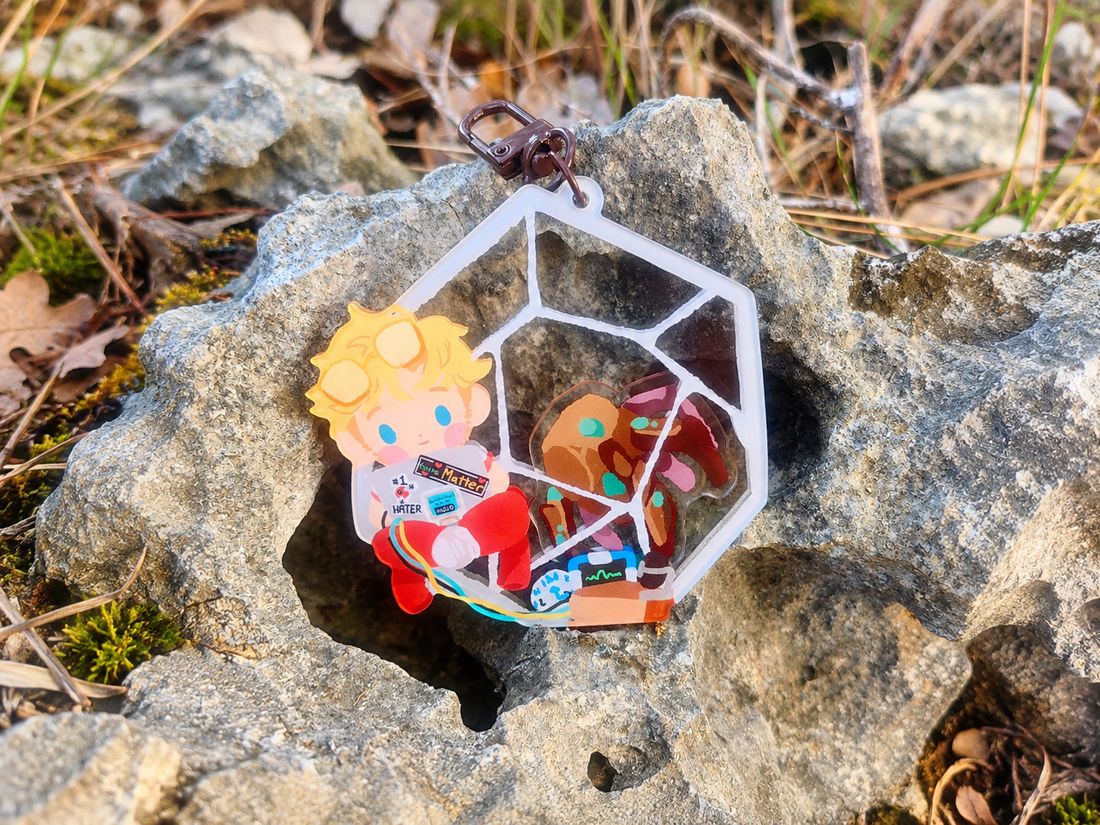
NFC Acrylic Keychains & Charms
Combine custom acrylic artwork with an NFC tag for tap-based access to digital content.

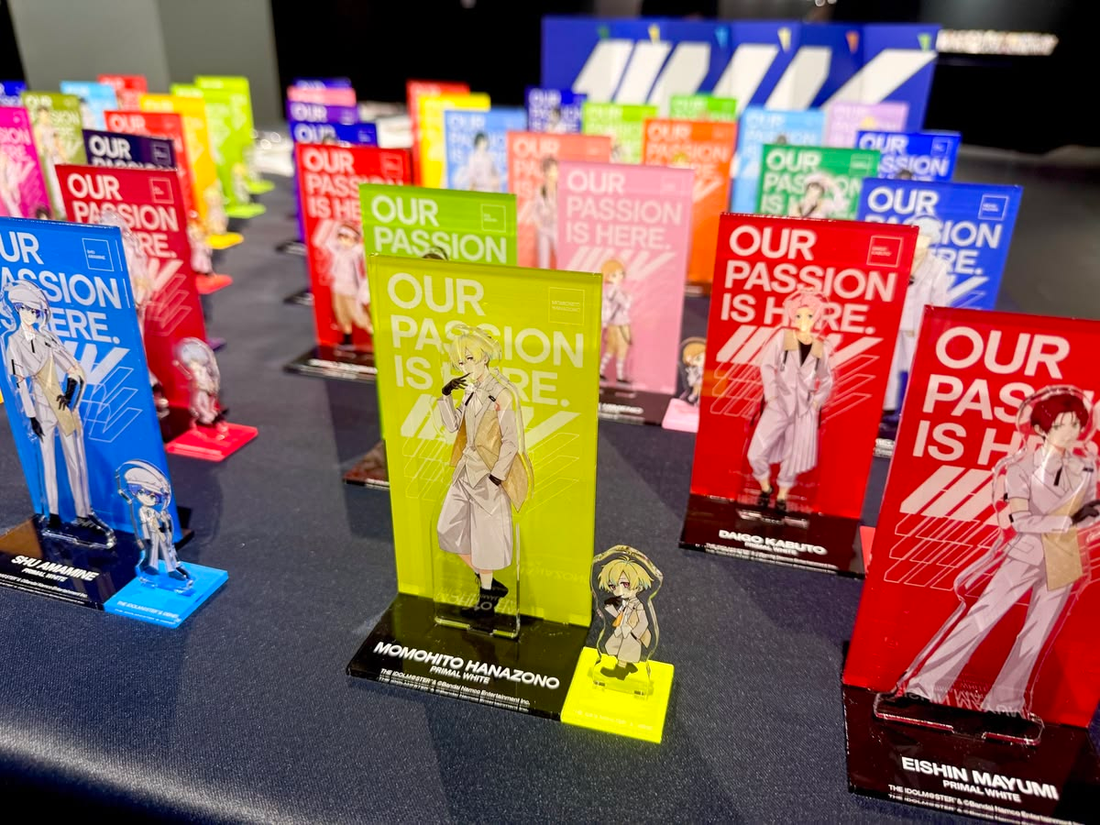
NFC Acrylic Standees
Explore character and branded standees with a planned NFC touchpoint.
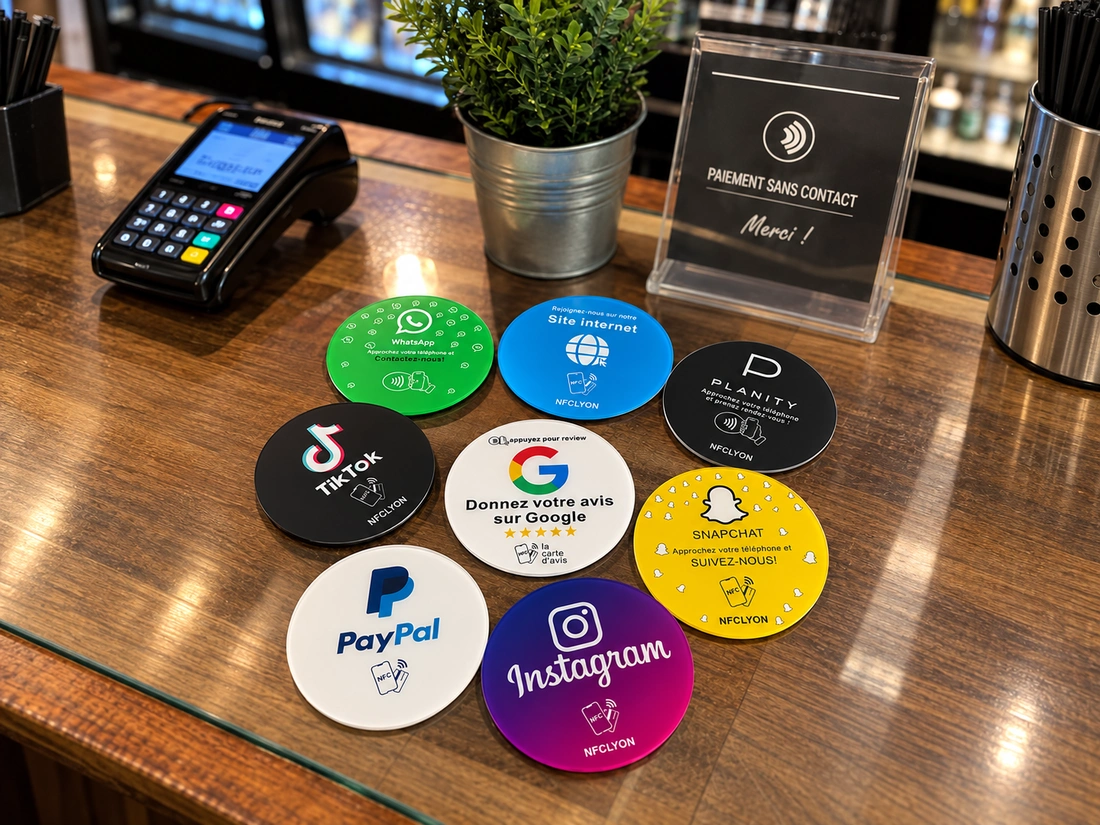
NFC Acrylic Cards & Badges
Review card-like acrylic formats with encoded NFC tags and custom graphics.
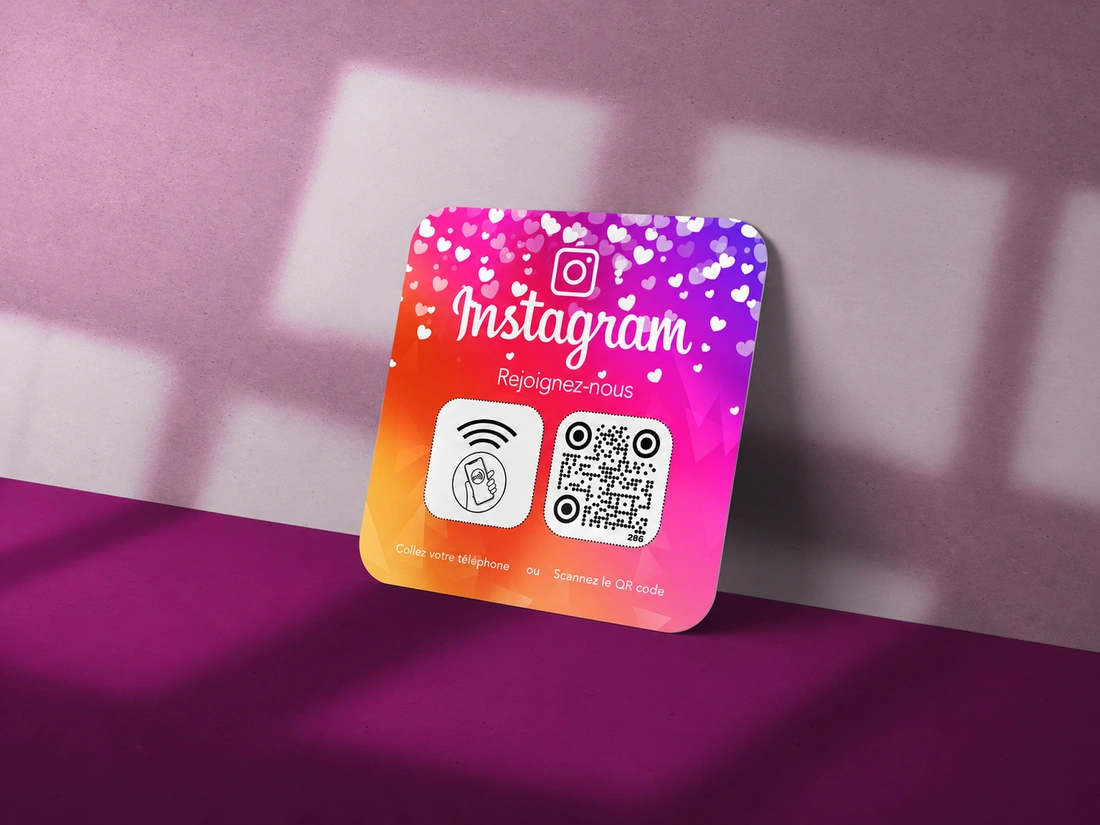
NFC Acrylic Countertop Plaques
Plan branded tabletop touchpoints linking to product pages, catalogs, or visitor information.
Customization & Specifications

NFC Chip & Digital ContentDefine the tag type, stored data, and intended tap experience.
NFC tag selection should begin with the intended user experience and the data that needs to be stored. A standard NDEF-compatible tag may be suitable for a website URL or another supported record, but different chip types provide different memory capacities and features. Options such as NTAG213, NTAG215, or NTAG216 should be reviewed against the actual encoded data and device requirements. Confirm the destination content, tag supply arrangement, and whether individual units require different records before approving the specification.
Antenna Placement & ReadabilityPlan the NFC touchpoint around the antenna, acrylic structure, and surrounding materials.
An NFC tag normally includes both an integrated circuit and an antenna, and the complete assembly influences how a phone reads it. Antenna size, orientation, surrounding material, and the distance to the phone can affect performance. Nearby metal components or metallic finishes may reduce readability and require a different tag construction or placement. Identify the intended tap surface and the final assembled product geometry. Reading performance should be checked after the tag is installed, using representative devices and the intended handling conditions.
Acrylic Design & Tag IntegrationCoordinate artwork, product dimensions, tag space, and the visible tap area.
The acrylic enclosure should be designed around both the physical artwork and the selected NFC inlay or tag. Specify the finished dimensions, material appearance, printed graphics, cut outline, and intended attachment or support structure. If the tag is placed inside or behind an acrylic component, its actual thickness and required clearance must be considered. Artwork can help indicate where a user should tap, but graphics should not be assumed to improve radio performance. Tag integration and the finished appearance should be confirmed with a representative sample.
Encoding, URLs & Write ProtectionDefine programmed records, per-unit data, and future content management.
Each tag should have an approved data specification, such as a defined NDEF URL record, before encoding begins. For multi-design or individually programmed orders, provide a controlled list matching each product or SKU to its intended content. Some tag types support rewriting or write-protection features, while permanently locked data may no longer be editable. Changing the destination of a managed redirect URL is different from rewriting the tag itself and requires a separately maintained web service. Encoding, read-back verification, and any locking requirements should be agreed before production.
Functional Testing & Bulk PackagingReview tap performance, encoded content, identification, and packing requirements.
A completed NFC acrylic product should be tested in its final assembled configuration rather than relying only on an uninstalled tag test. Sample approval may include smartphone recognition, the correct encoded content, intended tap orientation, and any interaction with nearby hardware or display surfaces. For bulk orders, define the encoding and inspection scope, SKU identification, and whether unique data is required for each unit. Packaging should protect the acrylic body and NFC inlay from excessive bending, pressure, or other handling risks. Any required user instructions should be included in the approved retail pack-out.
Applications
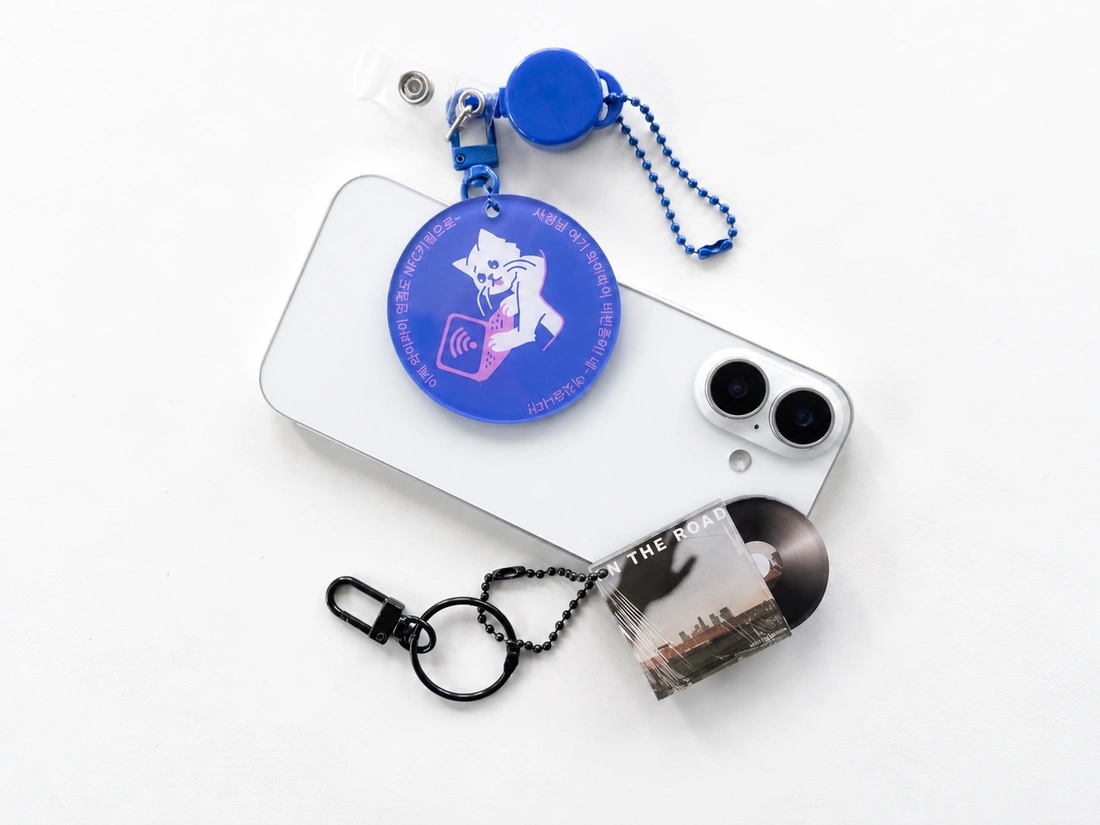
Character & IP Merchandise
Explore tap-enabled merchandise using original or properly licensed character artwork.
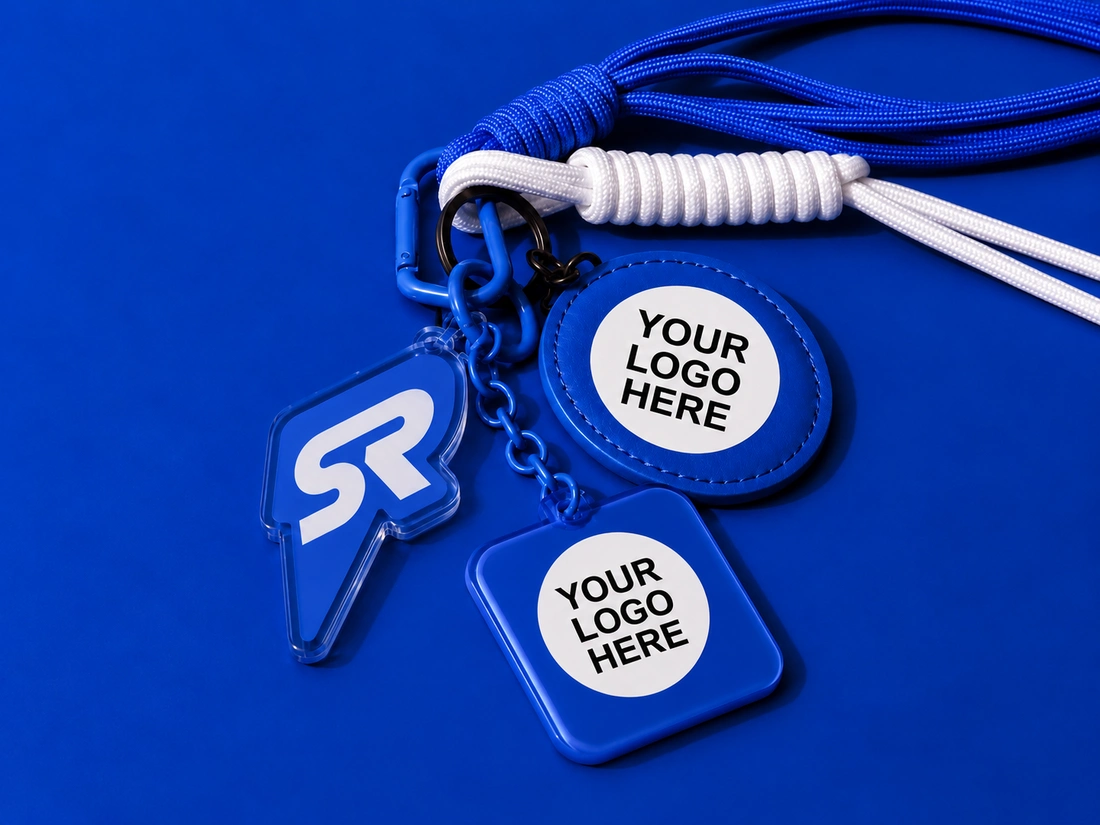
Brand Promotions & Giveaways
Connect selected promotional acrylic products to approved brand landing pages.
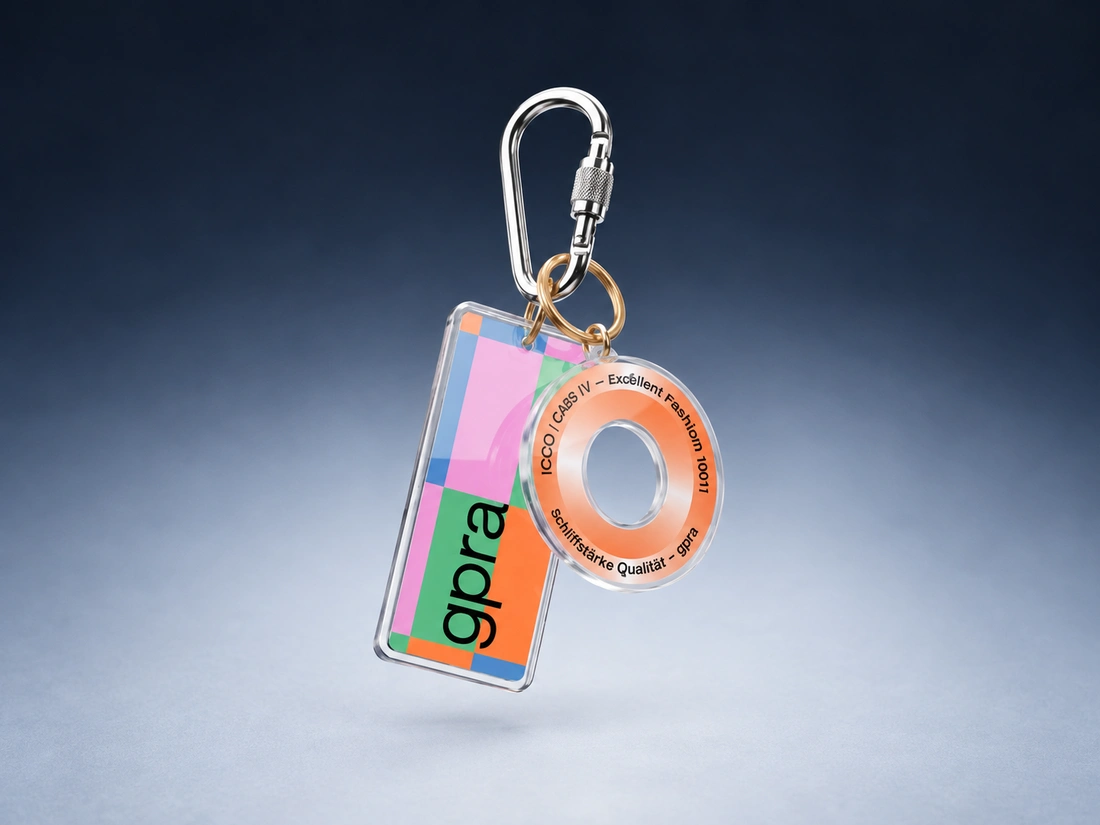
Pop-Up Shops & Events
Plan NFC merchandise and touchpoints for event content and digital experiences.
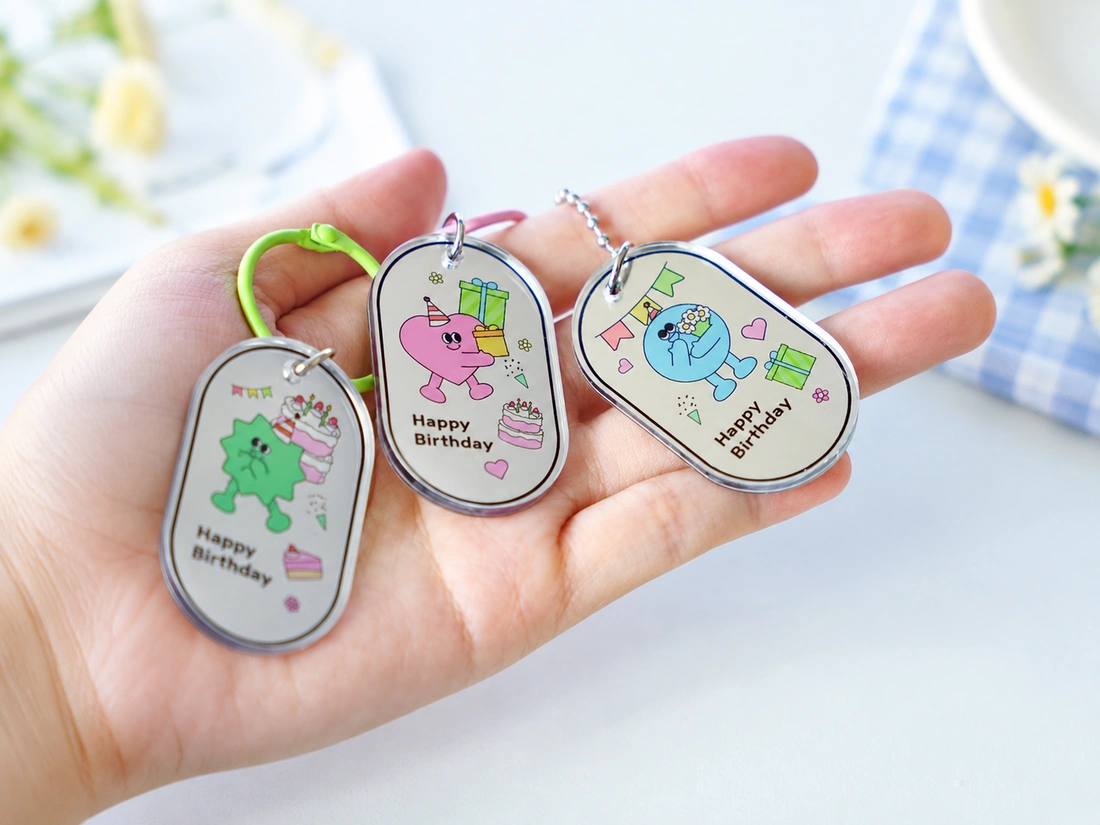
Retail & Product Information
Review branded acrylic touchpoints for catalogs, product details, and visitor information.
Frequently Asked Questions
View All FAQsHow does a custom NFC acrylic product work when someone taps it with a smartphone?
An NFC acrylic product contains a compatible NFC tag consisting of an integrated circuit and antenna. When a supported phone is brought close enough, the phone can energize a passive tag and read its programmed data. A common use is an NDEF URL record that directs the user toward a webpage or other supported digital destination. The actual response depends on the phone, operating system, NFC settings, and stored data. A notification or additional user interaction may be required, so an automatic app launch should not be assumed.
What information can be stored on an NFC acrylic keychain, card, or standee?
A compatible NFC tag can hold supported records such as a website URL, short text, or other data formats appropriate to its chip and intended reader. In many merchandise applications, storing a URL is more practical than trying to place a large amount of digital content directly on the tag. The linked webpage can contain videos, product information, artwork, or other content managed separately. Available memory and device behavior depend on the chip and record format. The intended data should be reviewed before selecting the tag.
What is the difference between NTAG213, NTAG215, and NTAG216 for custom NFC merchandise?
NTAG213, NTAG215, and NTAG216 are NFC Forum Type 2-compatible ICs from NXP, with different user-memory capacities. According to NXP specifications, NTAG213 provides 144 bytes, NTAG215 provides 504 bytes, and NTAG216 provides 888 bytes of user memory. These figures are not the same as the maximum length of an encoded website address because formatting and record data also require space. The best option depends on the intended record, functionality, tag availability, and complete antenna construction. A larger-memory chip does not automatically guarantee a longer read distance.
Will NFC acrylic products work with both iPhones and Android phones without a special app?
Many compatible iPhone and Android models can read standard NFC tags, especially those containing supported URL records. However, not every device or operating-system configuration behaves the same way. Some devices may require NFC to be enabled, the phone to be unlocked, a notification to be selected, or an appropriate application to handle the content. The exact tap location can also vary between phone models. If broad compatibility is essential, use a suitable record format and test the completed product on representative target devices before production approval.
How do acrylic thickness, NFC antenna placement, and nearby metal affect reading performance?
NFC reading depends on the complete tag and antenna design, its orientation, the distance to the phone, and surrounding materials. Acrylic itself does not automatically prevent NFC communication, but embedding a tag deeper in a product can change the practical tap arrangement. Nearby metal fittings, metallic decoration, or mounting surfaces may interfere with the antenna. Some applications require suitable spacing or a tag designed for use near metal. Provide the final enclosure and hardware layout so reading performance can be evaluated on the assembled sample.
Can every NFC acrylic product have a different URL, and can a QR code be added as an alternative?
Individual NFC tags can be programmed with different approved records when the selected production and encoding process supports per-unit data. This may be useful for different products, artwork versions, or unique destinations. Printed QR codes can also be considered as a separate access method, subject to artwork space, scanning requirements, and the approved print process. If both NFC and QR codes are used, their destinations should be checked for consistency. A controlled data list is needed to match each physical unit or SKU with its intended content.
Can the NFC link be changed after production, and what happens if the tag is locked?
A writable NFC tag may allow its stored data to be changed using compatible writing equipment or software, provided it has not been permanently locked or otherwise protected against rewriting. Some tags support read-only locking, which can make later changes impossible. A different approach is to encode a URL controlled through a separately maintained redirect service. In that case, the destination webpage may be changed without rewriting the tag, but the encoded URL remains the same and the service must continue operating. The intended update method should be agreed before encoding and locking.
Are standard NFC acrylic products secure enough for authentication, payment, or anti-counterfeiting?
A standard NFC tag that stores an ordinary website URL should not automatically be treated as a secure authentication device. Readable URLs may be copied, and basic write protection does not provide the same security as a purpose-built cryptographic system. Payment, access control, and higher-assurance product authentication require appropriate hardware, backend verification, system design, and security review. If the project needs those functions, specify the complete use case before chip selection. Ordinary URL-based NFC merchandise should be presented primarily as a convenient digital-content touchpoint.
What should be checked on an NFC acrylic product sample before bulk production?
Sample approval should include the acrylic dimensions, artwork, tag placement, enclosure condition, attachment hardware, and the intended tap location. Test the tag after it has been integrated into the finished product rather than checking only the loose NFC inlay. Verify that representative compatible phones can read the tag and that the correct URL or other approved content is returned. Where different records are used, confirm the mapping between the physical item and its encoded data. Any required read range, device compatibility, encoding checks, and packaging tests should be defined in the acceptance criteria.
What affects MOQ, pricing, encoding, and lead time for custom NFC acrylic products?
MOQ and pricing depend on the acrylic design, dimensions, printing, selected NFC chip and antenna, integration method, hardware, order quantity, and packaging. Blank NFC tags, identical pre-encoded tags, and individually programmed tags may involve different production and inspection requirements. For a quotation, provide the artwork, product format, preferred dimensions, intended NFC function, destination URL or data type, quantity per SKU, encoding requirements, packaging, destination country, and target date. Chip availability, sampling, testing scope, MOQ, production timing, and shipping should then be confirmed for the approved configuration.
Ready to Start Your Display Project?
Share your product, dimensions and quantity to discuss the next step.