
Custom
Multi-Material
Retail Displays
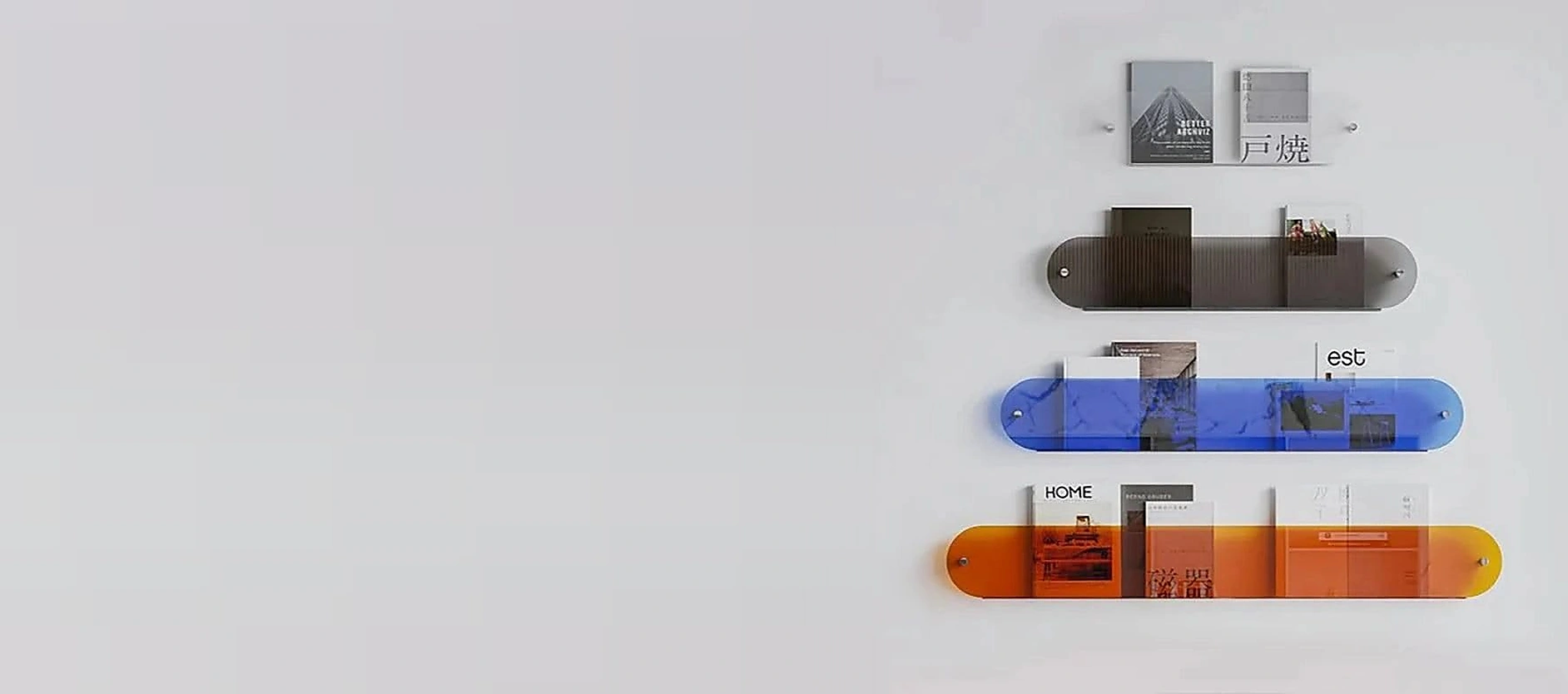
Custom multi-material retail displays combine acrylic, metal, wood, and selected components to create distinctive product presentation structures. Explore material combinations, framed displays, branded bases, and hybrid merchandising units designed around your products, retail space, and visual requirements.
Product Types
View All Acrylic Displays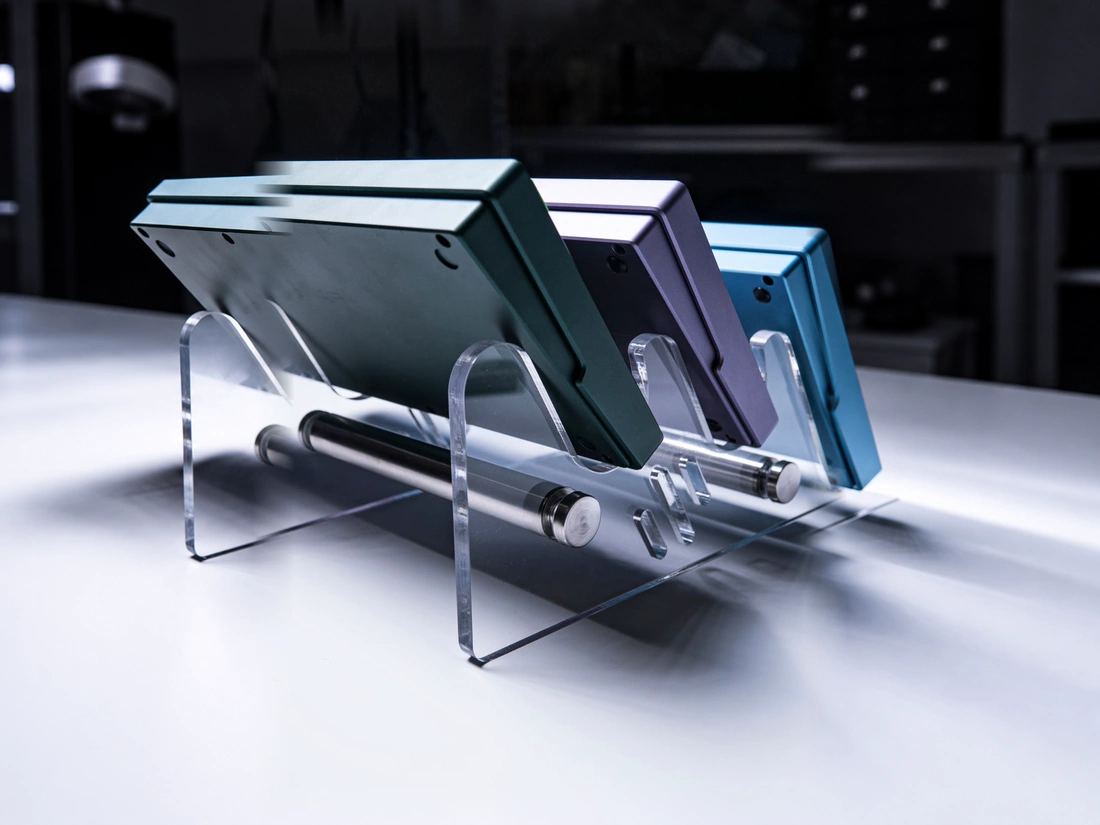
Acrylic & Metal Display Stands
Combine acrylic presentation surfaces with metal supports or frames for retail displays.
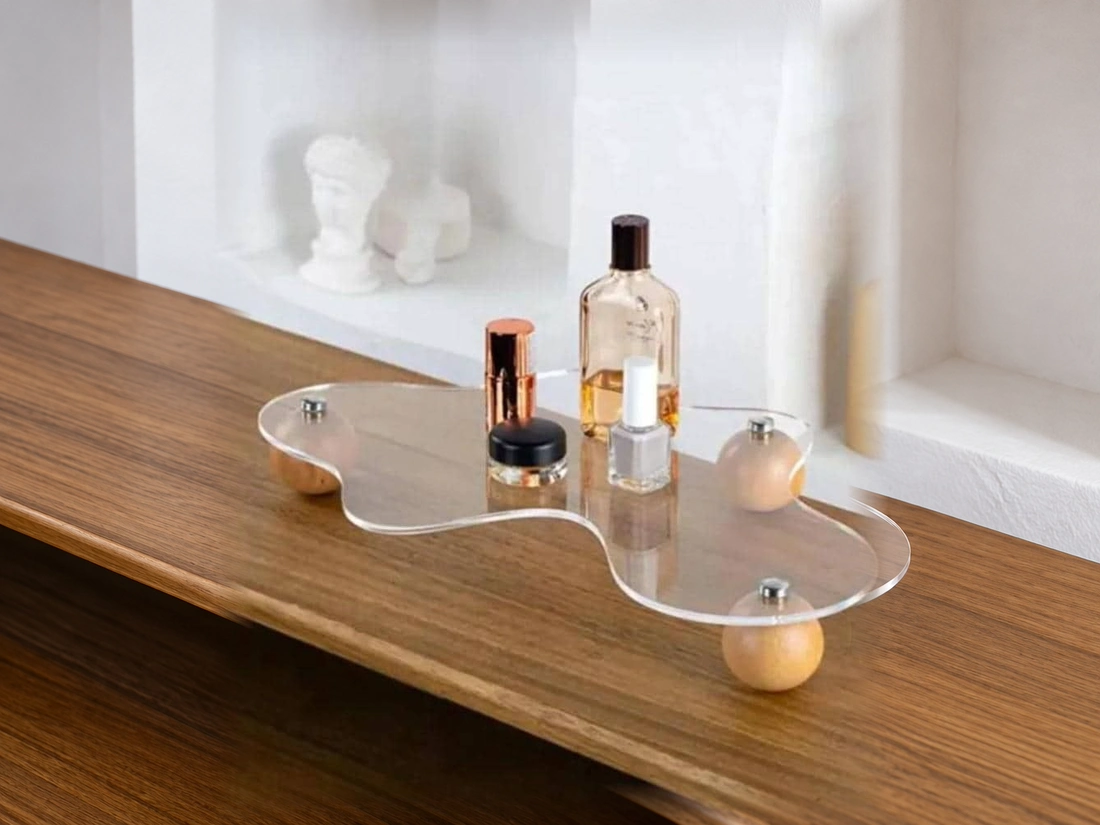
Acrylic & Wood Display Platforms
Pair acrylic display elements with wood or wood-based bases for contrasting visual finishes.

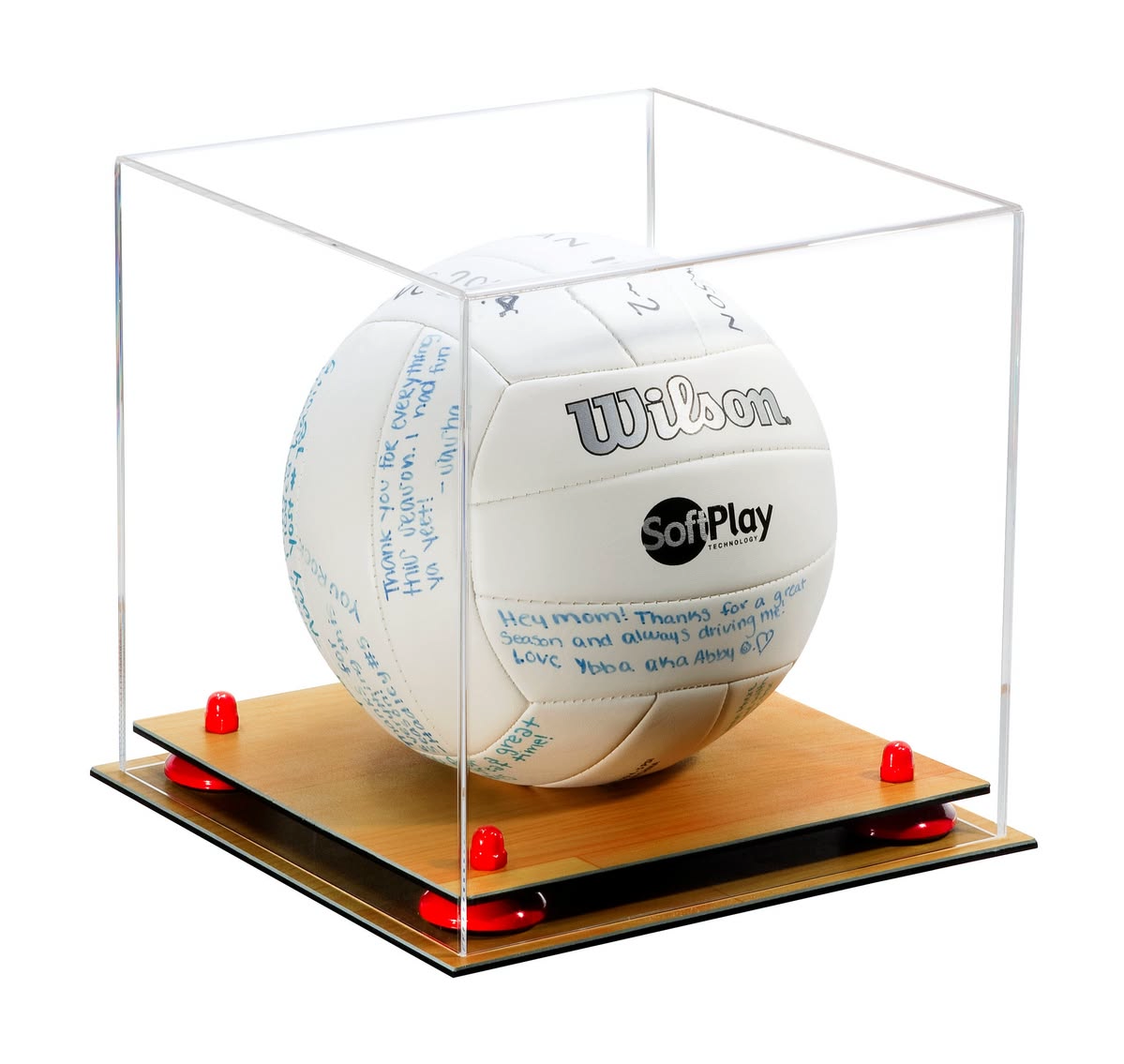
Mixed-Material Display Cases
Explore acrylic display panels with framed bases, structural supports, and selected fittings.

Hybrid Retail Merchandising Units
Coordinate different materials, product supports, and branded elements in one display unit.
Customization & Specifications
Material Selection & RolesDefine how acrylic, metal, and wood contribute to the display.
Each material should have a clear purpose in the display design. Acrylic may be used for transparent presentation surfaces, metal for selected supports or frames, and wood or wood-based panels for bases and visual accents. The appropriate combination depends on product weight, appearance, handling, and installation conditions. Material grades, finishes, availability, and compatibility should be reviewed together rather than selected only for their visual effect.
Connections & Material InterfacesReview joints, fasteners, alignment, and material compatibility.
Combining different materials requires attention to how the components are connected. Mechanical fasteners, fitted interfaces, or suitable bonding methods may be considered depending on the construction. Acrylic, metal, and wood-based materials can respond differently to temperature, humidity, and mechanical loads. Hole positions, contact surfaces, assembly clearances, and potential stress concentrations should therefore be evaluated. The final connection method needs to be confirmed for the selected materials and intended use.
Dimensions, Load & StabilityPlan display dimensions and support requirements across materials.
Provide the dimensions and weight of the products to be displayed, the intended quantity, and the available retail footprint. The load path through acrylic shelves, metal supports, and wood-based bases should be considered as a complete structure. Panel spans, joint locations, base dimensions, and weight distribution can affect stability. The proposed assembly should be reviewed against the intended configuration and relevant sample requirements rather than relying on a single material thickness or component specification.
Finishes, Colors & BrandingCoordinate material appearance, surface treatments, and brand graphics.
Acrylic transparency, metal surface finishes, and wood grain or decorative laminates can create different visual effects under retail lighting. If a consistent brand color or appearance is required across materials, provide color references, finish samples, and artwork files. Color and surface appearance may vary between materials and production methods, so important visual matches should be reviewed using physical samples where appropriate. Logo placement and graphic application methods should also be confirmed for each material surface.
Assembly, Packaging & DeliveryPlan multi-part assembly, component protection, and shipment requirements.
A multi-material display may contain separate acrylic panels, metal fittings, wood-based components, and branded elements. Define whether the unit should be supplied assembled or in parts, along with the required accessories and assembly instructions. Packaging should protect different surfaces, exposed edges, and connection points while limiting movement during transport. For projects with several display versions, identify the component quantities, labels, and packing arrangements needed for each version.
Applications
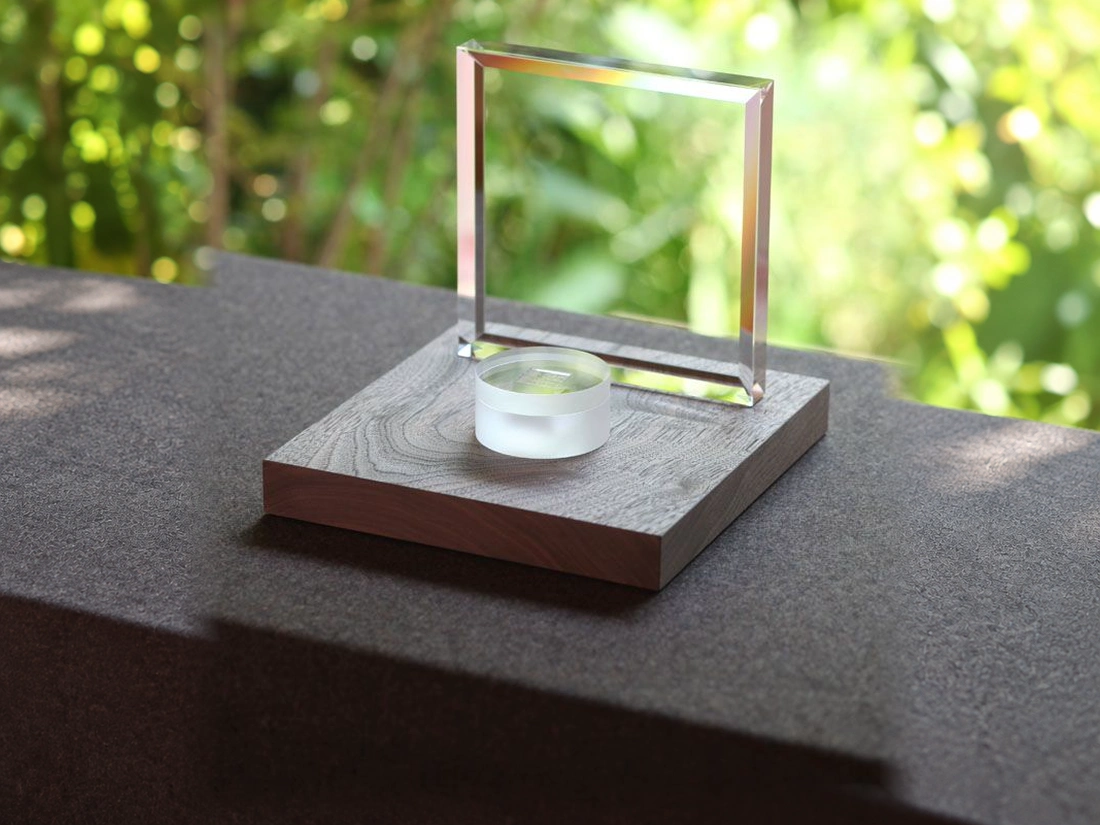
Premium Retail Counters
Combine transparent presentation surfaces with contrasting structural and decorative materials.
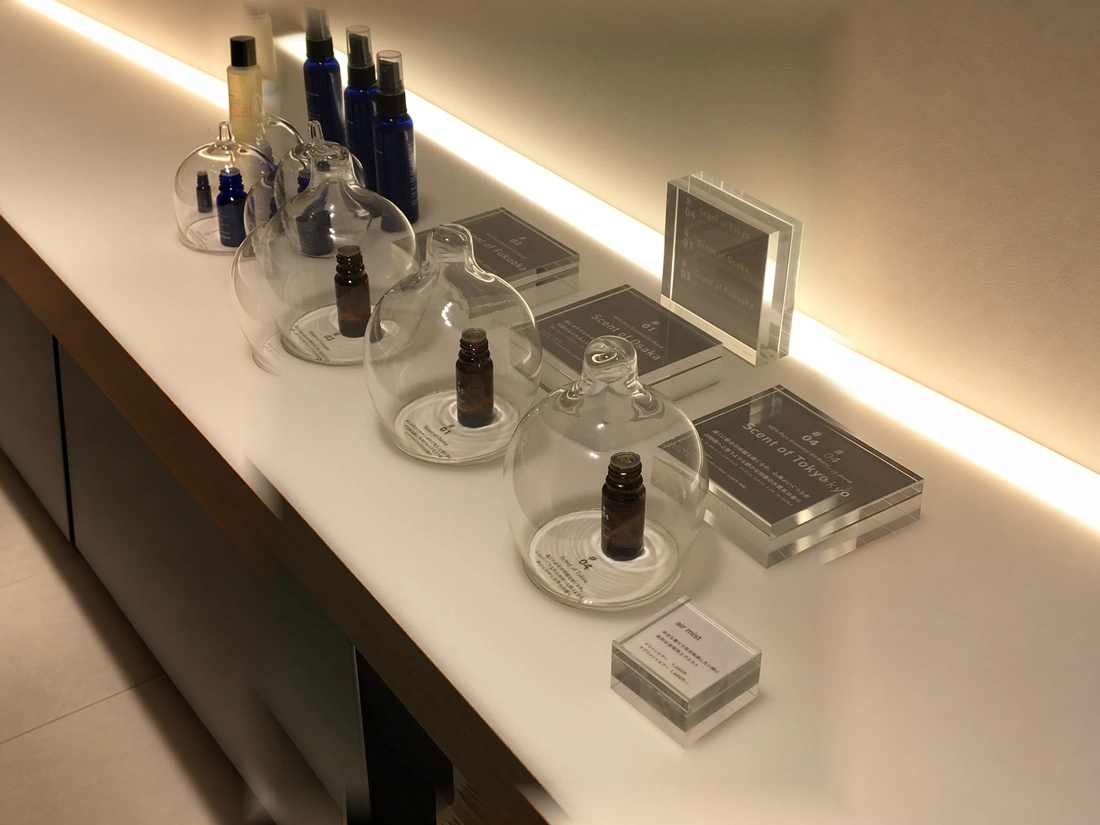
Beauty & Fragrance Merchandising
Present beauty collections with coordinated acrylic surfaces and branded display bases.

Consumer Electronics & Accessories
Organize packaged tech products using compatible supports and mixed-material presentation structures.
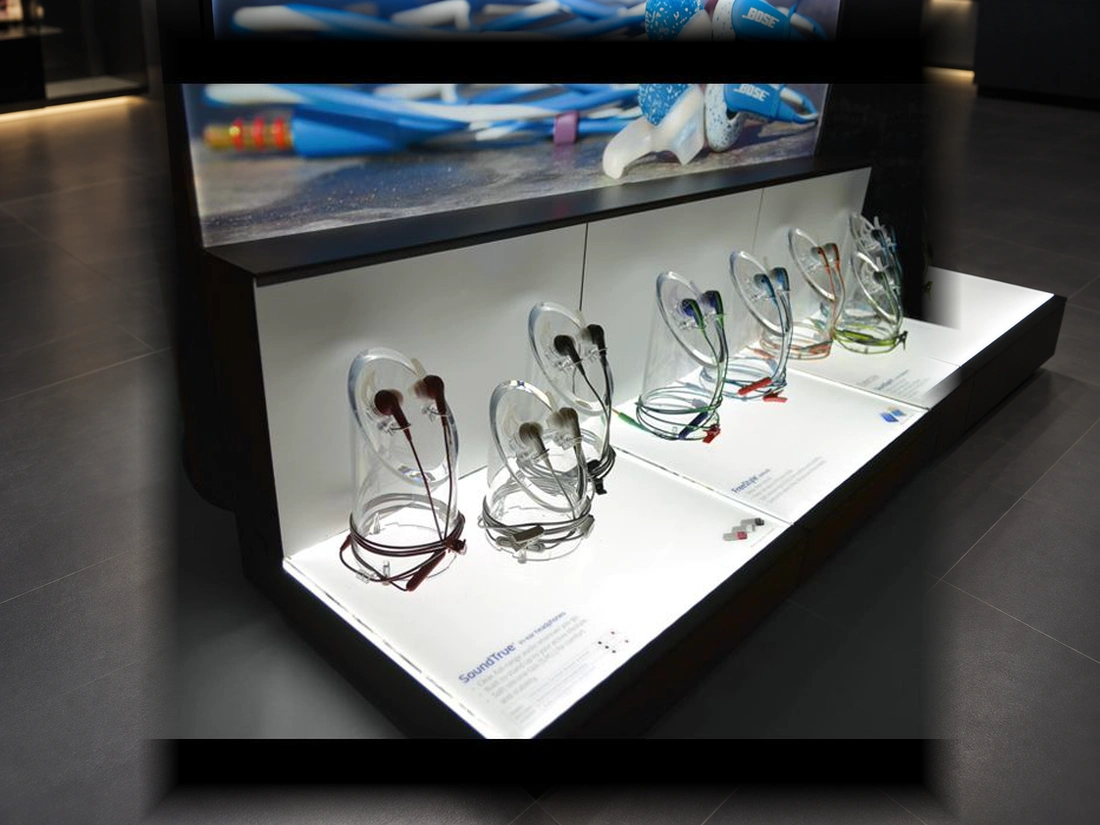
Showrooms & Brand Activations
Create coordinated product presentations for showrooms, launches, and temporary events.

Frequently Asked Questions
View All FAQsWhen should I choose a multi-material retail display instead of an acrylic-only display?
A multi-material display may be suitable when the design requires different materials to perform distinct functions. For example, acrylic can provide a transparent presentation surface, while metal supports or wood-based elements may be considered for selected structural or visual requirements. However, adding materials also increases the number of components, interfaces, and finishing details that need coordination. The decision should be based on the product weight, retail environment, desired appearance, assembly requirements, and total project cost rather than appearance alone.
What roles can acrylic, metal, and wood play in a custom retail display?
Acrylic is often used where product visibility, transparency, or shaped presentation elements are important. Metal may be selected for frames, brackets, supports, or hardware, while wood and wood-based panels can provide bases, decorative surfaces, or selected structural elements. Each material has different properties, finishing options, and manufacturing requirements. The design should identify which components support the products, which create the desired appearance, and how the materials connect before final specifications are agreed.
How are acrylic panels joined to metal frames or wood bases?
The connection method depends on the materials, panel dimensions, load requirements, and intended handling. Mechanical fasteners, fitted joints, or suitable bonding methods may be evaluated. Acrylic can be sensitive to stress around holes or concentrated loads, while metal and wood-based components may have different movement and fastening characteristics. Joint positions, contact surfaces, assembly clearances, and finish protection should be reviewed together. A physical sample can help confirm alignment and the suitability of the proposed connection.
Can temperature or humidity affect the fit of mixed-material display components?
Yes. Different materials can respond differently to environmental conditions. Acrylic and metals expand or contract with temperature changes, while wood and certain wood-based panels can also respond to moisture. These differences may affect joint clearances, panel alignment, or the fit of assembled parts. The actual risk depends on the selected materials, dimensions, construction, and expected environment. If the display will face unusual temperature or humidity conditions, those requirements should be identified before the design is finalized.
How can acrylic colors, metal finishes, and wood surfaces be coordinated?
Material appearance should be reviewed under the intended lighting and viewing conditions. Clear or tinted acrylic, painted or brushed metal, and wood grain or decorative laminates can reflect and absorb light differently. Even when similar color references are used, the finished appearance may vary by substrate and production method. Provide brand guidelines, color references, and representative finish samples where available. Physical approval samples are particularly useful when visual consistency across materials is an important requirement.
How are load capacity and stability evaluated for a multi-material retail display?
The complete structure should be considered rather than assessing each material independently. Product weight may pass through acrylic shelves, metal supports, fasteners, and the display base, so the connections and load distribution are important. Unsupported spans, base dimensions, material thickness, and expected handling also influence stability. Provide the product sizes, maximum intended loads, overall display dimensions, and installation conditions. Appropriate structural and sample checks can then be defined for the proposed configuration.
Can multi-material displays be shipped assembled or as separate components?
Both arrangements may be considered depending on the design. A fully assembled unit can reduce installation work at the destination but may occupy more shipping space and require additional protection. Shipping components separately can change packing dimensions, although it introduces assembly, hardware, and component identification requirements. Mixed-material surfaces may need different protective materials to avoid abrasion or movement during transport. The packing method should be reviewed together with the display construction and destination requirements.
What should be checked on a multi-material display sample before bulk production?
A sample review should consider the fit and alignment of acrylic, metal, and wood-based components, along with the display's dimensions, stability, and visible finish quality. Connection details, branding placement, assembly, and the handling of different materials should also be checked against the approved requirements. Where appearance consistency is important, representative finish samples can help establish the intended result. The sampling scope, cost, timing, and acceptance criteria should be confirmed for the project before bulk production proceeds.
What affects MOQ and pricing for custom multi-material retail displays?
MOQ and pricing depend on the design, materials, component quantities, fabrication steps, surface finishes, assembly, packaging, and order volume. Different material components may have separate sourcing or production setup requirements. A display combining acrylic panels, metal fittings, and wood-based bases can therefore have a different cost structure from an acrylic-only product. For projects involving several sizes or configurations, provide the quantity for each version separately so the quotation reflects the actual components and manufacturing requirements.
What information is needed for a multi-material retail display quotation and production estimate?
Please share a drawing, reference image, or product concept, together with the intended display dimensions, product sizes and weights, and required quantity per design. Identify the preferred materials, visible finishes, brand colors, logo or graphic requirements, and any specific assembly or structural features. Packaging preferences, destination country, and target delivery date are also useful. If material choices are not finalized, indicate the desired appearance and functional requirements so suitable options and project-specific production considerations can be reviewed.
Ready to Start Your Display Project?
Share your product, dimensions and quantity to discuss the next step.