

Custom LED
Acrylic Displays
Custom LED acrylic displays combine illuminated elements with acrylic structures for retail presentation, branded graphics, and product showcases. Explore edge-lit panels, backlit displays, illuminated bases, and LED-lit showcases, with lighting, dimensions, and power requirements reviewed for each project.
Product Types
View All Acrylic Displays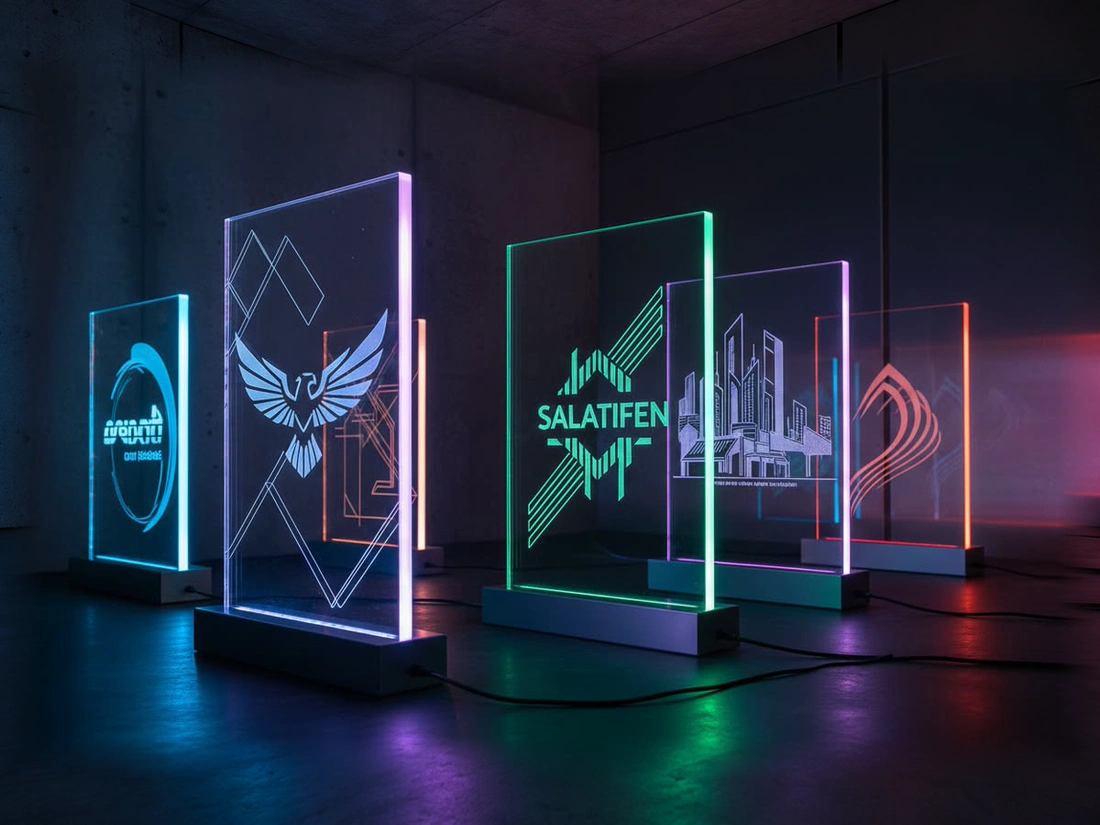
Edge-Lit Acrylic Displays
Guide light through acrylic panels to highlight selected graphics and shapes.
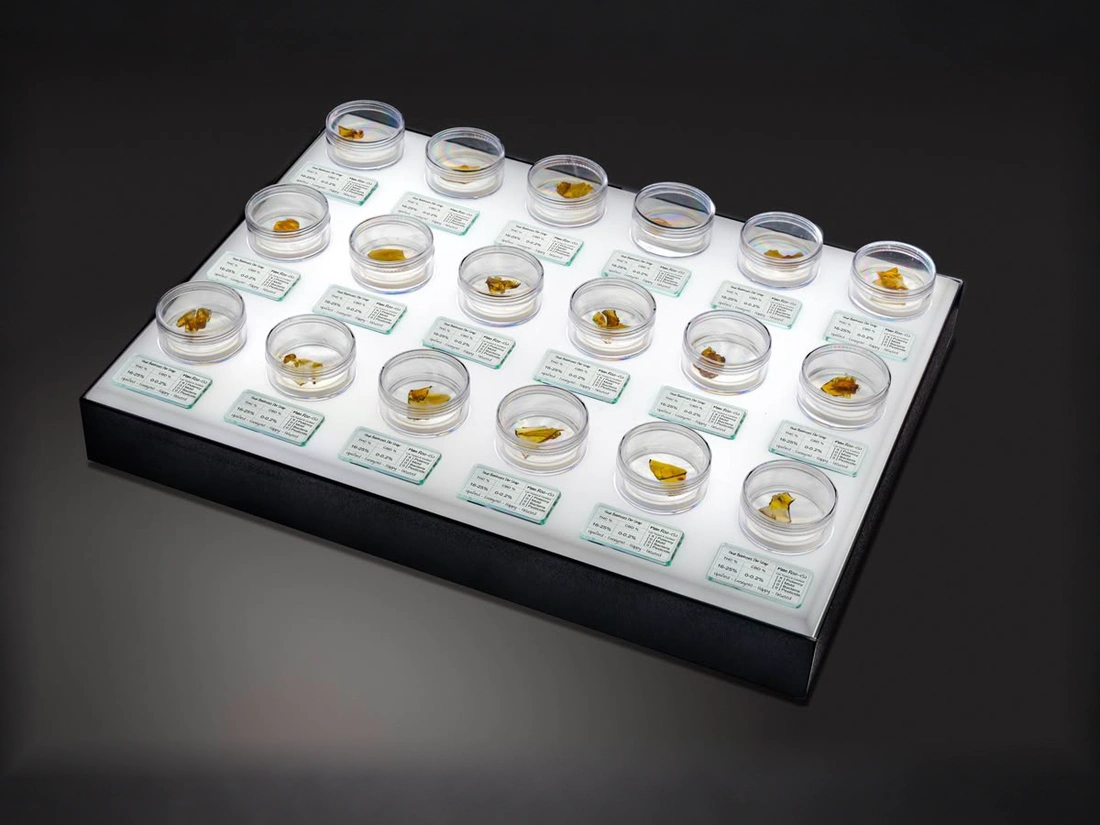
Backlit Acrylic Displays
Use lighting behind display surfaces for illuminated brand graphics and messages.
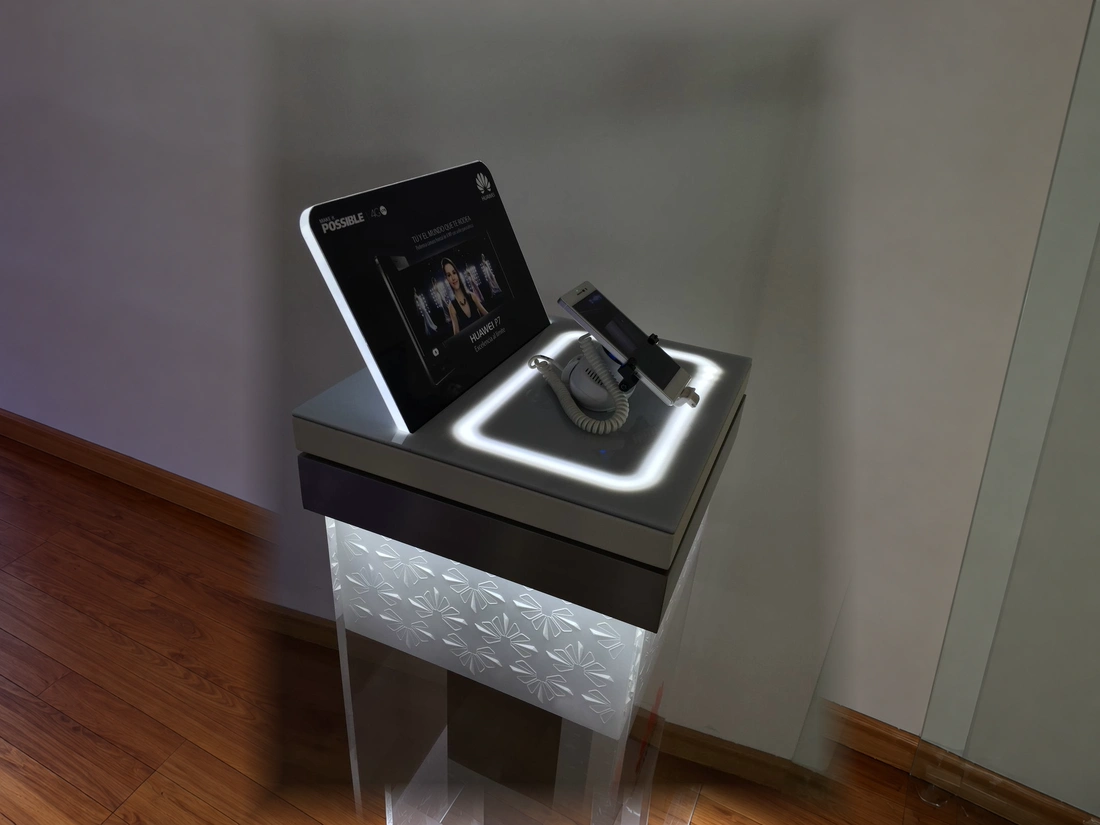
Illuminated Display Bases
Add integrated lighting beneath or around products for focused presentation.

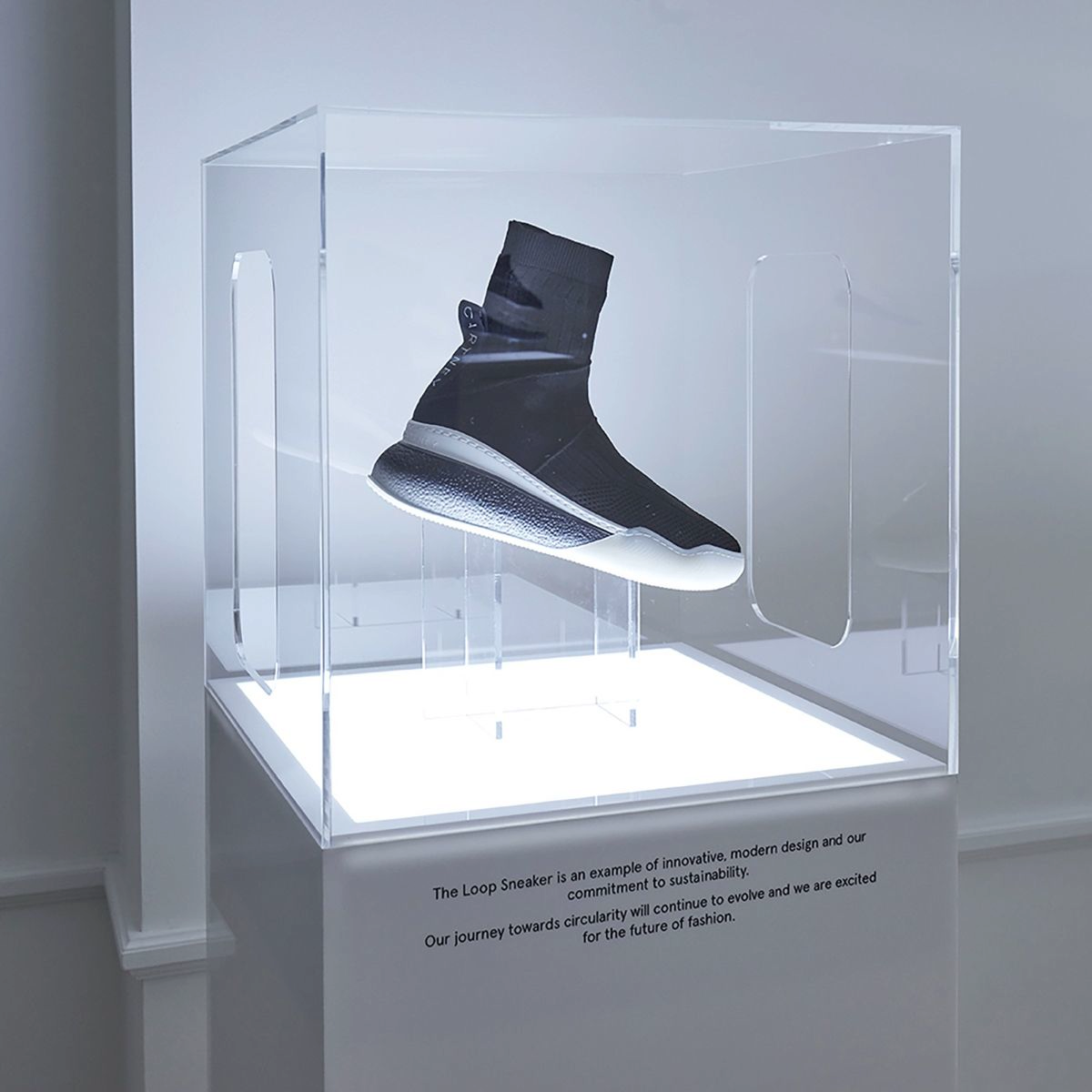
LED-Lit Product Showcases
Explore display enclosures with internal lighting for selected products and collections.
Customization & Specifications
Lighting Method & DistributionReview edge lighting, backlighting, and light distribution.
The lighting method affects how an acrylic display appears. Edge-lit designs introduce light through the panel edges, while backlit structures place the source behind an illuminated surface. Light-guide materials, diffusion, LED spacing, and construction depth can influence brightness uniformity and visible light spots. Share the intended illuminated areas, viewing distance, and reference effect so the lighting arrangement can be evaluated before a sample is approved.
LED Color & Lighting ControlsDefine lighting color, brightness, and control requirements.
Consider whether the display needs a fixed white appearance, a particular color tone, or a changeable lighting effect. If dimming, RGB lighting, or other controls are required, identify how the user should operate them and when different settings will be used. Color consistency, visual comfort, and the appearance of illuminated graphics should be considered during sample review. Specific LED modules and control functions must be confirmed for the proposed design.
Acrylic Materials & Display StructurePlan dimensions, acrylic construction, and illuminated components.
Provide the overall display dimensions, product sizes and weights, and the areas intended to emit or transmit light. Clear acrylic, diffusing materials, opaque elements, and reflective surfaces can play different roles in an illuminated structure. Panel thickness and support requirements should be evaluated alongside LED placement and assembly. The final configuration must account for product stability, access to components, and the actual lighting effect.
Branding & Illuminated GraphicsCoordinate logos, graphic placement, and lighting effects.
Illuminated acrylic displays may incorporate logos, decorative graphics, product information, or branded panels. Provide artwork files, preferred colors, viewing direction, and a clear indication of which areas should appear illuminated. Printed, engraved, or layered elements may behave differently under edge lighting or backlighting. Suitable graphic methods and the resulting appearance should be reviewed using the selected material and lighting arrangement.
Power, Maintenance & PackagingPlan electrical connections, access, and transport protection.
Define the destination market, preferred power arrangement, installation location, operating conditions, and expected access to the lighting components. Power adapters, switches, wiring routes, connectors, and replacement access may affect the display construction. Thermal conditions and applicable electrical requirements should also be assessed for the final configuration. Packaging should protect acrylic surfaces, lighting components, cables, and accessories during shipment.
Applications
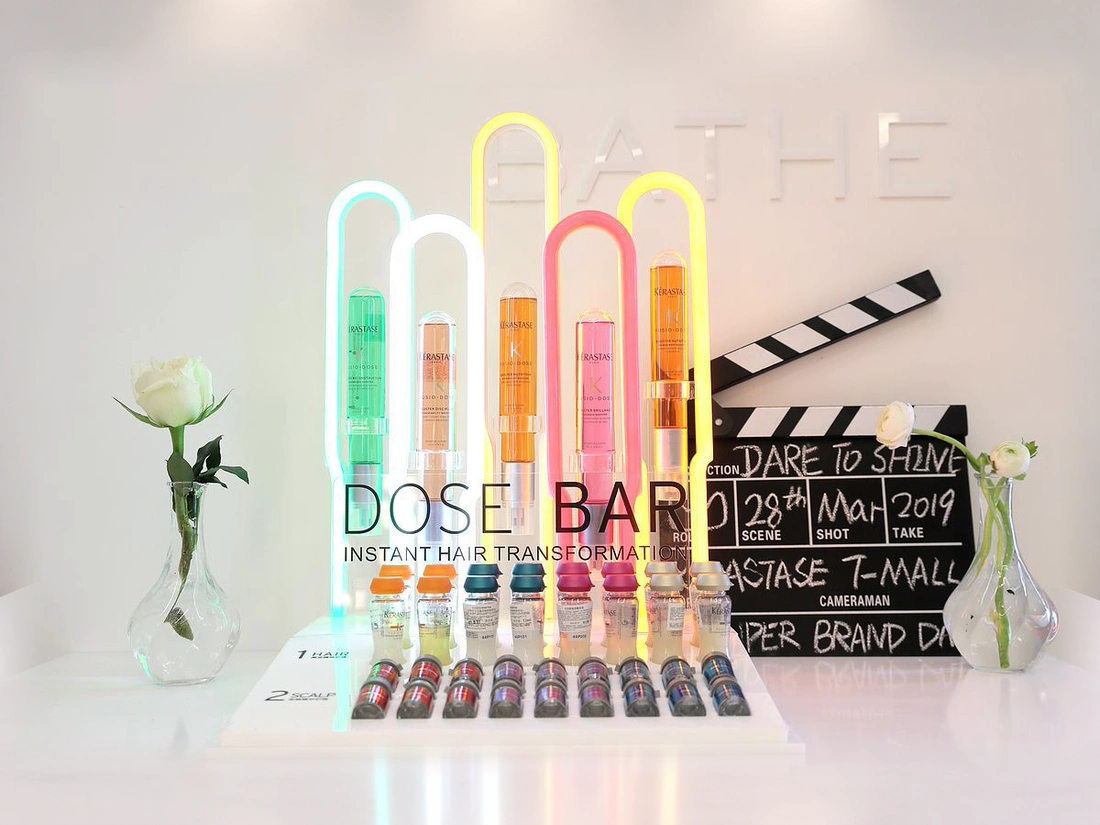
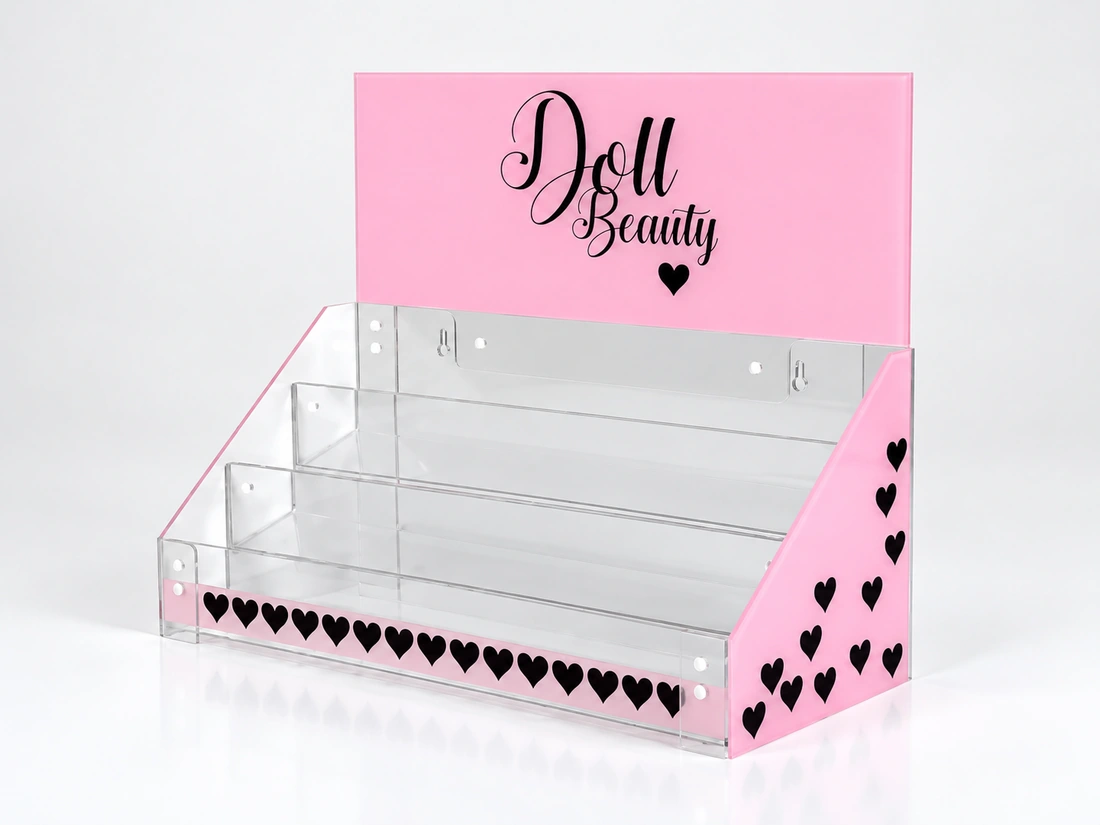
Beauty & Fragrance Retail
Highlight selected cosmetic and fragrance products with illuminated presentation elements.
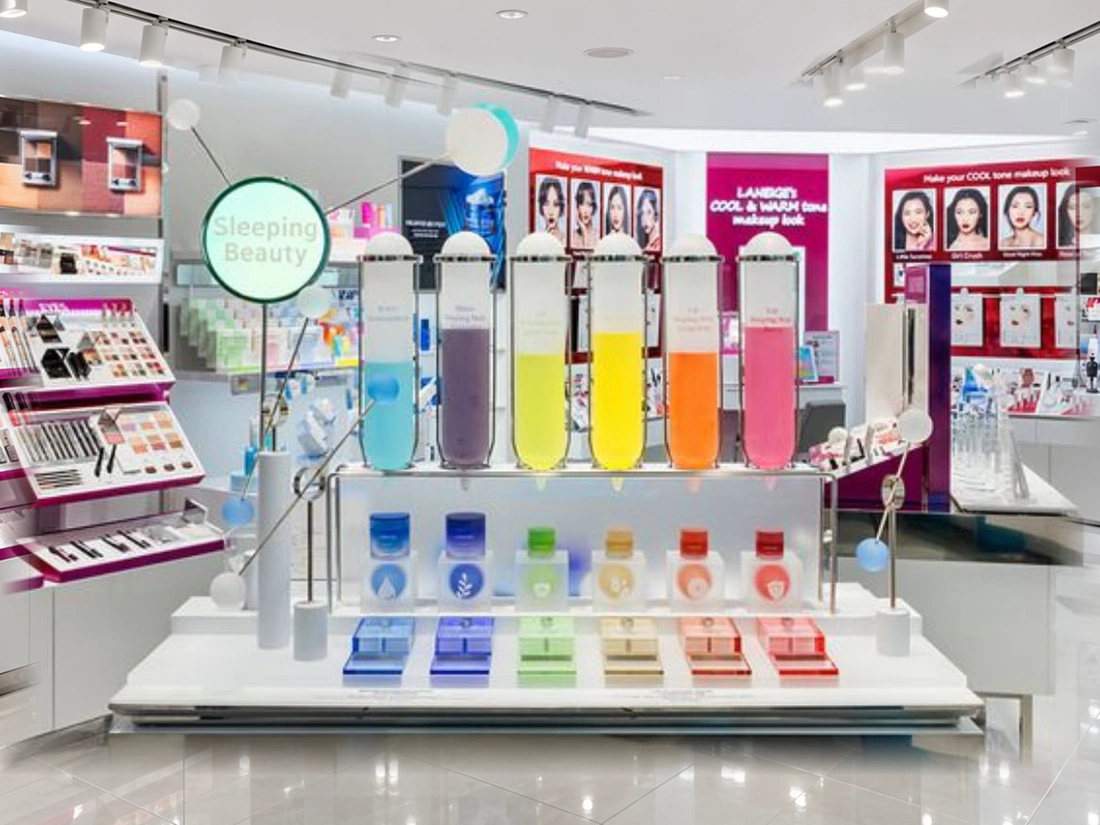
Consumer Electronics Displays
Integrate lighting into accessory stands and branded product presentation units.
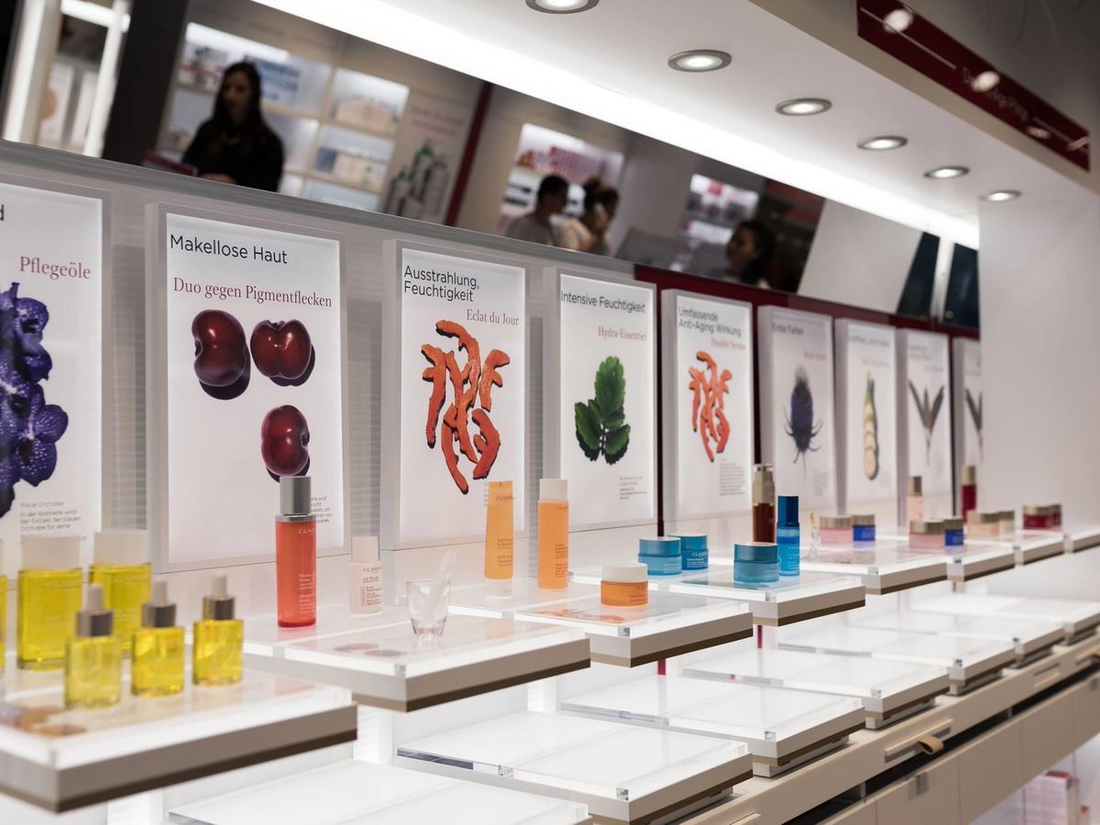
Branded Retail Promotions
Use illuminated graphics and product displays for retail campaigns and launches.
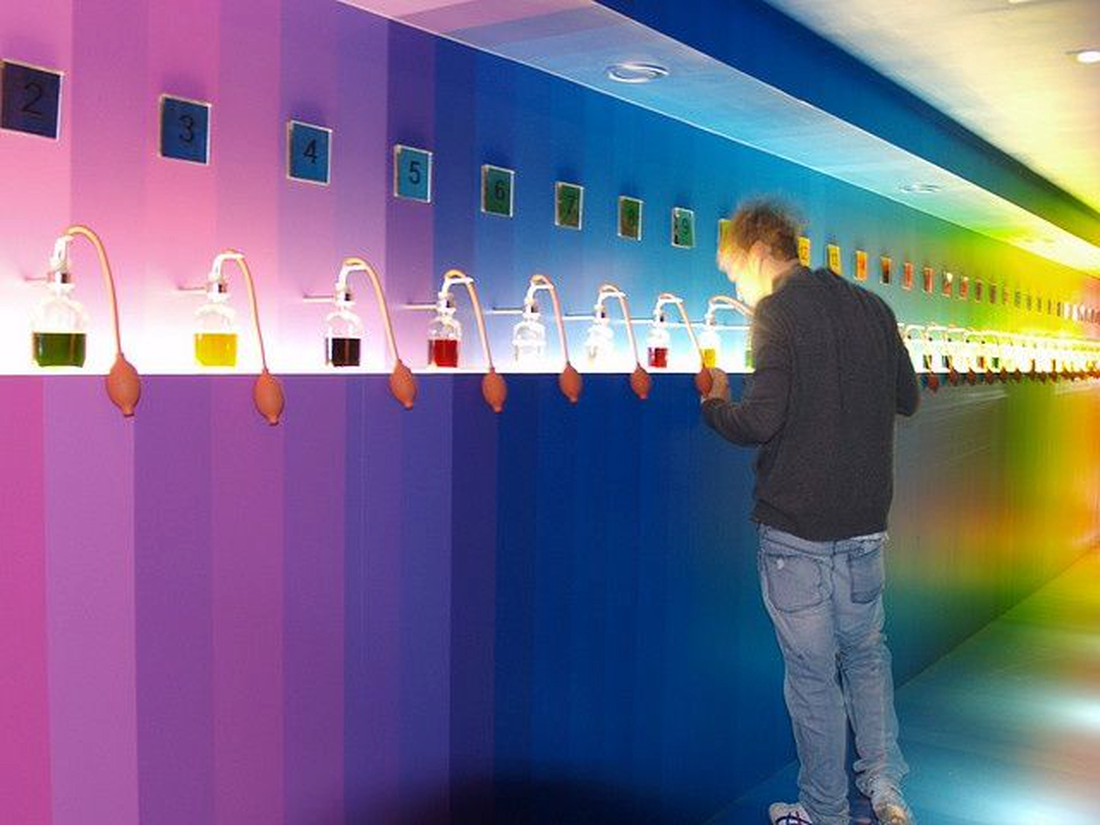
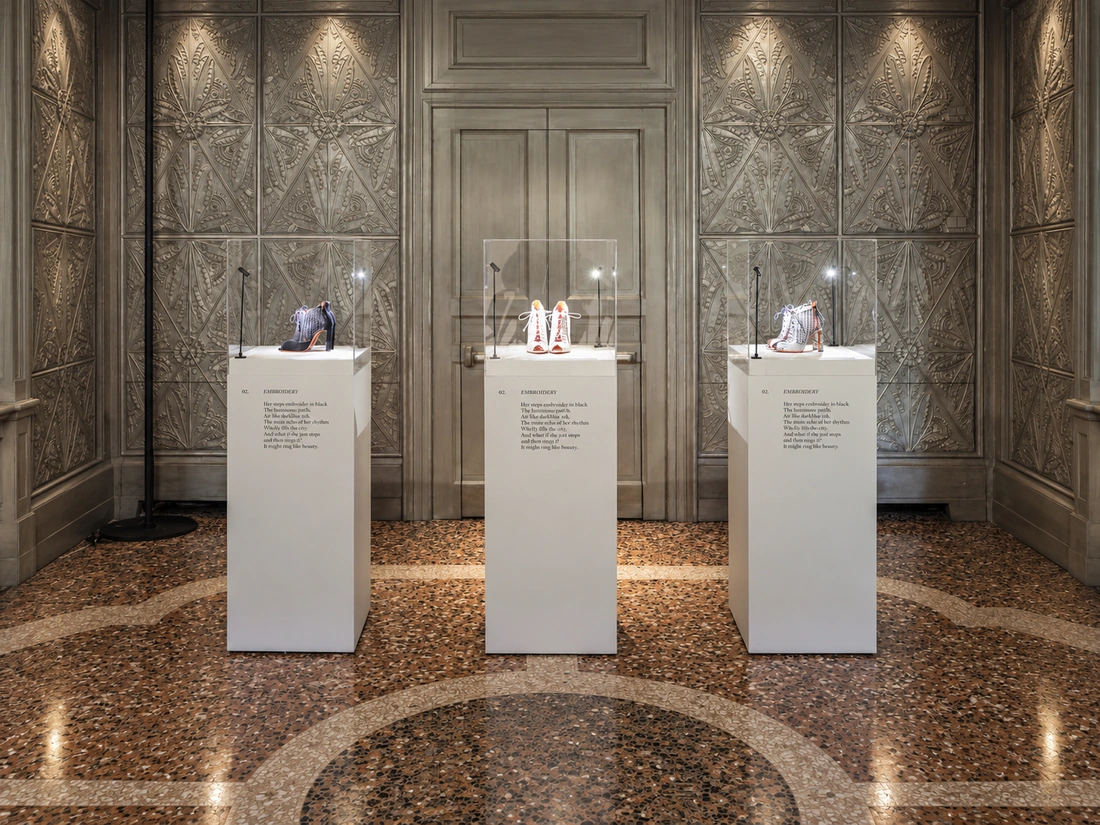
Exhibitions & Showrooms
Present selected products and brand visuals with integrated display lighting.

Frequently Asked Questions
View All FAQsWhat is the difference between edge-lit, backlit, and illuminated-base acrylic displays?
Edge-lit acrylic displays introduce light through the edges of a panel, often using a suitable light-guiding structure to illuminate selected areas. Backlit displays position the light source behind a panel or graphic surface, allowing illumination through or around the display face. Illuminated bases integrate lighting with the support platform or product presentation structure. These approaches require different consideration of lighting direction, diffusion, construction depth, and power connections. The suitable option depends on what should be illuminated and where the display will be used.
How can uneven brightness, visible LED dots, and glare be reduced?
Lighting uniformity depends on the LED arrangement, distance between light sources and illuminated surfaces, acrylic or diffuser selection, and the overall optical structure. Visible LED dots can occur when light sources are too apparent or diffusion is insufficient. Edge-lit designs may need suitable light-guiding materials and edge treatment, while backlit designs may require appropriate spacing and diffusion. Provide your desired lighting effect and viewing conditions so the proposed structure can be evaluated through a relevant sample.
How do acrylic size, thickness, and material choice affect LED illumination?
Panel dimensions, thickness, transparency, and optical properties can influence how light enters, travels through, or exits the acrylic. A material suitable for a simple transparent stand may not provide the desired uniform illuminated surface. The location of LEDs, the size of the illuminated area, and the construction method should be reviewed together. Structural requirements must also account for the products being displayed. Material selection should therefore be based on both the lighting objective and the physical display design.
Can an LED acrylic display use white light, RGB colors, or dimming controls?
Different lighting effects can be evaluated according to the proposed LED components and control arrangement. White lighting may be selected for a consistent presentation, while colored or adjustable lighting can support particular visual concepts. If RGB effects, dimming, or switching functions are required, specify the desired colors, operating method, and use conditions. These features are not automatic properties of every LED acrylic display. Component availability, control compatibility, and the sample performance must be confirmed for the selected configuration.
Can I illuminate a custom logo, printed graphic, or engraved acrylic design?
Logos and graphic elements can be considered as part of an illuminated display design, but the visual result depends on the artwork method, acrylic material, light direction, and surrounding structure. A graphic intended for backlighting may require different materials or layering from a design intended for edge illumination. Provide the artwork, desired illuminated areas, viewing direction, and visual references. The appropriate construction and final graphic appearance should be reviewed against an actual lighting sample before approval.
What power supply, cable, and connection details should I specify?
Start with the destination country, installation location, preferred power connection, and expected operating conditions. An LED display may require an appropriate power supply, cable routing, connectors, switches, or other electrical components depending on its design. These elements must be compatible with the selected lighting system and applicable market requirements. Identify whether the display will be used on a counter, in a showcase, or within another retail fixture so connection access and cable management can be evaluated.
How should heat, operating life, and maintenance be considered in an LED acrylic display?
LED components still generate heat, and their operating conditions can affect performance and service life. The display structure should allow the selected components to operate within their specified limits, with attention to heat management and access where appropriate. Expected operating hours, switching frequency, installation conditions, and replacement needs should be included in the project brief. LED lifespan figures supplied by a component manufacturer should not be treated as a guaranteed service life for the complete acrylic display.
What electrical safety and compliance requirements apply to LED acrylic displays sold in the US, UK, or EU?
Applicable requirements depend on the destination market, the electrical design, power supply, intended installation, and how the finished product is classified. A low-voltage LED component or separately certified power adapter does not automatically establish compliance for the complete display assembly. Requirements relating to electrical safety, electromagnetic compatibility, materials, labeling, or product documentation may need to be reviewed. Share the destination market and final electrical configuration so the necessary assessment and evidence can be identified before production or shipment.
What affects MOQ, pricing, and sample development for custom LED acrylic displays?
MOQ and pricing depend on the acrylic structure, LED components, lighting method, power arrangement, controls, branding, assembly, and packaging. A simple illuminated base may have different material and electrical integration requirements from a large backlit display. A sample can be discussed before bulk production to review lighting appearance, product fit, stability, wiring arrangement, and relevant functional requirements. Sample cost, preparation time, and the applicable order quantity should be confirmed for the individual project.
What information is needed for a custom LED acrylic display quotation and production estimate?
Please provide a drawing or reference image, overall display dimensions, the products to be displayed, and the intended illuminated areas. Include your preferred lighting color or effect, any dimming or control requirements, installation location, destination market, power connection preferences, and quantity per design. Branding artwork, packaging requirements, and target delivery date are also useful. A project-specific quotation and schedule can then be reviewed against the selected components, sample requirements, and approved construction.

Ready to Start Your Display Project?
Share your product, dimensions and quantity to discuss the next step.