
Custom Acrylic
Cosmetic Displays
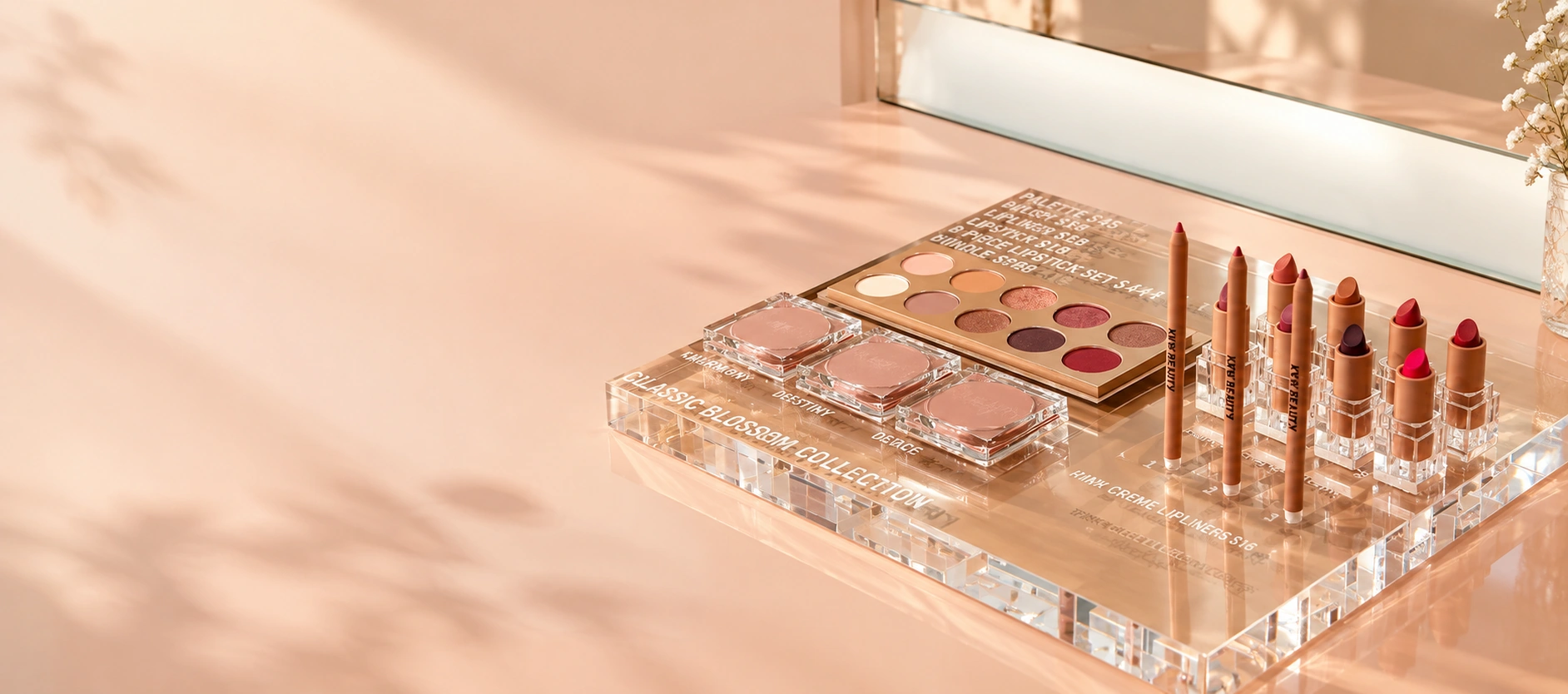
Custom acrylic cosmetic displays help beauty brands present makeup, skincare, fragrance, and tester products in retail environments. Explore lipstick holders, skincare displays, perfume stands, and tester units designed around product dimensions, shade organization, and branded presentation.
Product Types
View All Acrylic Displays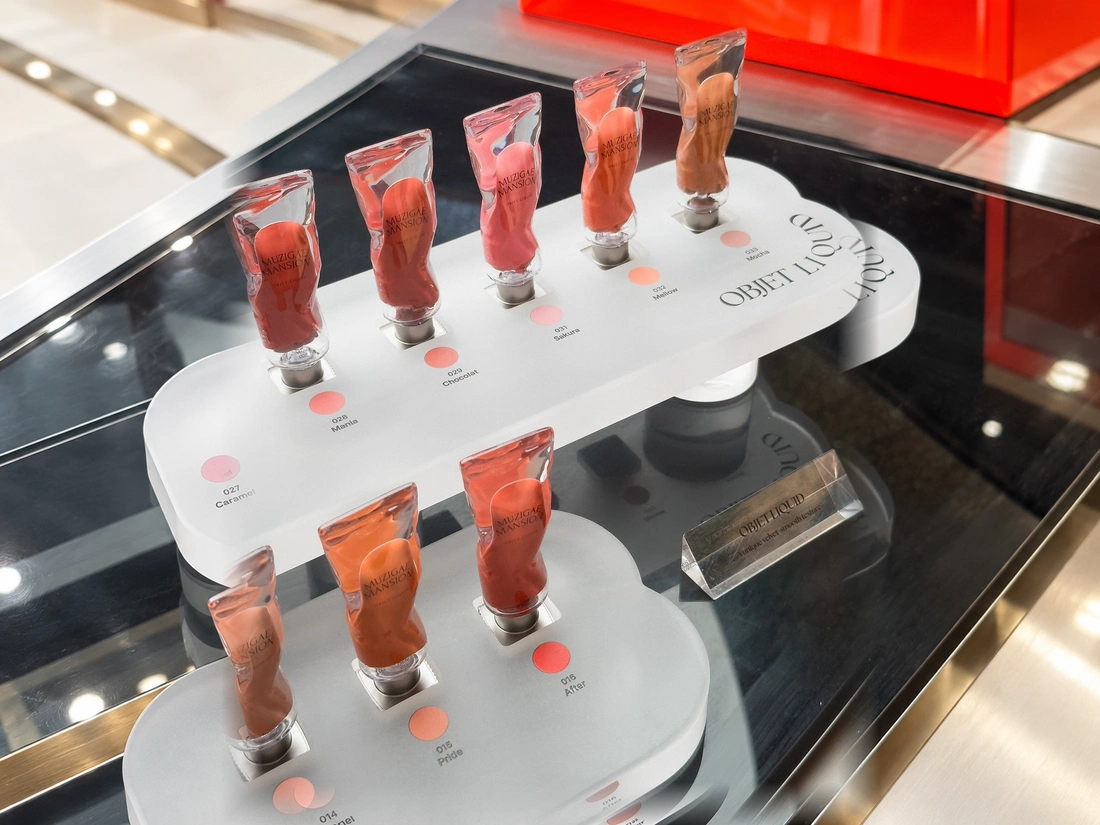
Lipstick & Makeup Displays
Organize lipsticks, mascaras, and makeup products with product-specific slots and layouts.

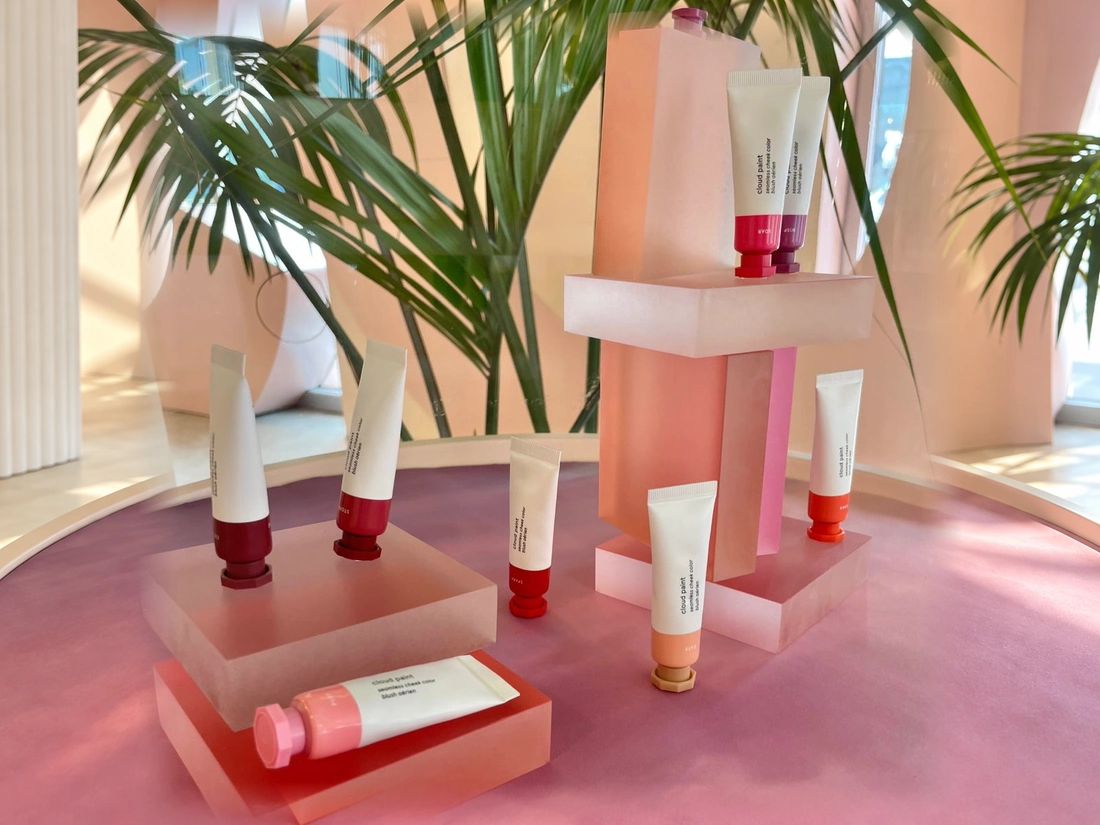
Skincare Bottle & Jar Displays
Present serums, creams, and skincare collections with coordinated display levels.
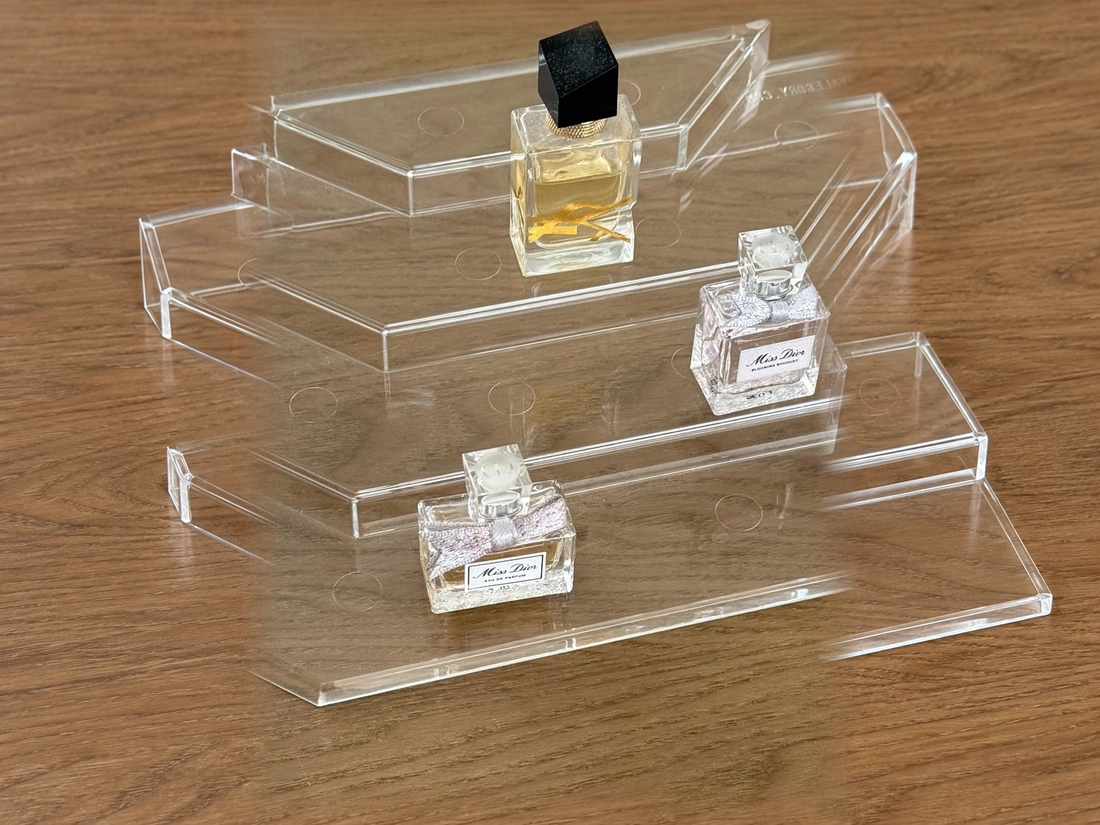
Perfume & Fragrance Displays
Showcase fragrance bottles with dedicated supports and clear product visibility.
Cosmetic Tester Displays
Arrange beauty testers, shade information, and accessible product sampling areas.
Customization & Specifications
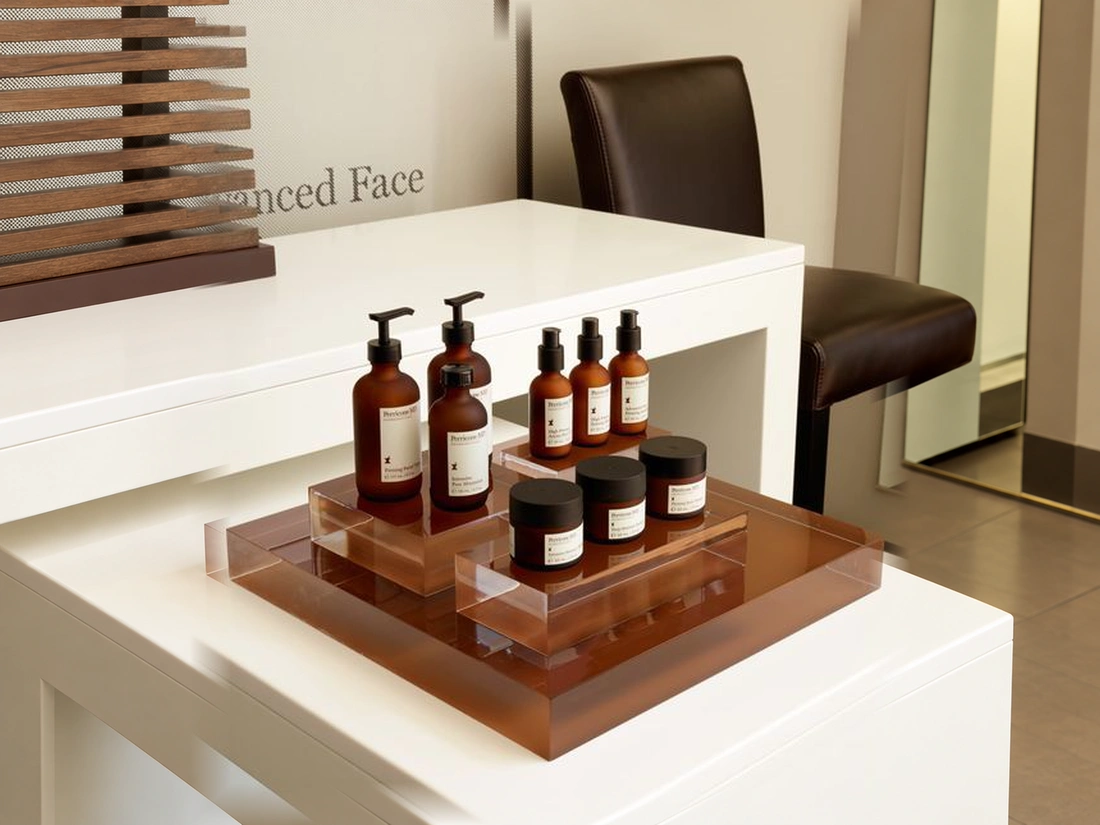
Product Fit & Display DimensionsMatch display openings and dimensions to your cosmetic packaging.
Cosmetic products vary in bottle diameter, cap shape, height, weight, and packaging dimensions. Lipsticks and mascaras may require individual slots, while skincare jars and fragrance bottles need appropriate platform space and support. Provide the actual dimensions of both retail products and testers where applicable, as their packaging may differ. These details help define slot sizes, clearances, display levels, and the overall footprint.
Shade Layout & SKU OrganizationPlan product positions, shade ranges, and replenishment requirements.
For makeup collections, define the number of shades, product types, and units to be displayed. Consider whether testers and retail stock should occupy separate positions and how customers will identify each shade. Labels, compartments, and product-facing arrangements should support the intended browsing and restocking process. If the assortment changes regularly, identify which positions or information elements may need to be updated.
Materials, Finishes & CleaningReview acrylic appearance and expected cleaning conditions.
Clear, tinted, opaque, or frosted-looking acrylic can create different visual effects for beauty displays. Material selection should also consider product contact areas, frequent handling, and the cleaning products used in the retail environment. Makeup residue, fragrance liquids, and cosmetic formulations may affect certain surfaces or finishes. Cleaning compatibility should be checked against the selected materials and actual maintenance requirements rather than assumed.
Structure, Stability & Product AccessPlan reliable product support and convenient customer handling.
The display structure should reflect the weight, shape, and handling frequency of the cosmetic products. Heavy glass fragrance bottles, tall skincare containers, and small makeup testers may require different support arrangements. Consider base dimensions, load distribution, product removal, and replacement during restocking. If removable trays or inserts are required, their fit and stability should also be reviewed against the intended use.
Branding, Graphics & PackagingCoordinate brand presentation, display details, and shipping protection.
Cosmetic displays may include brand colors, logos, product information, shade labels, or campaign graphics. Provide the relevant artwork and identify any elements that need to be replaced during future product launches. Packaging should protect acrylic surfaces, protruding structures, and individual components during shipping. For projects involving multiple store versions or product assortments, specify the required contents, labeling, and packing quantities for each version.
Applications
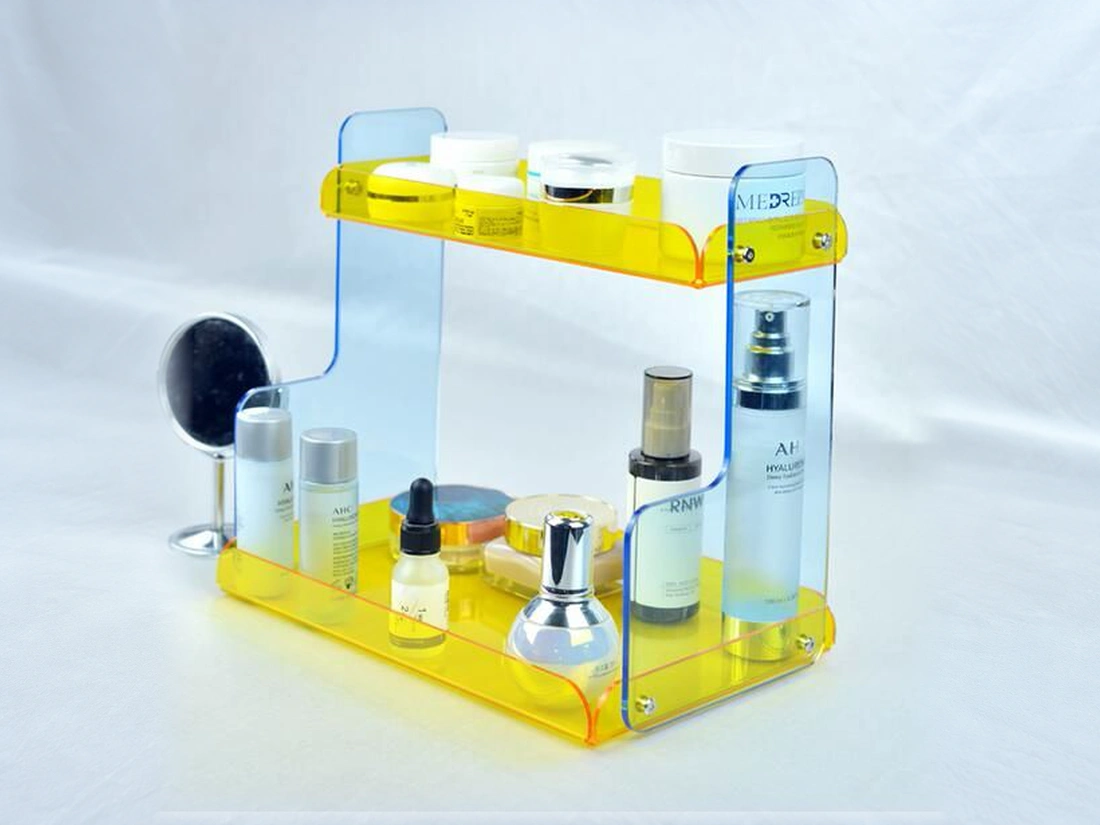
Beauty Retail Counters
Present makeup collections, testers, and featured products in accessible retail layouts.
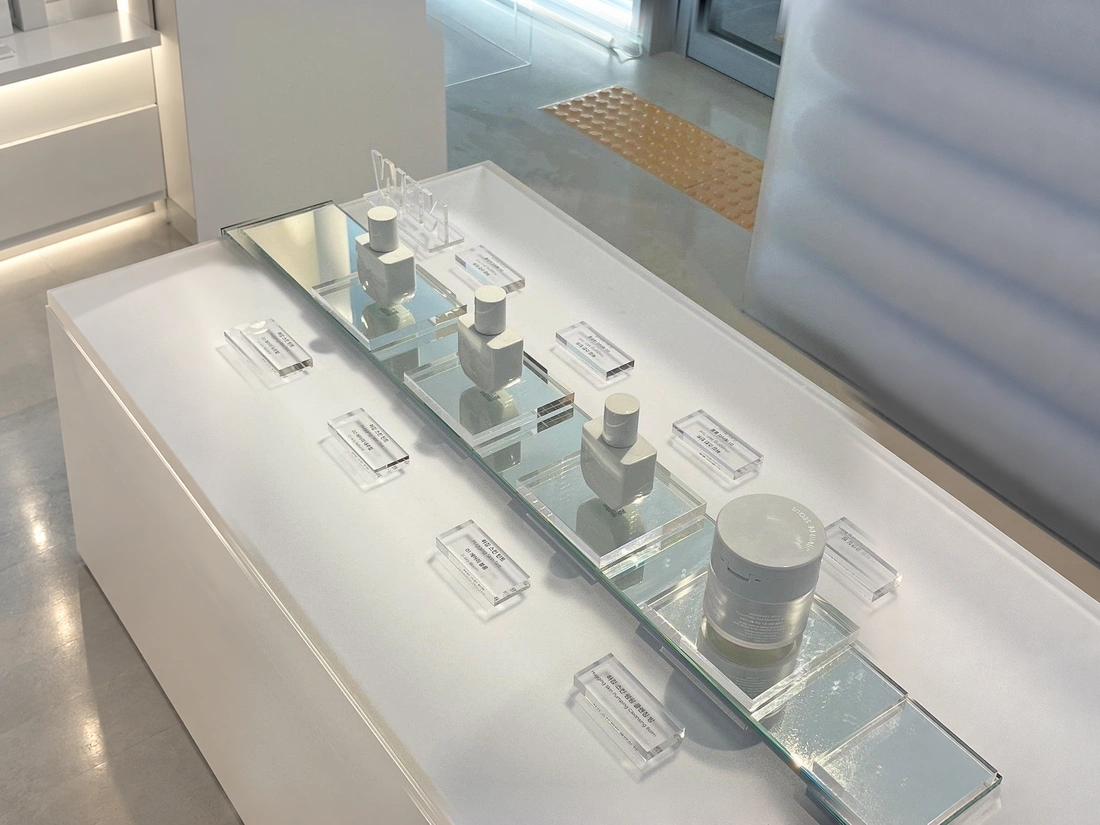
Department Store Beauty Corners
Coordinate product ranges and brand presentation within dedicated beauty counters.
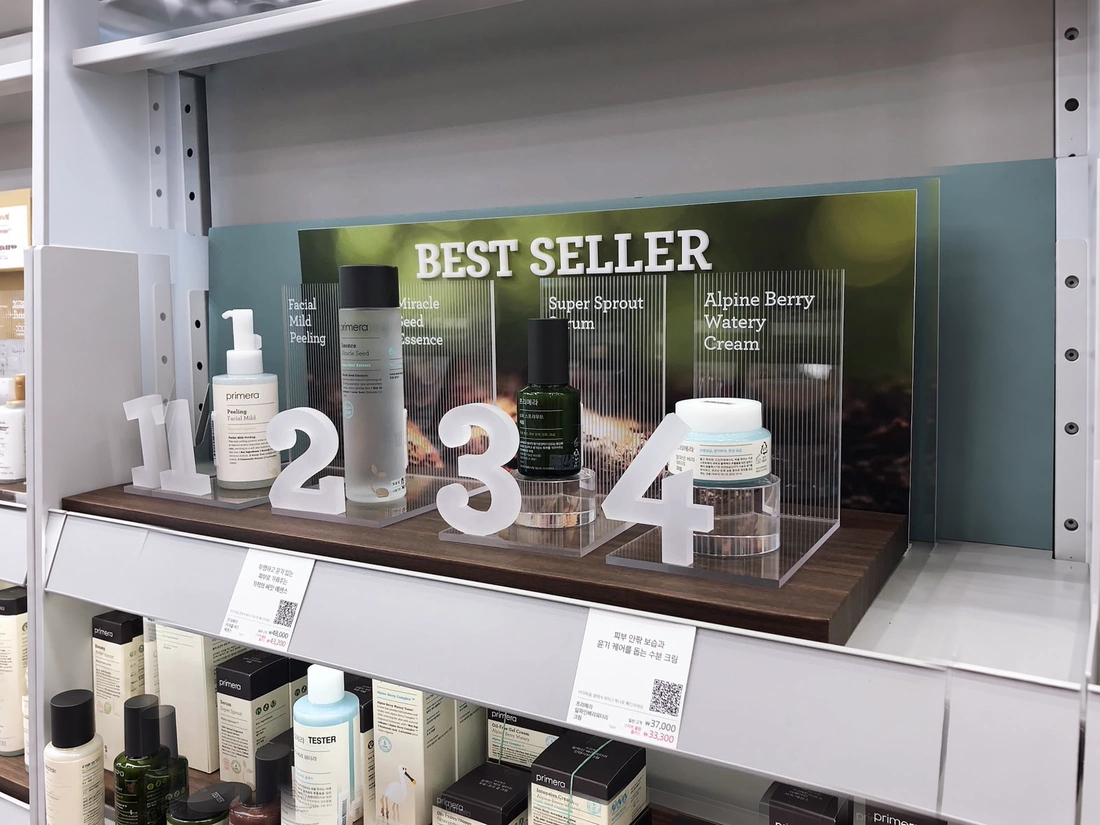
Beauty Showrooms & Wholesale
Arrange cosmetic collections for buyer review, assortment planning, and product comparison.
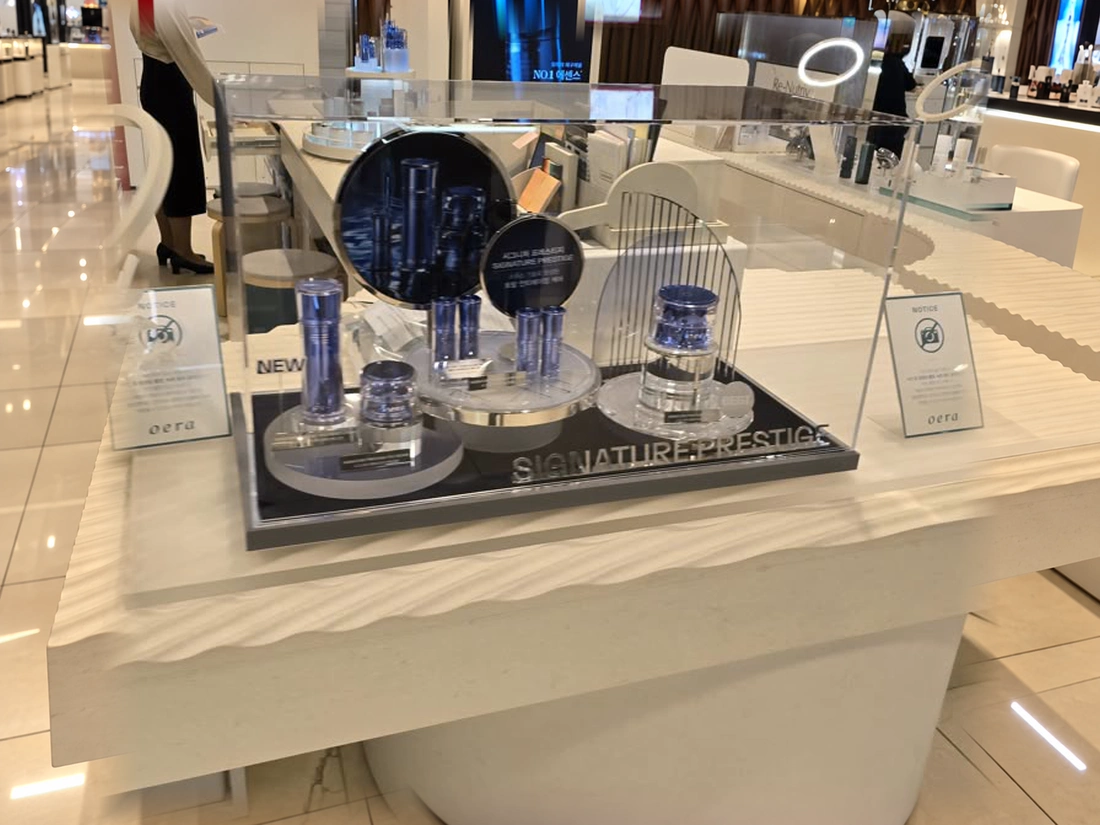
Product Launches & Pop-Ups
Create focused displays for seasonal collections, new launches, and temporary retail events.
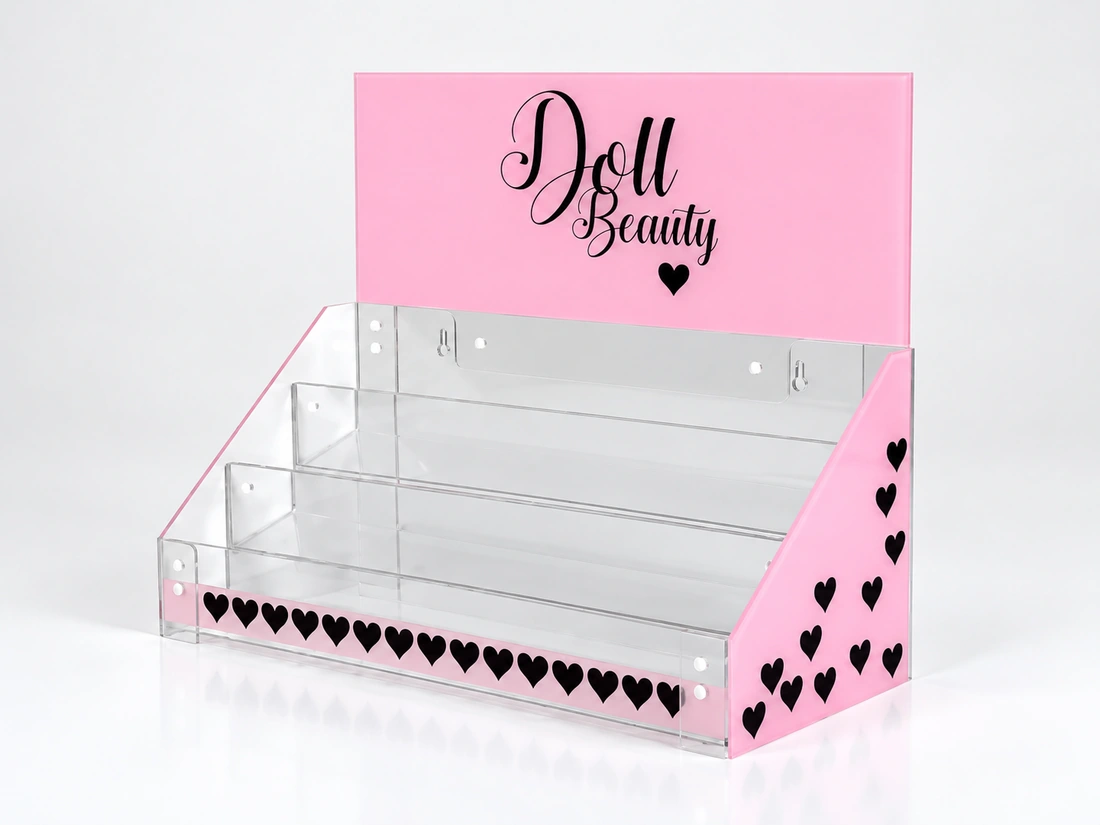

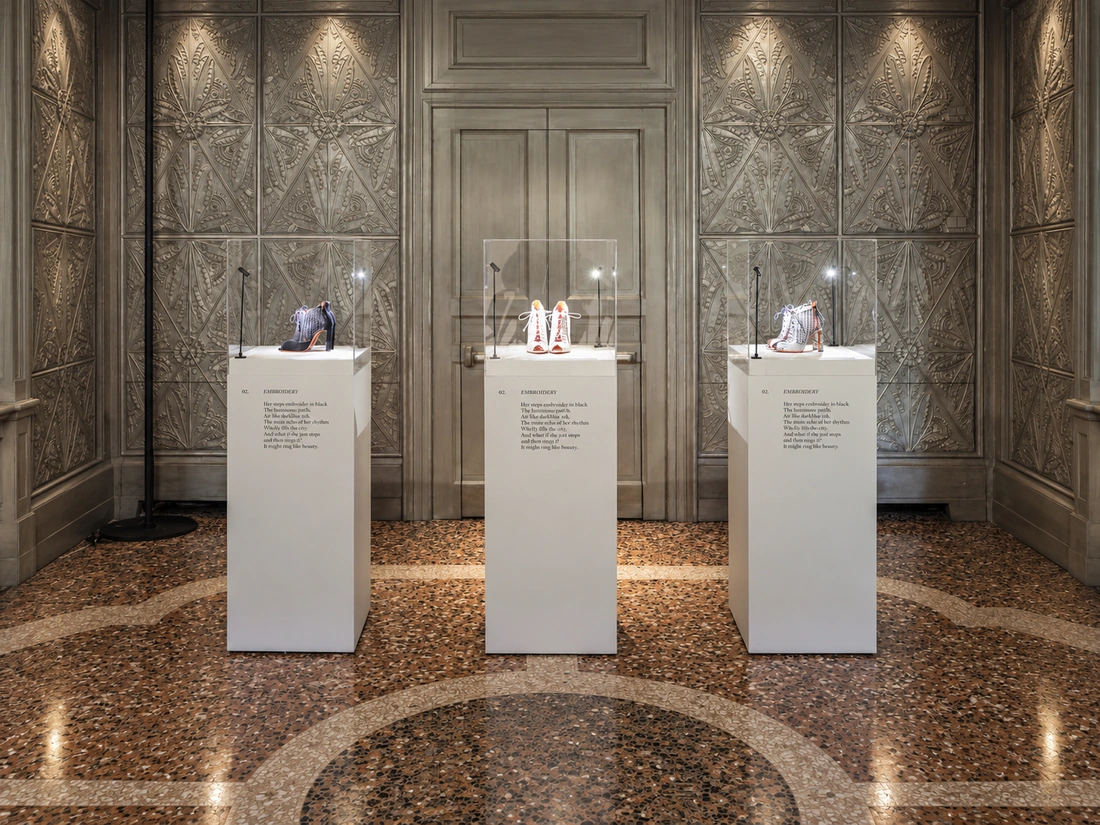
Frequently Asked Questions
View All FAQsWhich type of acrylic cosmetic display is suitable for lipstick, skincare, perfume, or tester products?
The suitable display depends on the product's shape, weight, packaging, and how customers will interact with it. Lipstick and makeup displays often need individual product slots or shade-based arrangements. Skincare displays may use shelves or platforms for bottles and jars, while perfume displays need suitable support for glass containers. Tester displays also require attention to frequent handling, labeling, and cleaning. Provide your product assortment and intended retail use to help define the appropriate structure.
How should lipstick and makeup tester slots be sized?
Slot dimensions should be based on the actual product or tester rather than the product name alone. Measure the container body, cap, maximum diameter or width, height, and any protruding components. Retail products and testers may have different packaging. The slot should provide suitable support while allowing convenient removal and replacement. If the display will hold several makeup formats, provide representative samples or dimensional drawings for each type before confirming the layout.
How can multiple cosmetic shades and SKUs be organized on one display?
Start by listing the product types, shade names, number of testers, and retail units required for each SKU. Determine whether testers and products for sale should be displayed separately and how customers will identify each shade. The arrangement should also account for product visibility, removal, and replenishment. If new shades are introduced regularly, consider whether labels, inserts, or selected display sections need to be replaceable. A clear SKU layout helps keep the approved configuration consistent.
What should be considered when displaying skincare bottles and perfume products?
Bottle size, weight, center of gravity, and contact area are important when selecting a display structure. Tall skincare bottles and heavy glass perfume containers may require different platform dimensions or support arrangements. Consider how customers will remove and replace the products and whether the display will be frequently handled. Provide actual product dimensions and weights, along with the intended display quantity, so the structure and relevant stability checks can be reviewed.
How should acrylic cosmetic tester displays be designed for frequent use and cleaning?
Cosmetic tester displays should be planned around repeated product handling, possible residue, and the store's maintenance procedures. Access to surfaces around tester slots and product holders is important. Removable inserts or trays may be considered if they help staff clean or replace frequently used components. However, material compatibility with cleaning agents and cosmetic formulations must be checked for the selected design. The display itself should not be described as antimicrobial or hygienically certified without appropriate evidence.
What acrylic colors, finishes, and material properties should beauty brands consider?
Clear acrylic can keep the focus on cosmetic products, while tinted or opaque elements may support a particular brand presentation. The selected finish should be considered alongside lighting, product colors, contact surfaces, and expected cleaning methods. Beauty displays may be exposed to oils, alcohol-containing products, or other cosmetic ingredients, and compatibility cannot be assumed for every acrylic grade or finish. Share your visual references and relevant maintenance conditions so suitable materials can be reviewed.
Can cosmetic displays include custom logos, shade labels, and replaceable promotional graphics?
Branding can be planned through logo areas, color elements, shade identifiers, and product information panels. If product names, prices, or promotional graphics change frequently, identify which information should be replaceable rather than permanently applied. The available space, viewing angle, artwork format, and fixing method should be reviewed together. Provide your brand guidelines, graphic files, shade list, and expected update frequency so the appropriate presentation options can be evaluated.
Can acrylic cosmetic displays use removable trays or interchangeable product inserts?
Removable trays and interchangeable inserts may be considered when a display must support changing product ranges or frequent maintenance. Their suitability depends on the product dimensions, slot arrangement, structure, stability, and expected handling. A modular approach is not automatically suitable for every design. If you need to replace tester sections or rearrange shades, specify the intended configurations and how often changes will occur. The proposed components should be checked through an appropriate sample review.
What affects MOQ, unit pricing, and sample requirements for custom acrylic cosmetic displays?
MOQ and unit pricing depend on the display dimensions, materials, fabrication steps, product slots, branding, accessories, assembly, packaging, and order quantity. Different cosmetic ranges or store versions may require separate specifications and setup work. A physical sample can be discussed before bulk production to review product fit, stability, finish, branding, and access for testers. Sample cost, preparation time, and the applicable order quantity should be confirmed for the specific project.
What information should I provide for a cosmetic display quotation, packaging plan, and delivery estimate?
Please share a drawing or reference image, the cosmetic products to be displayed, and their actual dimensions and weights. Include the number of shades or SKUs, required tester positions, intended display location, branding artwork, and estimated quantity for each design. Specify whether displays should arrive assembled or as separate components, along with any store-specific packing requirements. The destination and target launch date will also help establish a project-specific quotation and production and shipping estimate.
Ready to Start Your Display Project?
Share your product, dimensions and quantity to discuss the next step.