
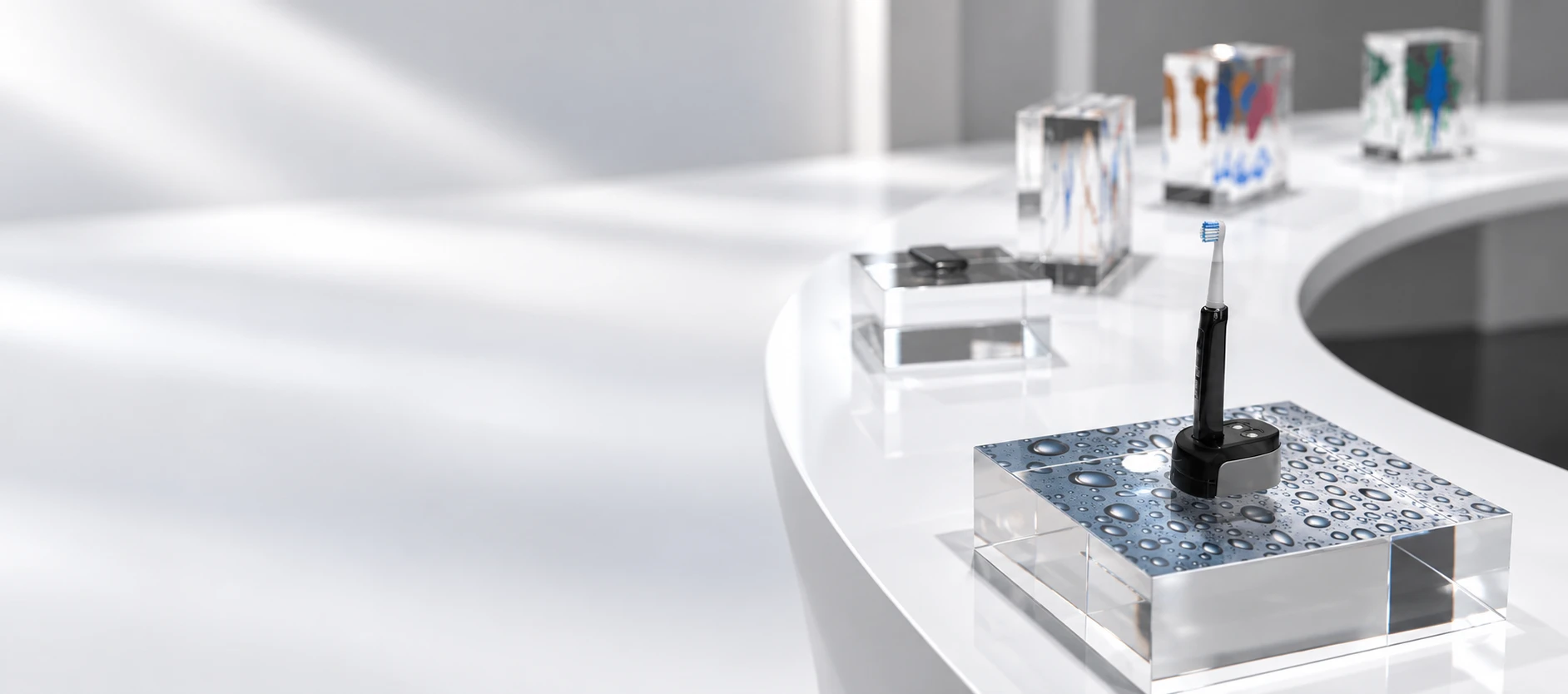
CUSTOM RETAIL DISPLAY SOLUTIONS
Custom Acrylic Displays
Custom acrylic displays for retail brands, visual merchandising teams, and business buyers. Compare countertop displays, risers, POS/POP units, display cases, and multi-material solutions—then plan the right dimensions, branding, construction, and packaging for your products.
- ◇Product-Fit Design Review
- ◈Materials & Finish Options
- ▱Artwork & Sample Review
- □Assembly & Packing Planning
Explore Custom Acrylic Display Solutions
Compare 12 display categories by product type, retail placement, and presentation needs. Explore each category for specific design options, customization details, and purchasing considerations.
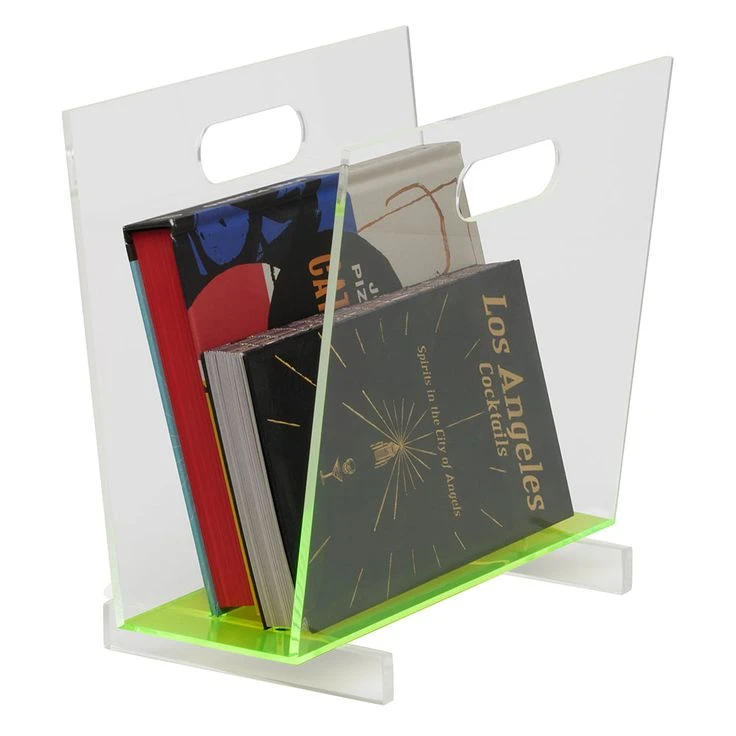
Countertop Displays
↗Compact merchandising fixtures for checkout counters, product launches, and branded retail presentations.
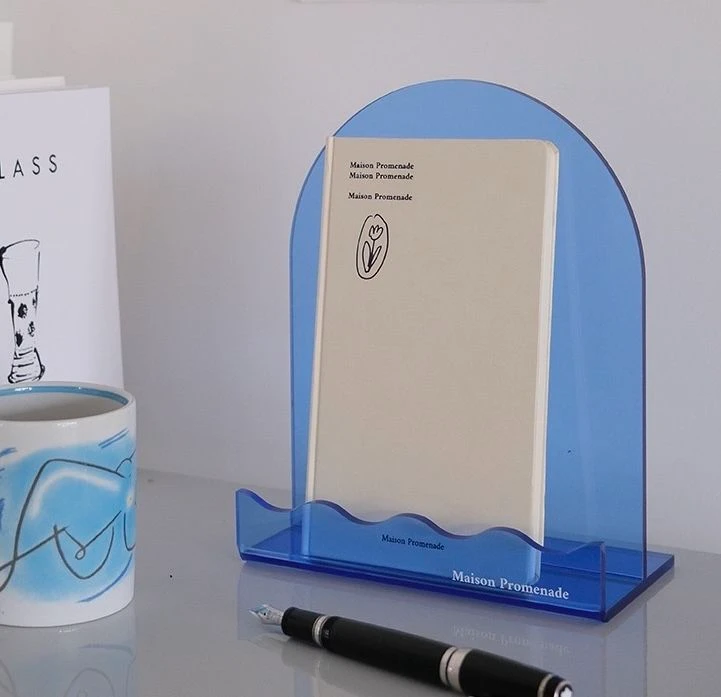
Stands & Risers
↗Tiered and individual supports that improve product visibility and organize merchandise at different heights.
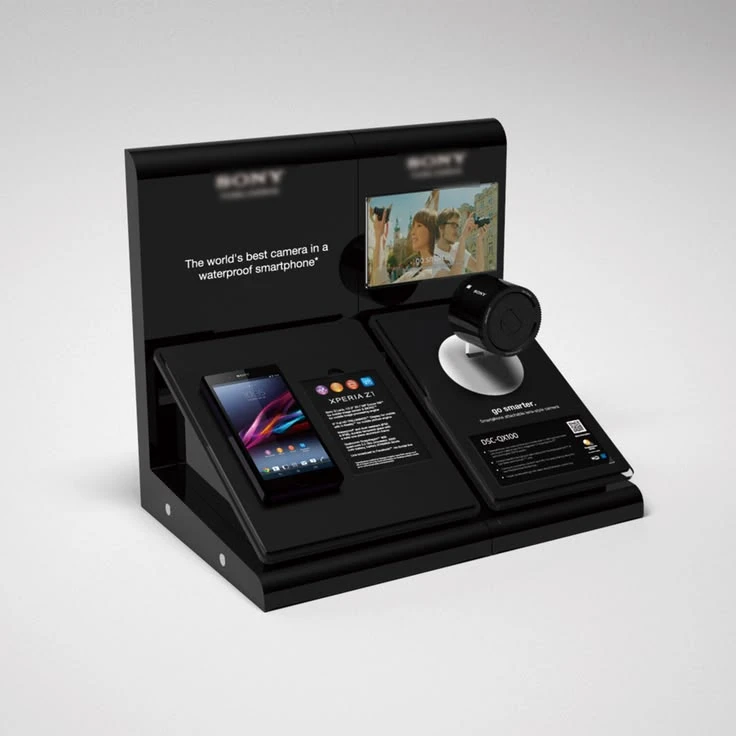
Display Cases & Covers
↗Clear enclosures and covers for organized product presentation with defined access and protection needs.
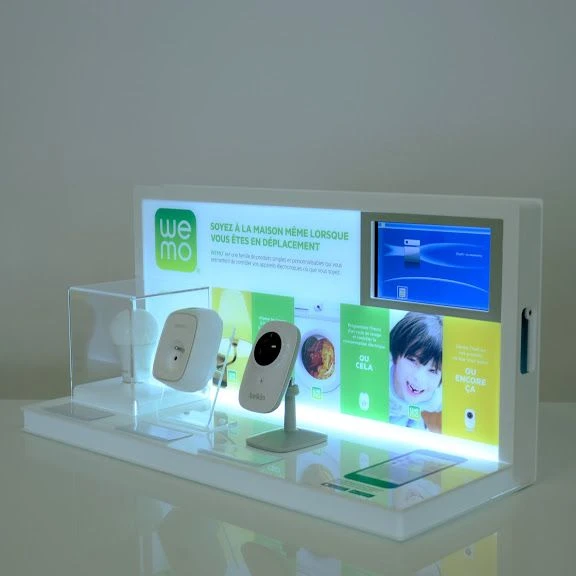
POS / POP Displays
↗Promotional fixtures combining product presentation and campaign messaging at retail points of purchase.

Trays & Organizers
↗Compartmented trays for cosmetics, small merchandise, accessories, and convenient retail replenishment.

Sign & Brochure Holders
↗Freestanding holders for brochures, promotional inserts, price information, and branded signage.
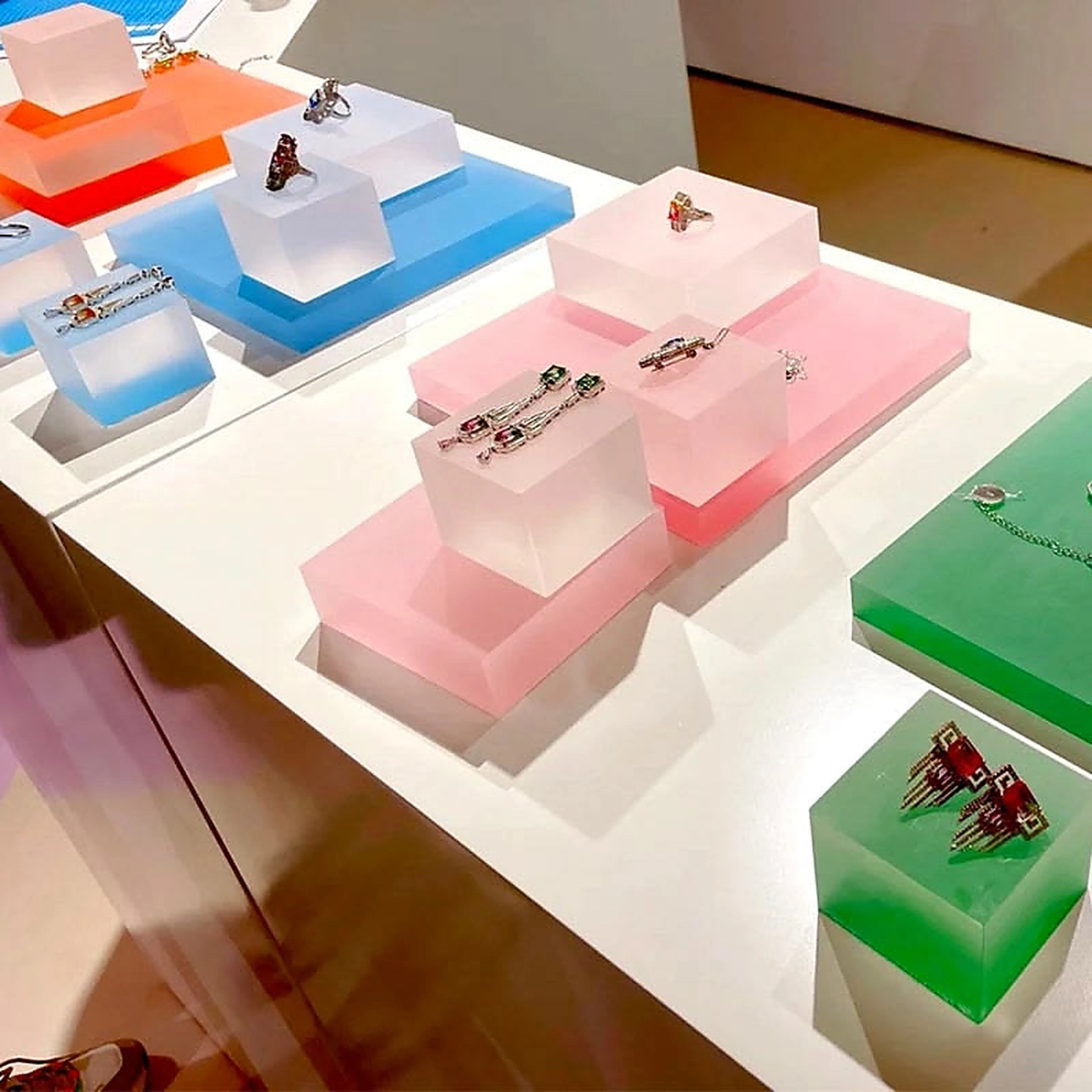
Jewelry Displays
↗Presentation stands and supports for necklaces, rings, watches, and small accessories.

Cosmetic Displays
↗Organized display concepts for skincare, makeup, fragrance, and beauty retail collections.
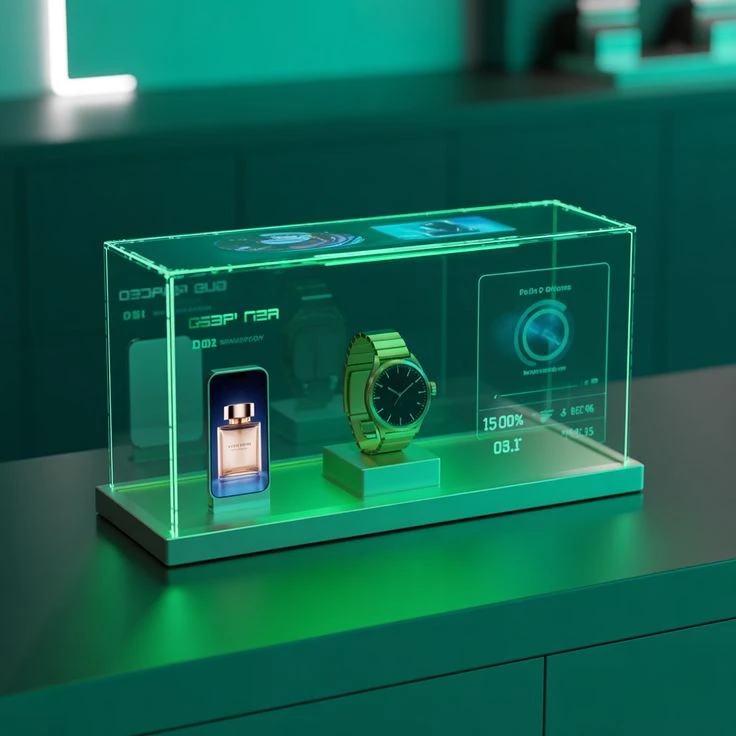
LED Acrylic Displays
↗Illuminated acrylic presentation concepts with lighting placement, power, and assembly requirements reviewed.
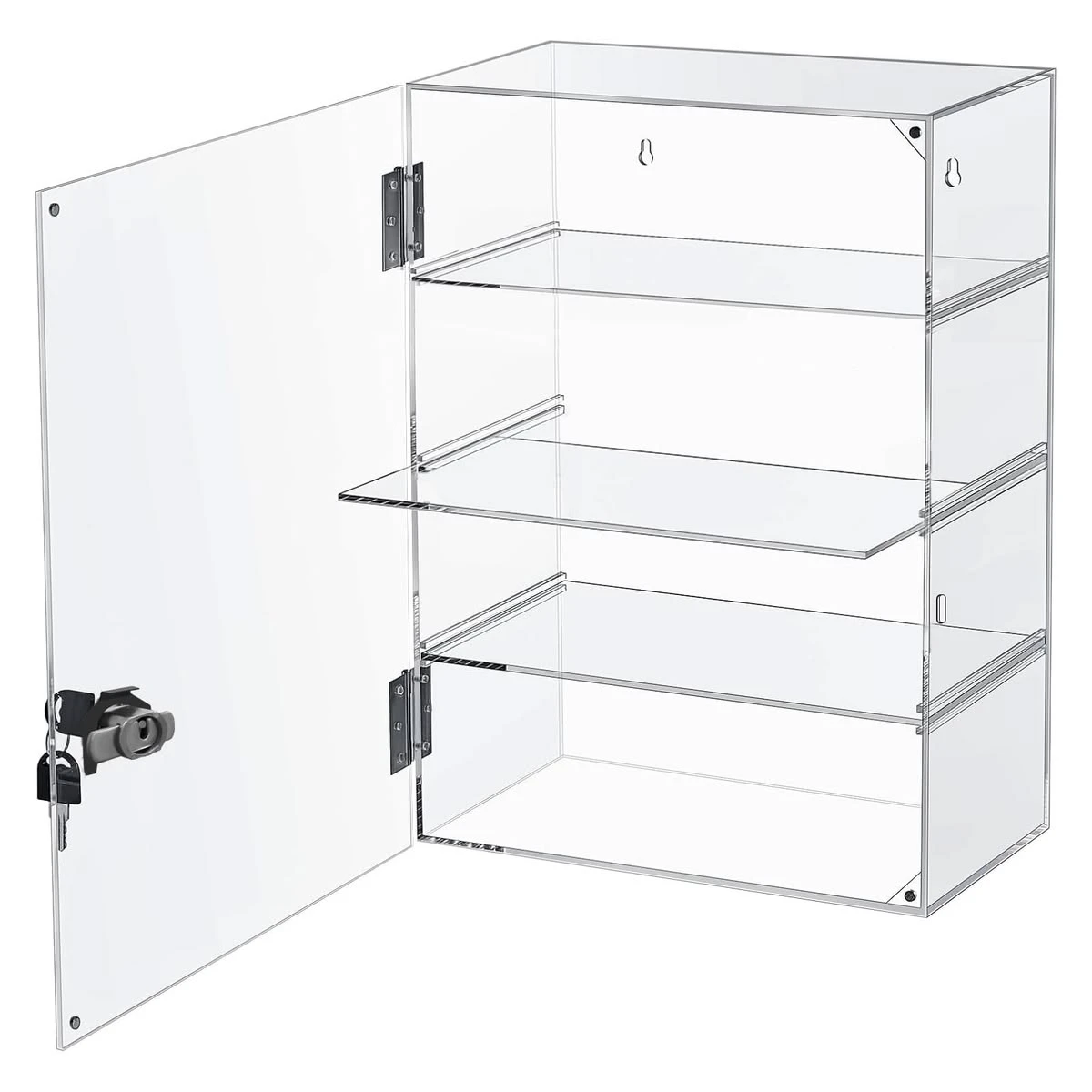
Lockable & Magnetic Display Cases
↗Clear display enclosures with selected access, closure, and hardware options for controlled presentation.
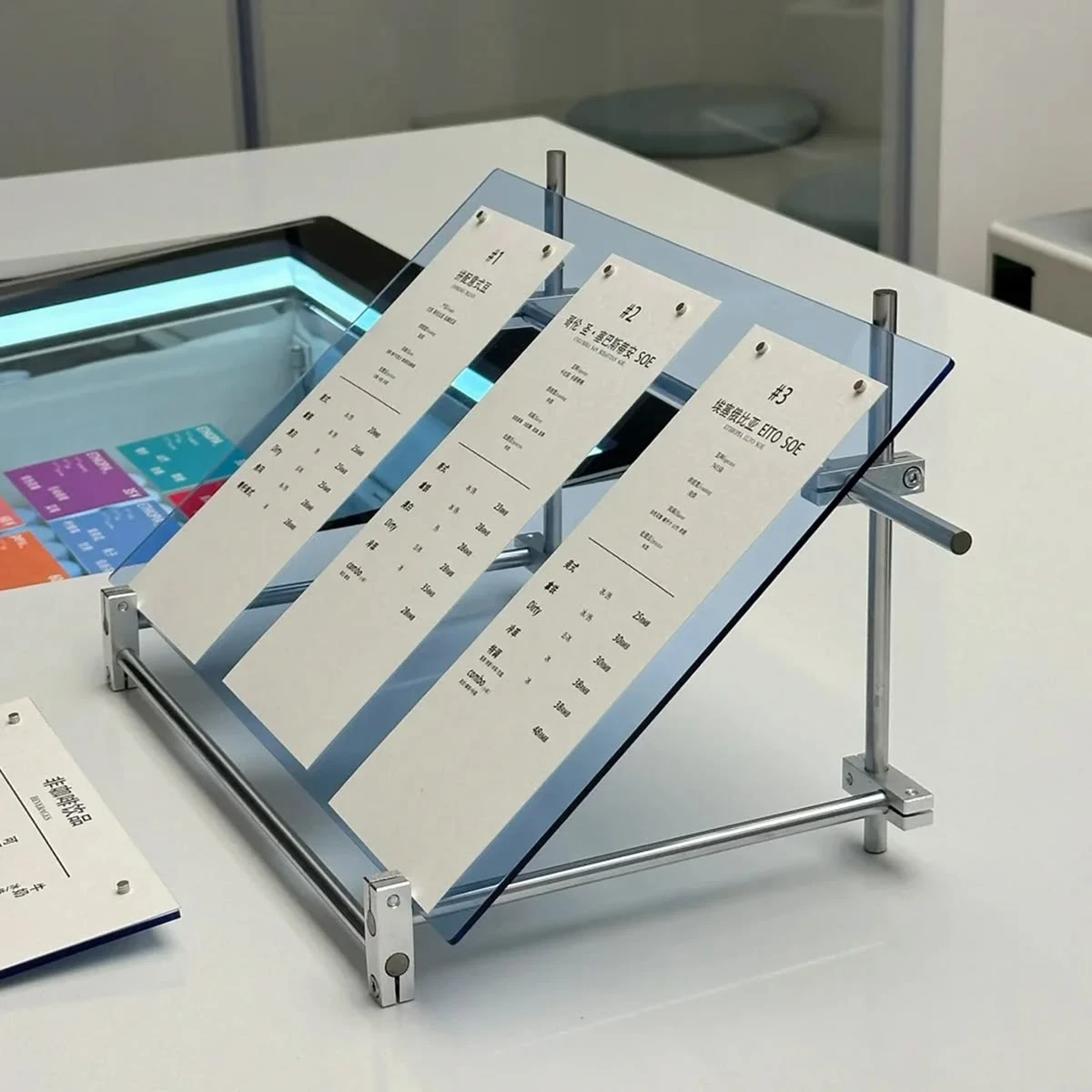
Modular & Flat-Pack Displays
↗Configurable display structures planned around assembly, transport volume, and retail setup requirements.

Multi-Material Retail Displays
↗Hybrid retail displays combining acrylic with compatible metal, wood, or other structural materials.
Find the Right Retail Display for Your Products
The right display depends on your merchandise, retail location, customer interaction, and project requirements. Use these factors to narrow down suitable display types before reviewing the details.
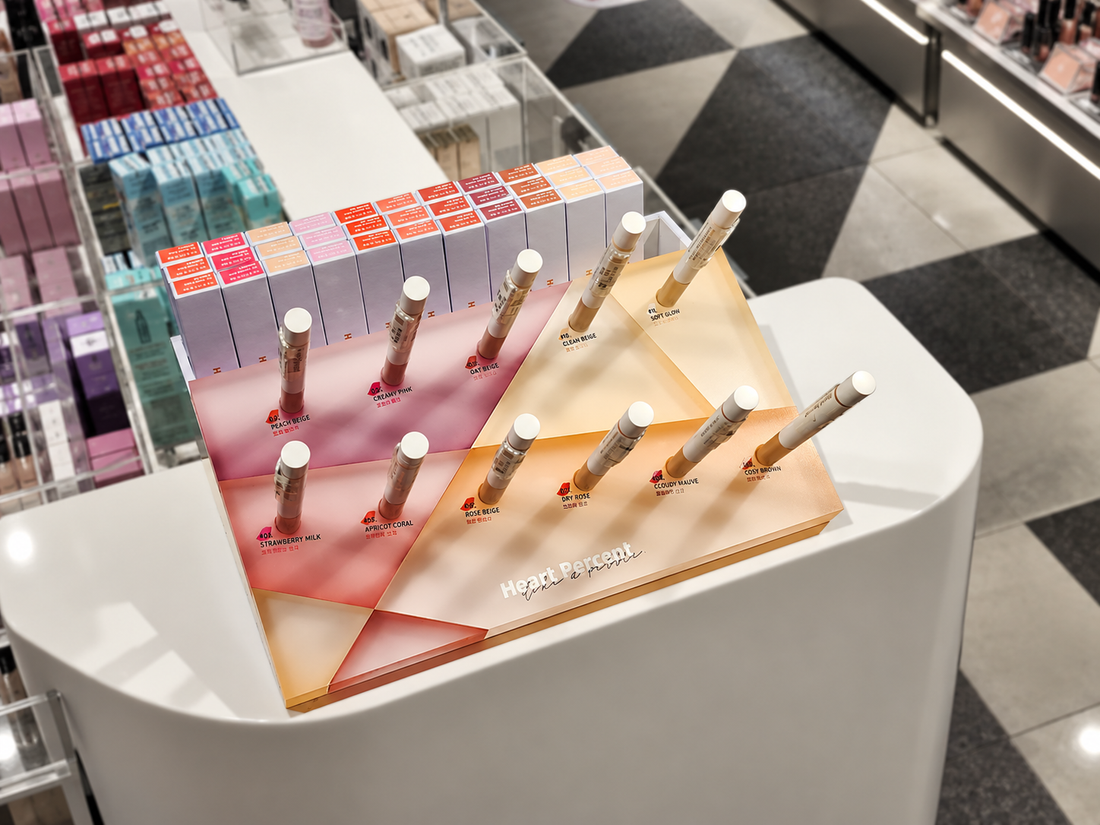
◇By Retail Placement
- Countertop & Checkout
- Shelves & Display Units
- Windows & Showcases
- Pop-Ups & Trade Shows
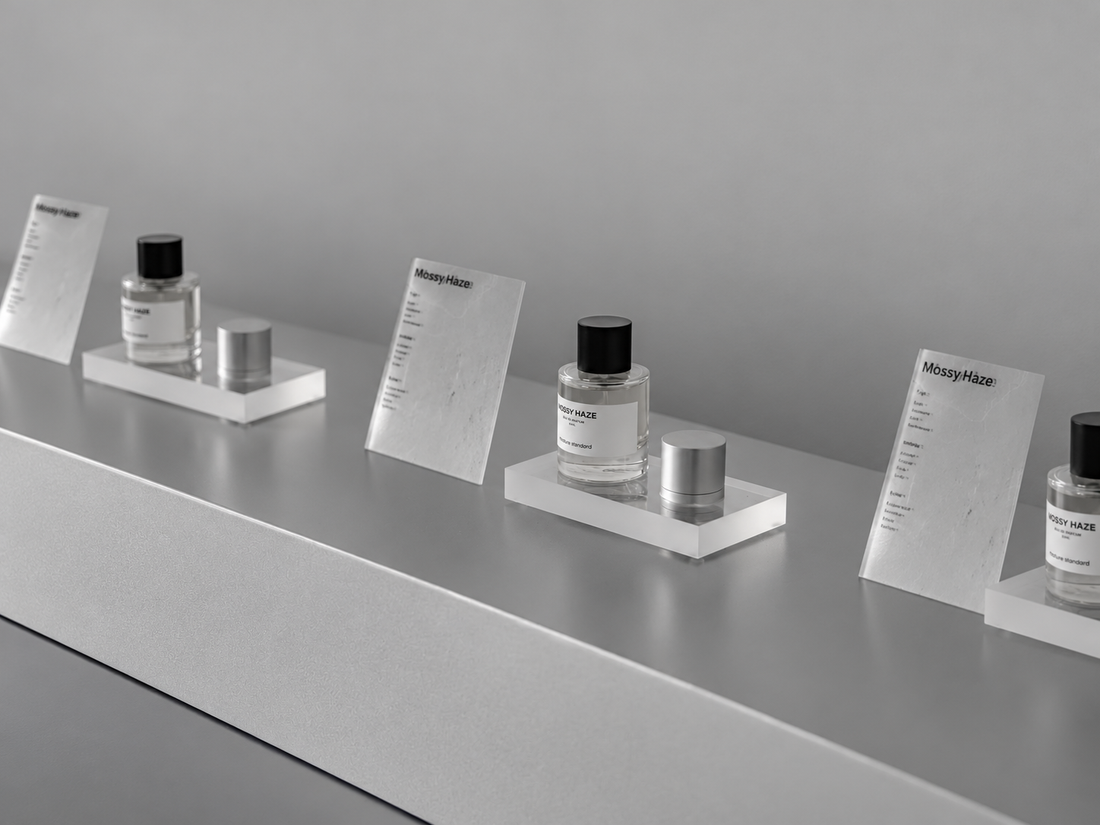
◇By Merchandise Type
- Skincare, Bottles & Jars
- Jewelry & Accessories
- Packaged Consumer Goods
- Brochures & Signage
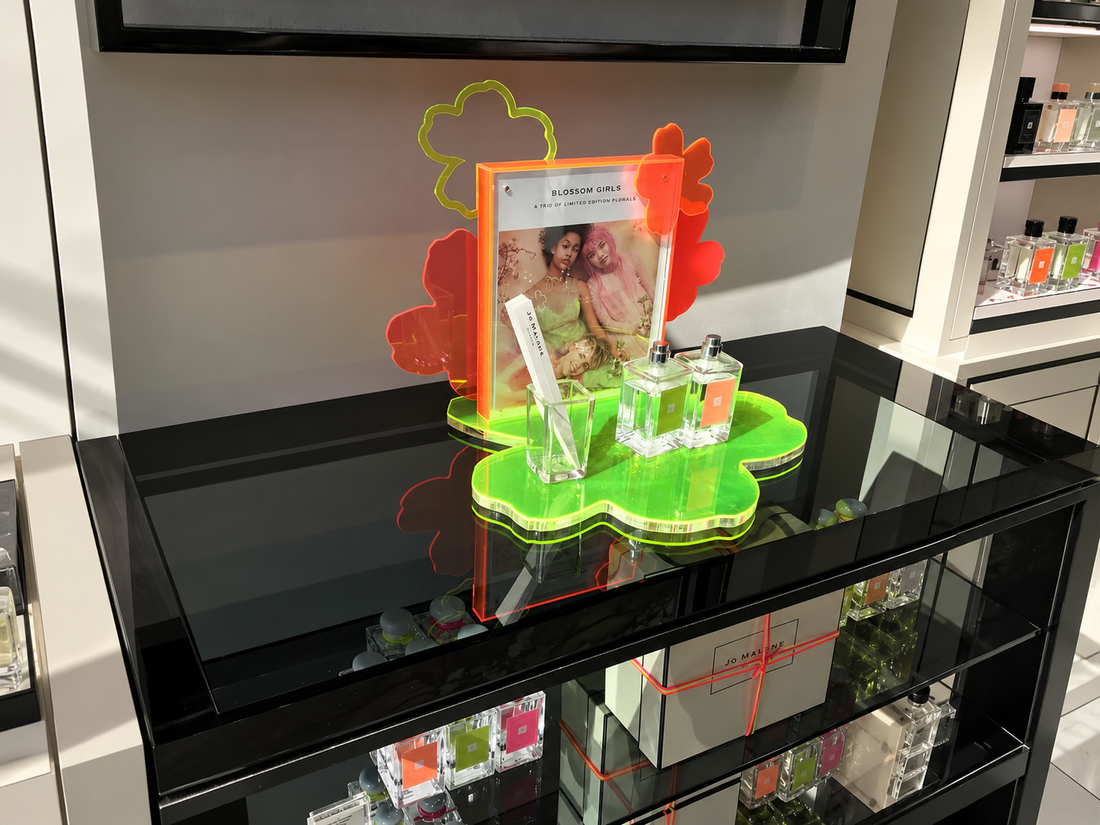
◇By Display Function
- Visibility & Presentation
- Organization & Replenishment
- Covered or Controlled Access
- Lighting & Modular Layouts
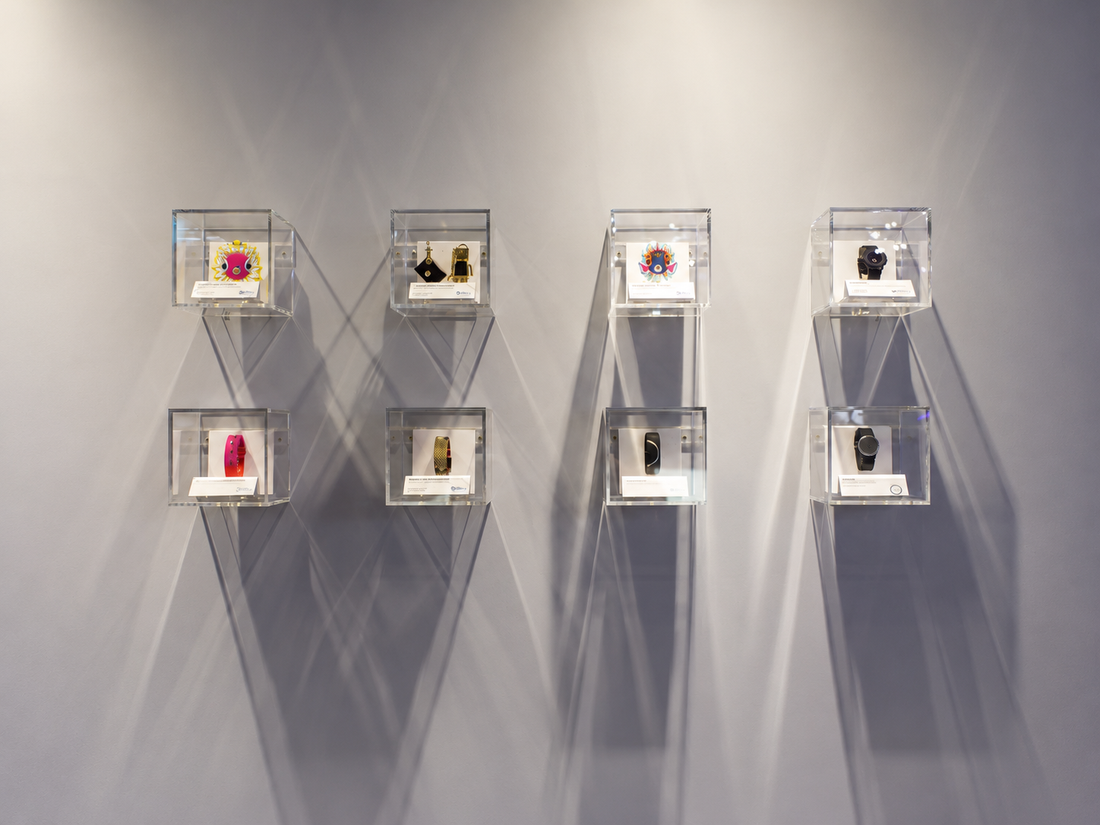
◇By Project Requirements
- Product Size & Weight
- Display Footprint & Quantity
- Materials & Brand Artwork
- Assembly & Shipping Format
Custom Retail Displays Built Around Your Requirements
From material appearance and display dimensions to branding, access, and packing, each custom display should be planned around the products it holds and the way it will be used.
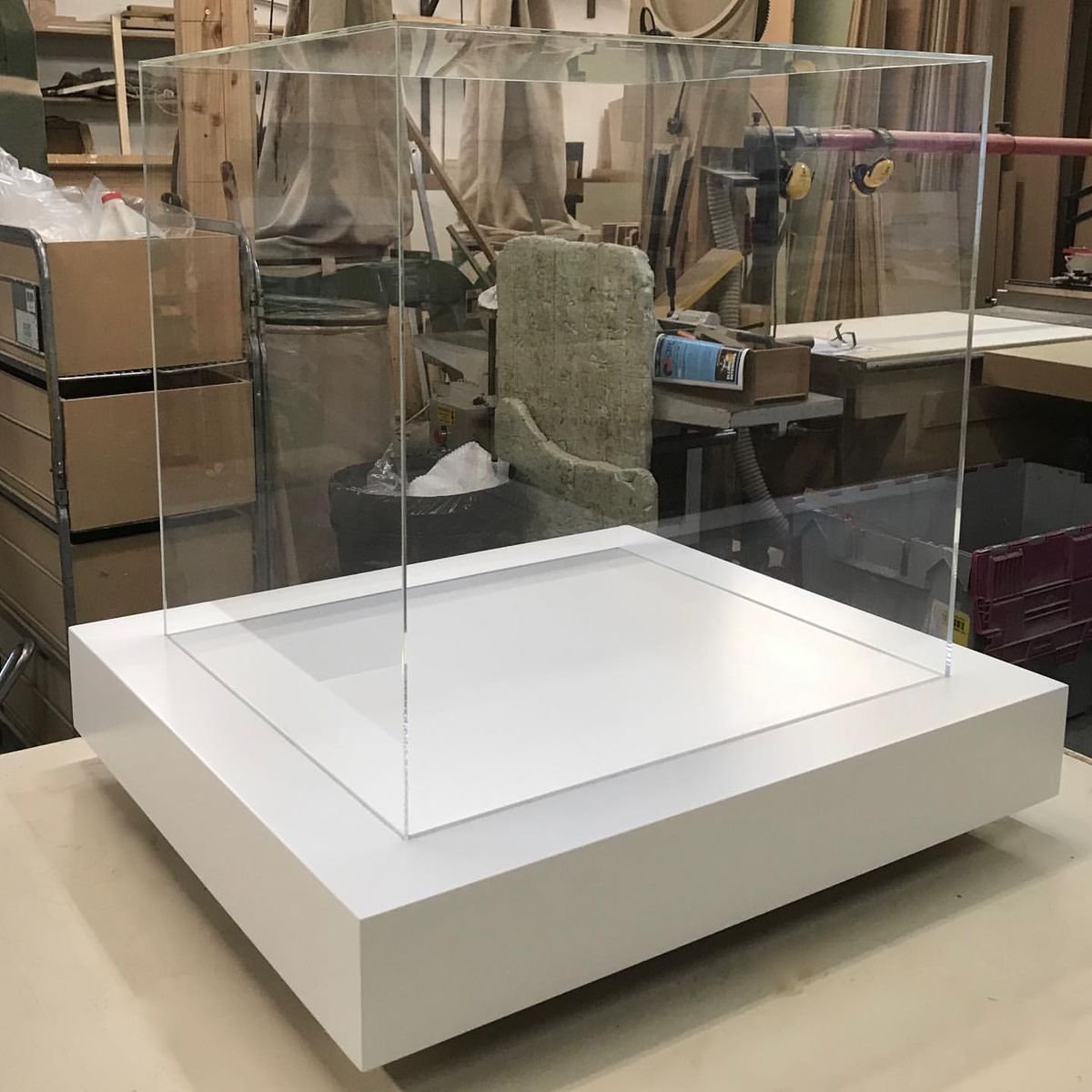
Materials & Finishes
Review clear, tinted, opaque, and other suitable acrylic appearances. Material selection should consider presentation, surface finish, construction, and actual availability.
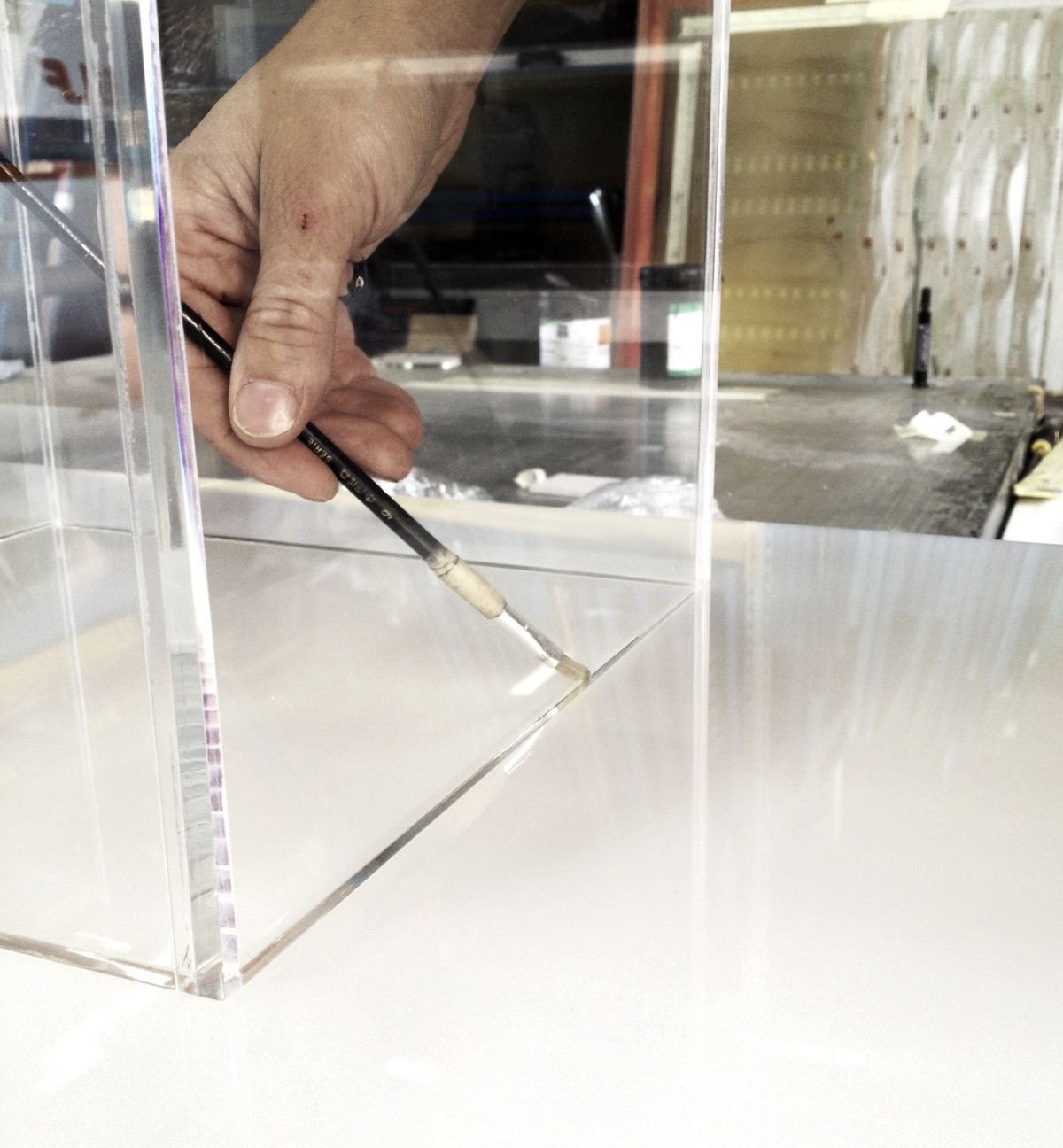
Size & Construction
Define the display footprint, product spacing, load distribution, viewing angles, and access for handling or replenishment.
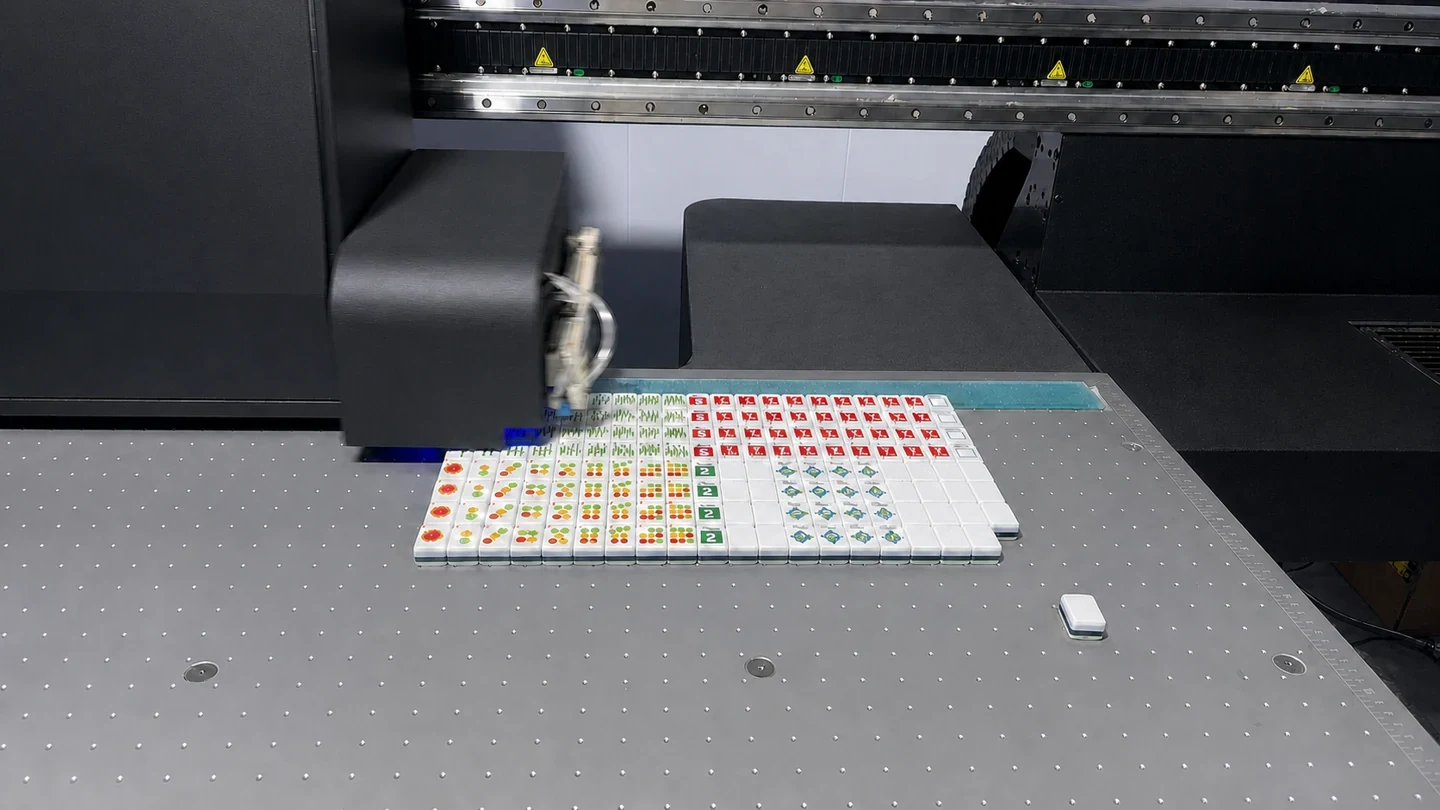
Printing & Branding
Plan logo placement, promotional graphics, printed information, and suitable decoration methods around the viewing area and product presentation.

Functional Features & Packaging
Review suitable hinges, closures, lighting, modular connections, assembly arrangements, and protective packaging according to the selected display design.
Acrylic Display Solutions for Retail & Brand Environments
Explore display applications across retail stores, beauty brands, jewelry collections, and promotional environments, with solutions adapted to the products and customer experience.
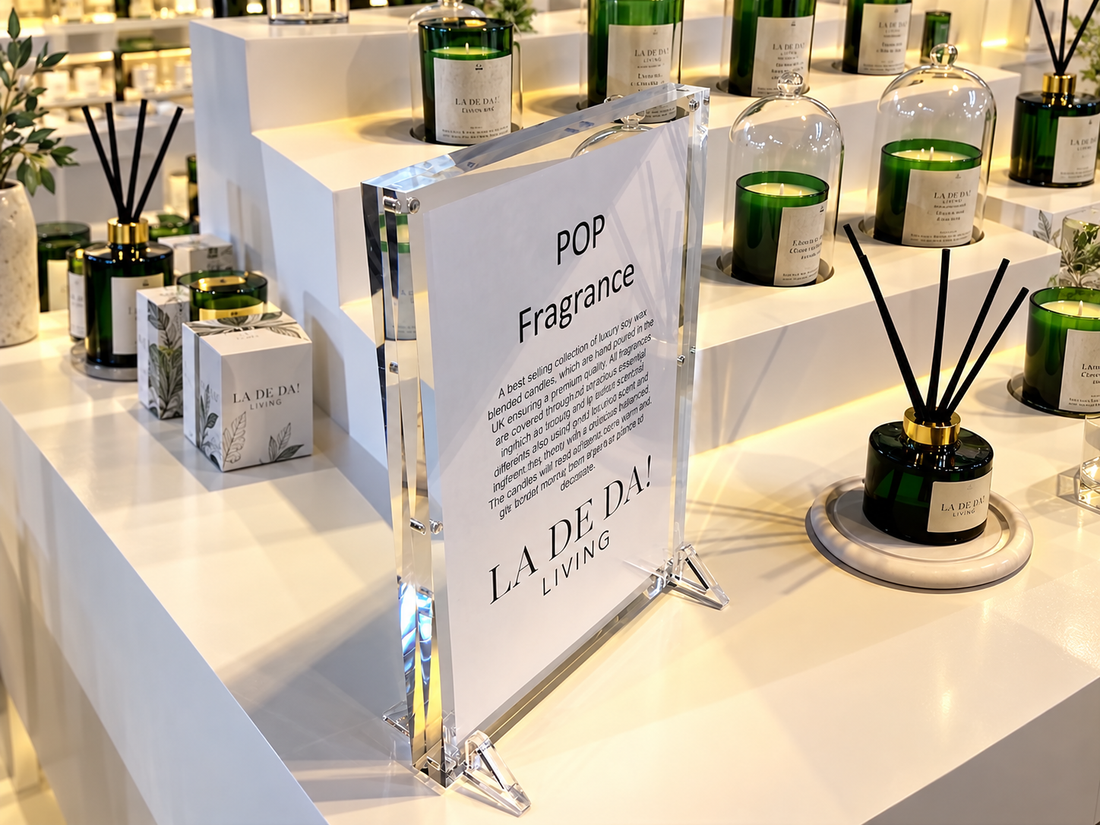
Retail Stores & Point of Sale
Countertop, shelf, and checkout displays designed around merchandise visibility, customer access, and daily replenishment needs.
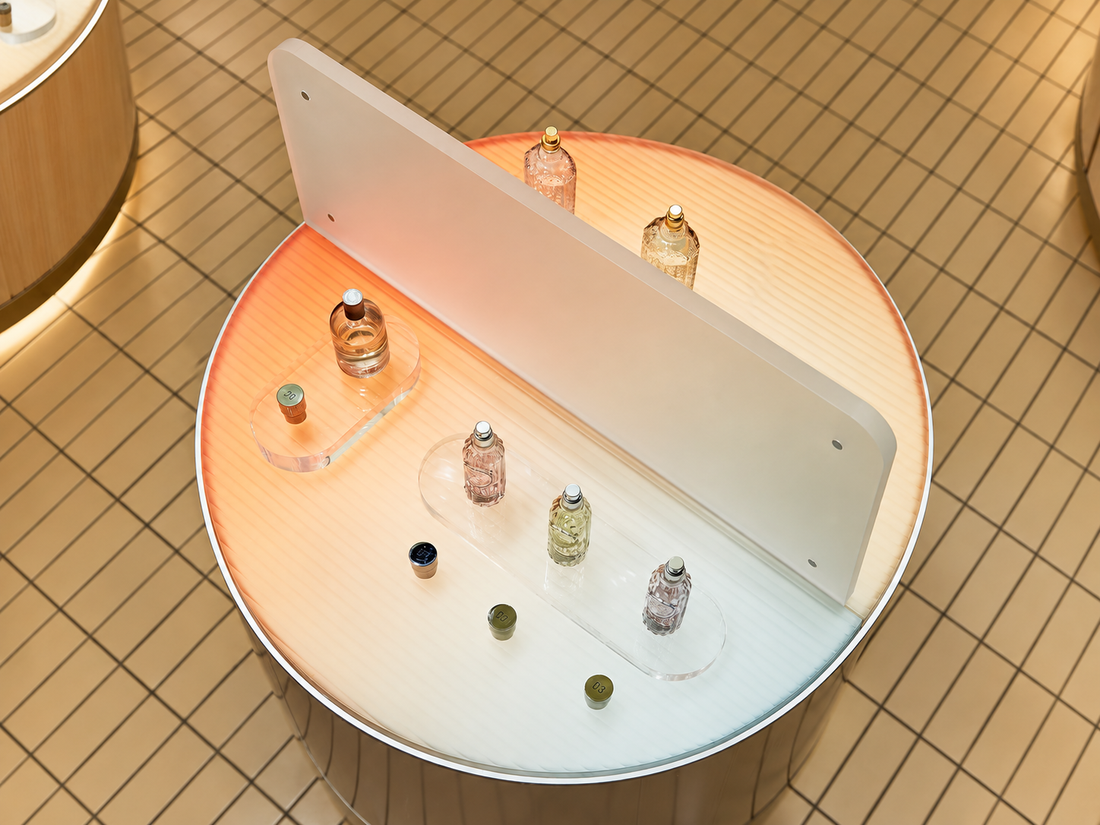
Beauty, Skincare & Fragrance
Presentation layouts for bottles, jars, testers, and promotional collections, planned around product dimensions and brand appearance.

Jewelry, Watches & Accessories
Risers, stands, and covered display concepts for small or higher-value products, with viewing angles and handling requirements considered.
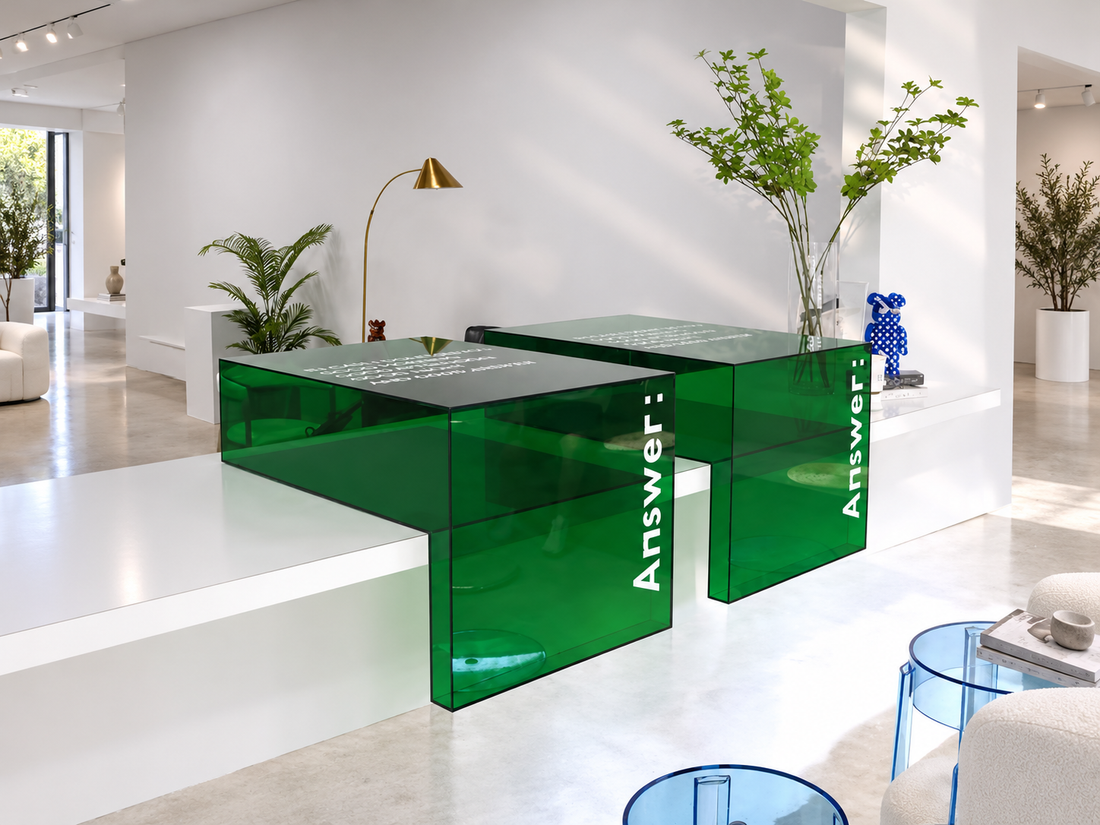
Trade Shows & Brand Activations
Display concepts for product launches, exhibitions, and temporary retail spaces, with setup, transport, and presentation requirements reviewed.
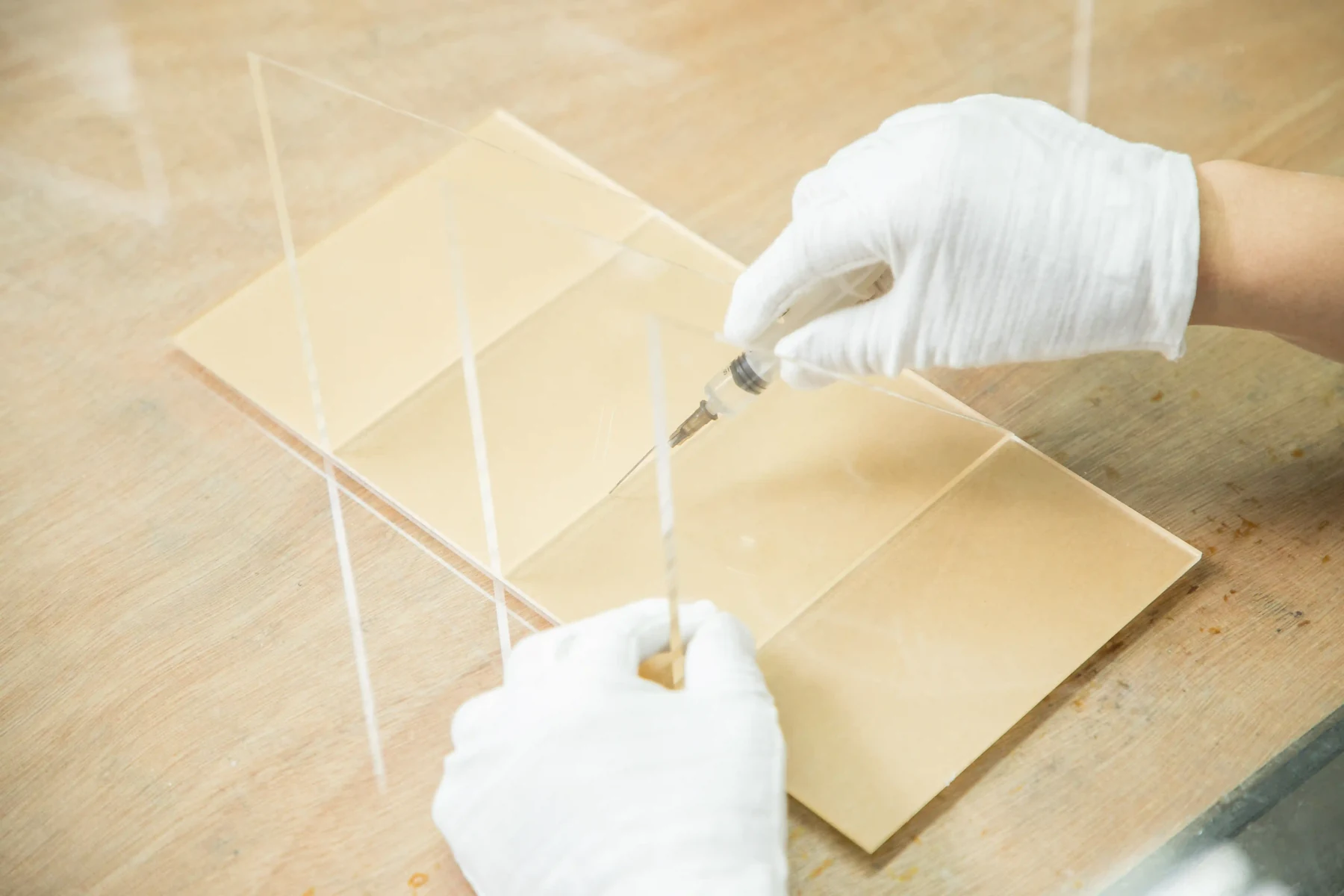
Production Planning & Quality Checkpoints
A custom display should be evaluated against an agreed product specification, not a generic stock size. Key checkpoints include product fit, visual finish, assembly, and packing, with sample requirements defined before bulk production is approved.
- ✓Product Fit & StabilityReview merchandise dimensions, display footprint, expected loading, support geometry, and access for customers or staff.
- ✓Materials & Visual FinishCheck approved material appearance, visible edges, print placement, and relevant surface details against agreed references.
- ✓Assembly & Functional DetailsReview connections, fittings, applicable closures or lighting components, and the completeness of the proposed assembly.
- ✓Packaging & SKU AccuracyPlan protective packing, component quantities, assembly format, and identification for each display design or order version.
Frequently Asked Questions
Which type of custom acrylic display is right for my products?
The most suitable display depends on the merchandise, where it will be presented, and how customers or staff need to interact with it. Countertop displays and risers can help organize smaller retail products, while trays, display cases, POS/POP units, and other structures address different presentation and access requirements. The product’s dimensions, approximate weight, display quantity, viewing direction, and available space are useful starting points. Share a product reference and your intended retail setting so the most relevant display categories can be reviewed.
What is the difference between countertop displays, risers, POS/POP displays, and display cases?
Countertop displays are planned for product presentation within a limited counter area, such as a checkout or promotional counter. Risers primarily create height and separation between displayed items. POS/POP displays combine merchandise presentation with point-of-purchase messaging or promotional requirements. Display cases and covers provide a more enclosed presentation arrangement and may involve specific access or protection needs. These categories can overlap, but they should be selected according to the primary retail function rather than treated as interchangeable products.
What measurements are needed to design a custom acrylic display that fits my merchandise?
Start with the width, depth, height, and approximate weight of the actual products, including their retail packaging where applicable. Provide the number of items that should be displayed and the available countertop, shelf, or floor area. Viewing angles, customer access, replenishment, and any restrictions on overall display height should also be identified. For bottles, jars, or irregular products, a drawing or physical reference can help establish the usable spacing. Final dimensions, material selection, and stability should be reviewed against the proposed construction and agreed sample requirements.
Can custom retail displays use different acrylic colors, materials, logos, and printed graphics?
Material and branding options can be reviewed according to the display design. Clear, tinted, opaque, and other suitable acrylic appearances may be considered, while some structures can combine acrylic with compatible metal or wood components. Logos, promotional artwork, product information, and graphic panels should be planned around the visible surfaces and intended customer interaction. Provide artwork files, color references, material preferences, and any relevant brand guidelines. The appropriate materials, printing methods, and final finish must be confirmed for the selected design rather than assumed to be universally available.
Can acrylic displays include LED lighting, locks, magnetic closures, or other functional features?
Selected functional features can be evaluated where they are appropriate for the intended display. Lighting requires consideration of component placement, wiring, power supply, assembly, and applicable destination-market requirements. Locks, magnetic closures, hinges, and other fittings must be compatible with the proposed structure and access requirements. These options can affect material selection, display dimensions, manufacturing complexity, and packaging. Not every display design supports every feature, so the proposed hardware and any required safety or performance criteria should be reviewed before quotation and sample approval.
How do you review display stability, product loading, and everyday replenishment?
Stability depends on the display footprint, product weight, weight distribution, supporting structure, and how the display is handled. A design that looks suitable in a rendering may still need adjustments when loaded with real merchandise. Access for customers and staff is another important consideration, especially for frequently replenished products or testers. Provide the intended loading arrangement and expected use so suitable construction and sample checks can be discussed. Any specific load capacity, deflection limit, or stability requirement should be defined and verified for the approved design.
Can custom acrylic displays be shipped assembled or flat-packed?
Both formats can be considered, depending on the structure and order requirements. Assembled displays may simplify in-store installation but can require more shipping volume and protective packing. Flat-pack or modular arrangements may reduce packed dimensions, although they introduce additional connection, hardware, and assembly considerations. The best option depends on the display size, destination, available installation time, and expected handling. If multiple stores or locations will receive the products, specify the packing and assembly requirements for each delivery unit so the proposed arrangement can be reviewed.
Can you support different display designs, branded versions, or multiple retail locations within one project?
A project involving several display designs or retail locations can be evaluated as a coordinated product program. Each version should have a defined specification covering dimensions, materials, artwork, fittings, and packaging. Quantities should be provided by SKU rather than only as one combined total. If different locations require separate packing, labeling, or delivery arrangements, identify those requirements at the planning stage. Production and logistical feasibility, applicable minimum quantities, and any additional assembly or packing work should be confirmed for the actual order configuration.
What determines MOQ, unit pricing, sampling cost, and production lead time for custom acrylic displays?
These commercial terms depend on the display category, dimensions, material, fabrication method, printing, hardware, assembly, order quantity, and packaging. A straightforward acrylic riser may involve different preparation and production requirements from an illuminated, lockable, or multi-material display. Multiple SKUs or special packaging can also affect pricing and timing. Sampling can be discussed where appropriate, with its scope, cost, and preparation time confirmed after reviewing the design. Production time and international shipping time should be estimated separately for the agreed project rather than treated as a universal fixed schedule.
What should I send to request a quotation or sample for custom acrylic retail displays?
Please share the type of merchandise you want to display, product dimensions and approximate weights, the required display quantity, and the intended retail location. A drawing, CAD file, reference image, or existing product sample is helpful. Include preferred acrylic colors or other materials, logo artwork, functional features, assembly preferences, and packaging requirements. For multiple designs, provide quantities by SKU. Your destination country and required delivery date are also important. If some details are undecided, identify them clearly so the remaining specifications, quotation, and sample requirements can be reviewed.
LET’S DISCUSS YOUR DISPLAY PROJECT
Ready to Develop Your Custom Acrylic Display?
Tell us what you want to display, where it will be used, and your target quantity. Share product dimensions, drawings or references, branding requirements, and destination so we can review the next steps.